World Hypertension Day 2026: A Global Call to Keep Hypertension in Check
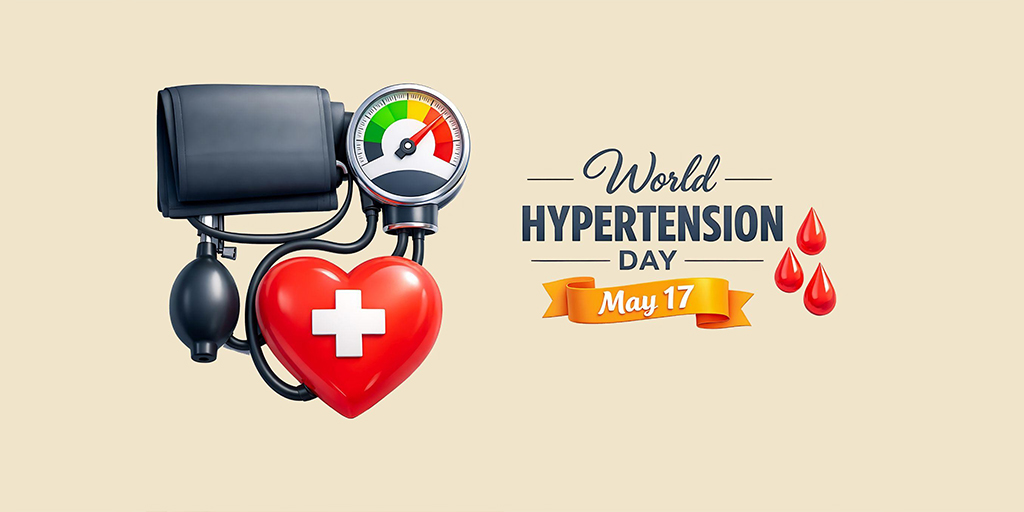
Hypertension, commonly known as high blood pressure, is one of the most widespread and silently destructive health conditions, affecting nearly 1.3 billion people around the world. Also called the “silent killer”, hypertension damages the heart, brain, and kidneys, often without presenting with any obvious warning signs. World Hypertension Day is observed every year on 17 May to help raise awareness around the disorder, serving as a reminder to take blood pressure seriously before complications develop. In this article, we’ll explain what hypertension is, the signs to look out for, possible complications, and the steps that can help in managing it effectively.
History and Significance of World Hypertension Day
World Hypertension Day was established by the World Hypertension League in 2005 to address the growing burden of hypertension across the world. The day is observed every year on 17 May with the aim of increasing awareness about high blood pressure and encouraging early detection. Over the years, it has grown into a global initiative supported by healthcare organisations, governments, and communities working together to highlight the risks linked to uncontrolled blood pressure.
The significance of this day lies in the fact that hypertension often goes undiagnosed due to the lack of clear symptoms. Many people continue with their daily routine without realising that their blood pressure levels are higher than normal. World Hypertension Day focuses on promoting regular blood pressure checks, improving access to screening, and encouraging people to make simple lifestyle changes that can help keep levels under control. It also plays an important role in spreading awareness about the long-term risks of untreated hypertension, including heart disease, stroke, and kidney problems, making it a key step towards better public health awareness and prevention.
Theme for World Hypertension Day 2026
The theme for World Hypertension Day 2026 is “Controlling Hypertension Together!”, which highlights the importance of collective efforts in managing high blood pressure. It focuses on the role of individuals, families, healthcare providers, and communities in improving awareness, encouraging regular monitoring, and supporting better control of hypertension to reduce the risk of long-term complications.
What is Hypertension?
Hypertension, commonly known as high blood pressure, is a condition in which the force of blood pushing against the walls of the arteries remains consistently higher than normal. Blood pressure is measured using two values, systolic pressure, which shows the force when the heart beats, and diastolic pressure, which reflects the pressure when the heart is at rest between beats. A normal blood pressure reading is usually around 120/80 mmHg. Hypertension is generally diagnosed when readings stay at or above 140/90 mmHg over time.
Why is Hypertension Called a “Silent Condition”?
Hypertension is often called a “silent condition” because it usually does not cause clear or noticeable symptoms in its early stages. Blood pressure can remain high for years without causing any discomfort, which means many people continue their daily routine without realising anything is wrong.
In some cases, mild signs such as headaches, dizziness, or fatigue may appear, but these are easy to overlook or link to other common issues. As a result, the condition often goes undetected until it starts affecting important organs such as the heart, brain, or kidneys.
What are the Common Signs of High Blood Pressure?
High blood pressure often develops without clear symptoms, especially in the early stages. When signs do appear, they tend to be mild and may not immediately point to a serious issue. Some of the commonly reported signs include:
- Frequent Headaches: Headaches, especially in the morning, may occur due to increased pressure in the blood vessels.
- Dizziness Or Lightheadedness: A feeling of imbalance or faintness can sometimes be linked to changes in blood pressure levels.
- Blurred Vision: High blood pressure can affect the small blood vessels in the eyes, leading to temporary vision changes.
- Chest Discomfort: A sense of tightness or uneasiness in the chest may be noticed in some cases and should not be ignored.
- Shortness Of Breath: Difficulty in breathing during routine activities can occur if the heart is under strain.
- Fatigue Or Weakness: Ongoing tiredness without a clear reason may be linked to the body working harder to manage increased pressure.
- Nosebleeds: Occasional nosebleeds may occur, especially when blood pressure levels are significantly high.
These signs can be subtle and are often mistaken for less serious conditions. In many cases, high blood pressure is detected during routine check-ups rather than through symptoms, which makes regular monitoring important for early detection.
What Causes High Blood Pressure?
High blood pressure can develop due to a combination of different factors rather than a single cause. It usually builds up over time and is influenced by:
- Unhealthy Diet: High intake of salt, processed foods, and unhealthy fats can raise blood pressure levels.
- Lack Of Physical Activity: A sedentary routine can lead to weight gain and reduced heart health, increasing the risk of hypertension.
- Excess Weight: Being overweight puts extra strain on the heart and blood vessels, which can raise blood pressure.
- Chronic Stress: Ongoing stress can affect the body’s hormone levels and contribute to increased blood pressure over time.
- Family History: A genetic tendency can make some individuals more likely to develop hypertension.
- Ageing: Blood vessels become less flexible with age, which can lead to higher pressure within them.
- Underlying Health Conditions: Conditions such as kidney disorders, diabetes, and hormonal imbalances can contribute to high blood pressure.
- Smoking and Alcohol Intake: Tobacco use and excessive alcohol consumption can damage blood vessels and increase blood pressure levels.
What are the Possible Complications of Uncontrolled Hypertension?
When high blood pressure remains unmanaged over time, it can place constant strain on the blood vessels and vital organs. This can lead to serious health complications that may affect overall quality of life:
- Heart Disease: Increased pressure can damage the arteries and force the heart to work harder, raising the risk of conditions such as heart attack and heart failure.
- Stroke: High blood pressure can weaken or damage blood vessels in the brain, increasing the chances of a stroke.
- Kidney Damage: The kidneys rely on healthy blood vessels to function properly. Prolonged high pressure can affect their ability to filter waste effectively.
- Vision Problems: Damage to the small blood vessels in the eyes can lead to blurred vision or, in severe cases, vision loss.
- Peripheral Artery Disease: Narrowed arteries can reduce blood flow to the limbs, leading to pain, especially during movement.
- Cognitive Decline: Reduced blood flow to the brain over time can affect memory, thinking ability, and overall brain function.
How Can Hypertension Be Managed?
Managing high blood pressure involves a combination of lifestyle changes and medical support as listed below:
- Healthy Diet: A balanced diet that is low in salt and rich in fruits, vegetables, whole grains, and lean proteins can help in maintaining healthy blood pressure levels.
- Regular Physical Activity: Engaging in activities such as walking, cycling, or light exercise on most days of the week supports heart health and helps lower blood pressure.
- Weight Management: Maintaining a healthy weight reduces strain on the heart and can lead to better blood pressure control.
- Stress Control: Managing stress through relaxation techniques, proper sleep, and daily routine adjustments can help keep blood pressure stable.
- Limiting Tobacco And Alcohol: Reducing or avoiding smoking and excessive alcohol intake can improve blood vessel health and lower blood pressure.
- Regular Monitoring: Checking blood pressure at regular intervals helps in tracking changes and identifying any rise early.
- Medications When Prescribed: Doctors may recommend medicines based on individual health needs to help control blood pressure effectively.
Consult a General Physician at Graphic Era Hospital
World Hypertension Day is not just a date on the calendar but a reminder that the fight against high blood pressure begins with a single, decisive step: knowing your numbers and seeking the right guidance. Do not wait for symptoms that may never come until the damage is already done. Take action today and consult a General Physician at Graphic Era Hospital, where experienced medical professionals are ready to assess your blood pressure, understand your unique health profile, and guide you toward a healthier, longer life. Because when it comes to hypertension, the best time to act was yesterday, and the second best time is right now.
Frequently Asked Questions
Can high blood pressure return to normal without long-term treatment?
In some cases, early-stage high blood pressure can improve with consistent lifestyle changes such as better diet, regular exercise, and weight control. Regular monitoring remains important to ensure levels stay within range.
Is it safe to stop blood pressure medicines once readings improve?
Stopping medicines without medical advice is not recommended. Blood pressure can rise again if treatment is discontinued too soon, so any changes in medication should be guided by a doctor.
Does high blood pressure affect sleep quality?
High blood pressure can be linked to sleep disturbances, including poor sleep or conditions such as sleep apnoea, which may further affect blood pressure control.
Can dehydration affect blood pressure levels?
Dehydration can lead to changes in blood pressure and may cause it to drop or fluctuate. Staying adequately hydrated supports overall cardiovascular health.




 Emergency 24×7 : 1800 889 7351