
Common Allergy Symptoms in Children Every Parent Should Know
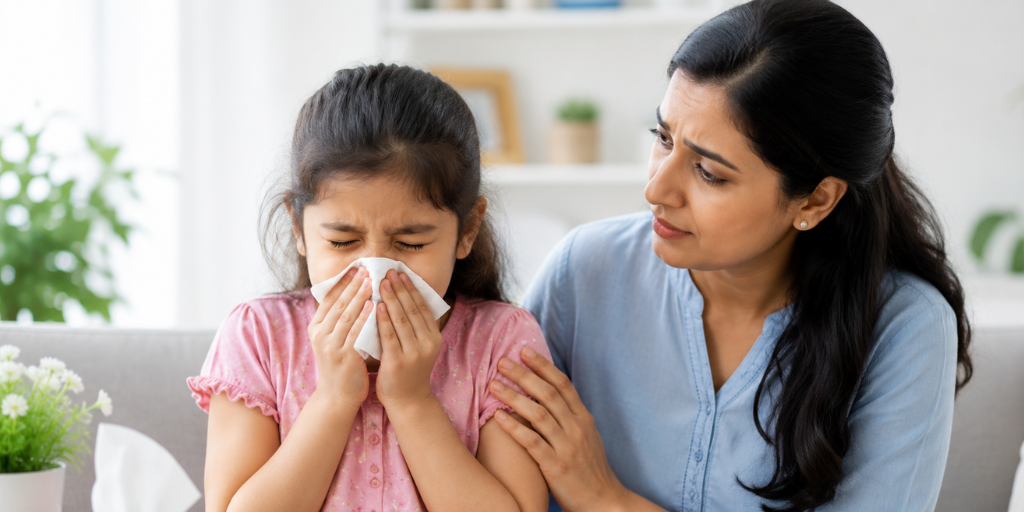
Allergies are becoming increasingly common among children, with paediatricians seeing a growing number of cases involving food allergies, eczema, allergic rhinitis, and asthma. As a result, more parents are finding themselves concerned about recurring symptoms such as sneezing, skin rashes, itchy eyes, coughing, or stomach discomfort.
The challenge, however, is that allergy symptoms often resemble common childhood illnesses, making them easy to misinterpret. While some allergic reactions are mild and may resolve on their own, others can significantly affect a child’s health, disrupting sleep, daily activities, and overall quality of life.
Recognising the early signs of allergies can help parents identify potential triggers and seek timely medical advice. To help parents recognise these signs early, this article explores the most common allergy symptoms in children, their causes, and when medical attention may be needed.
Key Takeaways
- Allergies can affect the whole body: Symptoms may involve the nose, eyes, skin, lungs, or digestive system and can vary from one child to another.
- Symptoms are often mistaken for other conditions: Sneezing, rashes, watery eyes, or stomach problems may be confused with common infections or other childhood illnesses.
- Many everyday substances can trigger allergies: Common triggers include pollen, dust mites, pet dander, mould, certain foods, insect stings, and some medications.
- Food allergies require extra caution: While some reactions are mild, severe symptoms such as breathing difficulties or throat swelling require immediate medical attention.
- Early diagnosis can improve outcomes: Identifying triggers and seeking timely medical advice can help control symptoms and prevent complications.
What Are the Most Common Allergy Symptoms in Children?
Allergies can affect different parts of the body, which is why symptoms often vary from one child to another. Some children may experience mild symptoms such as sneezing or itchy eyes, while others may develop skin rashes, breathing difficulties, or digestive problems. The type of symptoms often depends on the allergen involved and how the child’s immune system responds to it.
Common Allergy Symptoms in Children: At a Glance
| Symptom | Commonly Affected Area |
| Sneezing and runny nose | Nose and sinuses |
| Red, itchy, or watery eyes | Eyes |
| Skin rashes and itching | Skin |
| Coughing and wheezing | Airways and lungs |
| Stomach pain, nausea, or vomiting | Digestive system |
Let’s take a closer look at these common allergy symptoms.
Sneezing and Runny Nose
Frequent sneezing and a runny or blocked nose are among the most common signs of allergies in children. These symptoms often occur when a child is exposed to allergens such as pollen, dust mites, mould, or pet dander.
Parents may notice:
- Repeated bouts of sneezing
- A clear, watery nasal discharge
- Nasal congestion
- An itchy nose or throat
- Frequent nose rubbing
Unlike a common cold, allergy-related nasal symptoms usually occur without fever and may persist for weeks or recur during specific seasons or after exposure to certain triggers.
Red, Itchy, or Watery Eyes
If your child frequently rubs their eyes or complains that they feel itchy, allergies could be a possible cause. Eye symptoms often occur alongside nasal allergies and are commonly triggered by allergens such as pollen, dust mites, mould, or pet dander.
Parents may notice:
- Red or bloodshot eyes
- Excessive tearing or watery eyes
- Itching or a burning sensation
- Puffy or swollen eyelids
- Frequent eye rubbing
These symptoms are usually caused by inflammation of the thin membrane covering the eye and inner eyelid, a condition known as allergic conjunctivitis. Unlike eye infections, allergic eye symptoms typically affect both eyes and are not associated with thick yellow or green discharge.
Symptoms may worsen during certain seasons, after outdoor activities, or when a child is exposed to specific allergens indoors. While allergic conjunctivitis is generally not serious, persistent eye irritation can affect a child’s comfort and concentration, making it important to identify and manage the underlying trigger.
Skin Rashes and Itching
Allergies can also affect the skin, causing symptoms that range from mild irritation to persistent rashes. In some children, skin symptoms may be the first or most noticeable sign of an allergic reaction.
Common signs include:
- Red, itchy patches of skin
- Dry or flaky skin
- Raised bumps or hives
- Swelling in certain areas
- Frequent scratching
Some children may develop eczema (atopic dermatitis), a chronic skin condition that causes dry, inflamed, and itchy skin. Although eczema itself is not always caused by an allergy, exposure to certain allergens or irritants can trigger flare-ups in susceptible children.
Skin reactions may occur after exposure to foods, dust mites, pollen, pet dander, certain fabrics, soaps, or skincare products. Parents may notice that symptoms worsen after contact with a particular trigger or during certain times of the year.
Persistent itching and rashes can affect a child’s comfort, sleep, and daily activities. If skin symptoms are severe, recurring, or do not improve with basic skincare measures, a medical evaluation may help identify the underlying cause.
Coughing and Wheezing
While many people associate allergies with sneezing and skin rashes, they can also affect the airways and lungs. In some children, exposure to allergens can trigger inflammation in the respiratory tract, leading to symptoms such as coughing, wheezing, and breathing difficulties.
Common signs include:
- Persistent or recurring cough
- Wheezing (a whistling sound while breathing)
- Chest tightness
- Shortness of breath
- Symptoms that worsen at night or during physical activity
These symptoms are often linked to allergic asthma, a condition in which allergens such as dust mites, pollen, mould, or pet dander trigger airway inflammation. Some children may experience symptoms only during certain seasons, while others may react throughout the year.
Unlike a cough caused by a viral infection, allergy-related respiratory symptoms may persist for longer periods or repeatedly flare up after exposure to specific triggers. Parents should seek medical advice if their child experiences recurrent wheezing, breathing difficulties, or a persistent cough, as these symptoms may require further evaluation and treatment.
Stomach Pain, Nausea, or Vomiting
Not all allergies affect the skin or respiratory system. In some children, particularly those with food allergies, symptoms may involve the digestive tract.
Common symptoms include:
- Stomach cramps or abdominal pain
- Nausea
- Vomiting
- Diarrhoea
- Bloating or digestive discomfort
These symptoms often develop shortly after eating a food that causes an allergic reaction, although the timing and severity can vary from one child to another. Common food allergens include milk, eggs, peanuts, tree nuts, soy, wheat, fish, and shellfish.
Digestive symptoms may occur on their own or alongside other allergic reactions such as hives, swelling, coughing, or wheezing. Because stomach complaints are common in children and can have many causes, it can sometimes be difficult for parents to recognise when an allergy is responsible.
Keeping track of symptoms and any foods consumed beforehand can help identify possible triggers. If digestive symptoms occur repeatedly after eating certain foods, a paediatric evaluation is recommended to determine whether a food allergy may be involved.
What Causes Allergies in Children?
An allergy occurs when a child’s immune system mistakenly identifies a harmless substance as a threat and reacts against it. These substances, known as allergens, do not cause problems for most people, but in sensitive children, they can trigger an immune response that leads to allergy symptoms.
The likelihood of developing allergies is influenced by both genetic and environmental factors. Children with a family history of allergies, asthma, eczema, or allergic rhinitis are generally at a higher risk. However, allergies can develop in any child, even without a known family history.
Common Allergy Triggers in Children
Some of the most common allergens that affect children include:
| Allergen | Common Sources |
| Pollen | Trees, grasses, and weeds |
| Dust mites | Bedding, mattresses, carpets, and soft furnishings |
| Pet dander | Skin flakes, saliva, and fur from cats, dogs, and other pets |
| Mould | Damp areas, bathrooms, kitchens, and poorly ventilated spaces |
| Certain foods | Milk, eggs, peanuts, tree nuts, soy, wheat, fish, and shellfish |
| Insect stings | Bees, wasps, and other stinging insects |
| Medications | Certain antibiotics and other medicines |
Which Children Are More Likely to Develop Allergies?
While the exact cause of allergies is not always clear, certain factors may increase a child’s risk:
- A family history of allergies or asthma
- Existing allergic conditions such as eczema
- Exposure to environmental pollutants or tobacco smoke
- Living in areas with high pollen levels or poor air quality
- Early-life exposure to certain allergens in susceptible children
Not every child reacts to the same allergen, and symptoms can vary widely depending on the trigger. Identifying what causes a child’s allergic reactions is often an important step in managing symptoms and preventing future flare-ups.
How Do Food Allergies Show Symptoms in Kids?
Food allergies occur when the immune system reacts to a particular food protein. Symptoms usually develop within minutes and almost always within two hours of consuming the trigger food, although delayed reactions can occur in certain allergic conditions, although the timing and severity can vary from one child to another.
Some children experience mild reactions, while others may develop symptoms affecting multiple parts of the body at the same time.
Common Food Allergy Symptoms
Food allergies can cause:
- Itching or tingling in the mouth
- Hives (raised, itchy skin bumps)
- Redness or skin rashes
- Swelling of the lips, face, tongue, or eyelids
- Stomach pain or cramps
- Nausea and vomiting
- Diarrhoea
Parents may notice that these symptoms occur repeatedly after a child eats a particular food, making it easier to identify a potential trigger.
Common Foods That Trigger Allergic Reactions
Some foods are more likely to cause allergic reactions than others. Common food allergens in children include:
- Cow’s milk
- Eggs
- Peanuts
- Tree nuts
- Soy
- Wheat
- Fish
- Shellfish
While some children outgrow certain food allergies, others may continue to have them into adolescence or adulthood.
Can Food Allergies Cause Breathing Problems?
Yes. In some cases, food allergies can affect the respiratory system and cause symptoms such as:
- Persistent coughing
- Wheezing
- Throat tightness
- Difficulty breathing
These symptoms require prompt medical attention, especially if they develop suddenly after eating.
Signs of a Severe Allergic Reaction (Anaphylaxis)
Although uncommon, food allergies can sometimes trigger a severe and potentially life-threatening allergic reaction known as anaphylaxis.
Symptoms may include:
- Difficulty breathing
- Wheezing
- Swelling of the lips, tongue, or throat
- Persistent coughing
- Hoarse voice
- Difficulty swallowing
- Sudden dizziness
- Collapse or loss of consciousness
Anaphylaxis is a medical emergency and requires immediate treatment.
How Do Seasonal Allergies Affect Children?
Many children experience sneezing, a runny nose, or watery eyes from time to time, especially during seasonal changes. While these symptoms are often mistaken for a common cold, they may actually be caused by seasonal allergies.
Seasonal allergies occur when a child’s immune system reacts to airborne allergens such as pollen from trees, grasses, or weeds. Symptoms tend to appear or worsen during specific times of the year when pollen levels are high.
Common Symptoms of Seasonal Allergies
Children with seasonal allergies may experience:
- Frequent sneezing
- A runny or blocked nose
- Itchy nose or throat
- Red, itchy, or watery eyes
- Coughing caused by postnasal drip
- Fatigue due to poor sleep from nasal congestion
These symptoms can range from mild to severe and may affect a child’s comfort, concentration, and participation in outdoor activities.
Seasonal Allergies vs Common Cold
Because the symptoms can look similar, it is not always easy to tell the difference between a seasonal allergy and a cold.
| Seasonal Allergies | Common Cold |
| Caused by allergens such as pollen | Caused by a viral infection |
| Symptoms may last for weeks or months | Usually improves within 7–10 days |
| Often causes itchy eyes, nose, or throat | Itching is less common |
| Usually does not cause fever | May be accompanied by fever |
| Symptoms may occur around the same time each year | Can occur at any time of the year |
If your child’s symptoms persist for several weeks, recur during certain seasons, or seem to worsen after spending time outdoors, seasonal allergies may be a possible cause.
When Should Parents Worry About Allergy Symptoms?
Many allergy symptoms are mild and can often be managed once the trigger is identified. However, some symptoms may indicate a more serious reaction or an underlying allergic condition that requires medical evaluation.
Consult a Doctor If Your Child Has:
- Allergy symptoms that keep returning or do not improve
- Frequent sneezing, nasal congestion, or itchy eyes that interfere with daily activities
- Persistent skin rashes or eczema flare-ups
- Recurrent coughing or wheezing
- Digestive symptoms that repeatedly occur after eating certain foods
- Symptoms that affect sleep, school performance, or physical activity
- Suspected food allergies or medication allergies
A paediatrician can help determine whether allergies are causing the symptoms and recommend appropriate testing or treatment if needed.
Seek Immediate Medical Attention If Your Child Has:
- Difficulty breathing or shortness of breath
- Swelling of the lips, tongue, face, or throat
- Severe wheezing
- Difficulty swallowing or speaking
- Sudden dizziness or fainting
- Loss of consciousness
These symptoms may indicate anaphylaxis, a severe allergic reaction that can progress rapidly and become life-threatening if not treated promptly.
When it comes to allergies, early recognition and timely medical care can help prevent complications and ensure children receive the support they need to stay healthy and active.
How Are Allergies Diagnosed in Children?
Diagnosing allergies involves identifying the triggers responsible for a child’s symptoms. To do this, a paediatrician will usually begin by reviewing the child’s medical history, symptom patterns, and possible exposure to allergens.
The diagnostic approach may include one or more of the following:
| Diagnostic Method | What It Helps Identify |
| Medical history | Symptom patterns, possible triggers, and family history of allergies |
| Physical examination | Signs of allergic conditions such as eczema, allergic rhinitis, or asthma |
| Skin prick test | Reactions to common allergens such as pollen, dust mites, pet dander, and certain foods |
| Blood tests | Allergy-related antibodies that may help identify specific triggers |
Medical History and Symptom Assessment
The first step is often a detailed discussion about your child’s symptoms. The doctor may ask questions such as:
- When did the symptoms start?
- How often do they occur?
- Do they appear during certain seasons?
- Do symptoms worsen after eating specific foods or being around pets?
- Is there a family history of allergies, asthma, or eczema?
Keeping a record of symptoms and potential triggers can help provide valuable information during the consultation.
Allergy Tests
If an allergy is suspected, the doctor may recommend tests to identify specific allergens.
Skin prick testing involves placing small amounts of potential allergens on the skin and checking for a reaction. It is commonly used to evaluate environmental and food allergies.
Blood tests may also be used in certain situations, particularly when skin testing is not suitable or when additional information is needed.
Not every child with allergy symptoms requires extensive testing. The choice of tests depends on the child’s age, symptoms, medical history, and suspected triggers.
How Are Childhood Allergies Treated?
The treatment of childhood allergies focuses on reducing symptoms, preventing allergic reactions, and improving a child’s overall quality of life. The most appropriate treatment depends on the type of allergy, its severity, and the trigger involved.
Avoiding Allergy Triggers
One of the most effective ways to manage allergies is to reduce exposure to known triggers whenever possible.
For example:
- Limiting outdoor exposure when pollen levels are high
- Using dust-mite-proof covers on mattresses and pillows
- Keeping indoor spaces clean and well-ventilated
- Avoiding foods known to trigger allergic reactions
- Minimising exposure to pet dander if it worsens symptoms
Identifying and avoiding triggers can significantly reduce the frequency and severity of allergic reactions.
Medications for Symptom Relief
Depending on the symptoms, doctors may recommend medications to help control allergic reactions and provide relief.
These may help manage:
- Sneezing and runny nose
- Nasal congestion
- Itchy or watery eyes
- Skin itching and rashes
It is important to use allergy medications only under medical guidance, particularly in younger children.
Managing Skin Allergies and Eczema
Children with eczema or allergy-related skin problems often benefit from a combination of skincare measures and medical treatment.
Management may include:
- Regular use of moisturisers to maintain the skin barrier
- Avoiding harsh soaps, fragrances, and known irritants
- Identifying potential allergy triggers
- Using prescribed treatments during flare-ups
Consistent skincare can help reduce itching, discomfort, and the risk of recurrent flare-ups.
Treatment for Allergy-Related Asthma
When allergies affect the airways, treatment may be needed to control inflammation and prevent breathing difficulties.
Children with allergy-related asthma may require a personalised management plan to help reduce symptoms such as coughing, wheezing, and shortness of breath. Regular follow-up is important to ensure symptoms remain well controlled.
Emergency Treatment for Severe Allergic Reactions
Severe allergic reactions, including anaphylaxis, require immediate medical attention.
Children with a history of severe food allergies or anaphylaxis may be advised on emergency management strategies and precautions to follow if accidental exposure occurs.
With early diagnosis, trigger avoidance, and appropriate treatment, most children with allergies can lead healthy, active lives with minimal disruption to their daily activities.
How Can Parents Help Reduce Allergy Triggers at Home?
While it may not always be possible to prevent allergies, reducing exposure to common triggers can help minimize symptoms and improve a child’s comfort. Small changes at home can often make a significant difference, especially for children with recurring allergies.
For Dust Allergies
Dust mites are one of the most common indoor allergy triggers and are often found in bedding, mattresses, carpets, curtains, and upholstered furniture.
Parents can help reduce exposure by:
- Washing bedsheets and pillow covers regularly in hot water
- Using dust-mite-proof covers on mattresses and pillows
- Vacuuming carpets and soft furnishings frequently
- Reducing clutter that collects dust
- Keeping indoor humidity levels low
For Pollen Allergies
Pollen levels tend to be higher during certain seasons and can trigger sneezing, nasal congestion, and itchy eyes.
To minimise exposure:
- Keep windows closed during high-pollen days
- Encourage children to wash their hands and face after outdoor activities
- Change clothes after spending time outdoors
- Dry laundry indoors when pollen counts are high
- Monitor local pollen forecasts when available
For Pet Allergies
Children who are allergic to pet dander may experience symptoms even when pets appear clean and well-groomed.
Helpful measures include:
- Keeping pets out of the child’s bedroom
- Cleaning floors and furniture regularly
- Washing pet bedding frequently
- Washing hands after handling pets
- Using air purifiers where appropriate
For Food Allergies
Food allergies require careful avoidance of known trigger foods.
Parents should:
- Read food labels carefully
- Inform caregivers, teachers, and family members about the allergy
- Be cautious when eating outside the home
- Teach older children about foods they should avoid
- Follow the allergy management plan recommended by their doctor
Create an Allergy-Friendly Home Environment
In addition to avoiding specific triggers, general healthy habits can help support a child’s overall wellbeing.
These include:
- Maintaining good indoor ventilation
- Avoiding exposure to tobacco smoke
- Addressing dampness and mould growth promptly
- Encouraging a balanced diet and healthy lifestyle
- Scheduling regular paediatric check-ups when symptoms persist
While these measures may not eliminate allergies completely, they can help reduce flare-ups and improve day-to-day symptom control.
Conclusion
Recurring sneezing, skin rashes, itchy eyes, wheezing, or digestive problems may seem minor at first, but when these symptoms occur repeatedly or persist over time, they may indicate an underlying allergy. Recognising the signs early and identifying potential triggers can help prevent ongoing discomfort, reduce the risk of complications, and improve your child’s overall quality of life.
If you suspect your child may have an allergy, seeking timely medical advice can help ensure an accurate diagnosis and appropriate treatment. As a trusted child care hospital in Dehradun, Graphic Era Hospital provides comprehensive evaluation and personalised care for childhood allergies, including allergic rhinitis, eczema, asthma, and food allergies.
To consult a paediatrician or schedule an allergy evaluation, simply call 1800 889 7351(24×7).
Frequently Asked Questions
What are the first signs of allergies in children?
The first signs of allergies often include frequent sneezing, a runny or blocked nose, itchy or watery eyes, skin rashes, itching, or stomach discomfort. Some children may also develop coughing or wheezing. Symptoms can occur after exposure to allergens such as pollen, dust mites, pet dander, or certain foods and may keep recurring if the trigger is not identified.
How can I tell if my child has allergies or a cold?
Although allergies and colds share symptoms such as sneezing and a runny nose, allergies typically do not cause fever and may last for weeks or months. Children with allergies often experience itchy eyes, nose, or throat, and symptoms may worsen after exposure to specific triggers. In contrast, a common cold is caused by a viral infection and usually improves within 7–10 days.
What foods commonly cause allergies in children?
Common food allergens in children include cow’s milk, eggs, peanuts, tree nuts, soy, wheat, fish, and shellfish. Reactions can range from mild symptoms such as itching and hives to more serious symptoms involving the digestive or respiratory system. If a child repeatedly develops symptoms after eating a particular food, medical evaluation is recommended.
Can allergies cause coughing and wheezing in children?
Yes. Allergies can sometimes affect the airways and lead to coughing, wheezing, chest tightness, or shortness of breath. These symptoms may occur when a child is exposed to allergens such as dust mites, pollen, mould, or pet dander. In some cases, they may be associated with allergic asthma and require medical management.
When should I take my child to a doctor for allergy symptoms?
You should consult a doctor if allergy symptoms are persistent, keep returning, interfere with sleep or daily activities, or are accompanied by recurrent wheezing, breathing difficulties, or severe skin reactions. Children with suspected food allergies should also be evaluated to identify triggers and prevent future reactions.
Can children outgrow allergies?
Some children outgrow certain allergies, particularly milk and egg allergies, as they get older. However, other allergies, such as peanut, tree nut, or environmental allergies, may persist into adulthood. Regular follow-up with a healthcare professional can help monitor changes in allergy status over time.
How are allergies tested in children?
Allergies are diagnosed through a combination of medical history, symptom assessment, physical examination, and allergy testing when required. Common tests include skin prick tests and blood tests, which help identify specific allergens that may be triggering symptoms.
Can allergies trigger asthma in children?
Yes. Allergies and asthma are closely linked, and many children with asthma have allergic triggers. Exposure to allergens such as pollen, dust mites, mould, or pet dander can cause airway inflammation, leading to coughing, wheezing, and breathing difficulties. Identifying and managing allergy triggers can help improve asthma control.
Where can I find a paediatric allergy specialist near me?
If your child experiences recurring symptoms such as sneezing, skin rashes, itchy eyes, wheezing, or suspected food allergies, it is important to consult a qualified paediatrician for evaluation. As a leading paediatric hospital in Dehradun, Graphic Era Hospital is home to experienced paediatric specialists who provide comprehensive diagnosis and treatment for childhood allergies, asthma, eczema, food allergies, and other paediatric health concerns.
Which is the best hospital for allergy treatment in children in Dehradun?
The best hospital for childhood allergy treatment is one that can accurately identify the cause of your child’s symptoms and provide comprehensive, long-term care. If you are looking for a trusted child care hospital in Dehradun, Graphic Era Hospital offers specialised care for allergic rhinitis, eczema, asthma, food allergies, and other paediatric allergic conditions. Backed by advanced diagnostics and personalised treatment plans, we help children find lasting relief from allergy symptoms and enjoy a healthier, more comfortable childhood.











 Emergency 24×7 : 1800 889 7351