
Dengue Diet Guide: What to Eat and Avoid During Illness and Recovery
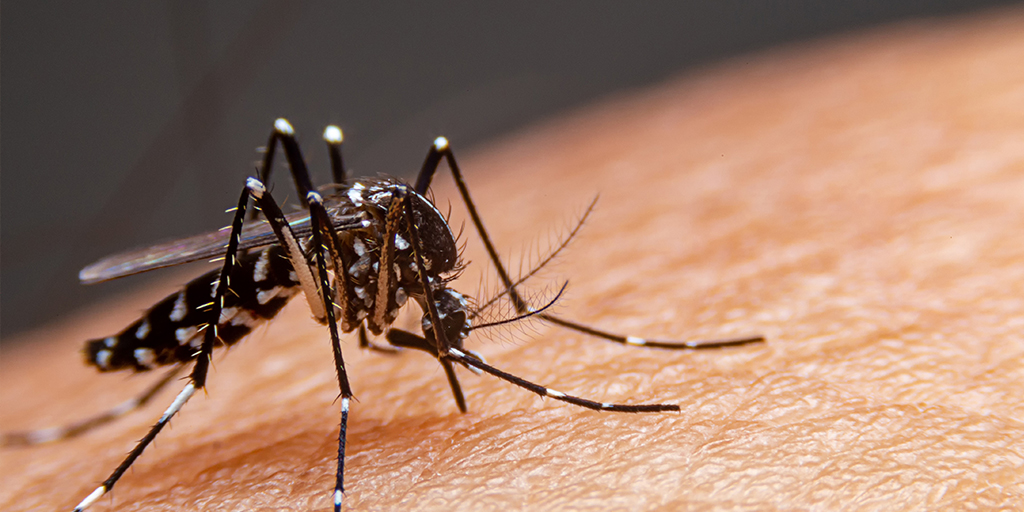
Dengue at a Glance
- What it is: A mosquito-borne viral infection that causes high fever, severe body ache, and a significant drop in platelet count.
- Why diet matters: The body’s ability to fight the infection, maintain platelet levels, and recover faster is directly influenced by what you eat and drink during this period.
- Key principle: Light, nutrient-dense, and easily digestible foods support recovery. Heavy, spicy, and processed foods make it harder.
- Act on it: If platelet count continues to drop, vomiting prevents you from keeping food down, or symptoms worsen despite rest and diet, seek medical attention immediately.
Dengue is one of the most physically draining illnesses a person can experience. The high fever, intense body ache, and fatigue that accompany it leave the body significantly weakened, and the drop in platelet count that follows can make recovery feel slow and uncertain.
In this context, what you eat matters more than it ordinarily would. The body is working hard to fight the infection, repair itself, and rebuild what the illness has depleted. The right diet does not cure dengue, but it supports every process that leads to recovery, from maintaining platelet levels and strengthening immune response to preventing dehydration and keeping the digestive system from being further strained.
This guide covers what to eat, what to avoid, and why each recommendation matters, so that recovery decisions are informed rather than guesswork.
How Dengue Affects the Body
Understanding what dengue does to the body makes the dietary recommendations that follow easier to understand and act on.
Dengue is caused by the dengue virus, transmitted through the bite of an Aedes aegypti mosquito. Once inside the body, the virus triggers an intense immune response that manifests as high fever, severe headache, pain behind the eyes, and deep muscle and joint pain, often referred to as breakbone fever because of how debilitating the discomfort can be.
The most clinically significant effect of dengue is its impact on platelets, the blood cells responsible for clotting. Dengue causes platelet count to fall sharply, sometimes to dangerously low levels, increasing the risk of internal bleeding and making close monitoring essential throughout the course of the illness.
Dengue also causes significant fluid loss through fever and sweating, which can lead to dehydration, if not actively managed. The digestive system is frequently affected as well, with nausea, vomiting, and loss of appetite being common, making it harder for the body to take in the nutrition intake at a time when it is most required.
It is this combination of factors, platelet drop, dehydration, immune stress, and digestive sensitivity, that makes diet a meaningful part of dengue management rather than a secondary concern.
The Role of Diet in Dengue Recovery
When the body is fighting a viral infection as demanding as dengue, its nutritional requirements increase significantly. Energy is being spent on immune response, tissue repair, and maintaining basic functions under considerable stress. At the same time, the appetite is suppressed, digestion is compromised, and the body is losing fluids faster than usual.
Diet during dengue plays three key roles. First, it provides the nutrients the body needs to support platelet regeneration and immune function. Second, it keeps the digestive system from being additionally burdened at a time when it is already under strain. Third, it prevents dehydration, which is one of the most common and serious complications of dengue.
Getting the diet right during this period does not require complicated meal planning. It requires choosing foods that are easy to digest, rich in the right nutrients, and gentle on a system that is already working at its limit.
What to Eat During Dengue
The foods that support dengue recovery share a few common characteristics. They are easy on the stomach, rich in vitamins and minerals that support immunity and platelet production, and help the body stay hydrated. The following are the key categories to focus on.
Foods that Help Restore Platelet Count in Dengue
Platelet count is the most closely watched indicator during dengue, and certain foods are associated with supporting its recovery. Papaya leaf extract has received considerable attention in this context and is widely used during dengue recovery. Pomegranate is another fruit associated with supporting platelet levels, along with beetroot, which is rich in antioxidants and iron. Coconut water is frequently recommended as well, both for its hydrating properties and its reported role in supporting platelet recovery.
It is important to approach these foods as supportive measures alongside medical treatment, not as replacements for it. Platelet count should be monitored regularly by a doctor throughout recovery.
Foods that Support Immunity During Dengue
The immune system needs specific nutrients to function effectively during a viral infection. Vitamin C plays a particularly important role, supporting white blood cell production and overall immune response. Foods rich in Vitamin C include oranges, guava, kiwi, and amla. Turmeric, with its active compound curcumin, has well-documented anti-inflammatory properties and can be added to warm milk or soups. Ginger is another useful addition, both for its anti-inflammatory effect and its ability to ease nausea.
Foods that Are Easy to Digest in Dengue
With nausea, vomiting, and a suppressed appetite being common during dengue, the digestive system needs to be treated gently. Khichdi, plain rice, dal, boiled vegetables, and porridge are among the most suitable options during the acute phase of the illness. These foods provide energy and basic nutrition without placing unnecessary strain on the gut. As fever subsides and appetite begins to return, the diet can gradually move toward more substantial, balanced meals.
Foods that Aid Hydration in Dengue
Fluid intake is critical during dengue, and several foods contribute meaningfully to hydration alongside direct fluid consumption. Fresh fruits with high water content, such as watermelon and cucumber, are good options. Soups and broths, particularly vegetable-based ones, serve double duty by providing both hydration and easily absorbed nutrients. Coconut water remains one of the most recommended options throughout recovery for its electrolyte content and digestibility.
What to Avoid During Dengue
Just as certain foods support recovery, others can slow it down, place additional strain on an already stressed digestive system, or worsen symptoms. The following are the key categories to avoid during dengue.
Spicy and Oily Foods
Spicy and heavily seasoned foods irritate the digestive lining, which is already sensitive during dengue. Oily and fried foods are difficult to digest and can trigger or worsen nausea. Both should be avoided entirely during the acute phase and reintroduced only gradually as recovery progresses and appetite normalises.
Caffeinated Beverages
Tea, coffee, and energy drinks act as diuretics, meaning they increase fluid loss through urination at a time when the body is already struggling to stay hydrated. Caffeine can also interfere with sleep, which is one of the most important factors in recovery. Both should be avoided or kept to an absolute minimum during the illness.
Alcohol
Alcohol places significant stress on the liver, which is already working harder than usual during a dengue infection. It also contributes to dehydration and can interact poorly with any medications being taken during this period. It should be avoided entirely until full recovery.
Processed and Packaged Foods
Processed foods are typically high in salt, preservatives, and refined ingredients that offer little nutritional value and can contribute to inflammation. During dengue, the body needs nutrient-dense food, not empty calories. Packaged snacks, instant noodles, and similar products are best avoided throughout the recovery period.
Raw and Hard-to-Digest Foods
Raw vegetables and certain high-fibre foods, while healthy under normal circumstances, can be difficult for a weakened digestive system to process during dengue. Salads, raw sprouts, and fibrous vegetables are better replaced with their cooked equivalents during this period. As recovery progresses, these can be gradually reintroduced.
Non-Vegetarian Food During the Acute Phase
Meat, particularly red meat, is harder to digest and can place additional load on the digestive system during the acute phase of dengue. If protein intake is a concern, lighter options such as boiled eggs or dal are better suited to this period. Non-vegetarian food can be reintroduced as the fever subsides and digestion normalises.
| Note: Every patient’s experience of dengue is different. If nausea or vomiting is making it difficult to keep any food down, the priority is hydration. A doctor should be consulted if food intake remains severely limited for more than a day or two. |
Staying Hydrated: Why It Matters More Than You Think
Dehydration is one of the most serious and most common complications of dengue, yet it is also one of the most preventable. The high fever, sweating, vomiting, and reduced appetite that accompany dengue all contribute to fluid loss, and replacing those fluids consistently is one of the most important things a patient can do during recovery.
The consequences of inadequate hydration during dengue go beyond thirst. Dehydration can cause a drop in blood pressure, reduce kidney function, thicken the blood, and in severe cases, contribute to dengue shock syndrome, which is a medical emergency. Staying well hydrated actively reduces the risk of these complications.
How Much to Drink
As a general guideline, dengue patients should aim to drink at least two to three litres of fluid per day, spread throughout the day rather than consumed in large quantities at once. This is a baseline, and individual needs may vary depending on the severity of fever and the degree of fluid loss through sweating or vomiting.
What to Drink
Not all fluids are equally effective during dengue recovery. The following are among the most beneficial:
- Water: The foundation of hydration. Plain water should be consumed consistently throughout the day.
- Oral Rehydration Solution (ORS): Particularly useful when fluid loss is significant. ORS replaces not just water but also the electrolytes lost through sweating and vomiting.
- Coconut water: Naturally rich in electrolytes, easy to digest, and well-tolerated even when appetite is low.
- Fresh fruit juices: Juices from fruits high in Vitamin C, such as orange, guava, and pomegranate, provide hydration alongside immune-supporting nutrients. These should be fresh and unsweetened where possible.
- Vegetable and clear soups: Warm soups are soothing, easy to consume when solid food feels difficult, and provide both hydration and basic nutrition.
- Herbal teas: Ginger or tulsi tea can help ease nausea and provide mild anti-inflammatory support alongside their hydrating effect.
Also Read: Understanding the Importance of Oral Rehydration Therapy
What Not to Drink
Caffeinated drinks, alcohol, and carbonated beverages should be avoided during dengue recovery. While caffeine and alcohol contribute to fluid loss and dehydration, carbonated drinks and packaged juices with added sugar offer no meaningful nutrition, placing unnecessary strain on the liver and digestive system at a time when both are already under stress.
| Good to Know: If a dengue patient is unable to keep fluids down due to persistent vomiting, oral hydration alone may not be sufficient. In such cases, intravenous fluid administration at a hospital may be necessary. This should not be delayed, as dehydration can escalate quickly in dengue patients. |
When to See a Doctor
Most dengue cases can be managed at home with rest, a careful diet, and consistent hydration. However, dengue can escalate quickly, and there are specific warning signs that indicate the illness has moved beyond what home management can address. If any of the following apply, medical attention should be sought without delay.
Platelet count continues to drop
A falling platelet count that does not stabilise, particularly when it drops below 100,000 per microlitre, requires close medical supervision. Below 20,000, the risk of spontaneous bleeding becomes significant and hospitalisation is typically necessary.
Persistent vomiting or inability to keep fluids down
If vomiting is frequent enough to prevent adequate fluid intake, dehydration can set in rapidly. This is one of the most common reasons dengue patients require hospitalisation and intravenous fluid support.
Severe abdominal pain
Intense or worsening pain in the abdomen can be a sign of internal bleeding or other serious complications and should be evaluated immediately.
Bleeding from any site
This includes bleeding from the nose or gums, blood in the urine or stool, or unusual bruising on the skin. Any unexplained bleeding during dengue is a red flag that requires prompt medical assessment.
Difficulty breathing or chest pain
These symptoms may indicate fluid accumulation around the lungs or heart, which is a serious complication requiring urgent attention.
Extreme fatigue, confusion, or restlessness
A sudden change in mental state or an unusual level of weakness beyond what would be expected from the fever can indicate dengue shock syndrome, which is a medical emergency.
Fever that returns after appearing to subside
A brief period of improvement followed by a return of fever, particularly accompanied by any of the above symptoms, is a pattern that requires immediate evaluation.
Related Blog: Dengue Fever: Symptoms, Diagnosis, Treatment, and Prevention
Do Not Navigate Dengue Alone
Dengue moves fast. So should your response to it. Our team at Graphic Era Hospital in Dehradun is equipped to support you at every stage of recovery, with the right level of care based on where you are in the illness.
To book a consultation or speak with our team, call 1800 889 7351, available 24 hours a day, seven days a week.
Frequently Asked Questions
What are the common symptoms of dengue fever?
Dengue typically presents with high fever, severe headache, pain behind the eyes, muscle and joint pain, fatigue, and loss of appetite. A drop in platelet count and signs of dehydration may also occur as the illness progresses. Any warning signs such as persistent vomiting, abdominal pain, or bleeding should prompt immediate medical attention.
What is the best diet for dengue patients?
A dengue diet should focus on light, easily digestible, and nutrient-dense foods. This includes fluids like water, ORS, and coconut water; simple meals such as khichdi, dal, and soups; and fruits rich in vitamins like papaya, pomegranate, and citrus fruits. The goal is to maintain hydration, support immunity, and avoid placing additional strain on digestion.
What should you eat in dengue to recover faster?
Recovery is supported by a combination of fluids, soft foods, and vitamin-rich fruits. Coconut water, fresh fruit juices (without added sugar), soups, and easily digestible meals help maintain energy levels and hydration. Foods rich in Vitamin C and antioxidants may support the body’s immune response during recovery.
Can diet help increase platelet count in dengue?
No food directly increases platelet count in a predictable or medically reliable way. However, certain foods such as papaya leaf extract, pomegranate, and beetroot are commonly used as supportive measures during recovery. These should be seen as complementary to medical care, not a substitute for monitoring and treatment.
Which fruits are good during dengue?
Fruits that are easy to digest and rich in nutrients are preferred. Papaya, pomegranate, orange, kiwi, and guava are commonly recommended due to their vitamin and antioxidant content. These also contribute to hydration and are generally well tolerated even when appetite is low.
What foods should be avoided during dengue?
Oily, fried, and spicy foods should be avoided as they can irritate the digestive system. Caffeinated drinks, alcohol, and processed foods are also best avoided, as they can contribute to dehydration and offer little nutritional value.
What should a dengue patient eat if they have no appetite?
When appetite is low, the focus should shift to small, frequent, and mostly liquid-based intake. Soups, coconut water, diluted fruit juices, and soft foods like porridge or khichdi are easier to tolerate. The priority is hydration and maintaining basic nutrition rather than forcing full meals.
Is there a diet chart for dengue recovery?
There is no single fixed diet chart, as needs vary from person to person. However, a typical approach includes fluids throughout the day, light meals such as dal and rice, fruits between meals, and soups in the evening. The diet can be gradually normalised as appetite and digestion improve.
How long should you follow a dengue recovery diet?
A light and easily digestible diet is usually recommended during the acute phase of the illness and for a few days after the fever subsides. As strength returns and symptoms improve, normal foods can be gradually reintroduced based on tolerance.
How much fluid should a dengue patient drink?
Most patients should aim for at least 2–3 litres of fluid per day, unless advised otherwise by a doctor. This includes water, ORS, coconut water, and soups. Fluid intake should be spread throughout the day rather than consumed in large amounts at once.














 Emergency 24×7 : 1800 889 7351