
Laser Hair Removal: Everything You Need to Know Before Your First Session
Key Takeaways
- Laser hair removal is a safe and effective option for achieving long-term hair reduction when performed under the supervision of an experienced dermatologist.
- Proper preparation before treatment and following the recommended aftercare instructions can help improve treatment outcomes and minimise the risk of side effects.
- Multiple sessions are usually required because hair grows in different stages, and the laser is most effective during the active growth phase.
- The suitability of laser hair removal depends on factors such as skin type, hair characteristics, medical history, and any underlying skin conditions, making a personalised consultation essential.
- Choosing a trusted dermatology centre, such as Graphic Era Hospital, ensures treatment is tailored to your individual needs using appropriate laser technology and evidence-based care.
Frequent shaving, waxing, and threading can be time-consuming, inconvenient, and, for some individuals, lead to concerns such as ingrown hairs, razor bumps, or skin irritation. Laser hair removal offers a long-term solution by reducing unwanted hair growth and minimising the need for repeated hair removal. However, before undergoing the procedure, it is important to understand what the treatment involves, how to prepare for the first session, and what results to expect. This guide covers the key aspects of laser hair removal, helping you make an informed decision and prepare confidently for your first treatment.
Understanding Laser Hair Removal
Laser hair removal is a non-invasive cosmetic procedure that targets hair follicles to reduce unwanted hair growth. It uses focused light energy, which is absorbed by the hair pigment and converted into heat, helping to reduce future hair growth. As a result, hair regrowth gradually becomes thinner, finer, and less dense, reducing the need for frequent maintenance.
Unlike temporary hair removal methods such as shaving, waxing, or threading, laser hair removal offers long-term hair reduction and is commonly performed on areas such as the face, underarms, arms, legs, bikini line, chest, and back.
While the treatment can provide long-lasting results, it is important to understand that it aims for long-term hair reduction rather than permanent hair removal. Results vary depending on factors such as skin type, hair colour, hair thickness, and individual response to treatment. Before undergoing the procedure, an experienced dermatologist will assess your skin and hair characteristics to determine whether laser hair removal is suitable and develop a personalised treatment plan.
How Does Laser Hair Removal Work?
Laser hair removal works by selectively targeting the hair follicle while minimising damage to the surrounding skin. The treatment is most effective when performed using the advanced laser technology for an individual’s skin and hair type.
The process involves the following steps:
- The laser targets the hair pigment: The laser emits concentrated light that is absorbed by melanin, the natural pigment present in the hair.
- Light energy is converted into heat: Once absorbed, the light energy converts into heat, which reaches the hair follicle beneath the skin.
- The hair follicle is selectively damaged: The heat damages the follicle, reducing its ability to produce new hair while preserving the surrounding skin.
- Hair growth gradually reduces over time: Treated hair sheds naturally over the following days or weeks, and with successive treatment sessions, hair regrowth typically becomes finer, lighter, and less dense.
Since hair follicles are active at different stages of the hair growth cycle, not all hairs respond to treatment during a single session. For this reason, laser hair removal is performed over multiple sessions to achieve optimal long-term hair reduction.
Who Can Benefit from Laser Hair Removal?
Laser hair removal can be an effective option for individuals looking for a long-term solution to unwanted hair. However, suitability varies from person to person, and an experienced dermatologist will recommend the treatment after evaluating your skin, hair, and medical history. Laser hair removal may be suitable for individuals who:
- Want to reduce unwanted hair on areas such as the face, underarms, arms, legs, bikini line, chest, or back.
- Are looking for a longer-term alternative to frequent shaving, waxing, or threading.
- Experience recurrent ingrown hairs or razor bumps caused by conventional hair-removal methods.
- Require precise hair reduction for aesthetic purposes, such as beard shaping or eyebrow shaping.
- Have conditions such as recurrent pilonidal sinus or hidradenitis suppurativa, where laser hair reduction may be recommended as part of the treatment plan.
- Have dark, coarse hair, which generally responds well to laser treatment.
- Have realistic expectations and understand that laser treatment reduces hair growth over the long term but may not eliminate hair permanently.
Preparing for Your First Laser Hair Removal Session
Proper preparation helps ensure the treatment is both safe and effective. Following your dermatologist’s instructions before the procedure can also reduce the risk of skin irritation and help achieve the best possible results.
Before your appointment, you may be advised to:
- Avoid waxing, threading, or plucking for several weeks before treatment, as these methods remove the hair follicle that the laser needs to target.
- Shave the treatment area 24 hours before your appointment, unless your dermatologist recommends otherwise. Shaving leaves the hair follicle intact while removing surface hair that could interfere with the laser.
- Limit sun exposure and avoid tanning, including artificial tanning products, for at least two weeks before treatment. Tanned skin may increase the risk of side effects and affect treatment effectiveness.
- Inform your dermatologist about any medications you are taking, particularly those that may increase skin sensitivity to light, as well as any underlying medical conditions or recent skin treatments.
- Avoid applying products such as perfumes, deodorants, lotions, creams, or makeup to the treatment area on the day of your appointment, unless advised otherwise.
- Wear loose, comfortable clothing if a large body area is being treated, as the skin may feel mildly sensitive after the procedure.
If you have recently undergone chemical peels, laser procedures, or developed an active skin infection or rash in the treatment area, inform your dermatologist before your appointment. In some cases, the treatment may need to be postponed until the skin has fully healed.
What Happens During Your First Laser Hair Removal Session?
Knowing what to expect can help you feel more comfortable and prepared for your first appointment. Although the exact process may vary depending on the treatment area and individual needs, a typical laser hair removal session generally includes the following steps:
- Consultation and skin assessment: Your dermatologist reviews your medical history, examines your skin and hair type, discusses your treatment goals, and confirms whether laser hair removal is suitable for you.
- Treatment planning: Based on the assessment, the dermatologist selects the most appropriate laser settings for your skin tone, hair colour, and treatment area to maximise safety and effectiveness.
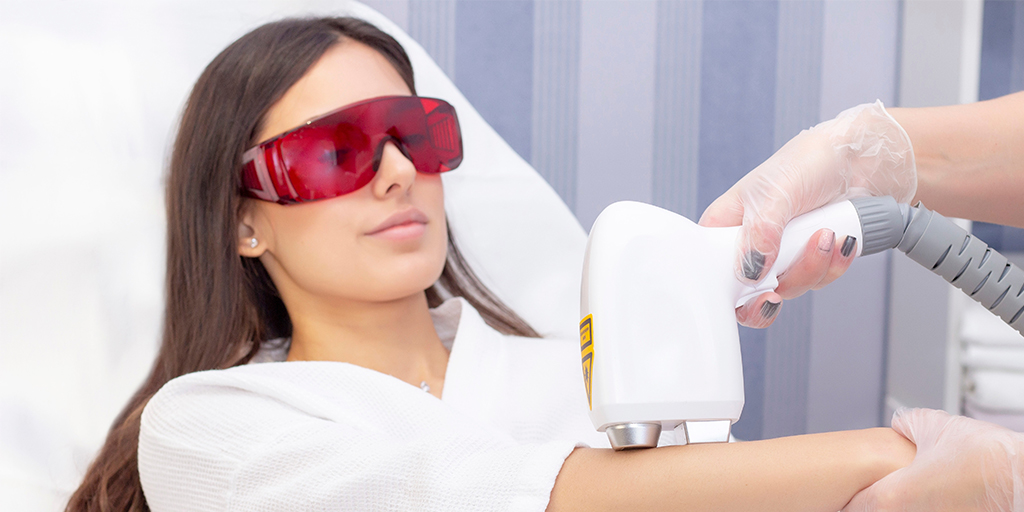
- Preparation of the treatment area: The skin is cleansed, and any remaining surface hair may be removed if required. You will also be provided with protective eyewear to shield your eyes from the laser light.
- Laser treatment: The laser device is applied to the treatment area, delivering controlled pulses of light that target the hair follicles. Depending on the size of the area being treated, the procedure may take anywhere from a few minutes to about an hour.
- Post-treatment care: Once the session is complete, the dermatologist examines the treated area and provides personalised aftercare instructions, including how to care for your skin and when to schedule your next session.
Most individuals can return to their usual daily activities shortly after treatment, although temporary redness or mild skin sensitivity may occur. Following the recommended aftercare instructions can help support a smooth recovery and optimise treatment outcomes.
Does Laser Hair Removal Hurt?
One of the most common concerns about laser hair removal is whether the procedure is painful. While the experience varies from person to person, most individuals describe the sensation as mild and well tolerated.
During the treatment, you may experience:
- A warm or tingling sensation as the laser delivers controlled pulses of light to the hair follicles.
- A brief snapping feeling, often compared to the flick of a small elastic band against the skin.
- Mild discomfort in sensitive areas, such as the upper lip, bikini line, or underarms, where the skin is naturally more sensitive.
The level of discomfort depends on several factors, including the treatment area, individual pain tolerance, hair thickness, and the type of laser used. Modern laser systems are equipped with cooling mechanisms that help protect the skin and improve comfort during the procedure.
Recovery and Aftercare Following Your First Session
Most individuals experience minimal downtime after laser hair removal and can resume their normal daily activities shortly after the procedure. However, the treated skin may remain sensitive for a short period, making proper aftercare important for supporting healing and reducing the risk of irritation.
After your first session, your dermatologist may recommend the following:
- Protect the treated area from sun exposure by avoiding direct sunlight and applying a broad-spectrum sunscreen with SPF 30 or higher when the area is exposed.
- Keep the skin cool and moisturised by using gentle, fragrance-free moisturisers or soothing products recommended by your dermatologist.
- Avoid hot showers, saunas, steam rooms, and strenuous exercise for the first 24 to 48 hours, as excessive heat may increase skin irritation.
- Do not wax, thread, or pluck the treated hair, as the hair follicles need to remain undisturbed between treatment sessions. Shaving is usually permitted if required.
- Avoid harsh skincare products, including exfoliants, retinoids, or products containing strong acids, on the treated area until the skin has fully recovered.
It is also normal for treated hairs to shed gradually over the following one to three weeks. This is a natural part of the treatment process and should not be mistaken for new hair growth. If you experience persistent redness, blistering, significant swelling, or any unexpected skin reaction, contact the treating dermatologist promptly for further evaluation.
Possible Risks and Side Effects of Laser Hair Removal
Laser hair removal is generally considered a safe procedure when performed by an experienced dermatologist using appropriate laser technology. Like any cosmetic treatment, however, it may cause temporary side effects, and in rare cases, complications can occur.
Common Side Effects
The following reactions are usually mild and resolve on their own within a few hours to a few days:
- Redness and mild swelling around the treated hair follicles.
- A warm or sunburn-like sensation immediately after the procedure.
- Temporary skin sensitivity, including mild tenderness or itching in the treated area.
Less Common Side Effects
Although uncommon, some individuals may experience:
- Temporary changes in skin pigmentation, where the treated skin becomes slightly lighter or darker than the surrounding area.
- Blistering or crusting, particularly if aftercare instructions are not followed or the skin has been exposed to excessive sunlight
- Scarring, which is rare and is more likely to occur if the skin develops a severe reaction or becomes infected.
Most side effects can be minimised by following the recommended pre-treatment and aftercare instructions and protecting the treated skin from sun exposure. At Graphic Era Hospital, laser hair removal is performed by experienced dermatologists who tailor the treatment to your skin type, hair characteristics, and individual needs, helping ensure the procedure is both safe and effective.
Number of Laser Hair Removal Sessions Required
Laser hair removal is not a one-time treatment and can vary from person to person. Most individuals require multiple sessions to achieve noticeable and long-lasting hair reduction, as each session targets a different group of actively growing hair follicles. The number of sessions depends on several factors, including:
- The treatment area, as some parts of the body respond more quickly than others.
- Hair colour and thickness, with darker, coarser hair generally responding more effectively to laser treatment.
- Skin tone, which influences the choice of laser technology and treatment settings.
- Hormonal factors, as certain hormonal conditions may affect hair growth and require additional sessions.
- Individual response to treatment, since hair reduction occurs at different rates for different people.
Most treatment plans involve multiple sessions spaced several weeks apart to coincide with the natural hair growth cycle. Even after completing the initial course of treatment, some individuals may benefit from occasional maintenance sessions to help manage future hair growth.
When Should Laser Hair Removal Be Delayed or Avoided?
Laser hair removal may need to be postponed or avoided in the following situations:
- An active skin infection, rash, or open wound in the treatment area.
- Recent tanning or sunburn, which may increase the risk of side effects.
- Use of medications that increase sensitivity to light, unless your dermatologist advises otherwise.
- Recent skin treatments, such as chemical peels or skin resurfacing, where the skin has not fully healed.
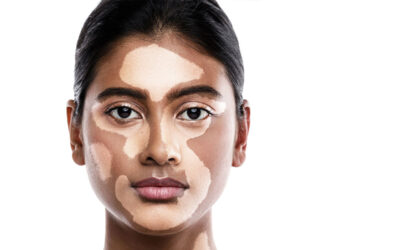
- Certain skin conditions, such as active vitiligo, which require careful evaluation before treatment.
- Pregnancy, as laser hair removal is generally postponed due to limited evidence regarding its safety during pregnancy.
If any of these situations apply to you, consult an experienced dermatologist before undergoing laser hair removal. A detailed skin assessment helps determine whether the treatment is appropriate or whether it should be delayed until your skin is ready for the procedure.
Choosing a Hospital-Based Laser Hair Removal
Receiving laser hair removal at a hospital means the procedure is carried out under medical supervision, with the treatment tailored to the patient’s skin type, hair characteristics, and individual needs. At Graphic Era Hospital, a trusted Laser treatment centre in Dehradun, the Department of Dermatology provides laser hair removal services under the supervision of experienced dermatologists. Each treatment begins with a detailed skin assessment to evaluate the patient’s skin type, hair texture and growth pattern, medical history, and treatment goals, helping the dermatologist determine the most suitable treatment approach.
Using advanced laser technology and a personalised approach, we strive to deliver safe, effective care while prioritising patient comfort and long-term treatment outcomes.If you are considering laser hair removal, consult the experienced dermatologists at Graphic Era Hospital to determine whether the treatment is right for you. Book an appointment today to receive a comprehensive skin assessment and a personalised treatment plan designed to help you achieve safe and long-lasting hair reduction.
Frequently Asked Questions
How does laser hair removal work?
Laser hair removal uses concentrated beams of light to target the pigment (melanin) in the hair. The absorbed light energy is converted into heat, which damages the hair follicle and reduces its ability to produce new hair over time. Since hair grows in different stages, multiple sessions are usually required to achieve long-term hair reduction.
Is laser hair removal safe?
Yes, laser hair removal is generally considered safe when performed by an experienced dermatologist using appropriate laser technology. Before treatment, the dermatologist assesses your skin type, hair characteristics, and medical history to minimise the risk of side effects and determine the most suitable treatment approach. Individuals with active skin rashes, infections, or certain skin conditions may require evaluation or treatment before undergoing laser hair removal.
Is laser hair removal permanent?
Laser hair removal provides long-term hair reduction rather than permanent hair removal. Many individuals experience a significant reduction in hair growth after completing the recommended treatment sessions, although occasional maintenance treatments may be required depending on factors such as hair type, treatment area, and hormonal influences.
Is laser hair removal painful?
Most individuals tolerate laser hair removal well. The treatment is commonly described as producing a mild snapping or warm sensation on the skin, similar to the flick of a small elastic band. Modern laser systems often include cooling technology to improve comfort during the procedure.
How many laser hair removal sessions are needed?
The number of sessions varies depending on the treatment area, hair thickness, hair colour, skin type, and individual response to treatment. Most people require multiple sessions, spaced several weeks apart, to achieve optimal long-term hair reduction. Your dermatologist will recommend a personalised treatment plan after assessing your skin and hair characteristics.
What should I do before my first laser hair removal session?
Before your appointment, you should avoid waxing, threading, or plucking the treatment area, limit sun exposure, and follow any preparation instructions provided by your dermatologist. You may also be advised to shave the treatment area before the procedure. Inform your dermatologist about any medications, recent skin treatments, or underlying medical conditions during your consultation.
Can I shave before laser hair removal?
Yes. In most cases, shaving is recommended before laser hair removal because it removes hair above the skin while leaving the hair follicle intact for the laser to target. Your dermatologist will advise you when to shave based on the treatment area and the type of laser being used.
Can I wax before laser hair removal?
No. Waxing, threading, and plucking remove the hair from the follicle, making the treatment less effective because the laser needs the hair follicle to be present. Your dermatologist will advise you how long to avoid these hair removal methods before treatment.
What should I avoid after laser hair removal?
After treatment, avoid direct sun exposure, hot showers, saunas, steam rooms, strenuous exercise, and harsh skincare products for the period recommended by your dermatologist. You should also avoid waxing or plucking treated hair between sessions, although shaving is generally permitted if needed.
How long does it take to see results from laser hair removal?
Hair does not disappear immediately after treatment. The treated hair usually sheds naturally over the following one to three weeks, and noticeable hair reduction becomes more apparent as additional treatment sessions are completed. Individual results vary depending on the treatment area and hair growth pattern.
Is laser hair removal safe for the face?
Yes, laser hair removal can be safely performed on facial areas such as the upper lip, chin, sideburns, and jawline when carried out by an experienced dermatologist. Since facial skin is more delicate and hormonal factors may influence hair growth, a detailed skin assessment helps determine the most appropriate treatment approach.
What are the side effects of laser hair removal?
Temporary redness, mild swelling, and slight skin sensitivity are the most common side effects and usually resolve within a few hours to a few days. Less commonly, temporary changes in skin pigmentation or blistering may occur. Seeking treatment at the best dermatology (Skin) hospital in Dehradun, under the care of experienced dermatologists, helps ensure the procedure is performed safely with appropriate precautions.
Is laser hair removal suitable for all skin types?
Advances in laser technology have made laser hair removal suitable for a wide range of skin tones and hair types. However, the choice of laser and treatment settings must be tailored to each individual. People with conditions such as vitiligo, active skin infections, or inflammatory skin disorders require a thorough evaluation before treatment. The experienced dermatologists at Graphic Era Hospital, a trusted centre for laser hair removal in Dehradun, assess the patient’s skin condition and medical history to determine whether the treatment is suitable.














 Emergency 24×7 : 1800 889 7351