
World Arthritis Day 2026: Raising Awareness for Joint Health

Joint pain and stiffness can make everyday activities, from walking and working to getting dressed, increasingly difficult. Yet arthritis is often dismissed as a normal part of ageing, delaying the diagnosis and care that could help protect joint function. Observed on 12 October, World Arthritis Day 2026 encourages greater awareness of arthritis, early recognition of symptoms and timely treatment. It also serves as a reminder that the condition can affect people of all ages and that the right medical care, regular movement and healthy lifestyle choices can help many people manage symptoms and remain active.
Why World Arthritis Day Matters
World Arthritis Day is observed every year on 12 October to raise awareness about arthritis and other conditions that affect the joints, muscles and bones. Established in 1996 by Arthritis and Rheumatism International, the day brings together patients, families, healthcare professionals and support organisations worldwide.
The day encourages people not to ignore ongoing joint pain, swelling or stiffness. Recognising these symptoms and seeking medical advice early can help people begin the right treatment, protect joint function and reduce the risk of long-term disability.
It also challenges the misconception that arthritis affects only older adults. Certain forms can develop in young adults and children as well. By improving awareness and access to treatment, rehabilitation and ongoing support, the day reinforces a shared commitment to helping people with arthritis remain active and live well.
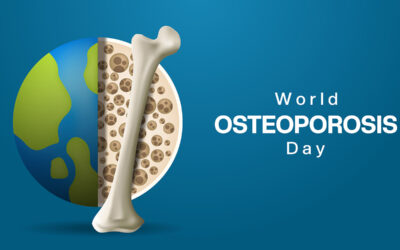
Read More: Osteoporosis: Early Warning Signs, Causes, and Treatment
World Arthritis Day 2026 Theme: Achieve Your Dreams
The official theme for World Arthritis Day 2026 is “Achieve Your Dreams,” continuing the campaign introduced in 2025. This theme shines a light on the hopes, goals, and resilience of people living with arthritis and other rheumatic and musculoskeletal diseases (RMDs). It highlights that, with timely diagnosis, effective treatment, and the right support systems, individuals can continue to pursue their aspirations despite the challenges of living with arthritis.
The campaign encourages patients to share their personal stories and dreams, while calling on healthcare professionals, policymakers, and communities to ensure access to better care and resources. By focusing on possibilities rather than limitations, the theme inspires positivity and reminds society that collective action can help people with arthritis live fuller, more empowered lives.
What are the Early Signs and Symptoms of Arthritis?
While symptoms can vary depending on the type of arthritis, some common indicators include:
- Chronic pain: Persistent joint pain, especially in the knees, hips, hands, or spine, is one of the earliest symptoms. The pain may worsen with activity or towards the end of the day.
- Swelling: Inflamed joints may appear swollen, warm to touch, or tender, indicating underlying inflammation.
- Stiffness: Morning stiffness lasting more than 30 minutes is a common sign of inflammatory arthritis such as rheumatoid arthritis.
- Skin redness: Some joints may show visible redness or warmth, pointing to active inflammation.
- Limited range of motion: Difficulty moving joints freely or reduced flexibility in everyday tasks, such as walking or climbing stairs, may suggest the onset of arthritis.
Read More: What is a Tennis Elbow?
What are the Different Types of Arthritis?
Arthritis is not a single condition but a group of disorders that affect the joints in different ways. Here are the types of arthritis that can help in recognising symptoms and seeking appropriate treatment:
Osteoarthritis (OA)
Often called wear-and-tear arthritis, OA occurs when the protective cartilage covering the ends of bones breaks down over time. It commonly affects weight-bearing joints such as the knees and hips, leading to stiffness, swelling, and knee pain.
Rheumatoid Arthritis (RA)
Rheumatoid Arthritis is an autoimmune condition where the immune system mistakenly attacks the lining of the joints. This results in inflammation, joint deformity, and long-term disability if not managed early. It often affects smaller joints such as those in the hands and feet.
Infectious Arthritis
Also known as septic arthritis, this form is caused by bacterial, viral, or fungal infections spreading to the joint. It develops suddenly, leading to severe pain, swelling, and fever, and requires urgent medical treatment.
Gout (Metabolic Arthritis)
Gout results from the buildup of uric acid crystals in the joints, most often in the big toe. It causes sudden, severe episodes of pain, redness, and swelling, sometimes referred to as “gout attacks.”
How is Arthritis Diagnosed and Treated?
Accurate diagnosis is the foundation of effective arthritis treatment. Since joint pain can result from many conditions, doctors use a combination of clinical evaluation, medical history, and diagnostic tests to confirm arthritis.
Clinical evaluation
A joint pain doctor examines the affected joints for swelling, warmth, redness, and range of motion. They may also check for stiffness and tenderness to assess the severity of the condition.
Medical history
Information about family history, lifestyle habits, previous injuries, and the duration of symptoms helps in identifying risk factors for arthritis.
Diagnostic test
- Blood tests: Used to detect markers of inflammation, infections, or autoimmune activity, especially in rheumatoid arthritis.
- Imaging tests: X-rays, ultrasound and MRI scans may help assess cartilage loss, inflammation and structural changes within the joint.
Treatment options
- Medications: Anti-inflammatory drugs, pain relievers, and disease-modifying drugs (for RA) are commonly prescribed.
- Physiotherapy and rehabilitation: Helps improve mobility, strengthen supporting muscles, and reduce stiffness.
- Lifestyle adjustments: Regular exercise, a balanced diet and healthy weight management may help reduce unnecessary strain on the joints.
- Surgical options: When arthritis causes severe joint damage and other treatments no longer provide adequate relief, joint replacement surgery may be considered.
What are the Advanced and Emerging Treatments for Arthritis?
Advances in arthritis care have made it possible to target inflammation more precisely, slow joint damage and manage symptoms more effectively. However, the right arthritis treatment depends on the type of arthritis, its severity, the joints affected and the patient’s overall health. Some of the following treatments are established for specific conditions, while others are still being studied.
Biologic and Biosimilar Medicines
Biologics are disease-modifying antirheumatic drugs, or DMARDs, that target specific parts of the immune system responsible for inflammation. Doctors may prescribe them for inflammatory conditions such as rheumatoid arthritis, psoriatic arthritis and ankylosing spondylitis when conventional medicines do not provide adequate control.
These medicines can reduce inflammation, slow disease progression and lower the risk of joint damage. Biosimilars are highly similar to already-approved biologic medicines and offer comparable quality, safety and effectiveness, often at a lower cost. Both require specialist supervision and regular monitoring.
Targeted Synthetic DMARDs
Targeted synthetic DMARDs, including Janus kinase or JAK inhibitors, block specific signals involved in inflammation. These medicines are usually taken as tablets and may be considered for certain patients with rheumatoid arthritis or other inflammatory forms of arthritis. As they affect the immune system, doctors carefully assess the patient’s health risks and monitor treatment.
Platelet-Rich Plasma Therapy
Platelet-rich plasma, or PRP, therapy uses a concentrated preparation of platelets taken from the patient’s own blood. A doctor injects it into the affected joint with the aim of reducing pain and supporting the body’s natural healing response.
PRP may improve pain and function in some people with knee osteoarthritis, but research findings remain inconsistent. It has not been conclusively shown to regrow cartilage or stop arthritis from progressing, so its suitability should be discussed with an orthopaedic specialist.
Hyaluronic Acid Injections
Hyaluronic acid injections, also known as viscosupplementation, involve injecting a gel-like substance into the affected joint. They may provide temporary pain relief and improve movement in some patients with knee osteoarthritis.
However, the results vary, and clinical guidelines do not recommend these injections routinely for every patient or affected joint. A specialist considers the joint involved, the severity of arthritis and previous treatments before recommending them.
Stem Cell Therapy
Stem cell therapy is being studied for its possible role in treating osteoarthritis, but it is not an established standard treatment. Current evidence does not confirm that stem cell injections can reliably rebuild damaged cartilage or provide lasting improvement. Patients should therefore be cautious of claims that present stem cell therapy as a proven cure or an alternative to recommended treatment.
Gene Therapy
Researchers are exploring whether gene therapy could control inflammation or support cartilage repair by modifying specific genetic processes within the joint. However, this approach remains experimental and is not currently part of routine arthritis care. Further research is needed to establish its long-term safety and effectiveness.
What Lifestyle Changes and Home Remedies Can Help Manage Arthritis?
Along with medical treatment, a balanced diet, regular exercise, physiotherapy and simple home remedies may help manage joint pain and stiffness. Here are some practical diet tips and everyday measures that can support mobility and joint health.
Diet and nutrition for joint health
Eating foods with anti-inflammatory properties such as turmeric, ginger, garlic, leafy greens, and omega-3 rich sources like fish or flaxseeds may reduce joint swelling and pain. Calcium and vitamin D from dairy products, ragi, and fortified cereals strengthen bones and support mobility.
Recommended exercises
Low-impact activities including walking, yoga, and swimming enhance flexibility while reducing stiffness. Strengthening surrounding muscles also protects the joints from further wear and tear.
Physiotherapy for arthritis relief
Physiotherapy can support arthritis management by improving mobility, flexibility and muscle strength while helping reduce stiffness.
How Can We Prevent Arthritis or Slow its Progression?
Arthritis cannot always be avoided, especially when caused by ageing or genetic factors, but adopting the right habits can reduce risks and slow its progression. Preventive care plays a major role in protecting long-term joint health, such as:
Healthy weight management
Excess body weight puts added pressure on weight-bearing joints such as the knees and hips. Maintaining a healthy weight reduces strain and lowers the chances of developing osteoarthritis.
Avoiding joint injuries
Protecting joints during sports, exercise, or daily activities helps prevent early wear and tear. Using proper techniques when lifting heavy objects and wearing supportive footwear are simple yet effective measures.
Early screening and preventive care
Recognising symptoms such as persistent joint pain or stiffness and seeking medical advice early allows timely intervention. Regular check-ups with a rheumatologist or orthopaedic doctor can help detect arthritis at an early stage, when treatment is most effective.
How is World Arthritis Day Observed Globally and in India?
The day unites healthcare organisations, advocacy groups, and communities to promote awareness and encourage early care. Activities and campaigns are held across different settings to educate people, support patients, and highlight the importance of joint health at every stage of life. Common activities include:
Awareness Campaigns
Educational drives, social media campaigns, and public talks spread knowledge about the early signs of arthritis, prevention tips, and the importance of timely diagnosis.
Hospital Events and Health Check-up Camps
Hospitals and medical centres organise free screening camps, seminars, and patient support sessions to provide access to diagnosis and advice from specialists.
Initiatives by arthritis foundations and NGOs
Advocacy groups and non-governmental organisations conduct workshops, community outreach programmes and online campaigns to share helpful resources and patient stories, building greater awareness and support.
Through these combined efforts, World Arthritis Day raises global awareness while strengthening local support for patients and their families.
Why Choose Graphic Era Hospital for Arthritis Care in Dehradun?
At Graphic Era Hospital, arthritis care is designed to address the diverse needs of patients through expert diagnosis, advanced treatment, and long-term management. The hospital combines medical expertise with modern facilities to ensure effective and compassionate care. At Graphic Era Hospital, we provide:
Experienced Rheumatologists and Orthopaedic Doctors
At Graphic Era Hospital, arthritis care is led by a team of highly experienced rheumatologists and orthopaedic doctors who specialise in diagnosing and treating both common and complex forms of the condition. From managing age-related osteoarthritis and autoimmune disorders such as rheumatoid arthritis to addressing metabolic conditions like gout, the specialists create personalised treatment plans tailored to each patient’s needs.
Advanced Diagnostics and Treatment Options
The hospital is equipped with state-of-the-art diagnostic facilities, including blood tests, X-rays, ultrasound, and MRI scans, to detect arthritis at an early stage and track disease progression with precision. Alongside advanced imaging, patients have access to modern therapies ranging from medicines and joint injections to minimally invasive procedures that relieve pain and restore function.
Comprehensive Physiotherapy and Rehabilitation Services
Arthritis management goes beyond medicines, and rehabilitation plays a vital role in improving daily life. At Graphic Era Hospital, physiotherapy programmes are designed to strengthen muscles around the joints, enhance flexibility, and correct posture. Specialised rehabilitation services focus on reducing pain, restoring mobility, and helping patients adapt to lifestyle changes, enabling them to stay active and independent.
Let’s Take Action Against Arthritis Together!
World Arthritis Day reminds us that joint health is vital for mobility, independence, and overall quality of life. By recognising the early signs, promoting awareness, and encouraging preventive habits, this day empowers people to take arthritis seriously and seek timely care. At Graphic Era Hospital, Dehradun, patients receive comprehensive arthritis management with expert rheumatologists or orthopaedic doctors, advanced diagnostics, and tailored rehabilitation programmes designed to reduce pain and improve daily living. To consult an arthritis specialist and take proactive steps for healthier joints, call 1800-889-7351 today.
Frequently Asked Questions
What are the first signs of arthritis to look out for?
Common early signs include persistent joint pain, swelling, stiffness (especially in the morning), redness, and reduced flexibility or range of motion.
Can arthritis be cured permanently?
While there is no permanent cure, arthritis can be effectively managed with medicines, physiotherapy, lifestyle changes, and in some cases, surgery.
Which type of arthritis is most common?
Osteoarthritis is the most common form, usually linked to ageing and wear-and-tear of joints such as the knees and hips.
What foods help reduce arthritis pain?
Anti-inflammatory foods such as turmeric, ginger, garlic, leafy greens, and omega-3 rich sources like fish and flaxseeds may help reduce joint pain and stiffness.
What is the best exercise for arthritis relief?
Low-impact exercises like walking, swimming, and yoga are generally effective. A physiotherapist can recommend customised routines based on individual needs.
How can I book a consultation for arthritis treatment at Graphic Era Hospital, Dehradun?
Booking a consultation is simple. Patients can call 1800-889-7351 to schedule an appointment with an orthopaedic doctor at Graphic Era Hospital, Dehradun. The hospital provides comprehensive arthritis care, including diagnosis, treatment, and rehabilitation services.
What are the latest treatment options for arthritis?
Advanced options include biologics, biosimilars and targeted synthetic DMARDs for inflammatory arthritis. PRP or hyaluronic acid injections may be considered for selected patients, while stem cell and gene therapies remain experimental.
What is the theme of World Arthritis Day 2026?
The World Arthritis Day 2026 theme is “Achieve Your Dreams,” continuing the campaign introduced in 2025. It highlights how timely diagnosis, appropriate treatment and greater support can help people with arthritis pursue their goals.















 Emergency 24×7 : 1800 889 7351