High Blood Pressure in Young Adults: Causes and Prevention
Key Takeaways
- High blood pressure is no longer just a condition of older adults. Increasingly, people in their 20s and 30s are being diagnosed with hypertension often before they experience any symptoms.
- Unhealthy lifestyle habits, obesity, chronic stress, family history, and certain medical conditions can increase the risk of hypertension.
- If left unnoticed, high blood pressure can increase the risk of heart disease, stroke, kidney disease, and other serious health complications.
- Early diagnosis through regular blood pressure monitoring and timely medical evaluation plays a key role in preventing long-term complications.
- Healthy lifestyle changes, such as a balanced diet, regular exercise, stress management, and adequate sleep, can help prevent and manage high blood pressure.
- Individuals with persistently elevated blood pressure or symptoms suggestive of hypertension should consult a cardiologist for appropriate evaluation and treatment.
High blood pressure has long been considered a condition that mainly affects older adults. However, that is no longer the case. Today, more individuals in their 20s and 30s are being diagnosed with high blood pressure, often during a routine health check-up and before they experience any noticeable symptoms.
This can feel worrying, especially because high blood pressure may quietly affect the heart, blood vessels, kidneys, and other organs over time if it is not properly managed. However, a diagnosis does not mean that serious complications are inevitable. When detected early, hypertension can often be controlled through lifestyle changes, regular monitoring, and the right medical care.
Understanding what may be causing your blood pressure to rise is an important first step. In this article, we’ll explain the common causes and symptoms of high blood pressure in young adults, the health risks associated with it, available treatment options, and practical ways to prevent hypertension and protect long-term heart health.
What is High Blood Pressure?
High blood pressure, also known as hypertension, is a condition in which the force of blood flowing through the arteries remains consistently higher than normal. Over time, this increased pressure can place extra strain on the heart and blood vessels, increasing the risk of serious health conditions if left untreated.
Blood pressure is measured in millimetres of mercury (mmHg) using two numbers: systolic pressure, which reflects the pressure when the heart pumps blood, and diastolic pressure, which reflects the pressure when the heart relaxes between beats. According to current clinical guidelines, blood pressure is generally classified as:
- Normal: Less than 120/80 mmHg
- Elevated: Systolic 120–129 mmHg and diastolic less than 80 mmHg
- High Blood Pressure (Hypertension): 130/80 mmHg or higher, based on repeated blood pressure measurements and clinical evaluation
High blood pressure often develops gradually and may not cause noticeable symptoms in its early stages. Because of this, it is commonly referred to as a “silent condition,” making regular blood pressure checks important for early detection.
Common Causes of High Blood Pressure in Young Adults
High blood pressure in young adults can develop due to a combination of lifestyle habits, family history, and certain underlying medical conditions. While some people may have a higher genetic predisposition, many cases are associated with modifiable risk factors. Understanding these causes can help individuals make informed lifestyle choices and seek timely medical care when needed. Some of the common causes and risk factors include:
Sedentary Lifestyle and Lack of Physical Activity
A physically inactive lifestyle can contribute to weight gain, reduced cardiovascular fitness, and poor heart health, all of which may increase the risk of developing high blood pressure. Regular physical activity plays an important role in maintaining healthy blood pressure levels.
Unhealthy Diet
Eating a diet high in salt, processed foods, unhealthy fats, and added sugars can contribute to elevated blood pressure. Excess sodium causes the body to retain more fluid, increasing the pressure within the blood vessels.
Chronic Stress
Stress does not always cause long-term hypertension on its own, but ongoing stress may contribute to temporary increases in blood pressure and unhealthy coping habits such as poor eating patterns, smoking, alcohol consumption, or inadequate sleep, which can increase the risk over time.
Overweight and Obesity
Being overweight or obese increases the workload on the heart and is one of the most common risk factors for high blood pressure. It is also closely associated with other conditions, such as diabetes and metabolic syndrome, which can further increase cardiovascular risk.
Smoking and Excessive Alcohol Consumption
Smoking damages blood vessels and contributes to the narrowing of arteries, while excessive alcohol intake can raise blood pressure and increase the risk of heart disease. Avoiding tobacco products and limiting alcohol consumption can help improve overall heart health.
Family History
Individuals with a family history of high blood pressure may be more likely to develop the condition, particularly if close relatives have hypertension at a younger age. Although genetic factors cannot be changed, maintaining a healthy lifestyle may help reduce the overall risk.
Underlying Medical Conditions
In some young adults, high blood pressure may be linked to underlying health conditions such as kidney disease, thyroid disorders, obstructive sleep apnoea, or certain hormonal disorders. Some medications may also contribute to elevated blood pressure. Identifying and treating the underlying cause is an important part of managing hypertension in these individuals.
Hypertension Symptoms to Watch For
High blood pressure is often referred to as a “silent condition” because many people do not experience any noticeable symptoms, particularly in its early stages. However, when blood pressure rises to very high levels, some individuals may experience symptoms such as:
- Persistent or severe headaches
- Dizziness or light-headedness
- Blurred vision or other vision changes
- Shortness of breath
- Chest pain or discomfort
- Palpitations or an irregular heartbeat
- Frequent nosebleeds (in some cases)
- Unexplained fatigue
These symptoms should not be ignored and require prompt medical evaluation.
Long-Term Health Risks of Untreated High Blood Pressure
When high blood pressure remains uncontrolled over time, it can gradually damage the blood vessels and place extra strain on the heart and other vital organs. Without appropriate treatment, hypertension can increase the risk of several serious health conditions, including:
- Heart disease: Uncontrolled blood pressure can strain the heart, increasing the risk of coronary artery disease, heart failure, and heart attack.
- Stroke: Persistently high blood pressure can damage or weaken blood vessels supplying the brain, increasing the risk of stroke.
- Kidney disease: High blood pressure can damage the small blood vessels in the kidneys, affecting their ability to filter waste from the blood effectively.
- Vision problems: Damage to the blood vessels in the eyes may lead to blurred vision or other vision-related complications.
- Peripheral artery disease: High blood pressure can contribute to narrowing of the arteries, reducing blood flow to the arms and legs.
Delays in diagnosing and treating high blood pressure can increase the risk of these complications. Regular health check-ups, early diagnosis, and appropriate treatment can help control blood pressure and reduce the risk of long-term health problems.
Diagnosis of High Blood Pressure
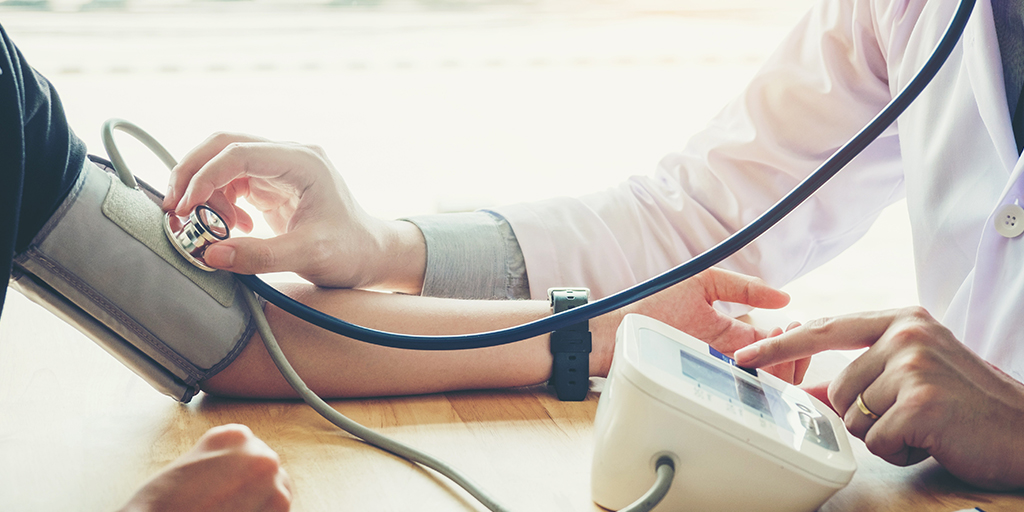
High blood pressure is usually diagnosed by measuring blood pressure using a blood pressure monitor. Since blood pressure can fluctuate throughout the day due to factors such as physical activity, stress, or caffeine intake, the diagnosis is generally based on multiple readings taken on different occasions rather than a single measurement.
Based on an individual’s age, symptoms, medical history, and overall health, the treating doctor may recommend additional tests to confirm the diagnosis, identify possible underlying causes, and assess whether high blood pressure has affected other organs.
Blood Pressure Measurement
This is the primary method used to diagnose high blood pressure. Blood pressure is measured using an inflatable cuff placed around the upper arm. Multiple readings may be taken during the same visit or over several appointments to determine whether blood pressure remains consistently elevated.
Home or Ambulatory Blood Pressure Monitoring
In some cases, the treating doctor may recommend monitoring blood pressure at home or using a 24-hour ambulatory blood pressure monitor. These methods provide a more accurate picture of blood pressure throughout the day and help identify conditions such as white coat hypertension, where blood pressure rises temporarily in a clinical setting.
Blood and Urine Tests
Blood and urine tests may be recommended to assess kidney function, blood sugar levels, cholesterol levels, and other factors that may contribute to high blood pressure or increase the risk of cardiovascular disease.
Electrocardiogram (ECG)
An electrocardiogram records the electrical activity of the heart and may help identify an irregular heartbeat, previous heart damage, or other cardiac conditions associated with long-standing high blood pressure.
Echocardiogram
If there is concern that high blood pressure has affected the heart, an echocardiogram may be advised. This ultrasound examination provides detailed images of the heart and helps evaluate its structure and pumping function.
At Graphic Era Hospital, patients with suspected high blood pressure undergo a comprehensive cardiac evaluation using advanced diagnostic facilities to confirm the diagnosis, identify underlying causes, and assess overall cardiovascular health.
Treatment for High Blood Pressure in Young Adults
The treatment of high blood pressure depends on several factors, including the blood pressure level, age, overall health, the presence of underlying medical conditions, and the individual’s risk of developing cardiovascular disease. While many young adults can effectively manage their blood pressure through healthy lifestyle changes, some may also require medication to achieve and maintain healthy blood pressure levels.
Common treatment approaches include:
Lifestyle Modifications
Lifestyle changes are often the first step in managing high blood pressure, particularly in individuals with mild hypertension. Adopting healthier habits can help lower blood pressure and reduce the risk of future heart disease. These may include following a balanced diet, reducing salt intake, maintaining a healthy weight, engaging in regular physical activity, managing stress, limiting alcohol consumption, and avoiding tobacco products.
Medications
If lifestyle changes alone are not sufficient or blood pressure is significantly elevated, the treating doctor may prescribe antihypertensive medications. The choice of medication depends on factors such as the individual’s age, blood pressure readings, underlying medical conditions, and overall cardiovascular risk. It is important to take prescribed medicines as directed and continue regular follow-up to monitor blood pressure control.
Management of Underlying Conditions
In some young adults, high blood pressure develops as a result of an underlying medical condition such as kidney disease, thyroid disorders, obstructive sleep apnoea, or certain hormonal disorders. In these cases, treatment also focuses on identifying and managing the underlying cause alongside controlling blood pressure.
At Graphic Era Hospital, experienced cardiologists provide comprehensive evaluation and personalised treatment for high blood pressure. Using advanced diagnostic facilities and an evidence-based approach, the team develops individualised treatment plans to help individuals achieve better blood pressure control and reduce the risk of long-term cardiovascular complications.
Preventing High Blood Pressure in Young Adults
Although some risk factors, such as age and family history, cannot be changed, many cases of high blood pressure can be prevented or delayed through healthy lifestyle choices. Adopting heart-healthy habits early in life can help maintain normal blood pressure and reduce the risk of cardiovascular disease in the future. Some practical steps that can help prevent high blood pressure include:
- Follow a heart-healthy diet: Eat plenty of fruits, vegetables, whole grains, lean proteins, and low-fat dairy products while limiting foods high in salt, saturated fats, and added sugars.
- Stay physically active: Aim for at least 150 minutes of moderate-intensity physical activity each week, such as brisk walking, cycling, or swimming, unless advised otherwise by a healthcare professional.
- Maintain a healthy weight: Achieving and maintaining a healthy body weight helps reduce strain on the heart and lowers the risk of developing hypertension.
- Reduce salt intake: Limiting sodium consumption can help maintain healthy blood pressure and support overall cardiovascular health.
- Manage stress: Practising relaxation techniques, mindfulness, regular exercise, and maintaining a healthy work-life balance can help support emotional well-being and heart health.
- Get adequate sleep: Poor sleep and untreated sleep disorders have been linked to an increased risk of high blood pressure. Aim for consistent, good-quality sleep each night.
- Avoid tobacco and limit alcohol consumption: Not smoking and moderating alcohol intake can significantly reduce the risk of hypertension and other cardiovascular diseases.
- Monitor blood pressure regularly: Routine blood pressure screening is especially important for individuals with a family history of hypertension or other cardiovascular risk factors, as it helps detect changes before complications develop.
Even with healthy lifestyle habits, regular medical care remains important. Routine blood pressure screening, timely consultation with a doctor, and a full body health check-up when appropriate can help detect high blood pressure and other underlying health conditions at an early stage.
Take Charge of Your Heart Health
High blood pressure can affect people of all ages, including young adults, and often develops without noticeable symptoms. Early diagnosis, appropriate treatment, and healthy lifestyle changes can help control blood pressure and reduce the risk of serious complications such as heart disease, stroke, and kidney disease.
At Graphic Era Hospital, our experienced cardiologists provide comprehensive evaluation and personalised care for individuals with high blood pressure and other heart-related conditions. Supported by advanced diagnostic facilities and a multidisciplinary approach, the team works closely with each patient to develop an individualised treatment plan based on their health needs.
If you have persistently high blood pressure readings, a family history of hypertension, or symptoms that may indicate high blood pressure, don’t delay seeking medical advice. Schedule a consultation with a cardiologist at Graphic Era Hospital. Call at 1800 889 7351.
Frequently Asked Questions
What causes high blood pressure in young adults?
High blood pressure in young adults can result from a combination of factors, including an unhealthy diet, physical inactivity, obesity, smoking, excessive alcohol consumption, chronic stress, poor sleep, family history, and certain underlying medical conditions such as kidney or hormonal disorders. Identifying the underlying cause is important for planning appropriate treatment and preventing long-term complications.
Can a young person have high blood pressure without symptoms?
Yes. High blood pressure often develops without causing noticeable symptoms, especially in its early stages. Many young adults are diagnosed during regular heart checkups or routine medical examinations before any complications develop.
What are the early signs of high blood pressure?
Most people with high blood pressure do not experience symptoms. However, when blood pressure becomes significantly elevated, some individuals may develop persistent headaches, dizziness, blurred vision, shortness of breath, chest discomfort, or palpitations. These symptoms can also occur due to other conditions, so a medical evaluation is recommended for an accurate diagnosis.
Can stress cause high blood pressure?
Stress may cause temporary increases in blood pressure. Although stress alone does not usually cause long-term hypertension, ongoing stress can contribute to unhealthy lifestyle habits that increase the risk of developing high blood pressure. Healthy stress management techniques, such as regular exercise, adequate sleep, relaxation exercises, and mindfulness, can support overall heart health.
Does lack of sleep increase blood pressure?
Poor sleep and certain sleep disorders, such as obstructive sleep apnoea, have been associated with an increased risk of developing high blood pressure. Maintaining good sleep habits and seeking medical advice for persistent sleep problems can help support healthy blood pressure levels.
Can obesity cause high blood pressure in young adults?
Yes. Obesity is one of the most common risk factors for high blood pressure in young adults. Excess body weight increases the workload on the heart and is often associated with other conditions, such as diabetes and high cholesterol, which can further increase cardiovascular risk.
Can exercise help lower high blood pressure?
Regular physical activity can help lower blood pressure, improve heart health, and reduce the risk of cardiovascular disease. Most adults are encouraged to engage in at least 150 minutes of moderate-intensity exercise each week, unless otherwise advised by a healthcare professional.
What foods should young adults avoid to maintain healthy blood pressure?
To support healthy blood pressure, it is advisable to limit foods high in salt, processed foods, sugary beverages, unhealthy fats, and excessive alcohol. A balanced diet rich in fruits, vegetables, whole grains, lean proteins, and low-fat dairy products can help maintain healthy blood pressure levels.
How often should young adults check their blood pressure?
Young adults should have their blood pressure checked at least once every one to two years if it is within the normal range. Individuals with risk factors such as obesity, diabetes, a family history of hypertension, or previous elevated blood pressure readings may require more frequent monitoring as advised by a doctor. A full body health check-up can also help detect high blood pressure and other health conditions at an early stage.
Can high blood pressure at a young age be reversed?
In some individuals, particularly those with mild hypertension related to lifestyle factors, healthy lifestyle changes may help bring blood pressure back to a normal range. However, the outcome depends on the underlying cause and overall health. Some people may also require medication to achieve long-term blood pressure control.
When should a young adult see a doctor for high blood pressure?
A medical consultation is recommended if blood pressure readings remain consistently elevated, symptoms such as headaches, dizziness, chest pain, or shortness of breath develop, or if there is a family history of hypertension or heart disease. Individuals with conditions such as diabetes or kidney disease should also undergo regular blood pressure monitoring.
Does high blood pressure increase the risk of heart disease?
Yes. If left untreated, high blood pressure can damage the heart and blood vessels over time, increasing the risk of coronary artery disease, heart attack, heart failure, and stroke. Early diagnosis and appropriate treatment can significantly reduce these risks.
Where can I consult a cardiologist for high blood pressure in Dehradun?
If you are looking for hypertension treatment in Dehradun, consult the experienced cardiologists at Graphic Era Hospital. Recognised as one of the best cardiology (heart) hospitals in Dehradun, the hospital provides comprehensive evaluation, advanced diagnostic facilities, and personalised treatment for high blood pressure and other heart-related conditions. Whether you need routine blood pressure monitoring, a full body health check-up, or specialised cardiac care, the team can help develop an appropriate treatment plan based on your individual health needs.















 Emergency 24×7 : 1800 889 7351