Coronary artery disease is one of the leading causes of heart-related problems in India, and timely treatment plays a crucial role in preventing serious complications. At Graphic Era Hospital, our team of cardiologists specialise in diagnosing and managing all stages of coronary artery disease, with a focus on restoring healthy blood flow and protecting long term heart function. We use advanced diagnostic tools like ECG, echocardiography, stress echo, cardiac CT, cardiac function MRI, TMT, and other modes of stress testing, and when required, coronary angiography to accurately assess artery narrowing and guide timely, personalised treatment. Through evidence based therapies, structured lifestyle support, and close clinical monitoring, we help individuals strengthen heart function and lower their long term cardiovascular risk.
Understanding Coronary Artery Disease and When to Seek Medical Care
Coronary artery disease develops when the arteries that carry blood to the heart become narrowed over time. This usually happens because of cholesterol buildup, ongoing inflammation, or long term health conditions such as diabetes, high blood pressure, and high cholesterol. Smoking, excess weight, stress, and a family history of heart disease can further increase the risk. As blood flow to the heart reduces, individuals may start experiencing warning signs. Recognising early warning signs allows individuals to seek care before significant damage occurs. Common symptoms that require medical attention include:
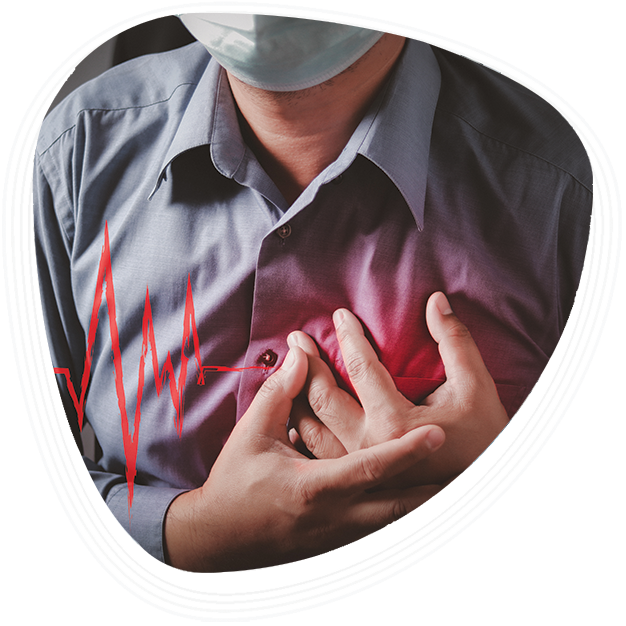
- Chest pain, heaviness, or pressure that worsens with activity
- Shortness of breath during routine tasks or exercise
- Fatigue or reduced stamina, especially in individuals with diabetes
- Pain spreading to the arm, shoulder, jaw, or back
- Episodes of dizziness, nausea, or faintness
- Irregular heartbeat or palpitations
- Chest discomfort triggered by emotional stress
- Swelling in the legs or ankles suggesting early heart failure
- Symptoms of angina that occur at rest or during minimal exertion
- On first presentation, some patients may experience these symptoms even during minimal exertion or at rest.
How is Coronary Artery Disease Diagnosed at Graphic Era Hospital?
Accurate diagnosis is essential to determine the severity of coronary artery disease and identify how much blood flow to the heart has been affected. At Graphic Era Hospital, our team of highly experienced and renowned cardiologists use a combination of clinical evaluation and advanced cardiac tests to assess heart rhythm, artery health, and overall heart function. The diagnostic process involves:
- Clinical Examination: The cardiologist reviews symptoms, checks heart rhythm, and evaluates risk factors such as blood pressure, cholesterol levels, and family history.
- Electrocardiogram (ECG): An ECG records the heart’s electrical activity and helps identify abnormal rhythms or signs of reduced blood flow.
- Echocardiography: An ultrasound of the heart assesses heart muscle function, valve health, and any areas receiving inadequate blood supply.
- Cardiac Stress Testing: This test evaluates how the heart performs during physical activity or medication induced stress, helping detect reduced blood flow to the heart muscle.
- Cardiac CT or CT Angiography: These imaging scans provide detailed pictures of the coronary arteries, helping detect narrowing or calcium buildup.
- Blood Tests: Tests check cholesterol levels, inflammation markers, diabetes control, and enzymes that may indicate heart strain or damage.
- Functional MRI Scan When Required: This test evaluates the specific areas of the heart and quantifies their function and viability. It helps in mapping the exact territories of the heart muscle affected by disease.
- Coronary Angiography When Required: This procedure provides the most detailed view of coronary blockages and is used when significant narrowing is suspected.
Coronary Artery Disease Treatment Options at Graphic Era Hospital
Treatment for coronary artery disease focuses on improving blood flow to the heart, reducing symptoms, preventing clot formation, and lowering the risk of heart attack or heart failure. The treatment plan depends on the severity of artery blockage, overall heart function, and the individual’s medical history. The treatment approach at Graphic Era Hospital includes:
- Medication Therapy: Medicines help reduce chest discomfort, control blood pressure, lower cholesterol, prevent blood clots, and improve blood flow to the heart.
- Lifestyle and Risk Factor Management: Guidance includes smoking cessation, weight control, stress reduction, and dietary adjustments to protect long term heart health.
- Treatment for Hypertension and Diabetes: Managing long term conditions helps slow disease progression and prevent further artery narrowing.
- Anti Anginal Therapy: Medications relieve chest pain by improving blood flow and reducing the heart’s workload.
- Coronary Angioplasty and Stent Placement: A Percutaneous intervention based procedure to open diseased arteries and restores blood flow when blockages are significant.
- Coronary Artery Bypass Grafting (CABG): In severe cases with multiple diseases or comorbidities like diabetes surgery is often necessary and provides very good long term results. Nowadays also done through a minimally invasive route through small hole incisions avoiding pain and discomfort.
- Management of Heart Rhythm Disorders: Treatment includes medications or procedures to correct abnormal rhythms linked with coronary artery disease.
- Cardiac Rehabilitation: Supervised exercise, education, and lifestyle support help strengthen the heart and improve recovery after angioplasty or surgery.
Doctors Available



Why Choose Graphic Era Hospital for Coronary Artery Disease Treatment?
At Graphic Era Hospital, we understand how coronary artery disease can affect daily life, physical capacity, and long term health. Our team works closely with each individual to identify the extent of artery narrowing, assess heart function, and create a treatment plan that supports safe recovery and better heart health. From early diagnosis to advanced procedures and long term follow up, we provide personalised guidance at every stage of care. Here is why Graphic Era Hospital is a trusted centre for coronary artery disease treatment across Uttarakhand:

Expert Cardiologists and Cardiac Care Team : Our Cardiologists, cardiac surgeons, cardiac critical care intensivists and entire support team has an extensive experience in managing all stages of coronary artery disease, ranging from early symptoms to complex multi-vessel blockages. They carry out detailed assessments of risk factors, heart function, artery health, and overall cardiovascular status to understand each individual’s needs. This comprehensive evaluation allows them to design treatment plans that improve blood flow, relieve symptoms, stabilise plaque buildup, and significantly reduce the future risk of heart attack or heart failure.

Advanced Diagnostic and Interventional Technology : We use high resolution ECG, echocardiography, cardiac CT, and coronary angiography to assess artery health with precision. Our interventional facilities support angioplasty, stent placement, and advanced cardiac procedures, ensuring individuals receive accurate diagnosis and effective treatment within the same centre.

Compassionate and Patient Centred Care : As India’s first medical college hospital accredited under the 6th Edition of NABH standards, we prioritise safety, ethical practice, and patient comfort. Our team guides individuals through diagnosis, treatment decisions, lifestyle changes, and long term follow up with empathy and clarity, ensuring they feel informed and supported throughout their cardiac care journey.
Preventing Coronary Artery Disease and Supporting Long Term Heart Health
Preventing coronary artery disease involves protecting the blood vessels from further narrowing, maintaining healthy cholesterol and blood pressure levels, and adopting habits that support strong heart function. These measures are important for individuals at risk of CAD as well as those already diagnosed with early artery blockages. Here are simple, effective ways to support long term heart health and reduce the risk of future cardiac events:
Maintain Healthy Cholesterol and Blood Pressure
Keeping cholesterol and blood pressure within recommended ranges reduces stress on the arteries. Regular monitoring and following prescribed treatment help prevent further narrowing of the coronary vessels.
Adopt Heart Friendly Lifestyle Habits
Eating a balanced diet, exercising regularly, staying physically active, and avoiding tobacco use help improve circulation and strengthen the heart. Stress management techniques also play a key role in preventing flare ups.
Manage Long Term Conditions
Diabetes, anaemia, thyroid disorders, and autoimmune diseases can worsen artery narrowing if not controlled. Regular follow ups help keep these conditions stable and reduce cardiac risk.
Recognise Early Warning Signs
Seeking timely evaluation for symptoms such as chest pain, breathlessness, or unexplained fatigue helps prevent severe complications, including heart attack or heart failure.
Regular Cardiac Screening for High Risk Individuals
Those with a family history of early heart disease, long term hypertension, or previous heart attack benefit from periodic cardiac tests to track heart health and detect changes early.
Top Coronary Artery Disease Treatments Available at Graphic Era Hospital
- Medical management for coronary artery disease
- Coronary angioplasty and stent placement
- Coronary artery bypass grafting (CABG) or MIDCAB (Minimally Invasive Direct Coronary Artery Bypass)
- Treatment for angina and heart rhythm disorders
- Cardiac rehabilitation and lifestyle management
- Long term risk factor control for diabetes, hypertension, and high cholesterol
Advanced Diagnostics & Technology
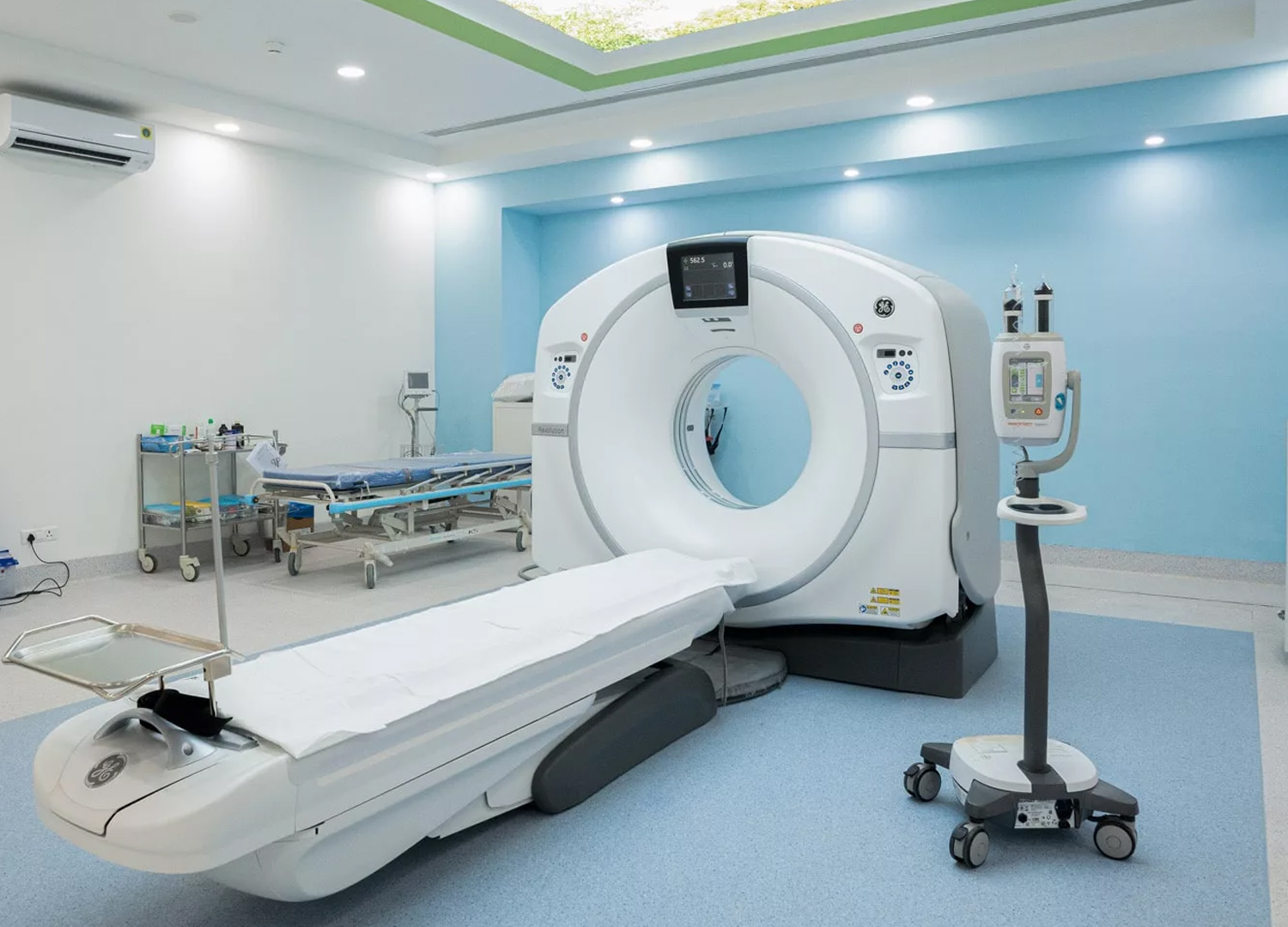
- Offers high-resolution imaging for detailed blood vessel analysis, aiding in accurate diagnosis and treatment planning.
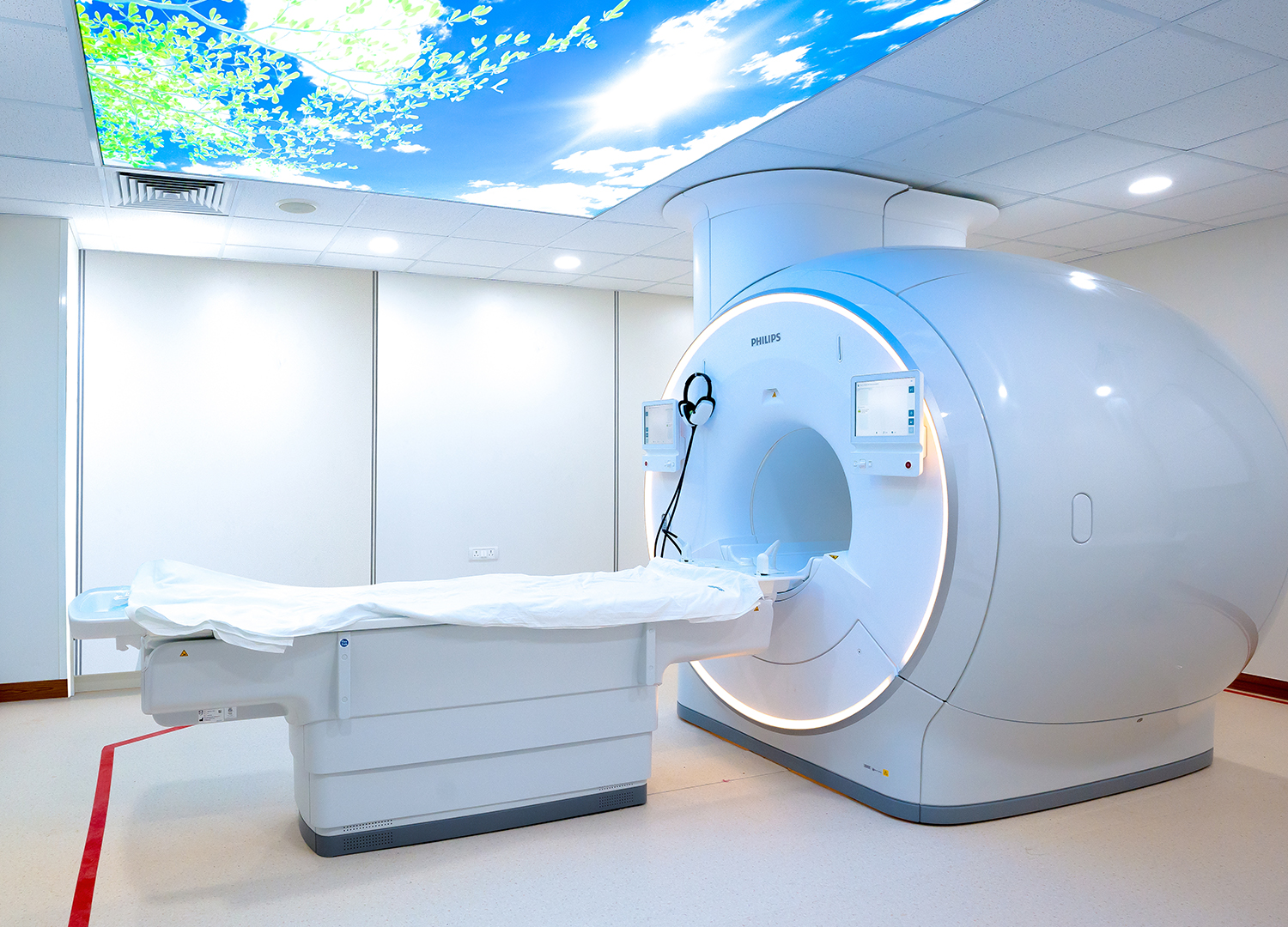
- Delivers advanced imaging with high resolution for clear, detailed views of soft tissues, ensuring precise diagnostics.
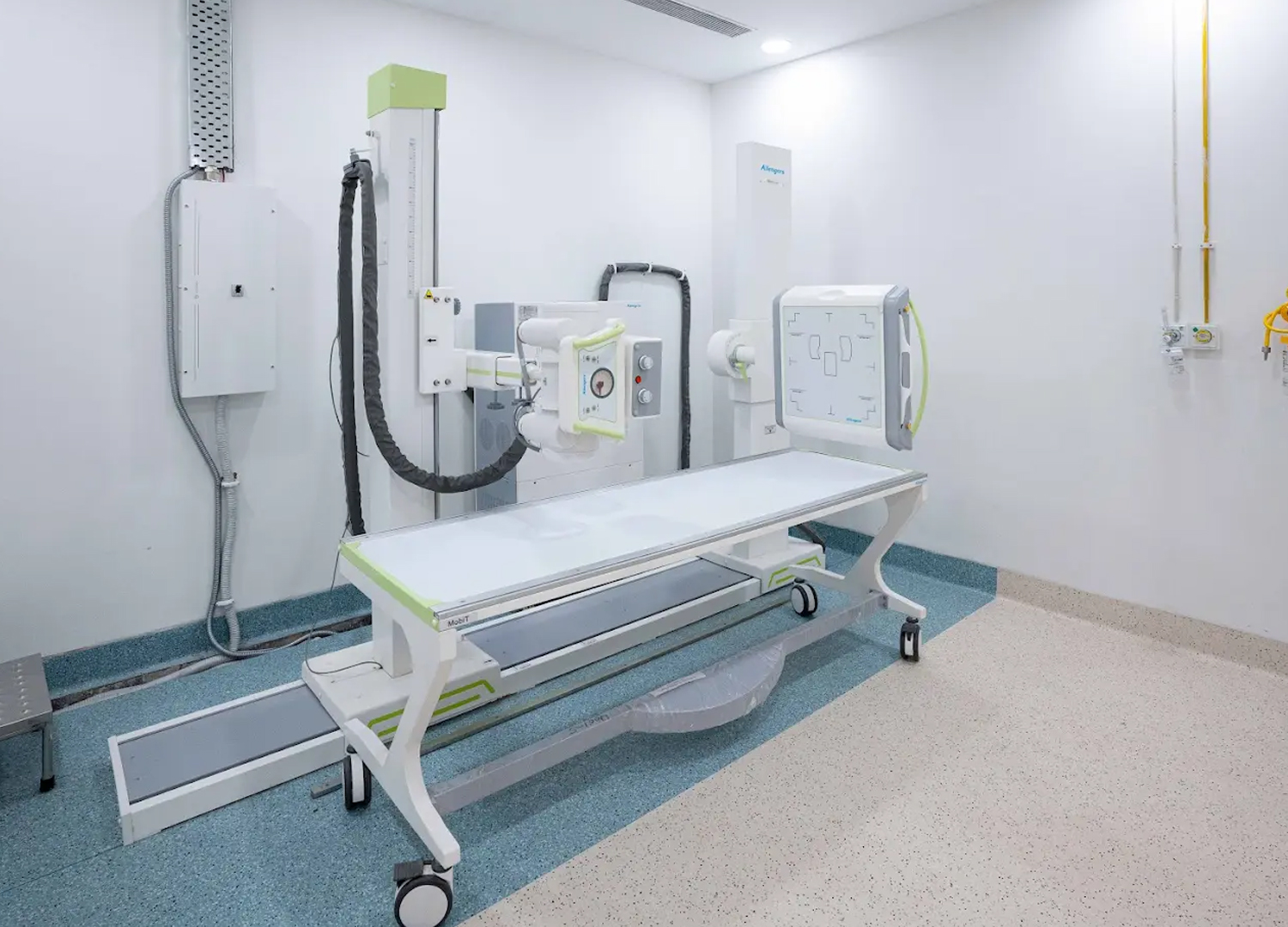
- Provides high-quality, detailed radiographic images for accurate diagnosis with minimal exposure to radiation.
Other Specialities


Patient Stories





Blog






Heart Attack: Symptoms and Treatment

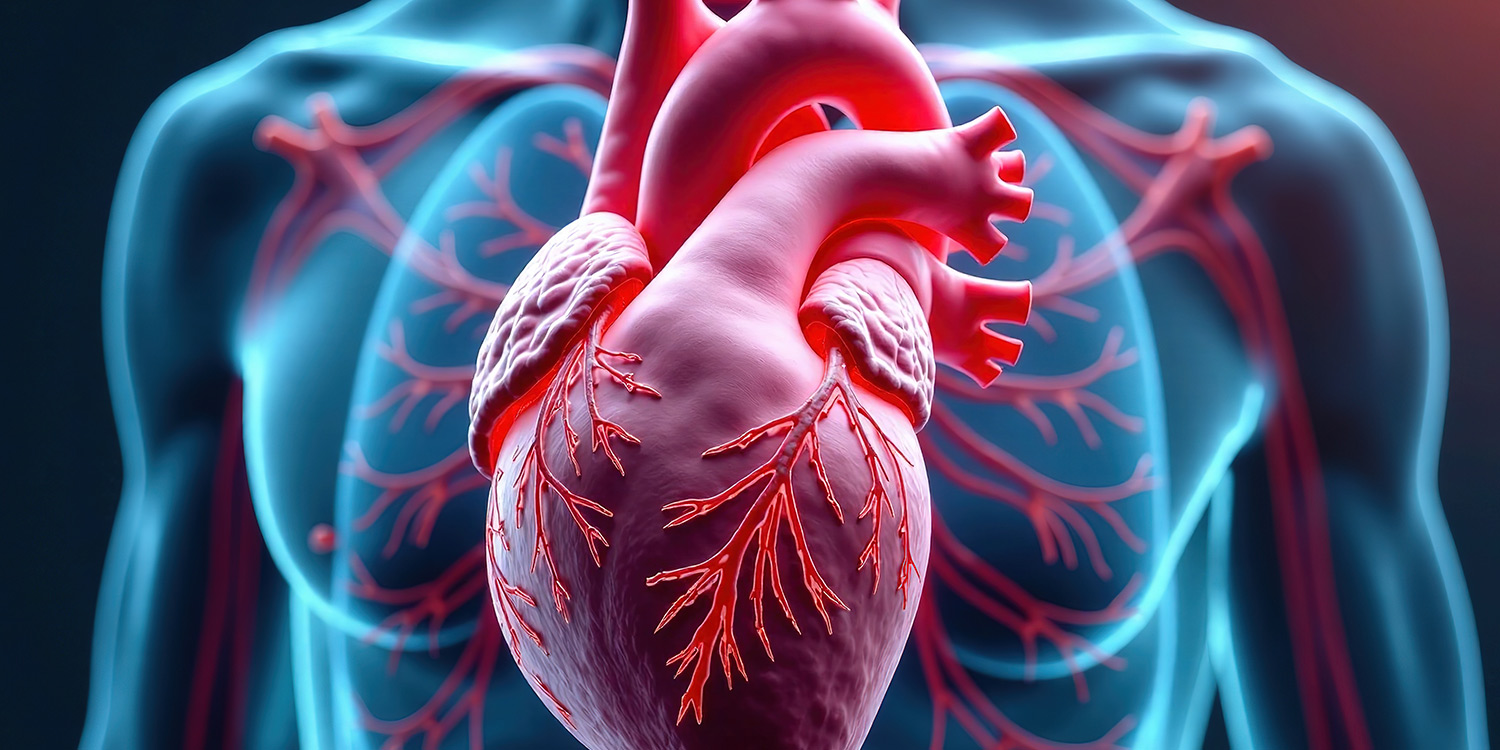

Increased Heart Rate: Causes, Risks, and When to Seek Medical Attention
Frequently Asked Questions (FAQs)
What causes coronary artery disease?
Coronary artery disease commonly develops due to cholesterol buildup, long term inflammation, high blood pressure, diabetes, smoking, or a family history of early heart disease. These factors gradually narrow the arteries that supply blood to the heart.
What are the early symptoms of coronary artery disease?
Early signs include chest discomfort, breathlessness during activity, fatigue, dizziness, and reduced stamina. Some individuals, especially those with diabetes, may experience mild or no symptoms despite significant artery narrowing.
How is coronary artery disease diagnosed?
Diagnosis involves physical examination, ECG, echocardiography, cardiac stress tests, and imaging such as cardiac CT or coronary angiography. Blood tests also help assess cholesterol levels and inflammation.
Is coronary artery disease curable?
There is no permanent cure for CAD, but it can be effectively managed with medication, lifestyle changes, angioplasty, stent placement, or bypass surgery. Early treatment helps prevent heart attack and long term complications.
What is the best medical treatment for coronary artery disease?
Treatment depends on the severity of artery blockage. Medicines may include antiplatelets, cholesterol lowering drugs, blood pressure control medicines, and anti anginal therapy. Your cardiologist will decide the most suitable approach.
When is coronary angioplasty or stenting recommended?
Angioplasty with stent placement is advised when significant artery narrowing restricts blood flow, causes persistent chest pain, or increases the risk of heart attack.
What lifestyle changes help control coronary artery disease?
Regular exercise, heart healthy eating, quitting smoking, weight control, stress management, and following prescribed medicines help reduce the risk of worsening artery blockage.
Can coronary artery disease lead to a heart attack?
Yes. When a narrowed artery becomes completely blocked, it can stop blood supply to part of the heart muscle, leading to a heart attack. Early treatment reduces this risk.
How does diabetes increase the risk of coronary artery disease?
Diabetes accelerates cholesterol buildup and damages artery walls, making blockages more likely. Good sugar control helps reduce this risk.
Should individuals with high cholesterol undergo regular heart check ups?
Yes. High cholesterol is a major risk factor for CAD, and regular cardiac evaluations help detect early artery narrowing and guide preventive care.
What should I do if I experience chest discomfort or breathlessness suddenly?
Seek immediate medical care. Sudden chest pain, difficulty breathing, or unexplained fatigue may indicate reduced blood flow to the heart or an early heart attack.
Where can I find the best coronary artery treatment near me in Dehradun?
Graphic Era Hospital provides advanced and comprehensive care for coronary artery disease, offering precise diagnostics, angioplasty and stent procedures, bypass surgery referrals when required, and structured long term cardiac management under experienced cardiologists. Individuals experiencing chest discomfort, breathlessness, or diagnosed artery narrowing can rely on the hospital for timely, specialised, and evidence based heart care in Dehradun, Uttarakhand.