
Beat the Heat: 10 Hydrating Foods and Drinks to Keep You Cool and Energised This Summer
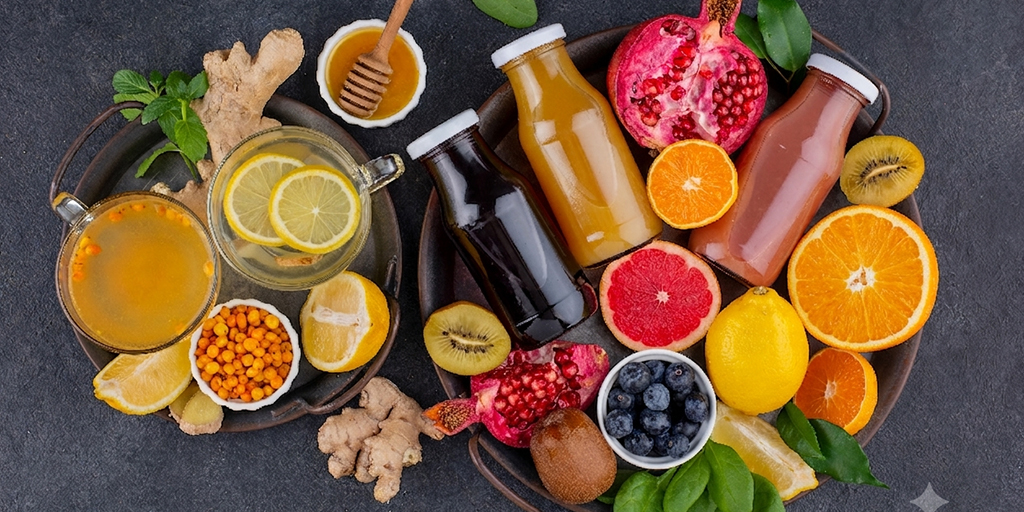
Summer heat can leave you feeling tired, dehydrated, and low on energy, especially during prolonged periods of high temperatures. While drinking enough water is essential, your diet also plays an important role in helping the body stay cool and hydrated. From a nutrition and dietetics perspective, summer eating is not simply about choosing lighter foods; it is about providing the body with the fluids, electrolytes, and nutrients it needs to regulate temperature, maintain energy levels, and support overall wellbeing.
Many fruits and vegetables naturally contain high amounts of water along with essential vitamins, minerals, and electrolytes that help replenish what the body loses through sweating. Including these hydrating foods in your daily diet can support hydration, aid digestion, and help you feel more refreshed throughout the day. Here are 10 foods that can help you stay cool, hydrated, and energised during the summer season.
1. Watermelon
Watermelon is often considered one of the best summer fruits because of its exceptionally high water content. It is light, refreshing, and easy to digest, making it ideal for hot days when heavy meals may feel uncomfortable.
In addition to helping with hydration, watermelon contains vitamin C, vitamin A, and antioxidants such as lycopene, which may help protect the body from heat-related stress. Its natural sugars can also provide a quick energy boost without making you feel overly full.
You can enjoy watermelon as a snack, add it to fruit salads, blend it into smoothies, or pair it with mint for a refreshing summer dish.
2. Cucumber
Cucumber is made up mostly of water, making it one of the most hydrating vegetables to include in a summer diet. It has a naturally cooling effect and can help you feel refreshed even during extremely hot weather.
Apart from supporting hydration, cucumbers are low in calories and contain small amounts of potassium and fibre, which can support digestion and help reduce bloating. Their crisp texture also makes them easy to include in different meals.
Cucumber can be added to salads, sandwiches, yoghurt-based dishes, or infused water for extra freshness.
3. Coconut Water
Coconut water is widely consumed during summer because it naturally helps replenish fluids and electrolytes lost through sweating. Unlike many sugary beverages, it is relatively light and contains potassium, sodium, and magnesium that support hydration.
It can be especially helpful after spending time outdoors or after physical activity in hot weather. Many people also find coconut water easier on the stomach compared to carbonated or heavily sweetened drinks.
For the best benefits, fresh and unsweetened coconut water is usually the preferred choice.
4. Muskmelon
Muskmelon, also known as cantaloupe, is another summer fruit with high water content and a naturally sweet taste. It provides hydration while also supplying nutrients such as vitamin C and potassium.
Because it is soft and easy to digest, muskmelon can be a good option for people who experience reduced appetite during summer. It can help you feel refreshed without feeling heavy.
Chilled muskmelon cubes, fruit bowls, or blended smoothies are popular ways to include it in the diet.
5. Tomatoes
Tomatoes contain a significant amount of water and are commonly used in many everyday meals. They also provide antioxidants, including lycopene, along with vitamin C and potassium.
Their versatility makes them easy to consume regularly during summer. Tomatoes can be eaten raw in salads, added to sandwiches, blended into cold soups, or lightly cooked in meals without losing their refreshing quality.
Since they are both hydrating and nutrient-rich, tomatoes can support overall health while adding flavour to meals.
6. Oranges
Oranges are not only refreshing during hot weather but also help provide fluids, natural sugars, and vitamin C. Their juicy texture makes them particularly satisfying on warm afternoons when the body needs hydration and energy.
The fibre present in whole oranges may also help you feel fuller for longer compared to packaged juices. In addition, the natural citrus flavour can help stimulate appetite in people who tend to eat less during extreme heat.
Fresh orange slices, fruit chaat, or homemade citrus drinks can be simple ways to enjoy them.
7. Lettuce
Lettuce is another water-rich vegetable that works well in light summer meals. Because it is mild and crisp, it can help make meals feel refreshing without adding heaviness.
Different varieties of lettuce contain varying amounts of nutrients, including folate and fibre. It is commonly used in salads, wraps, and sandwiches, especially during warmer months when lighter meals are often preferred.
Pairing lettuce with other vegetables and protein sources can help create balanced summer meals that are both hydrating and filling.
8. Yoghurt
Although not a fruit or vegetable, yoghurt can be an excellent summer food because of its water content and cooling properties. It also contains protein and probiotics that may support digestion and gut health.
Many people experience digestive discomfort or reduced appetite during summer, and yoghurt-based meals can feel lighter and easier to consume. It can also help balance spicy foods and provide a soothing effect during hot weather.
Yoghurt can be consumed as plain curd, buttermilk, smoothies, raita, or fruit-based bowls.
9. Buttermilk
Buttermilk is a traditional summer hydrating drink that helps support hydration while also being light and easy to digest. It contains water, probiotics, and small amounts of electrolytes that may help the body stay refreshed during hot weather. Many people also find buttermilk soothing for digestion, especially after spicy or heavy meals.
Since excessive sweating during summer can sometimes lead to fatigue and dehydration, buttermilk can be a useful addition to the diet for maintaining fluid balance and supporting energy levels. It is commonly consumed plain or prepared with ingredients such as cumin, mint, or coriander for added flavour and freshness.
10. Lemon Water
Lemon water is a simple and refreshing summer hydrating drink that can help support hydration throughout the day. The combination of water and lemon provides fluids along with vitamin C, while the citrus flavour may encourage people to drink more fluids regularly during hot weather.
Homemade lemon water can also help replace fluids lost through sweating, particularly when prepared with a small amount of salt or natural sweeteners in moderation. Many people prefer it as a lighter alternative to sugary soft drinks or packaged beverages during summer.
Fresh lemon water served slightly chilled can be especially refreshing after outdoor activities or prolonged exposure to heat.
Tips to Stay Hydrated During Summer
Along with eating hydrating foods, sound nutritionand dietary habits go a long way in helping the body stay hydrated and energised during summer. Since excessive heat increases fluid loss through sweating, it is important to replenish fluids consistently throughout the day rather than waiting until you feel very thirsty.
Drink Water Regularly Throughout the Day
Thirst is often an early sign that the body is already starting to lose fluids. Drinking small amounts of water regularly can help maintain hydration more effectively than consuming large quantities at once. Carrying a water bottle while travelling, working outdoors, or commuting can make it easier to maintain this habit.
Include Seasonal Fruits and Light Meals
Fresh summer fruits and vegetables such as watermelon, cucumber, muskmelon, oranges, and tomatoes naturally contribute to the body’s fluid intake. Light, balanced meals are also generally easier to digest during hot weather and may help prevent sluggishness and discomfort.
Limit Excess Sugary and Caffeinated Drinks
Soft drinks, packaged juices, energy drinks, and excessive caffeine may not hydrate the body as effectively as water or natural fluids. In some cases, consuming them in large amounts may contribute to dehydration or energy crashes during the day.
Do Not Skip Meals During Extremely Hot Days
Many people experience reduced appetite during summer and may unintentionally skip meals. However, regular meals help the body maintain energy levels and electrolyte balance. Choosing lighter foods such as salads, yoghurt, fruits, and home-cooked meals can help provide nourishment without feeling too heavy. If you are unsure about the right summer diet for your age, health condition, or activity level, a dietitian can help build a practical plan suited to your specific needs.
Increase Fluid Intake During Outdoor Activities
People who spend long hours outdoors, exercise frequently, or work in the sun may lose fluids more rapidly through sweating. In such situations, increasing water intake and consuming electrolyte-rich fluids such as coconut water or buttermilk may help support hydration.
Avoid Excessive Exposure to Peak Afternoon Heat
Reducing direct exposure to extreme heat, especially during peak afternoon hours, can also help minimise fluid loss. Wearing light clothing, taking breaks in shaded areas, and cooling the body regularly may reduce the risk of heat exhaustion and dehydration.
Signs That Your Body May Need More Hydration
The body often gives early warning signs when fluid levels start dropping, particularly during hot and humid weather. Recognising these symptoms early and responding promptly can help prevent dehydration from becoming more severe.
Persistent Thirst and Dry Mouth
One of the earliest signs of dehydration is feeling thirsty more often than usual. A dry or sticky feeling in the mouth may also indicate that the body needs more fluids. These symptoms are often easy to overlook, especially during busy routines or travel.
Dark Yellow Urine or Reduced Urination
Urine colour can provide useful clues about hydration levels. Pale yellow urine is generally considered a sign of adequate hydration, whereas dark yellow or strongly concentrated urine may suggest that the body is lacking fluids. Passing urine less frequently than usual may also be a warning sign.
Headache, Dizziness, or Fatigue
Dehydration can affect circulation and energy levels, leading to symptoms such as headaches, light-headedness, tiredness, or difficulty concentrating. Some individuals may also feel unusually weak or irritable during prolonged exposure to heat.
Muscle Cramps and Excessive Body Heat
Sweating causes the body to lose not only water but also important minerals such as sodium and potassium. This may sometimes result in muscle cramps, especially after physical activity or prolonged outdoor exposure. Feeling excessively hot or overheated despite resting may also indicate inadequate hydration.
Dry Skin and Reduced Sweating
In some cases, dehydration may cause the skin to feel dry or less elastic. Reduced sweating despite hot weather can also be a concerning sign, as sweating helps regulate body temperature.
Do Not Ignore Signs of Severe Dehydration
While mild dehydration can often improve with adequate fluid intake and rest, severe dehydration may require prompt medical attention. Ignoring warning signs can increase the risk of complications, particularly during extreme summer heat.
Symptoms that should not be ignored include:
- Persistent dizziness or fainting
- Rapid heartbeat
- Confusion or difficulty staying alert
- Extreme weakness or unusual fatigue
- Very little or no urination
- Inability to retain fluids due to vomiting
- Excessive overheating or heat exhaustion symptoms
Children, older adults, and individuals spending long hours outdoors may be especially vulnerable to severe dehydration during summer and should be monitored carefully.
If symptoms persist or worsen despite adequate fluid intake, do not wait. Severe dehydration and heat-related illness require prompt medical attention, not home management. At Graphic Era Hospital, our team provides timely assessment and supportive care for dehydration and heat-related health concerns. Our Nutrition and Dietetics department is also available to guide you on summer eating, personalised hydration planning, and managing heat-related fatigue through dietary changes, so you are not just recovering from the heat, but genuinely equipped to handle it.
To book an appointment with a dietitian at Graphic Era Hospital, call 1800 889 7351 (24×7).
Frequently Asked Questions
Can eating hydrating or water-rich foods replace drinking water during summer?
No. Hydrating or water-rich foods can support hydration, but they should not replace regular water intake entirely. Drinking adequate fluids throughout the day remains essential, especially during extremely hot weather or physical activity.
Which summer foods help replenish electrolytes naturally?
Foods and hydrating drinks such as coconut water, yoghurt, bananas, oranges, and muskmelon may help provide important electrolytes like potassium and sodium that are often lost through sweating.
Are chilled foods and drinks always better during hot weather?
Cold foods and beverages may feel refreshing temporarily, but extremely chilled drinks are not always necessary for hydration. In some people, excessive intake of icy drinks may even cause throat discomfort or digestive uneasiness.
Can dehydration affect digestion during summer?
Yes. Inadequate fluid intake may slow digestion and contribute to issues such as constipation, acidity, or bloating. Eating fibre-rich fruits and vegetables along with adequate fluids can help support digestive health during summer.
Is it normal to feel less hungry during summer?
Many people naturally experience reduced appetite during hot weather. This is often because the body tries to conserve energy and regulate temperature more efficiently. Choosing lighter meals and hydrating foods can help maintain nutrition without feeling overly heavy.
Can a dietitian help me plan a summer diet for better hydration and energy?
Yes. If you experience recurring fatigue, dehydration, digestive issues, or significant appetite loss during summer, consulting a dietitian can be helpful. A dietitian from our Nutrition and Dietetics department at Graphic Era Hospital can assess your dietary patterns and recommend a personalised summer nutrition plan that supports hydration, energy, and overall health.
What are some simple dehydration prevention tips for summer?
Some simple dehydration prevention measures include drinking water regularly, eating water-rich foods, limiting excessive sugary or caffeinated drinks, and increasing fluid intake during outdoor activities or extreme heat.
Why is dehydration prevention important during hot weather?
Dehydration prevention is important during summer because excessive heat and sweating can lead to fluid and electrolyte loss, increasing the risk of fatigue, dizziness, headaches, heat exhaustion, and other heat-related health problems.
Are homemade summer drinks better than packaged beverages?
In many cases, homemade drinks such as lemon water, buttermilk, fresh fruit smoothies, or coconut water may be healthier choices because they are usually lower in added sugars and artificial ingredients compared to packaged beverages.
Can dehydration affect skin health?
Yes. Inadequate hydration may contribute to dry, dull, or less elastic skin. Consuming enough fluids and water-rich foods may help support healthier-looking skin, especially during hot and dry weather.
Who is more vulnerable to dehydration during summer?
Children, older adults, outdoor workers, athletes, and people with certain medical conditions may be more vulnerable to dehydration because they can lose fluids more quickly or may not recognise thirst early enough.
When should someone seek medical care for dehydration?
Medical attention may be necessary if dehydration causes symptoms such as persistent vomiting, confusion, fainting, rapid heartbeat, severe weakness, or inability to retain fluids. Timely evaluation can help prevent complications.
How much water should I drink in summer?
Water requirements during summer vary depending on age, activity level, weather, and overall health. Since the body loses more fluids through sweating in hot weather, it is important to drink water regularly throughout the day and increase fluid intake during outdoor activities.
Is coconut water better than sports drinks?
Coconut water is often preferred for routine summer hydration because it naturally contains electrolytes without excessive added sugars or artificial ingredients. Avoid bottled/packaged coconut water.Sports drinks may be useful after intense physical activity, but many contain high amounts of sugar and additives.
How can I consult a doctor at Graphic Era Hospital for dehydration or heat-related health concerns?
You can schedule an appointment online through the hospital website or call 1800-889-7351 for assistance. Patients may also opt for a virtual consultation by selecting a specialist through the hospital’s Virtual Consultation Portal.













 Emergency 24×7 : 1800 889 7351