
Impact of Blue Light on Children’s Eyes: Should Parents Be Concerned?
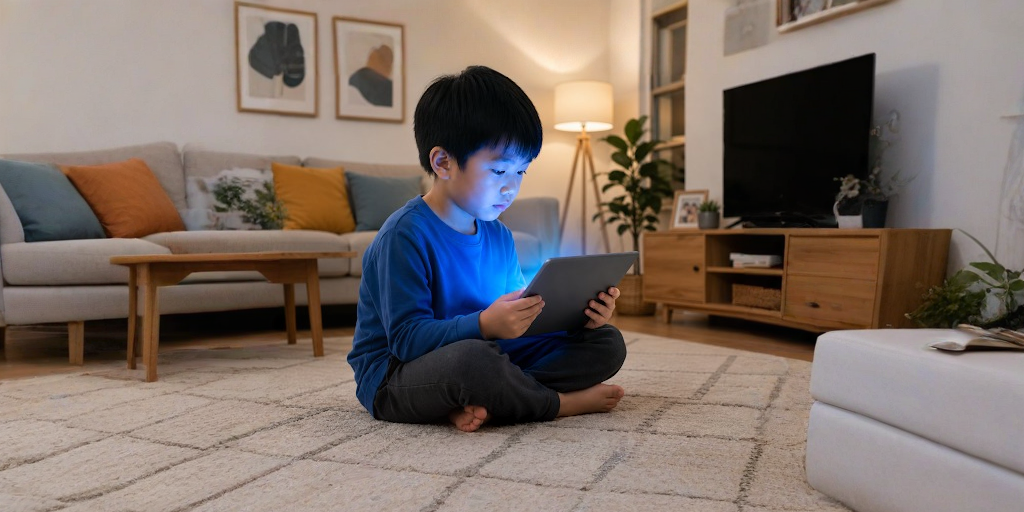
In today’s technology-driven world, digital screens have become an integral part of children’s daily lives, whether the purpose is learning, entertainment or staying connected. This increased screen exposure has also raised concerns among parents about the effect of blue light on developing eyes. While blue light from phones, tablets and computers is often blamed for eye damage, the more immediate concerns are usually digital eye strain, dryness, headaches and disrupted sleep. In this article, we’ll explain what blue light is, how screen exposure may affect children’s eyes, ways to encourage healthier screen habits, and when it could be time to consult an eye specialist.
What is Blue Light and How Do Children Get Exposed to It?
Blue light is a type of visible light with a short wavelength and relatively high energy, which is present naturally in sunlight, but it is also emitted by many digital screens that children use every day. Common sources of artificial blue light exposure include:
- Smartphones and tablets
- Laptops and desktop computers
- Televisions, particularly LED and LCD screens
- LED lighting used in homes, schools, and other environments
Although blue light from digital devices has not been shown to cause permanent eye damage, prolonged screen use without regular breaks may contribute to digital eye strain, visual discomfort, and changes in sleep patterns. This is why maintaining healthy screen habits is an important part of protecting children’s eye health.
Also Read: Blue Light and Eye Strain: How Screens Are Affecting Your Eyes
How Screen Time Affects Children’s Eyes
Spending extended periods looking at digital screens can affect children’s visual comfort and overall eye health. These effects are usually linked to prolonged near-focused activities, reduced blinking, and extended screen exposure. Some common concerns associated with excessive screen use include:
Digital Eye Strain
Digital eye strain, also known as computer vision syndrome, occurs when the eyes remain focused on digital screens for long periods. Activities such as online learning, reading, watching videos, and gaming require continuous near vision, which can cause visual fatigue.
Children experiencing digital eye strain may complain of tired eyes, eye discomfort, headaches, difficulty focusing, or a feeling of heaviness around the eyes after prolonged screen use.
Dry and Irritated Eyes
When children concentrate on screens, they may blink less frequently than usual. Since blinking helps maintain moisture on the surface of the eyes, reduced blinking during extended screen use can lead to dryness and irritation.
Children may experience symptoms such as redness, a burning sensation, watery eyes, or discomfort that makes their eyes feel tired or irritated.
Temporary Blurred Vision
Spending a long time focusing on nearby screens may affect the eyes’ ability to quickly adjust between different distances. As a result, some children may experience temporary blurred vision or difficulty shifting focus after prolonged screen use.
These changes are generally short-term and may be noticed more after extended periods of screen-based activities.
Impact on Sleep Patterns
Using digital devices, particularly in the evening, may affect a child’s natural sleep cycle. Exposure to bright screens at night can interfere with melatonin production, a hormone involved in regulating sleep.
Changes in sleep patterns may lead to difficulty falling asleep, reduced sleep quality, daytime tiredness, and challenges with concentration, mood, and overall daily functioning.
Also Read: Screen Time and Headaches: Understanding the Hidden Link
Does Blue Light Cause Permanent Eye Damage in Children?
Many parents worry that regular exposure to blue light from smartphones, tablets, and other digital devices may permanently harm their child’s eyes. However, current evidence does not show that blue light emitted from everyday screens causes permanent eye damage in children.
The concern is mainly related to how children use digital devices. Spending long hours on screens may contribute to digital eye strain, prolonged near work, and reduced time spent on outdoor activities, which are important aspects of healthy visual development.
Parents do not need to eliminate digital devices completely. Instead, focusing on balanced screen habits, regular eye breaks, outdoor activities, and routine eye check-ups can help support children’s eye health and overall well-being.
Signs That Your Child May Be Experiencing Eye Strain
Children may not always be able to explain that their eyes feel tired, uncomfortable, or strained. Instead, they may show certain signs or changes in behaviour that indicate visual discomfort. Parents should pay attention if their child frequently experiences:
- Rubbing of the eyes
- Excessive blinking
- Complaints of tired, painful, or irritated eyes
- Headaches after screen use
- Difficulty focusing on objects
- Holding screens too close to the face
- Squinting while watching television or looking at distant objects
- Reduced interest in reading or other activities that require visual concentration
Occasional eye discomfort after prolonged screen use may not always indicate a serious problem. However, if these symptoms occur frequently, persist over time, or interfere with a child’s daily activities, an eye examination can help identify whether there is an underlying vision concern and ensure timely guidance from an eye specialist.
Healthy Screen Habits to Protect Your Child’s Eyes
Digital devices are now a part of children’s learning and daily activities, so completely avoiding screen use may not be practical. Instead, parents can help protect their child’s eye health by encouraging balanced screen habits and creating a routine that supports healthy vision.
Follow the 20-20-20 Rule
Encourage children to take regular breaks during screen use by following the 20-20-20 rule. This means looking at something about 20 feet away for at least 20 seconds after every 20 minutes of screen activity. These short breaks help the eyes relax after prolonged near-focused work.
Set Healthy Screen Time Limits
Establishing age-appropriate screen routines can help maintain a healthy balance between digital activities and other important aspects of childhood, such as sleep, physical activity, outdoor play, and social interaction. Excessive screen use should not replace activities that support overall development and well-being.
Encourage Outdoor Activities
Regular outdoor activities allow children to take breaks from prolonged near vision tasks and support overall physical health. Spending time outdoors is also an important part of maintaining healthy lifestyle habits during childhood.
Maintain Proper Screen Distance and Lighting
The way children use digital devices can affect their visual comfort. Screens should be positioned at a comfortable viewing distance, and children should avoid using devices in poorly lit environments or with excessive glare, which may increase eye discomfort.
Avoid Screens Before Bedtime
Using digital devices close to bedtime may affect a child’s sleep routine. Limiting screen exposure before sleep can help support better rest, which is important for a child’s overall health, mood, and concentration.
When Should a Child Have an Eye Check-Up?
Parents should consider scheduling an eye check-up if they notice:
- Changes in their child’s vision or difficulty seeing clearly
- Problems performing daily activities that require clear vision, such as reading or writing
- Persistent visual discomfort that affects routine activities
- Sudden changes in vision
- A family history of eye conditions that may require monitoring
Regular eye examinations can help detect vision concerns early and ensure timely guidance and care. At Graphic Era Hospital, the ophthalmology team provides comprehensive eye evaluations and personalised care to support children’s eye health and visual development.
Final Word
Blue light is a part of everyday life, and complete avoidance is neither realistic nor necessary. Instead, the focus should be on maintaining a healthy balance. Encouraging regular screen breaks, maintaining an appropriate viewing distance and good posture, ensuring adequate outdoor play, and following a screen-free bedtime routine can go a long way in supporting your child’s eye health and overall well-being.
If your child frequently complains of eye strain, headaches, blurred vision, or other vision-related concerns after screen time, book an eye examination to identify underlying vision problems and ensure appropriate care. At Graphic Era Hospital, our experienced ophthalmology team provides comprehensive eye evaluations for children, including the diagnosis and management of conditions such as refractive errors, squint, and other paediatric eye concerns. To book a consultation, call our helpline at 1800 889 7351.
Frequently Asked Questions
Does blue light from screens damage children's eyes?
Current evidence does not show that blue light emitted from everyday digital devices causes permanent damage to children’s eyes. However, prolonged screen use without healthy habits may contribute to digital eye strain, dryness, and temporary discomfort. Encouraging balanced screen use and regular breaks can help support children’s eye health.
Can too much screen time damage a child's eyesight?
Compared with conventional CT scanners, a 128 Slice CT scanner captures more imaging data in a single rotation, allowing it to scan larger areas of the body more quickly. It also produces thinner image slices and clearer images, making it easier for doctors to evaluate complex anatomy and detect subtle abnormalities.
Can screen time cause myopia in children?
Research suggests that prolonged near work and limited outdoor time may be associated with an increased risk of myopia (short-sightedness) in children. Screen use is one form of near work, but other activities such as reading and writing also involve close-up focus. Maintaining a balance between near activities and outdoor play can support healthy vision habits.
What are the symptoms of digital eye strain in children?
Children experiencing digital eye strain may show signs such as eye rubbing, excessive blinking, tired or irritated eyes, headaches after screen use, difficulty focusing, squinting, or discomfort after prolonged digital activities. If these symptoms occur frequently, an eye examination can help identify the underlying cause.
Do blue light glasses help children?
Blue light glasses are marketed to reduce exposure to blue light from digital screens, but current evidence does not clearly show that they prevent eye strain or protect children’s eyes from screen-related problems. For most children, developing healthy screen habits and taking regular breaks are more important for reducing discomfort.
How much screen time is safe for children?
The appropriate amount of screen time depends on a child’s age, needs, and daily routine. Parents should ensure that screen use does not interfere with sleep, physical activity, learning, social interaction, or other important activities. Creating balanced screen habits is more beneficial than focusing only on a fixed number of hours.
What is the 20-20-20 rule for children's eyes?
The 20-20-20 rule encourages children to take a break after every 20 minutes of screen use by looking at something around 20 feet away for at least 20 seconds. This allows the eyes to relax and may help reduce discomfort associated with prolonged screen use.
Does blue light affect children's sleep?
Using digital devices close to bedtime may affect a child’s sleep routine. Exposure to bright screens in the evening can interfere with the body’s natural sleep-wake cycle, which may make it harder for some children to fall asleep and affect sleep quality.
How can parents protect their children's eyesight?
Parents can support their child’s eye health by encouraging regular screen breaks, limiting unnecessary screen use, promoting outdoor activities, ensuring comfortable screen viewing conditions, and scheduling eye check-ups when needed.
How often should children have an eye examination?
The frequency of eye examinations depends on a child’s age, vision needs, and risk factors such as a family history of eye conditions. Regular eye check-ups can help detect vision concerns early, even when children may not clearly express difficulties with their eyesight. Consulting an experienced ophthalmologist at Graphic Era Hospital, Dehradun, can help ensure a comprehensive eye evaluation and personalised guidance based on your child’s specific needs.
When should I take my child to an eye doctor?
Parents should consult an ophthalmologist (eye doctor) at Graphic Era, Dehradun, if their child has persistent eye discomfort, frequent headaches, squinting, difficulty seeing clearly, sudden changes in vision, or problems with reading and other visually demanding activities.
Can reducing screen time improve eye strain in children?
Reducing excessive screen use and following healthier screen habits can help improve symptoms of digital eye strain, such as tired eyes, dryness, and temporary discomfort. However, if symptoms continue, an eye examination can help determine whether there is an underlying vision concern.
Which is the best eye hospital in Dehradun?
Graphic Era Hospital is a trusted healthcare centre in Dehradun, offering comprehensive ophthalmology services for children and adults. The hospital provides eye evaluations, diagnosis, and personalised treatment plans with the support of experienced ophthalmologists and advanced medical facilities. To learn more about the ophthalmology services at Graphic Era Hospital or to book a consultation, call 1800 889 7351.

















 Emergency 24×7 : 1800 889 7351