Low Platelet Count: Warning Signs That Need Medical Attention
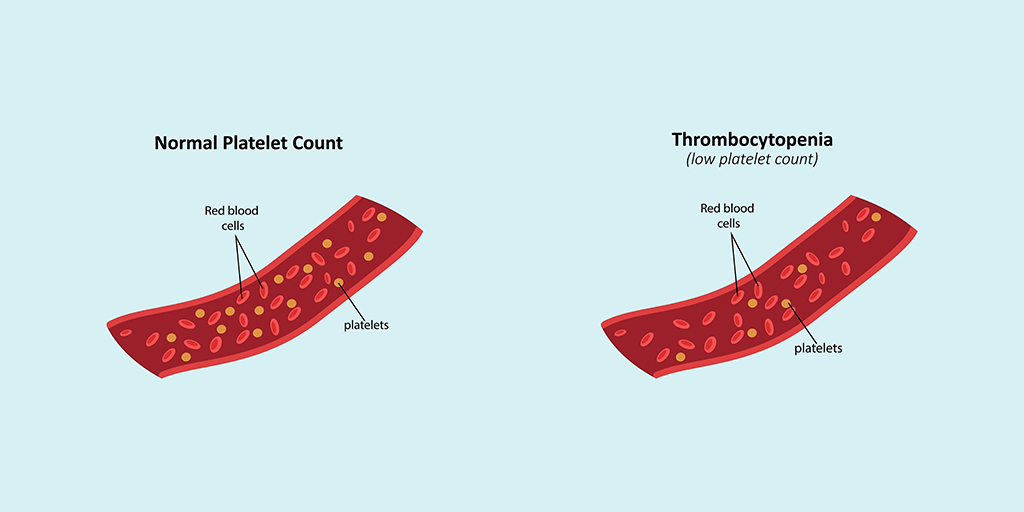
Unexplained bruising without any apparent cause or minor cuts that bleed far longer than expected are early indicators of low platelet count in the bloodstream – a condition known as Thrombocytopenia. When platelet levels fall below the normal range, the body becomes vulnerable to both external and internal bleeding, with complications ranging from mild to potentially life-threatening. A clearer understanding of what to look for, and when to seek medical advice, can prove decisive in preventing serious haematological emergencies. In this article, we’ll discuss the early and serious symptoms associated with low platelet count, high risk groups, and available treatment options. Let’s start by understanding what low platelet count means.
What is a Low Platelet Count?
Platelets, also known as thrombocytes, are small, disc-shaped blood cells produced in the bone marrow that play an indispensable role in haemostasis – a critical, multi-stage physiological process that stops bleeding at the site of injury while maintaining normal blood flow elsewhere. When a blood vessel is damaged, platelets aggregate at the site of injury to form a clot, effectively sealing the wound and preventing excessive blood loss.
A normal platelet count ranges between 150,000 and 400,000 platelets per microlitre of blood, whereas any count below 150,000 per microlitre is classified as thrombocytopenia.
Early Warning Signs You Shouldn’t Ignore
A low platelet count does not always present with dramatic or immediately obvious symptoms. Some early warning signs that should not be ignored include:
- Easy or Unexplained Bruising (Purpura): Bruises appearing without any recollection of trauma, or bruising far out of proportion to minor bumps, are among the earliest and most common signs of reduced platelet activity. These bruises may appear larger than usual and take considerably longer to fade.
- Prolonged Bleeding from Minor Cuts or Wounds: A small cut or superficial wound that continues to bleed well beyond the expected duration may indicate an impaired clotting response, a hallmark feature of low platelet count.
- Petechiae: These are tiny, pinpoint-sized red or purple spots that appear on the surface of the skin, most commonly on the lower legs, ankles, or areas of pressure. They result from minor bleeding beneath the skin and do not blanch when pressed, distinguishing them from a rash.
- Spontaneous Nosebleeds: Frequent or prolonged nosebleeds occurring without an identifiable trigger, such as dry air or physical trauma, may suggest compromised platelet function and should not be disregarded.
- Bleeding Gums: Bleeding from the gums during routine brushing or flossing, particularly in the absence of any dental disease or gum inflammation, can be an early indicator of thrombocytopenia.
- Heavier or Prolonged Menstrual Bleeding: Menstrual cycles that are unusually heavy, last longer than typical, or involve the passage of large clots may reflect an underlying platelet deficiency and warrant haematological investigation.
- Blood in Urine (Haematuria): A pinkish, red, or tea-coloured discolouration of the urine may indicate bleeding within the urinary tract, which can occur when platelet levels are insufficient to maintain normal vascular integrity.
- Blood in Stool: Dark, tarry, or visibly blood-streaked stools may point to internal bleeding within the gastrointestinal tract, a symptom that should prompt immediate medical review regardless of platelet-related suspicion.
- Fatigue and General Weakness: Whilst non-specific in nature, persistent fatigue and a generalised sense of weakness can accompany thrombocytopenia, particularly when low platelet count is secondary to an underlying condition such as anaemia or bone marrow dysfunction.
Serious Symptoms That Require Immediate Medical Attention
A significant drop in platelet levels can increase the risk of serious bleeding. In severe cases of Thrombocytopenia, bleeding may occur internally or become difficult to control. Certain symptoms indicate the need for urgent medical evaluation and should not be ignored. These include:
- Blood in urine or stool: This may appear as red urine or black, tar-like stools and can indicate internal bleeding.
- Persistent or heavy bleeding: Bleeding from cuts, gums, or nose that does not stop easily.
- Vomiting blood or coughing up blood: These symptoms require immediate medical attention.
- Severe headaches or confusion: In rare cases, very low platelet levels may increase the risk of bleeding in the brain.
- Large or rapidly spreading bruises: Bruises that grow quickly or appear without injury.
- Severe abdominal pain: This may sometimes indicate internal bleeding.
These symptoms can occur in severe infections such as Dengue Fever or in blood-related conditions such as Leukemia that affect platelet production. Immediate medical care is essential to identify the cause and prevent serious complications.
What Causes a Low Platelet Count?
A low platelet count, known as Thrombocytopenia, can develop for several reasons. Some common causes include:
1. Viral and Parasitic Infections
Several infections can temporarily reduce platelet levels by affecting bone marrow function or increasing platelet destruction. Viral illnesses such as Dengue Fever are a well known cause of sudden platelet drops, particularly in regions where the infection is common. Parasitic infections such as Malaria can also lead to low platelet counts due to changes in the immune response and increased destruction of platelets in the bloodstream.
2. Immune System Disorders
In some conditions, the immune system mistakenly identifies platelets as harmful and destroys them. One example is Immune Thrombocytopenia, an autoimmune disorder in which the body produces antibodies that attack platelets. This condition can lead to persistent or recurrent low platelet levels and may require medical treatment to prevent bleeding complications.
3. Bone Marrow Disorders
Platelets are produced in the bone marrow along with other blood cells. Disorders that affect the bone marrow can interfere with platelet production. Blood cancers such as Leukemia can reduce the marrow’s ability to produce healthy blood cells. Certain treatments, including chemotherapy, may also temporarily affect platelet production.
4. Liver Disease
Chronic liver conditions such as Cirrhosis can influence platelet levels. Liver disease may cause enlargement of the spleen, a condition known as Splenomegaly. An enlarged spleen can trap and hold a larger number of platelets, reducing the number that circulates in the bloodstream.
5. Certain Medications
Some medicines may lower platelet levels by affecting bone marrow function or triggering immune reactions that destroy platelets. Certain antibiotics, blood thinners, and medications used for seizures or heart conditions have been linked to this effect in some individuals. Doctors often review medication history carefully when evaluating the cause of a low platelet count.
6. Nutritional Deficiencies
Deficiencies in certain nutrients can affect the production of blood cells in the bone marrow. Low levels of vitamin B12 or folate may reduce platelet production and lead to Thrombocytopenia. These deficiencies may occur due to poor diet, digestive disorders, or problems with nutrient absorption.
7. Enlarged Spleen
An enlarged spleen, medically known as Splenomegaly, can trap a large number of platelets. This reduces the number of platelets circulating in the bloodstream. Spleen enlargement may occur in liver disease, certain infections, and some blood disorders.
8. Cancer and Cancer Treatments
Certain cancers, especially blood cancers such as Leukemia, can interfere with platelet production in the bone marrow. Treatments such as chemotherapy and radiation therapy may also temporarily reduce platelet levels.
9. Pregnancy-Related Platelet Drop
Some pregnant women develop mild Gestational Thrombocytopenia. This condition usually appears during late pregnancy and often improves after delivery, though monitoring is still important.
10. Alcohol Use
Excessive alcohol intake can suppress bone marrow activity and reduce platelet production. Long term alcohol use may also contribute to liver disease, which can further affect platelet levels.
What Treatment Options May Be Recommended?
Treatment for a low platelet count depends on the underlying cause and the severity of the condition. Some treatment approaches that may be recommended include:
Treating the Underlying Condition
If low platelet levels occur due to infections or other medical conditions, treatment usually focuses on addressing the primary cause. For example, infections such as Dengue Fever or Malaria may lead to a temporary drop in platelet levels. Platelet counts often improve as the infection is treated and the body recovers.
Medications to Reduce Immune-Related Platelet Destruction
In immune conditions such as Immune Thrombocytopenia, medications may be used to reduce the immune system’s attack on platelets. These treatments help increase platelet levels and lower the risk of bleeding.
Platelet Transfusion
In cases where platelet levels become dangerously low or when severe bleeding occurs, doctors may recommend a platelet transfusion. This treatment provides additional platelets directly into the bloodstream to help control bleeding.
Adjusting or Stopping Certain Medications
If a medication is suspected of lowering platelet levels, doctors may review the treatment plan and recommend adjusting the dose or switching to an alternative medication. This step may help restore platelet counts over time.
Treatment for Bone Marrow Disorders
If low platelet levels are linked to conditions affecting bone marrow, such as Leukemia, treatment may involve therapies aimed at managing the underlying disease. These treatments help improve the production of healthy blood cells, including platelets.
What Complications are Associated with a Low Platelet Count?
A low platelet count can affect the body’s ability to form blood clots and control bleeding. When platelet levels drop significantly, the risk of bleeding complications increases. Possible complications include:
- Excessive bleeding from injuries: Cuts, wounds, or minor injuries may bleed for a longer time than usual because the blood does not clot efficiently. Even small injuries may become difficult to control if platelet levels are very low.
- Internal bleeding: Bleeding may occur inside the body without visible signs at first. This can affect organs such as the digestive tract and may appear as blood in urine or dark, tar-like stools.
- Bleeding in the brain: Very low platelet levels may increase the risk of a rare but serious complication known as Intracranial Hemorrhage. Symptoms may include severe headache, confusion, weakness, or changes in vision and require urgent medical care.
- Higher risk of bleeding during medical procedures: Surgical procedures, dental treatments, or even certain diagnostic tests may carry a higher risk of bleeding when platelet levels are low. Doctors usually monitor platelet counts and may take precautions before performing such procedures.
- Severe blood loss: In some situations, uncontrolled or repeated bleeding episodes may lead to significant blood loss. This can cause symptoms such as weakness, dizziness, or fatigue and may require urgent medical treatment.
Consult a Specialist at Graphic Era Hospital
Low platelet counts can be easy to overlook at first, especially when the signs seem minor. A few unexplained bruises or occasional bleeding may not always feel alarming, but paying attention to these changes can make a real difference. If unusual bruising, frequent bleeding, or any concerning symptoms start to appear, it is best not to ignore them. Reach out and schedule a consultation with a general physician at Graphic Era Hospital by calling at 1800 889 7351 for proper evaluation and guidance. A timely consultation can help identify the cause and ensure the right steps are taken to protect your health.
Frequently Asked Questions About Tuberculosis (TB)
Can stress cause a low platelet count?
Stress alone does not usually cause a drop in platelet levels. However, long term stress can affect overall health and immune function. Medical conditions, infections, medications, or disorders affecting blood cell production are more common reasons for a low platelet count.
Can a low platelet count return to normal?
Yes, platelet levels can return to normal in many situations. When the drop is linked to a temporary condition such as an infection, platelet counts often improve once the illness resolves. Recovery depends on the underlying cause and the individual’s overall health.
Are low platelets always a sign of a serious disease?
Not always. A mild decrease in platelet levels may occur due to temporary infections or certain medications and may improve with time. However, persistent or significantly low levels require medical evaluation to rule out underlying conditions.
How often should platelet levels be checked if they are low?
The frequency of testing depends on how low the platelet count is and the suspected cause. Doctors may recommend regular monitoring through blood tests such as Complete Blood Count (CBC) to track changes in platelet levels.
Can dehydration affect platelet count?
Dehydration does not usually cause a true drop in platelet numbers. However, severe dehydration can affect blood concentration and may influence test results in some situations. Proper hydration supports overall health and accurate blood test readings.
Do lifestyle habits affect platelet levels?
Certain lifestyle habits may influence platelet health. Excessive alcohol intake, poor nutrition, and exposure to toxins can affect bone marrow function and blood cell production over time. Maintaining a balanced diet and healthy lifestyle supports normal blood cell production.
What foods may help support platelet levels?
A balanced diet that includes nutrients important for blood cell production may help support healthy platelet levels. Foods rich in vitamin B12, folate, iron, and vitamin C are often recommended as part of a nutritious diet. Examples include leafy green vegetables, citrus fruits, beans, lentils, eggs, and lean meats. These foods support overall blood health, though dietary changes alone may not treat conditions such as Thrombocytopenia, and medical advice may still be necessary.
















 Emergency 24×7 : 1800 889 7351