
National Nutrition Week 2026: What Indians Are Getting Wrong About Healthy Eating
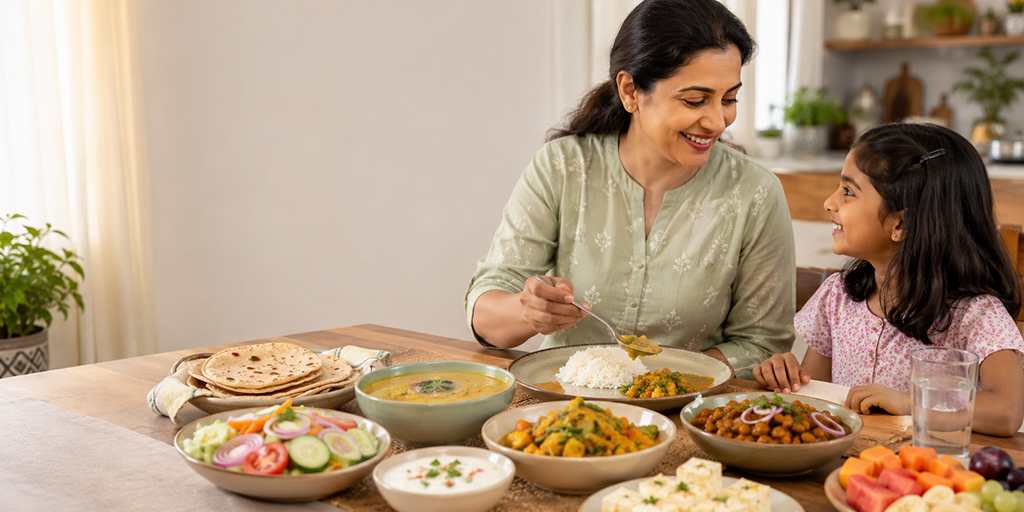
Healthy eating is often made to sound more complicated than it needs to be. Between social media diet trends, packaged foods marketed as “healthy,” and conflicting advice about carbohydrates, fats, and protein, it can be difficult to know what a balanced diet actually looks like. Even home-cooked meals may not always provide the right mix of nutrients if they contain large portions of rice or roti but very little protein, vegetables, or dietary variety.
National Nutrition Week 2026 offers an opportunity to look more closely at the everyday food choices Indian families make. The aim is not to label familiar foods as “good” or “bad,” but to understand where common eating habits may be falling short and how small, realistic changes can make meals more balanced.
To help, in this blog, we’ll discuss what many Indians misunderstand about healthy eating and share practical nutrition tips that can support better health without requiring expensive foods, restrictive diets, or a complete change in the way you eat.
National Nutrition Week 2026: Date, Purpose and Theme
National Nutrition Week is observed across India every year from 1 to 7 September. The initiative was introduced by the Food and Nutrition Board in 1982 to increase awareness about the role of nutrition in health, productivity, and overall development.
The week encourages people to look beyond simply eating enough and consider whether their everyday meals provide the right balance of nutrients. It also reminds families that healthy eating does not have to involve expensive ingredients or complicated meal plans. Small changes, such as adding more vegetables, including a source of protein in each meal, and limiting highly processed foods, can make a meaningful difference over time.
National Nutrition Week 2026 Theme
At the time of writing, the official theme for National Nutrition Week 2026 had not been confirmed through Government of India sources. This section will be updated once the Ministry of Women and Child Development or another relevant government authority makes an official announcement.
Regardless of the annual theme, the broader message remains important: nutrition awareness should help people make informed and practical food choices that suit their age, health needs, lifestyle, and cultural preferences.
Why Healthy Eating is Still Misunderstood in India
Most people know that healthy eating matters, but understanding what it looks like in everyday life is not always easy. Food choices are shaped by family habits, cultural preferences, busy work schedules, convenience, budget, and the advice people see online. As a result, even well-intentioned choices may not always lead to a balanced diet.
For example, some people assume that home-cooked food is automatically healthy, while others believe that eating less is the best way to lose weight. Packaged products labelled “multigrain,” “low-fat,” or “sugar-free” may also appear healthier than they really are. At the same time, social media trends often promote expensive superfoods, detox plans, or restrictive diets that are difficult to follow and may not meet individual nutritional needs.
Healthy eating is not about avoiding entire food groups or depending on one “perfect” food. It is about eating a variety of foods in suitable portions and including enough protein, vegetables, fruits, whole grains, and healthy fats. The most effective changes are usually the ones that fit naturally into a person’s routine and can be maintained over time.
8 Healthy Eating Mistakes Many Indians Make
Healthy eating mistakes are not always obvious. In fact, many of them come from habits that seem sensible, such as relying only on home-cooked meals, cutting out carbohydrates completely, or choosing packaged foods with “healthy” claims on the label.
The good news is that eating better does not require giving up familiar foods or following a rigid diet. Often, it simply means understanding what may be missing from a meal and making small changes to improve its balance.
1. Assuming All Home-Cooked Food is Automatically Healthy
Home-cooked food is often a healthier choice because it gives you more control over the ingredients, cooking methods, and portion sizes. However, a meal prepared at home is not automatically balanced.
For example, a plate may contain several rotis or a large serving of rice, along with a small portion of sabzi and very little protein. Meals can also become high in calories, salt, or saturated fat when they regularly include large amounts of oil, ghee, butter, fried foods, pickles, or papad.
This does not mean that traditional Indian meals are unhealthy. Most can be made more balanced with a few simple adjustments. You can reduce an oversized portion of rice or roti, add dal, curd, paneer, egg, fish, or another protein-rich food, and include more vegetables or salad.
The aim is not to remove carbohydrates from the plate, but to make sure they are not the only major part of the meal. A balanced home-cooked meal should provide a mix of carbohydrates, protein, vegetables, and healthy fats rather than relying too heavily on one food group.
2. Eating Plenty of Carbohydrates but Too Little Protein
Many Indian meals are built mainly around rice, roti, poha, upma, or other carbohydrate-rich foods. While these foods provide energy, the meal may still fall short if it contains only a small amount of dal, dairy, eggs, soy, fish, meat, or another protein source.
Protein plays an important role in muscle maintenance, growth, tissue repair, immunity, and recovery from illness. It becomes especially important for children, pregnant women, older adults, people recovering from surgery, and those trying to manage their weight.
A simple way to improve protein intake is to include a protein-rich food in every main meal. Options may include:
- Dal, rajma, chana, or other pulses
- Milk, curd, paneer, or unsweetened yoghurt
- Eggs
- Soybean, tofu, or soy chunks
- Fish, chicken, or lean meat
- Nuts and seeds
Combining foods can also improve the overall quality of a meal. For example, rice with dal, roti with chana, or idli with sambar provides a better nutritional balance than eating the cereal-based food alone.
Protein requirements vary according to age, body weight, health status, and activity level, so people with specific medical or nutritional concerns should consult a qualified dietitian rather than rely on a one-size-fits-all target.
3. Not Eating Enough Vegetables, Fruits, or Food Variety
A meal may fill the stomach without providing the full range of nutrients the body needs. This often happens when most meals are built around the same cereals, with only a small portion of vegetables and little variation from one day to the next.
Different foods provide different vitamins, minerals, fibre, and protective plant compounds. This is why dietary variety matters. Instead of relying on one or two familiar vegetables, try including seasonal produce of different colours, along with pulses, fruits, nuts, seeds, and dairy products or suitable alternatives. The ICMR-National Institute of Nutrition recommends eating a diverse diet that includes a variety of vegetables and locally available seasonal fruits.
Whole fruit is generally a better everyday choice than fruit juice because it provides fibre and is usually more filling. Even juice with no added sugar can contain a significant amount of free sugar, making it easy to consume more than intended.
Eating a varied diet does not require expensive or imported foods. Seasonal options such as guava, papaya, amla, spinach, carrots, pumpkin, beans, and locally available greens can be affordable and nutritious. The goal is to add at least one vegetable to each main meal and choose whole fruit as a snack whenever possible.
4. Misleading Food Labels
Many packaged foods are marketed using terms such as “healthy,” “natural,” “multigrain,” “high-protein,” “low-fat,” “baked,” or “sugar-free.” These claims can make a product appear more nutritious than it actually is because they usually highlight only one feature and may not reflect its complete nutritional value.
For example, a low-fat product may contain added sugar to improve its taste, while a baked snack may still be high in salt, refined flour, or saturated fat. Similarly, breakfast cereals and protein bars may provide certain nutrients but also contain significant amounts of sugar, sweeteners, or calories.
Before buying a packaged product, check:
- The ingredients list, particularly the first three ingredients
- Added sugars and sweeteners
- Sodium or salt content
- Saturated and trans fats
- The serving size
- Whether the product is made mainly from whole or highly refined ingredients
Ingredients are generally listed in descending order by weight, which means those appearing first make up the largest proportion of the product. It is also important to compare the serving size mentioned on the label with the quantity you are likely to eat.
Packaged foods do not need to be avoided completely. However, regularly choosing products based only on front-of-pack claims may increase the intake of added sugar, salt, unhealthy fats, and excess calories. Reading the nutrition facts and ingredient list can help families make informed choices, maintain a healthy weight, and reduce long-term health risks.
5. Overlooking Hidden Sugar, Salt, and Fat
Most people associate excess sugar with sweets, salt with the salt shaker, and fat with visibly oily food. However, significant amounts can also come from foods and drinks that do not always taste especially sweet, salty, or greasy.
Common sources include:
- Biscuits, cakes, breakfast cereals, and flavoured yoghurt
- Packaged juices, soft drinks, and sweetened tea or coffee
- Namkeen, chips, instant noodles, and ready-to-eat meals
- Sauces, ketchup, chutneys, pickles, and papad
- Bakery products and packaged snacks
Eating these foods occasionally is unlikely to determine the quality of the entire diet. The concern arises when several of them are consumed regularly or in large portions, as the sugar, sodium, and saturated fat can add up across the day. Diets high in free sugars, sodium, and unhealthy fats are associated with an increased risk of obesity and other non-communicable diseases.
It is also important to remember that jaggery, honey, syrups, and brown or coconut sugar are still sources of sugar. WHO classifies sugars added to foods and drinks, as well as those naturally present in honey, syrups, and fruit juices, as “free sugars,” which should be consumed in moderation.
Checking nutrition labels, comparing similar products, and gradually reducing the amount of sugar, salt, and highly processed foods in the diet can help make everyday meals healthier without requiring complete restriction.
6. Ignoring Portion Sizes Because the Food Is Healthy
Nutritious foods can still contribute more calories than expected when eaten in large quantities. Nuts, seeds, ghee, smoothies, granola, paneer, and dried fruit all provide useful nutrients, but portion size still matters.
The same applies to regular meals. Eating several rotis along with a large serving of rice, or repeatedly taking second helpings without checking hunger, can make an otherwise balanced meal heavier than the body needs. Restaurant portions and large snack packets can also make it easy to eat more than intended.
Portion control does not mean starving yourself, skipping meals, or measuring every bite. It simply means paying attention to how much you are eating and whether the portion matches your hunger, activity level, age, and health goals.
A practical approach is to:
- Serve food on a regular-sized plate rather than eating directly from a packet or container
- Keep vegetables and protein as visible parts of the meal
- Start with a moderate portion and take more only if you are still genuinely hungry
- Eat slowly enough to notice when you begin to feel comfortably full
- Avoid treating “healthy” snacks as unlimited
The aim is not to eat as little as possible, but to eat enough to feel satisfied without regularly going beyond what your body needs.
7. Skipping Meals, Following Crash Diets, or Trying Detox Plans
Skipping meals or following a highly restrictive diet may seem like a quick way to lose weight, especially when social media promises dramatic results in a short time. However, these approaches are often difficult to maintain and may leave the body without enough energy, protein, fibre, vitamins, and minerals.
Long gaps between meals can also lead to intense hunger later in the day, making it harder to manage portions or make balanced food choices. Very low-calorie diets may produce rapid weight loss, but losing weight too quickly can increase the risk of health problems such as gallstones. Such diets should only be followed under medical supervision when clinically appropriate.
Detox juices, teas, and cleanses are another common trend. These plans often claim to remove toxins, improve digestion, or accelerate weight loss, but the body already has organs such as the liver and kidneys that carry out these functions. Detox diets may also restrict important food groups and provide little protein or fibre.
A healthier approach is to focus on regular, balanced meals that can be sustained over time. Instead of cutting out entire food groups, aim to include vegetables, protein-rich foods, whole or minimally refined grains, fruit, and healthy fats in suitable portions. A healthy diet should provide variety and meet the body’s nutritional needs rather than depend on short-term restriction.
People who are pregnant, breastfeeding, living with diabetes, kidney or liver disease, taking regular medicines, or recovering from an illness should speak with a doctor or qualified dietitian before fasting or beginning a restrictive diet.
8. Relying on Supplements Instead of Improving the Overall Diet
Vitamin tablets, protein powders, herbal products, and other supplements are often marketed as an easy way to improve health. While they can be useful in certain situations, they are not a substitute for a balanced and varied diet.
Supplements may be recommended when a person has a confirmed nutritional deficiency, increased requirements, restricted food intake, or a medical condition that affects nutrient absorption. For example, a doctor may advise iron, vitamin D, vitamin B12, calcium, or another supplement after assessing the person’s symptoms, diet, medical history, and test results.
However, taking supplements without professional guidance may not provide any added benefit and can sometimes cause harm. High doses of certain vitamins and minerals may lead to side effects, interact with medicines, or result in excessive nutrient intake. Herbal and “natural” supplements should also not be assumed to be completely safe.
Protein supplements are also unnecessary for most people who can meet their needs through regular foods. The ICMR-National Institute of Nutrition recommends obtaining protein and other nutrients primarily through a diverse diet rather than depending routinely on protein powders or supplements.
The better approach is to first improve everyday meals by including vegetables, fruits, whole grains, pulses, dairy products or suitable alternatives, nuts, seeds, eggs, fish, or lean meat according to personal preferences. Supplements should be used to address a specific need, not to compensate for an otherwise unbalanced diet.
Also Read: What Happens When the Body Does Not Get Enough Vitamin D?
What Does a Balanced Indian Plate Actually Look Like?
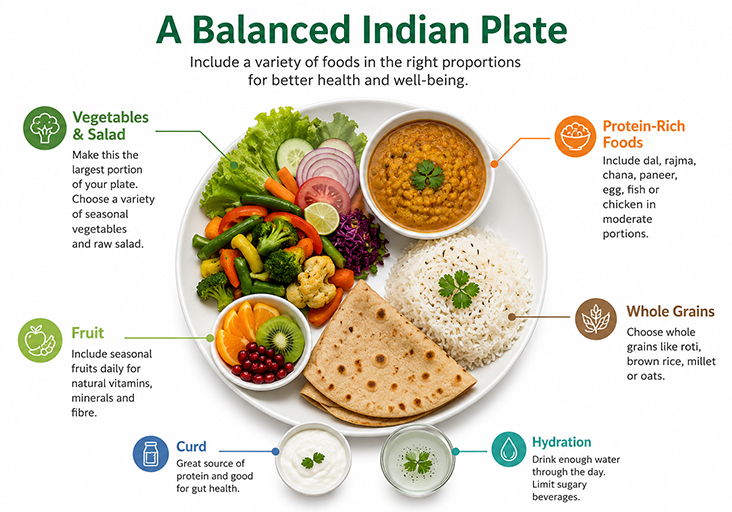
A balanced Indian plate does not require expensive ingredients, imported superfoods, or a completely different way of eating. It can be built using familiar foods such as roti, rice, dal, sabzi, curd, eggs, paneer, fish, and seasonal fruit. What matters is how these foods are combined and how much space each food group occupies in the meal.
The ICMR-National Institute of Nutrition’s “My Plate for the Day” model encourages a varied diet that includes cereals or millets, pulses or other protein-rich foods, vegetables, fruits, milk or curd, nuts, seeds, and limited quantities of cooking oils. It also recommends choosing fresh and minimally processed foods whenever possible.
A simple everyday plate may include:
- A generous portion of cooked vegetables or salad
- A moderate serving of rice, roti, millet, or another cereal
- A protein source such as dal, rajma, chana, soybean, paneer, curd, egg, fish, or lean meat
- A small amount of healthy fat used in cooking
- Seasonal fruit alongside or between meals
For example, a meal of roti, dal, seasonal sabzi, salad, and curd offers more variety than roti and sabzi alone. Similarly, rice with rajma or chana, vegetables, and curd is more balanced than a large plate of rice with only a small amount of gravy. Breakfast options such as vegetable idli with sambar, poha with peanuts and curd, or eggs with roti and vegetables can also provide a useful mix of nutrients.
There is no single plate that works for everyone. Portion sizes and food choices should be adjusted according to age, activity level, health conditions, pregnancy, and individual dietary preferences. The aim is not to make every meal perfect, but to regularly include a wider variety of foods in sensible portions.
How Do Daily Nutritional Requirements Differ?
There is no single diet plan that works equally well for everyone. Nutritional needs change according to age, activity level, body size, health status, and stage of life.
Age and Stage of Life
Children and teenagers need enough energy, protein, calcium, iron, and other nutrients to support growth and development. During pregnancy and breastfeeding, nutritional needs may increase to support both the mother and baby.
Older adults may require greater attention to protein, calcium, vitamin D, and vitamin B12, particularly if their appetite, mobility, or ability to absorb nutrients has changed.
Activity Level and Body Requirements
A person who exercises regularly or performs physically demanding work may need more energy and protein than someone with a less active routine. Body size, metabolism, and personal health goals, such as weight loss or muscle gain, can also influence how much food a person needs.
This is why following another person’s diet plan or copying a meal plan from social media may not provide the right nutrition for your body.
Medical Conditions and Dietary Preferences
Certain medical conditions may require specific dietary changes. For example, someone with diabetes may need to manage the type and quantity of carbohydrates they eat, while a person with kidney, liver, or heart disease may need individual guidance on protein, salt, fat, or fluid intake.
Vegetarian and vegan diets can also meet nutritional needs when they are planned carefully. However, extra attention may be needed to ensure adequate intake of protein, iron, vitamin B12, calcium, and omega-3 fats.
General healthy-eating guidelines can provide a useful starting point, but they should not replace personalised advice. A qualified dietitian or doctor can assess your nutritional needs and recommend a balanced diet without imposing unnecessary restrictions.
Simple Nutrition Tips Indian Families Can Start Today
Healthy eating does not require a complete change in the way your family cooks or eats. Small, consistent improvements are often easier to maintain and can make everyday meals more balanced over time.
Add a Protein Source to Every Main Meal
Try to include dal, chana, rajma, curd, paneer, eggs, soybean, fish, chicken, or another protein-rich food with breakfast, lunch, and dinner. Even a small addition can improve the nutritional balance of a meal.
Make Vegetables a Regular Part of the Plate
Instead of treating vegetables as a small side dish, aim to include them more generously in main meals. Seasonal vegetables are often more affordable and can be added to dal, poha, upma, paratha, khichdi, sandwiches, or curries.
Choose Whole Fruit More Often Than Juice
Whole fruit provides fibre and is generally more filling than juice. Keep easy-to-eat options such as bananas, guava, papaya, oranges, or apples available for snacks.
Reduce Sugar and Salt Gradually
There is no need to make sudden, extreme changes. Start by adding slightly less sugar to tea or coffee, limiting sugary drinks, and reducing the frequent use of pickles, papad, sauces, and packaged snacks.
Plan Simple, Nutritious Snacks
When hunger strikes between meals, options such as roasted chana, fruit, curd, boiled eggs, nuts, makhana, or a homemade sandwich can be more nourishing than biscuits, namkeen, or fried snacks.
Avoid Eating Directly From Packets
Serving snacks in a small bowl makes it easier to notice how much you are eating. Large packets often encourage mindless eating, especially while watching television or working.
Read Food Labels Before Buying
Compare similar products and check the ingredient list, added sugar, sodium, saturated fat, and serving size. A product labelled “healthy,” “multigrain,” or “low-fat” may still contain ingredients that are best consumed occasionally.
Make Healthy Choices Easier at Home
Keep fruit washed and visible, prepare vegetables in advance, stock simple protein-rich foods, and plan a few basic meals for busy days. Families are more likely to eat well when nutritious options are convenient and easily available.
The goal is not to follow every tip perfectly. Choosing one or two realistic changes and practising them consistently can be more effective than attempting a complete diet overhaul that is difficult to maintain.
The Deadly Duo Behind Childhood Obesity
Excessive screen time and frequent consumption of packaged snacks can create an unhealthy cycle for children. Spending long hours watching television, using mobile phones, or playing video games may leave less time for outdoor play and other forms of physical activity. Screen time is also commonly accompanied by mindless snacking on chips, biscuits, sweets, sugary drinks, and other highly processed foods.
Over time, limited physical activity combined with frequent intake of calorie-dense packaged foods may contribute to excess weight gain and increase the risk of long-term health problems. It can also make unhealthy eating and sedentary behaviour part of a child’s regular routine.
Parents and caregivers can help by encouraging daily outdoor play, setting reasonable limits on recreational screen time, serving balanced meals, and keeping healthier snacks easily available. Fruit, curd, roasted chana, boiled eggs, nuts in age-appropriate portions, makhana, or simple homemade snacks can be offered more often than packaged alternatives.
The aim is not to completely ban screens or occasional treats. It is to create routines that make physical activity, balanced meals, and healthier snack choices a natural part of everyday family life.
Signs Your Diet May Not Be Meeting Your Nutritional Needs
Nutritional deficiencies do not always cause obvious symptoms in the early stages. Over time, however, the body may begin to show signs that it is not receiving or absorbing enough of certain nutrients.
Possible warning signs may include:
- Persistent tiredness or weakness
- Difficulty concentrating
- Unexplained weight loss
- Pale skin
- Increased hair fall
- Brittle or easily broken nails
- Frequent mouth ulcers or a sore tongue
- Dizziness or breathlessness
- Poor appetite
- Frequent illness or slow recovery
For example, deficiencies of iron, vitamin B12, or folate may cause symptoms such as fatigue, weakness, pale skin, mouth ulcers, or difficulty concentrating. However, these symptoms are not specific to nutritional deficiencies and may also occur due to thyroid disorders, infections, blood loss, stress, or other medical conditions.
Avoid diagnosing a deficiency or starting supplements based on symptoms alone. If these concerns persist, consult a doctor or qualified dietitian. Depending on your symptoms, dietary habits, and medical history, they may recommend appropriate blood tests or other investigations before suggesting treatment.
Also Read: Understanding Vitamin B12 Deficiency: Causes, Symptoms, and Treatment
When Should You Consult a Dietitian?
General nutrition advice can be helpful, but there are times when a personalised plan is safer and more effective. Consider consulting a qualified dietitian if you:
- Have diabetes, obesity, fatty liver, kidney disease, heart disease, or another long-term condition
- Are pregnant, breastfeeding, or planning a pregnancy
- Have unexplained weight gain or weight loss
- Experience ongoing digestive problems or suspected food intolerances
- Are recovering from surgery or a serious illness
- Have been diagnosed with a vitamin, mineral, or protein deficiency
- Need guidance about a child’s growth, eating habits, or nutritional needs
- Are considering a restrictive diet, fasting plan, or weight-loss programme
A dietitian can assess your eating habits, medical history, lifestyle, and nutritional requirements before recommending practical changes. This helps ensure that the diet supports your health without removing foods unnecessarily or relying on unsuitable supplements.
At Graphic Era Hospital, the Nutrition and Dietetics team provides personalised dietary guidance for people with different health needs and life-stage requirements.
For personalised nutrition guidance, call 1800 889 7351 to consult a dietitian at Graphic Era Hospital. The helpline is available 24 hours a day, seven days a week.
Final Word
Healthy eating does not have to mean expensive superfoods, strict meal plans, or giving up the foods you enjoy. In most cases, it starts with simple changes such as adding more vegetables, including enough protein, choosing whole foods more often, and paying attention to portion sizes.
National Nutrition Week 2026 is a useful reminder to look beyond food trends and focus on what the body actually needs. A balanced diet is not about eating perfectly every day. It is about building habits that are practical, varied, and suited to your age, lifestyle, and health needs.
Even one or two consistent changes can make a meaningful difference over time. If you are unsure whether your current diet is meeting your nutritional needs, a qualified dietitian can help you make informed choices without unnecessary restrictions or confusion.














 Emergency 24×7 : 1800 889 7351