
Pimples on the Face: Causes, Home Remedies and Medical Treatment
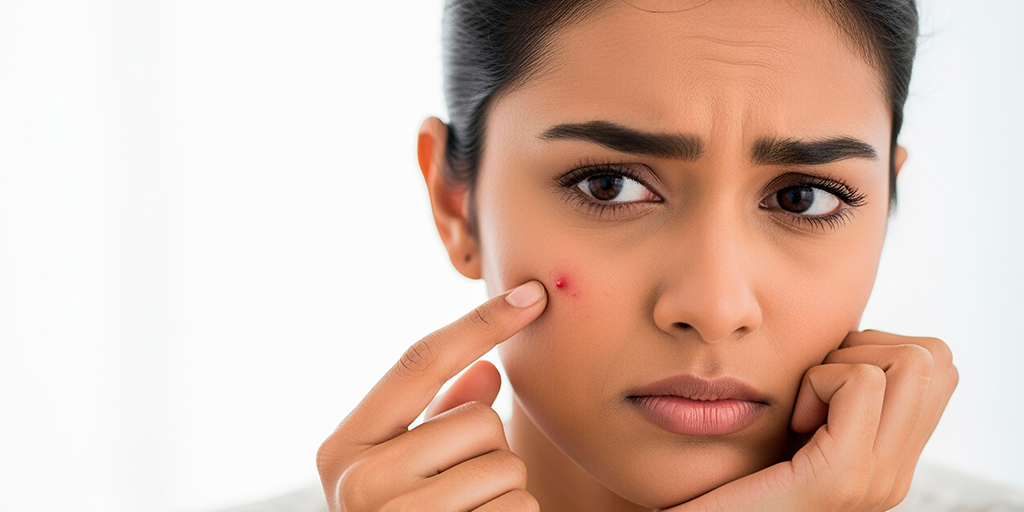
Facial pimples are one of the most common skin concerns across age groups, affecting millions of people worldwide regardless of their skin type, ethnicity or lifestyle. Although they may seem like a minor inconvenience, recurring breakouts can impact not just skin but also confidence. While there is no dearth of treatment options claiming to address the problem for good, understanding why pimples show up is the first step towards getting rid of them. In this blog, we’ll break down the real causes behind facial pimples, walk you through tried and tested home remedies, and cover the available medical treatments.
What Causes Pimples on the Face?
Pimples on the face do not appear for a single reason. They usually develop due to changes inside the skin along with certain daily habits that affect how pores function. The most common causes include:
1. Excess Oil Production
The skin produces oil to keep itself moisturised and protected. When this production increases more than needed, the extra oil mixes with dead skin cells and settles into the pores. This creates a blockage that can later turn into pimples.
2. Blocked Pores
Pores can easily get blocked when oil, dead skin cells, and dirt accumulate on the surface of the skin. Once a pore is blocked, it can form different types of pimples such as whiteheads, blackheads, or inflamed bumps depending on how deep the blockage is.
3. Hormonal Changes
Fluctuations in hormone levels can directly affect how much oil the skin produces. This is commonly seen during puberty, menstrual cycles, pregnancy, or conditions like PCOS. Increased oil during these phases often leads to more frequent breakouts.
4. Bacteria on the Skin
A naturally occurring bacteria on the skin can enter blocked pores and multiply. This leads to irritation inside the pore, causing redness, swelling, and sometimes pain around the pimple.
5. Diet and Lifestyle Factors
Certain foods, especially those high in sugar and dairy, can influence how the skin behaves in some people. Along with this, lack of sleep and high stress levels can also make the skin more reactive, which may increase breakouts.
6. Incorrect Skincare Products
Using skincare or makeup products that are too heavy or not suited for the skin type can clog pores further. Harsh products can also strip the skin of its natural balance, leading to irritation and worsening of acne over time.
Read Also : Summer Skincare Routine: Quick and Effective Care for Every Skin Type
Common Triggers That Make Pimples Worse
Pimples often do not form in isolation. Certain everyday habits and conditions can make breakouts more frequent, inflamed, or harder to control. The most common triggers include:
- Touching the Face Frequently: Hands carry oil, dirt, and bacteria that transfer easily to the skin and can worsen existing breakouts.
- Picking or Squeezing Pimples: This pushes inflammation deeper into the skin and increases the risk of marks, scars, and prolonged healing.
- Dirty Pillowcases and Towels: Unwashed fabrics collect sweat, oil, and bacteria, which repeatedly come in contact with the skin and can trigger new breakouts.
- Heavy or Unsuitable Makeup: Products that clog pores trap oil and dirt, making pimples more persistent and slowing down skin recovery.
- Not Removing Makeup Properly: Leftover makeup mixes with skin oil and blocks pores, often leading to breakouts overnight.
- Excess Sweating Without Cleansing: Sweat left on the skin can combine with bacteria and lead to irritation or clogged pores.
- High Stress Levels: Stress can affect hormone balance and increase oil production, which may worsen acne.
- Poor Sleep Routine: Inadequate sleep slows down skin repair and can make active breakouts appear more inflamed.
Home Remedies to Treat Pimples
Home remedies can help manage mild pimples by calming inflammation, reducing excess oil, and keeping the skin cleaner. The following methods do not give instant results but can support basic skin care when used correctly and consistently:
- Cold Compress: Wrapping ice in a clean cloth and placing it gently on a pimple can help reduce swelling, redness, and pain. It is especially useful for inflamed or painful pimples and should be applied for short intervals to avoid skin irritation.
- Pimple Patches: These small adhesive patches are placed directly over a pimple to absorb excess oil and protect the area from dirt and touching. They can also help reduce the urge to pick at pimples and support faster healing of surface-level breakouts.
- Aloe Vera Gel: Fresh aloe vera gel has a cooling and soothing effect on the skin. It can help reduce redness and calm irritated areas. Applying a thin layer on clean skin and leaving it on for some time may support healing of mild breakouts.
- Honey Spot Application: Raw honey can be applied directly on individual pimples as a spot treatment. Its mild antibacterial properties help reduce irritation and support healing. It should be left on for a short period before rinsing off gently.
- Tea Tree Oil (Diluted Use Only): Tea tree oil is known for its antibacterial properties, but it should never be used directly on the skin. When properly diluted with a carrier oil, it can be applied to active pimples to help reduce bacteria and inflammation.
- Steam Facial (Occasional Use): Gentle steaming helps soften the skin and loosen oil and dirt trapped inside pores. After steaming, cleansing the face helps remove impurities more effectively. It should not be done too often as it can irritate sensitive skin.
- Multani Mitti Face Pack: This natural clay helps absorb excess oil from the skin, making it useful for oily or acne-prone skin. When applied as a face pack, it can help reduce greasiness and prevent clogged pores if used once or twice a week.
- Gentle Cleansing Routine: Washing the face twice a day with a mild cleanser helps remove buildup of oil, sweat, and dirt. Overwashing should be avoided as it can irritate the skin and lead to more oil production.
Medical Treatment for Pimples
For pimples that are frequent, painful, or not improving with basic care, medical treatment can help control breakouts and reduce the chances of scarring. The treatment will depend on the cause of the pimples. These include:
- Topical Medications: Doctors may suggest creams or gels that help reduce oil production, clear clogged pores, and control bacteria on the skin. These are often used for mild to moderate acne and applied directly to affected areas.
- Oral Medications: For more persistent acne, tablets may be prescribed to help reduce inflammation, control bacterial growth, or manage hormone-related breakouts. These are usually given for a limited duration under medical supervision.
- Hormonal Treatment Options: In cases where acne is linked to hormonal imbalance, treatment may focus on regulating hormone levels to reduce oil production and breakouts over time.
- Chemical Peels: These treatments use controlled solutions to remove the outer layer of dead skin cells. This helps unclog pores, reduce oiliness, and improve mild acne along with skin texture.
- Procedural Treatments: For stubborn or inflamed acne, dermatological procedures such as comedone extraction or light-based therapies may be recommended to reduce active breakouts and prevent worsening.
Consult a Dermatologist at Graphic Era Hospital
If pimples keep coming back, become painful, or leave marks on the skin, it is better to get them checked by a specialist instead of trying random treatments. A dermatologist can look at what is actually causing the breakouts and suggest a treatment plan that suits the skin condition. For proper evaluation and treatment, consult a dermatologist at Graphic Era Hospital and get the right care for persistent pimples.
Frequently Asked Questions
Can pimples appear even if the face is kept clean?
Yes, clean skin can still develop pimples. Factors such as hormones, oil production, and skin sensitivity can lead to breakouts even with regular cleansing.
Do pimples go away on their own?
Some mild pimples may settle without treatment, but recurring or inflamed ones often need proper care to prevent them from worsening or leaving marks.
Is it normal to get pimples in the same spot repeatedly?
Yes, repeated pimples in the same area can happen due to pores that remain prone to clogging or ongoing irritation in that part of the skin.
Can weather changes affect pimples?
Yes, hot and humid weather can increase oil and sweat, while colder weather can dry out the skin. Both conditions can disturb the skin balance and lead to breakouts.
Do pimples always leave marks behind?
Not all pimples leave marks. Marks are more likely if pimples are inflamed, picked, or not treated properly.
Is it safe to apply multiple treatments at the same time?
Using too many treatments together can irritate the skin and make acne worse. It is usually better to follow a simple and consistent approach.
Can shaving or facial hair removal cause pimples?
Yes, improper shaving or hair removal can irritate the skin and lead to small bumps or pimples, especially if the skin is sensitive.
How long does it take for pimples to heal?
The time can vary depending on the type and severity. Some may settle in a few days, while deeper or inflamed pimples can take longer to heal.
What is the difference between acne and pimples?
Pimples are individual bumps that appear on the skin, such as whiteheads, blackheads, or inflamed spots. Acne is a broader skin condition that includes frequent or recurring pimples along with other signs like oiliness, clogged pores, and sometimes deeper lesions.











 Emergency 24×7 : 1800 889 7351