World Mental Health Day 2026: Listening to Lived Experiences and Driving Change
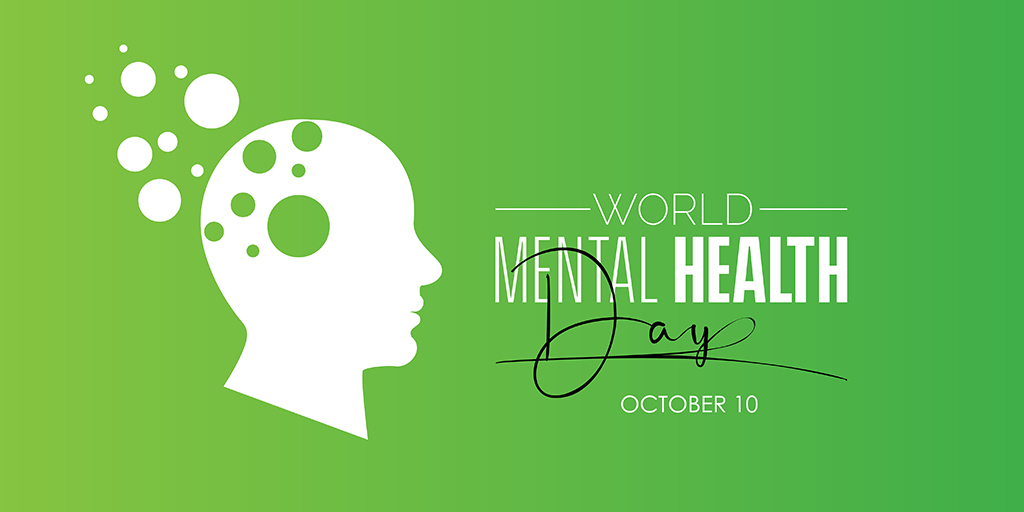
Mental health policies and services are often planned for people, but not always with them. World Mental Health Day, observed on 10 October, reminds us that meaningful change begins by listening to those who have experienced mental health challenges firsthand. The official 2026 theme, “Lived Experiences Heard: Real Voices, Real Change,” calls for these voices to play a central role in shaping care, policies and public conversations.
By listening without judgement and treating lived experience as a valuable source of insight, families, healthcare systems, workplaces and communities can provide support that is more respectful, responsive and accessible. This World Mental Health Day, the focus must move beyond raising awareness to ensuring that people feel heard, included and supported.
World Mental Health Day 2026 at a Glance
| Date | 10 October 2026 |
| Theme | Lived Experiences Heard: Real Voices, Real Change |
| Founded | 1992 |
| Organised by | World Federation for Mental Health |
| 2026 focus | Meaningful involvement of people with lived experience in mental-health care, services and policy |
What is World Mental Health Day?
World Mental Health Day is observed every year on 10 October to raise awareness about mental health issues,reduce stigma and encourage better access to support and care. It was first observed in 1992 by the World Federation for Mental Health, and since then, it has grown into a worldwide movement supported by the World Health Organization (WHO) and numerous advocacy groups.
The day provides a global platform for open conversations about mental health and draws attention to gaps in awareness, treatment and support. More importantly, it encourages communities and decision-makers to turn these conversations into practical changes that make mental healthcare more accessible, respectful and responsive to people’s needs.
World Mental Health Day 2026: Theme and Significance
The official theme for World Mental Health Day 2026 is “Lived Experiences Heard: Real Voices, Real Change.” It focuses on ensuring that people who have personally experienced mental health challenges are not only listened to, but also meaningfully involved in shaping mental health care, services and policies.
In mental healthcare, lived experience refers to the knowledge and understanding that come from personally experiencing a mental health condition, seeking care, going through treatment or recovery, or supporting someone through these experiences. These perspectives can reveal practical gaps in care that may not always be visible through clinical or policy discussions alone.
The 2026 theme calls for this experience to inform:
- Treatment decisions: People should have a meaningful role in decisions about their own care, goals and treatment preferences.
- Mental health services: Feedback from people who use mental health services can help make care more respectful, accessible and responsive to real needs.
- Policies and programmes: People with lived experience can contribute to the design of mental health policies, community programmes and support systems.
- Peer support: People who have faced similar challenges may provide understanding, encouragement and practical insight alongside professional care.
- Research and advocacy: Lived experiences can help identify priorities that matter most to people directly affected by mental health conditions.
WHO has also emphasised that lived experience should go beyond symbolic participation and should genuinely influence decisions and long-term changes in mental health systems.
The message is simple: better mental healthcare develops when professional expertise and lived experience inform each other.
Why Mental Health Awareness Still Matters
Mental health concerns remain widespread despite greater public conversation around them. According to the latest World Health Organization data, more than 1 billion people worldwide live with a mental health condition, with anxiety and depressive disorders being the most common. Many still do not receive adequate care because of stigma, limited services and shortages of trained mental health professionals.
At the same time, newer challenges are shaping mental well-being. WHO reports that around 1 in 6 people globally experiences loneliness, with adolescents and young adults among the most affected groups. Changes in work, study, relationships, urban lifestyles and the way people connect through technology have made social disconnection an important public-health concern.
Mental health awareness therefore matters because it helps people:
- Recognise concerns early: Persistent sadness, anxiety, irritability, sleep changes, loss of interest, difficulty concentrating or withdrawal from usual activities may indicate that support is needed.
- Understand that mental health concerns are not a sign of weakness: Accurate information helps challenge stigma and makes it easier to seek professional help without shame or fear of judgement.
- Notice the impact of loneliness and isolation: A person may appear socially connected and still feel lonely or unsupported. Recognising this makes it easier to check in, listen and offer meaningful support.
- Seek help before symptoms begin to disrupt daily life: Timely assessment may prevent concerns from becoming more difficult to manage and helps identify the right form of treatment or support.
- Respond with understanding rather than assumptions: Mental health conditions affect people differently. Listening to what someone is experiencing helps families, workplaces and healthcare professionals provide support that is actually useful.
Greater awareness is therefore not only about talking more openly about mental health. It is about recognising distress earlier, responding without judgement and making it easier for people to access support when they need it.
Common Barriers to Accessing Mental Health Care
Knowing that help is needed does not always mean that help is easy to reach. Across the world, many people still face practical, financial and social barriers when trying to access mental health services. WHO’s latest Mental Health Atlas shows that mental health receives only about 2% of government health budgets globally, while the median mental health workforce stands at just 13 professionals per 100,000 people. These gaps are even wider in many low- and middle-income countries.
Some of the most common barriers include:
- Fear of judgement: Concerns about being labelled, misunderstood or treated differently may stop people from speaking openly about anxiety, depression or other mental health concerns.
- Limited availability of professionals: In many areas, there are too few psychiatrists, psychologists, counsellors and trained mental health workers to meet demand, which may lead to long waiting periods or limited treatment options.
- Cost of care: Consultation fees, therapy sessions, medicines and repeated follow-ups may become difficult to manage, particularly when mental health services are not adequately covered by insurance or public healthcare.
- Distance and access: People living outside major cities may have fewer specialised mental health services nearby, making regular consultations and therapy harder to continue.
- Not knowing where to seek help: It may be unclear whether a concern requires a psychiatrist, psychologist, counsellor or another healthcare professional, which can delay the first step towards care.
- Lack of privacy or confidentiality concerns: Some people may avoid seeking help because they worry that family members, employers, teachers or others will learn about their mental health concerns.
- Services that do not reflect individual needs: Mental healthcare may be less effective when people feel that their experiences, preferences or cultural background are not considered in treatment decisions.
How Lived Experiences Can Improve Mental Health Care
Clinical knowledge is essential in mental healthcare, but it may not always reflect what it feels like to seek help, navigate treatment or manage recovery in everyday life. Feedback from people who have gone through these experiences can help identify gaps and improve the way care is delivered.
Their involvement can help:
- Make treatment more collaborative: People can discuss treatment preferences, concerns, side effects and recovery priorities with their mental health team.
- Improve service design: Feedback may highlight barriers such as long waiting times, unclear referral processes, lack of privacy or communication that feels dismissive.
- Strengthen peer support: People who have faced similar challenges may offer reassurance, practical guidance and a sense of being understood.
- Guide policies and programmes: Firsthand experience can help organisations understand which services work well, where gaps remain and what changes are most useful.
Everyday Habits That Support Mental Well-being
Daily habits do not prevent every mental health condition, but they can support emotional well-being and make it easier to cope with everyday stress. Some practical habits include:
- Maintain a regular sleep routine: Going to bed and waking up at similar times each day supports better sleep quality. Persistent sleep problems may affect mood, concentration and the ability to manage daily tasks.
- Stay physically active: Walking, yoga, cycling, exercise or other regular movement may help reduce stress and support mood and sleep. The activity should suit the person’s health, ability and routine.
- Stay connected with people who feel supportive: Regular contact with family, friends or trusted people can provide emotional support and reduce feelings of isolation. Social connection is an important part of mental well-being.
- Notice when digital use is adding to stress: Constant exposure to distressing news, social comparison or late-night screen use may affect stress and sleep. Taking breaks, setting boundaries around screen time and making space for offline activities may help.
- Eat regular, balanced meals: Skipping meals or relying heavily on highly processed foods may leave energy levels less stable. Regular meals with vegetables, fruits, whole grains, protein-rich foods and enough fluids support overall health.
- Make time to unwind: Breathing exercises, meditation, journalling, spending time outdoors or engaging in a hobby may help with stress management and reduce everyday emotional strain.
- Talk when something feels difficult: Sharing concerns with someone trusted can make distress feel more manageable. When symptoms persist, worsen or begin affecting work, studies, relationships or daily life, professional support becomes important.
How Schools and Workplaces Can Support Mental Well-being
Schools and workplaces shape a large part of everyday life, so the support available in these settings can make a meaningful difference when someone is struggling. The goal is not to turn teachers or managers into mental health professionals, but to create environments where concerns are recognised early, support is easy to access and people feel safe asking for help.
Some practical measures include:
- Provide access to counselling and professional support: Schools can offer counsellor support or referral pathways for students, while workplaces may provide employee assistance programmes, confidential counselling or access to mental health professionals.
- Train staff to recognise warning signs: Teachers, managers and HR teams can learn to notice changes such as withdrawal, persistent distress, falling performance or frequent absence and guide the person towards appropriate support.
- Protect privacy and confidentiality: People are more likely to seek help when they trust that personal mental health information will be handled respectfully and shared only where necessary.
- Create realistic academic and work expectations: Excessive workload, long working hours, bullying, harassment and constant performance pressure may worsen stress. Clear expectations, reasonable workloads and supportive management can reduce avoidable strain.
- Build peer-support systems: Student groups, peer mentors or trained workplace peer supporters may provide an approachable first point of contact, especially for people who are hesitant to speak with a formal authority figure.
- Make policies supportive rather than punitive: Flexible academic arrangements, reasonable workplace adjustments and appropriate leave can help people continue studies or work while receiving treatment or recovering.
- Include students and employees in mental health initiatives: Asking what kind of support feels useful helps institutions design programmes that reflect real needs instead of relying only on assumptions.
When to Seek Professional Help for Mental Health Concerns
Everyone experiences stress, sadness, worry or emotional ups and downs from time to time. Professional support becomes important when these feelings persist, become difficult to manage or begin to affect work, studies, relationships, sleep or everyday responsibilities.
Consider speaking with a mental health professional if there is:
- Persistent sadness or loss of interest: Feeling low, empty or uninterested in usual activities for an extended period may need assessment, particularly when it begins to affect daily functioning.
- Excessive anxiety or worry: Ongoing fear, panic, restlessness or worry that feels difficult to control and interferes with everyday life may indicate an anxiety disorder.
- Changes in sleep or appetite: Sleeping much more or less than usual, persistent insomnia, or marked changes in eating habits may accompany mental health concerns.
- Difficulty concentrating or making decisions: Persistent problems with focus, memory or decision-making may make routine tasks harder to manage.
- Withdrawal from people or activities: Avoiding family, friends, work, studies or activities that were previously meaningful may signal emotional distress.
- Increasing use of alcohol or other substances: Relying on substances to cope with stress, anxiety or low mood deserves professional attention.
- Unusual changes in mood or behaviour: Severe mood swings, marked irritability, agitation, confusion or behaviour that feels very different from usual may require assessment.
- Symptoms that keep returning: Repeated episodes of anxiety, depression or emotional distress may benefit from structured treatment even if symptoms improve temporarily.
A psychologist or counsellor may help with emotional distress, coping difficulties, anxiety, relationship concerns and behavioural patterns through psychological therapies. A psychiatrist is a medical doctor who diagnoses mental health conditions and may prescribe medicines when required.
Mental Health Crisis Support and Emergency Help in India
Some mental health situations require immediate support rather than waiting for a routine appointment. Urgent help is especially important when a person may not be able to keep themselves or someone else safe.
Seek immediate medical or emergency care if there is:
- Thoughts of suicide or self-harm with an immediate risk: This includes a suicide attempt, a specific plan or behaviour suggesting that the person may act on these thoughts.
- Severe confusion or loss of contact with reality: Hallucinations, extreme disorientation or unusual behaviour that places the person or others at risk requires prompt assessment.
- Severe agitation or rapidly worsening behaviour: Sudden, intense changes in behaviour that are difficult to manage safely may require emergency psychiatric care.
- Inability to stay safe or manage basic needs: A person who is unable to care for themselves because of severe mental distress may need urgent medical support.
For immediate mental health support in India, Tele-MANAS is available 24×7 at 14416 or 1800-89-14416. The Government of India service provides tele-mental health support and can guide callers towards appropriate care.
If there is an immediate risk of self-harm, suicide or harm to others, a helpline should not be the only source of support. Call 112 or seek care at the nearest emergency department.
When possible and safe to do so, the person in crisis should not be left alone while urgent help is being arranged.
How World Mental Health Day is Observed Around the World
World Mental Health Day is marked through activities that encourage discussion, learning and action around mental health. In 2026, many initiatives are expected to reflect the focus on real voices and lived experiences.
Common activities include:
- Awareness campaigns: Public messages, social media initiatives and community outreach help share accurate information and challenge stigma.
- Lived-experience discussions: Panels, storytelling sessions and peer-led conversations create space for people to share what has helped, what has not and what needs to change.
- Workshops and seminars: Schools, workplaces, hospitals and community organisations may hold sessions on mental well-being, treatment and access to care.
- Peer-support initiatives: Community groups and mental health organisations may organise support circles or peer-led programmes.
- Advocacy activities: Campaigns may call for better services, stronger policies and greater involvement of people with firsthand experience in mental-health decisions.
The value of these activities lies in turning one-day awareness into practical improvements in how people are heard, supported and connected to care.
Conclusion: Turning Real Voices into Real Change
World Mental Health Day 2026 is a reminder that better mental healthcare begins with listening carefully to the people who experience it firsthand. Awareness matters, but lasting change also depends on reducing stigma, improving access to care and ensuring that people feel respected when they speak about what they are going through.
For persistent anxiety, low mood, emotional distress or other mental health concerns, speaking with a mental health professional can help identify what is affecting well-being and determine the right form of support. At Graphic Era Hospital, Dehradun, our Psychiatry and Clinical Psychology teams provide confidential assessment, counselling, therapy and treatment tailored to individual needs. To book a consultation at Graphic Era Hospital, call 1800-889-7351.
Frequently Asked Questions
What is the theme for World Mental Health Day 2026?
The official theme for World Mental Health Day 2026 is “Lived Experiences Heard: Real Voices, Real Change.” It highlights the importance of listening to people who have experienced mental health challenges firsthand and involving them meaningfully in decisions about care, services and policies.
What does “lived experience” mean in mental healthcare?
Lived experience refers to the knowledge and perspective gained from personally experiencing a mental health condition, seeking treatment, going through recovery or using mental health services. These experiences can help healthcare providers and organisations understand what support works well and where gaps remain.
What are the signs that someone may need professional mental health support?
Persistent sadness, excessive anxiety, loss of interest, major changes in sleep or appetite, difficulty concentrating, social withdrawal or problems managing work, studies or everyday responsibilities may indicate that professional support is needed.
Should anxiety or depression be treated by a psychiatrist or psychologist?
Both may be involved. A psychiatrist is a medical doctor who diagnoses mental health conditions and may prescribe medicines. A psychologist provides psychological assessment and therapies such as counselling or psychotherapy. Treatment may involve one or both depending on the symptoms and individual needs.
Is there a 24×7 mental health helpline in India?
Yes. Tele-MANAS provides 24×7 mental health support across India at 14416 or 1800-89-14416. It can provide counselling and guide callers towards appropriate mental health services.
When does a mental health concern require emergency care?
Immediate help is required when there is a risk of suicide or self-harm, a suicide attempt, severe confusion, hallucinations, extreme agitation or behaviour that places the person or others at risk. In such situations, call 112 or seek care at the nearest emergency department rather than relying only on a helpline.
Are mental health consultations confidential?
Mental health consultations are generally handled confidentially, with personal information protected as part of professional care. There are limited circumstances where information may need to be shared for safety or legal reasons, such as when there is an immediate risk of serious harm.
Which hospital near me offers confidential mental health consultations in Dehradun?
Graphic Era Hospital, Dehradun, provides confidential mental health consultations through its Psychiatry and Clinical Psychology services. Our psychiatrists and psychologists support concerns such as anxiety, depression, stress-related problems and other mental health conditions, with discussions handled sensitively and in accordance with patient privacy and professional confidentiality standards. To book a consultation, call 1800-889-7351.
















 Emergency 24×7 : 1800 889 7351