
World Environment Day 2026: What Climate Change is Doing to Your Health
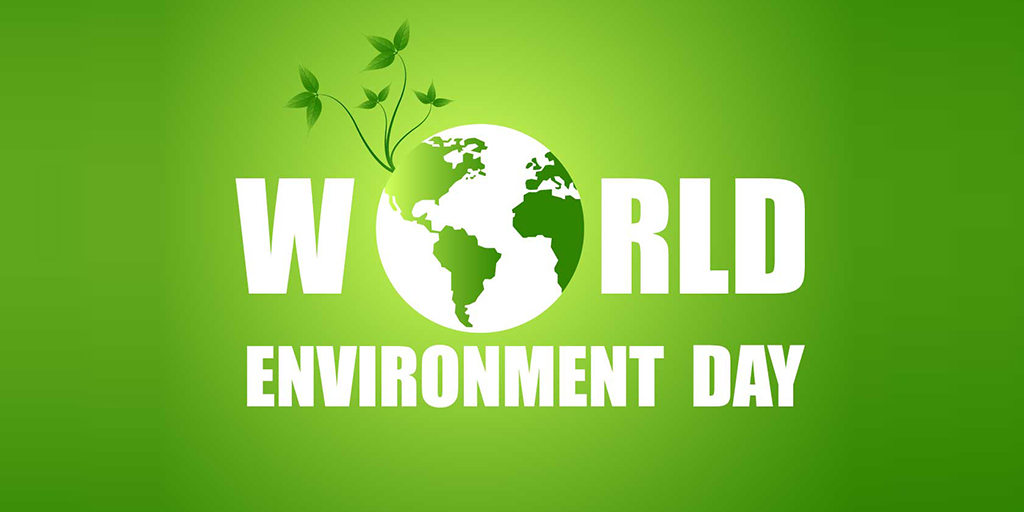
Every year, June 5th is observed as the World Environment Day, serving as a reminder of our shared responsibility towards the planet. But in 2026, the message feels more urgent than ever, not just for ecosystems, but for mankind. The theme for World Environment Day 2026 is “Inspired by Nature. For Climate. For Our Future,” which emphasises that climate change is no longer a distant environmental issue; rather, it is a current public health emergency. Rising temperatures, worsening air quality, and changing disease patterns are already affecting millions. Hospitals today are seeing an increase in respiratory diseases, heat-related illnesses, and stress-related conditions directly linked to environmental changes.
As conversations around environment protection and awareness grow, one critical dimension often gets overlooked: How is climate change affecting your health, and what can you do about it? In this article, we’ll explain the health effects of climate change and how you can protect yourself and your family.
Key Takeaways
- Climate change has evolved into a public health crisis, driving a surge in respiratory, heat-related, and infectious diseases.
- This year’s World Environment Day focus, “Inspired by Nature. For Climate. For Our Future,” emphasizes that nature-based solutions are central to human health and climate resilience.
- Rising air pollution triggers chronic lung inflammation and cardiovascular issues, making regular diagnostic screenings vital.
- Longer, more intense heatwaves are causing severe dehydration and life-threatening heatstroke that require immediate medical intervention.
- Changing weather patterns have accelerated the spread of mosquito-borne diseases like Dengue and Malaria into new regions.
- Environmental uncertainty is fueling “eco-anxiety” and chronic stress, highlighting the need for specialized mental health support.
- Staying healthy in 2026 requires a mix of daily habit adjustments and early medical consultations to prevent long-term damage.
- At Graphic Era Hospital, we provide advanced, multidisciplinary care, from pulmonology to critical ICU support, to manage and treat the growing health effects of our changing environment.
Why We are Talking about Health on World Environment Day 2026
World Environment Day 2026 highlights the urgent need for nature-based solutions to address climate challenges. While the focus is on protecting the environment, it is equally important to understand its direct connection to human health.
We are focusing on health because climate change is no longer only an environmental concern; it is directly impacting our health. Rising temperatures, deteriorating air quality, and shifting disease patterns are already affecting how people breathe, live, and recover from illnesses. In this context, understanding climate change through a health lens makes the issue more immediate, personal, and actionable.
What Climate Change is and Why it Matters for Your Health
Climate change refers to long-term shifts in temperature, weather patterns, and environmental conditions, primarily driven by human activities such as burning fossil fuels, deforestation, and industrial emissions.
To preserve a liveable planet, the IPCC and the Paris Agreement emphasise the urgent need to limit global warming to 1.5°C above pre-industrial levels. Research shows that the catastrophic impacts of climate change are significantly reduced at 1.5°C compared to the higher 2°C threshold, making rapid emission reduction a global priority.
Climate change has a direct and growing effect on human health:
- Increasing global temperatures are leading to more frequent and intense heatwaves
- Air pollution levels are rising, affecting lung and heart health
- Changes in rainfall and humidity are altering the spread of infectious diseases
This is where the connection between climate change and everyday health risks becomes clear. A changing environment creates new risks for your body, and worsens existing ones.
How Climate Change is Affecting Human Health
The health impact of climate change is already visible in the cases reported in hospitals and clinics. Three major pathways explain this connection:
- Air Pollution and Poor Air Quality: Increasing industrialisation and emissions are worsening the health effects of air pollution, leading to chronic breathing problems and cardiovascular diseases.
- Rising Temperatures and Heatwaves: Extreme heat events are becoming more frequent, increasing the risk of dehydration, heatstroke, and even death.
- Changing Disease Patterns: Climate change is expanding the geographic spread of infectious diseases, including mosquito-borne illnesses.
Together, these factors contribute to a significant environmental health impact, affecting both physical and mental well-being.
This is why preventive healthcare is becoming more important than ever. Early detection and lifestyle adjustments can significantly reduce risks.
How Air Pollution is Damaging Your Lungs and Heart
One of the most serious consequences of climate change is worsening air quality. Exposure to polluted air doesn’t just cause discomfort; it can lead to long-term health complications.
Impact on Lung Health and Respiratory Diseases
Air pollution is closely linked to conditions such as:
- Asthma: A condition where the airways become narrow and inflamed, making breathing difficult, especially during exposure to triggers like pollution.
- Chronic Obstructive Pulmonary Disease: A progressive disease that causes long-term breathing problems and reduced lung function, often seen in individuals with prolonged exposure to pollutants or smoking
Pollutants like particulate matter (PM2.5), nitrogen dioxide, and ozone irritate the airways, causing inflammation and reduced lung function. Polluted air can enter the bloodstream and trigger inflammation in blood vessels. This increases the risk of heart-related conditions, including high blood pressure,heart attacks, and stroke. This is why the effects of air pollution are closely linked to declining heart health, especially in urban populations.
One may begin to notice symptoms like a persistent cough, breathlessness, wheezing, or a feeling of tightness in the chest. These are often early signs that one’s lung health is being affected. Ignoring them can lead to more serious complications over time.
When to See a Doctor
- Breathing difficulty that interferes with daily activities
- Symptoms lasting more than two weeks
- Sudden chest discomfort
Early diagnosis through tests like lung function assessments or cardiac screening can help manage the condition effectively and prevent long-term damage.
How Heatwaves and Rising Temperatures Affect Your Body
Another growing concern that deserves attention in World Environment Day 2026 discussions is the rise in extreme heat. Heatwaves are no longer rare; they are becoming longer, more intense, and more dangerous. When the body is exposed to high temperatures for extended periods, it struggles to regulate its internal temperature. This can lead to a range of health conditions.
- Heat Exhaustion: A condition caused by excessive loss of fluids and salts due to high temperatures
- Dehydration: Occurs when the body loses more water than it takes in, especially during prolonged heat exposure
- Heatstroke: A life-threatening condition where the body’s temperature rises dangerously high and its cooling system fails
Common Symptoms
- Excessive sweating
- Dizziness
- Weakness
- Nausea
Warning Signs of a Medical Emergency
- Body temperature above 40°C
- Confusion or disorientation
- Loss of consciousness
Hospital Treatment
Severe heat-related illnesses require immediate medical care. At Graphic Era Hospital, we provide treatments such as Intravenous (IV) fluids, rapid cooling techniques, electrolyte correction, and ICU support in critical cases. Early intervention is crucial in preventing organ damage and fatal outcomes.
Climate Change and the Rising Risk of Infectious Diseases
Climate change is also reshaping how infectious diseases spread. Changes in temperature, rainfall, and humidity are creating conditions where disease-carrying organisms, especially mosquitoes, can thrive.
This has led to an increase in illnesses like Dengue and Malaria, which are now being reported in areas where they were previously uncommon.
- Dengue: A viral infection transmitted by mosquitoes, often causing high fever, severe body pain, and fatigue.
- Malaria: Caused by parasites, it is a condition that can lead to recurring fever, chills, and weakness.
Mosquito populations thrive in warmer, wetter environments, increasing transmission rates. Both conditions can become serious if not diagnosed early.
Symptoms to Watch
- High fever
- Body aches
- Fatigue
- Nausea
Diagnosis and Treatment
At Graphic Era Hospital, we diagnose these conditions through blood tests (NS1 antigen for dengue, malaria antigen tests). Treatment usually focuses on managing symptoms, maintaining hydration, and monitoring for complications. In dengue, for example, platelet levels may drop and require close observation. Early diagnosis plays a key role in recovery and reducing complications.
The Hidden Impact: Climate Change and Mental Health
While physical illnesses are easier to identify, the mental health impact of climate change is often overlooked. Yet, it is becoming an important part of the overall environmental health impact.
People today are not only dealing with rising temperatures and pollution but also the psychological stress that comes with it, including:
- Anxiety and stress
- Eco-anxiety (fear about environmental future)
- Depression linked to disasters or displacement
Signs You Should Not Ignore
- Sleep disturbances
- Persistent worry or fear
- Difficulty concentrating
- Emotional exhaustion
Treatment and Support
Graphic Era Hospital provides comprehensive care for mental health conditions, including treatments such as:
- Counselling and psychotherapy
- Psychiatric evaluation
- Stress management techniques
Addressing mental health early can improve overall well-being and quality of life.
Who is Most at Risk from Climate-Related Health Issues?
As climate-related health risks escalate, the burden is not distributed equally. Protecting our communities requires more than a general healthcare strategy; it demands targeted interventions for those whose biology, occupation, or living conditions place them at the front lines. By identifying these high-risk groups, we can shift from reactive treatment to proactive climate-health resilience.
| Tier | Vulnerable Groups | Primary Risk Factor |
| Biological | Children, Elderly, Pregnant Women | Physiology & Immune Maturity |
| Clinical | Respiratory, Cardiac, Renal, Mental Health patients | Exacerbation of Pre-existing Conditions |
| Socio-Economic | Low-income earners, Women, Migrants, Outdoor Workers | High Exposure & Low Adaptive Capacity |
Recognising these risks is the first step toward intervention. To protect these vulnerable populations, a multi-layered approach is required:
- Early Warning Systems: Governments must implement hyper-local heat and flood alerts (via SMS and community radio) that specifically reach outdoor workers and the elderly.
- Climate-Proof Infrastructure: Upgrading urban housing with “cool roofs” and ensuring hospitals have independent solar power ensures that care remains accessible during extreme weather events.
- Community-Led Monitoring: Training local health workers and ASHA volunteers to recognise early signs of heat stress or vector-borne diseases in high-risk neighbourhoods can save lives before an emergency peaks.
- Financial Resilience: Investing in climate-health insurance and government-backed disaster relief funds ensures that medical costs do not push vulnerable families into a cycle of debt.
When Should You See a Doctor?
Many climate change health effects may begin with mild symptoms but can quickly worsen if left untreated. One of the biggest challenges doctors see today is delayed consultation; patients often ignore early warning signs, assuming they are temporary or weather-related.
However, the reality is that health risks linked to air pollution, heatwaves, and climate change can escalate rapidly. Seeking timely medical care is essential for preventing complications and ensuring better recovery outcomes.
You should consult a doctor at Graphic Era Hospital if you experience:
- Difficulty breathing or shortness of breath, especially in areas with high air pollution levels
- Persistent cough or chest tightness, which may indicate worsening respiratory diseases or declining lung health
- High fever, chills, or suspected infection, particularly during seasons when mosquito-borne diseases are common
- Symptoms of heat exhaustion or heatstroke, such as dizziness, nausea, or confusion, during extreme heat
- Sudden mental health changes, including anxiety, panic, or emotional distress, linked to environmental stress
Early medical intervention allows for accurate diagnosis, timely treatment, and better management of both acute and chronic conditions. In the context of increasing environmental health impact, proactive healthcare decisions can make a significant difference in long-term well-being.
How to Protect Your Health from Climate Change
As the effects of climate change become more visible, protecting your health requires a combination of daily habits and medical awareness. While large-scale environmental change takes time, individuals can still reduce their exposure to risks through practical steps and preventive healthcare.
1. Daily Protection Measures
Simple lifestyle adjustments can significantly lower your health risks linked to air pollution and global warming:
- Monitor the Air Quality Index (AQI) regularly and limit outdoor activities when pollution levels are high
- Avoid stepping out during peak pollution hours, especially early mornings and late evenings in urban areas
- Stay well-hydrated, particularly during hot weather, to reduce the risk of dehydration and heat-related illnesses
- Wear protective masks in areas with poor air quality to safeguard your lung health
- Create a cleaner indoor environment by improving ventilation and reducing indoor pollutants
These small but consistent actions help minimise exposure and support overall health.
2. Medical Prevention
Beyond daily habits, medical care plays a crucial role in protecting against the risk of diseases and long-term complications linked to climate change:
- Schedule regular health check-ups to monitor lung function, heart health, and overall well-being
- Stay updated with vaccinations, especially for infections that may become more prevalent due to changing environmental conditions
- Manage chronic conditions effectively, including asthma, cardiovascular diseases, and other long-term illnesses
- Seek early medical advice if symptoms worsen during periods of high pollution or extreme weather
This is where preventive healthcare becomes essential; not just in treating illness, but in reducing risk before it becomes severe. A proactive approach can help individuals stay healthier despite increasing environmental challenges.
How Communities Can Contribute to Creating a Healthier Environment Together
While individual efforts are important, the larger impact comes from collective action. Communities play a vital role in shaping a healthier environment and reducing the overall environmental health impact on populations.
Promoting environmental protection at a community level can lead to measurable improvements in public health:
- Supporting initiatives aimed at reducing air pollution through cleaner energy and sustainable practices
- Encouraging environment awareness campaigns in schools, workplaces, and residential areas
- Participating in local efforts to improve air quality, such as tree plantation and waste reduction drives
- Advocating for policies that prioritise clean air, safe water, and sustainable urban planning
When communities come together, they create environments that support both ecological balance and human health. Cleaner surroundings directly contribute to reduced cases of respiratory diseases, improved heart health, and better overall quality of life.
What You Can Do This World Environment Day 2026
World Environment Day 2026, observed on 5 June, is an opportunity to turn awareness into action; not just for the environment, but for your health.
Participating in World Environment Day celebrations and awareness programmes can be a meaningful step toward healthier living:
- Join World Environment Day activities like plantation drives or clean-up campaigns
- Make small, sustainable lifestyle choices that reduce pollution exposure
- Spread awareness by sharing a World Environment Day slogan on social media focused on health and environment
- Encourage others to adopt habits that support both environmental protection and personal well-being
Even small actions, when taken together, contribute to a healthier environment, and ultimately, a healthier population.
Conclusion: A Healthy Environment Is Essential for a Healthy Life
Climate change is reshaping the way we understand health. From rising air pollution health effects and increasing respiratory diseases to heatwave health risks and emerging climate change diseases, the connection between the environment and the human body is stronger than ever.
Protecting the environment is no longer just about conservation; it is about protecting our lungs, our hearts, and our overall well-being. At the same time, awareness alone is not enough. Timely diagnosis, early intervention, and a proactive approach through preventive healthcare are essential in reducing the long-term environmental health impact.
At Graphic Era Hospital, we offer comprehensive care across specialties to address the wide-ranging health effects of climate change, from pulmonology and cardiology to infectious diseases and mental health support. Our multidisciplinary approach ensures that patients receive timely diagnosis, personalised treatment, and long-term care tailored to their needs.
If you are experiencing symptoms related to air pollution, heat exposure, infections, or stress-related concerns, early medical attention can make a significant difference. To consult a specialist or schedule a health evaluation, call 1800 889 7351 (24×7).
Frequently Asked Questions
How does climate change affect human health?
Climate change affects health through air pollution, extreme heat, and changing disease patterns. It increases the risk of respiratory, cardiovascular, and infectious diseases.
What health conditions are linked to climate change?
Climate change is linked to respiratory diseases, heat-related illnesses, vector-borne infections such as dengue and malaria, and worsening air pollution-related health problems. It can also aggravate existing chronic conditions like asthma, heart disease, and allergies. Seek medical advice if you develop persistent fever, sudden joint pain, breathing difficulties, or worsening symptoms of an existing condition.
How does air pollution impact the lungs?
Air pollution irritates the airways, causing inflammation and reduced lung function. It can trigger asthma, chronic cough, and long-term respiratory diseases. Consult a doctor at Graphic Era Hospital if you experience persistent wheezing, chest tightness, or a cough that lasts more than two weeks despite staying indoors.
Why are heatwaves dangerous?
Heatwaves can lead to dehydration, heat exhaustion, and heatstroke. Severe cases can cause organ failure and require emergency medical care. Immediate emergency treatment is required if someone exhibits a high body temperature, confusion, or loss of consciousness, as these are signs of life-threatening heatstroke. Graphic Era Hospital provides 24×7 emergency medical care.
Can climate change affect mental health?
Yes, it can lead to anxiety, stress, and eco-anxiety. Extreme weather events and environmental uncertainty can also impact emotional well-being. If feelings of overwhelming worry or distress begin to interfere with your daily life, sleep, or work, reach out to a mental health professional at Graphic Era Hospital for support.
Who is most vulnerable to climate change health risks?
Children, elderly individuals, and people with chronic diseases are most at risk. Outdoor workers and those in polluted urban areas are also highly vulnerable.
How can we protect ourselves from climate-related diseases?
Regular health check-ups, staying hydrated, monitoring air quality, and managing chronic conditions are key preventive steps.
What is the theme of World Environment Day 2026?
The official theme focuses on climate action and global responsibility. It highlights the urgent need to respond to environmental signals and protect both the planet and human health.











 Emergency 24×7 : 1800 889 7351