
Doomscrolling Before Bed: How It Impacts Your Mental Health
Key Takeaways
- Doomscrolling is a behavioural habit, not a mental health disorder, but over time, it can start to impact sleep and emotional well-being.
- Exposure to distressing online content before bedtime may increase stress, anxiety, and emotional exhaustion, making it harder for the mind to relax.
- Poor sleep caused by doomscrolling can affect concentration, mood, productivity, and overall mental well-being the following day.
- Developing healthier digital habits, such as limiting screen time before bed and using digital well-being tools, can help improve sleep and reduce the urge to doomscroll.
- If doomscrolling persistently affects your sleep, mood, or daily life, seeking timely medical evaluation can help identify underlying concerns and provide appropriate support.
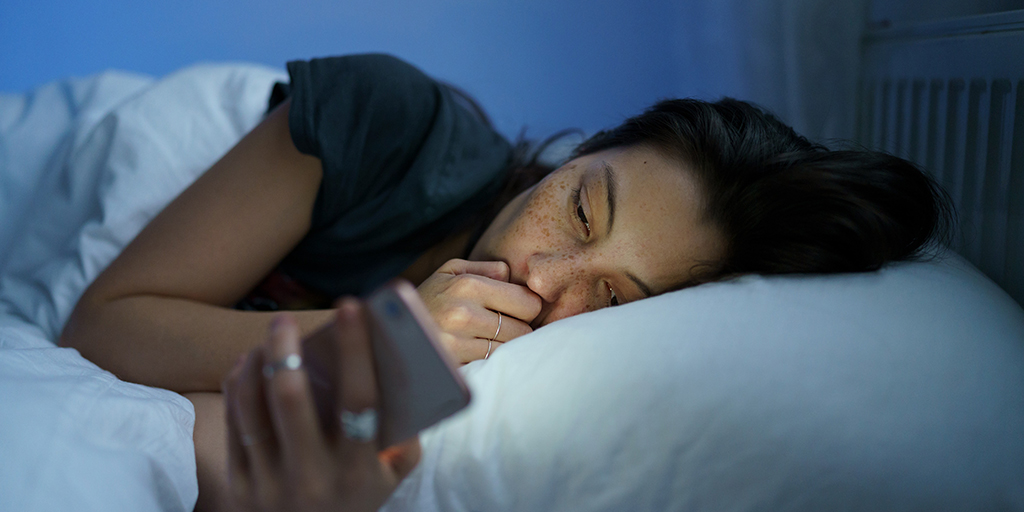
Scrolling through online feeds before bedtime has become a routine for a large number of people these days. While staying informed is important, continuously consuming negative or distressing content late at night – a habit known as “doomscrolling” – can make it difficult to unwind and fall asleep. Over time, this behaviour may affect sleep quality, increase stress levels, and influence overall mental well-being. The first step towards building healthier digital habits is understanding how doomscrolling affects the mind and body. To help, in this article, we’ll explain what doomscrolling is, its potential impact on mental health, practical ways to reduce its effects, and when it may be appropriate to seek professional help.
What is Doomscrolling?
Doomscrolling is the behavioural pattern of continuously scrolling through negative, alarming, or distressing content online, often for longer than intended. This may include news about conflicts, natural disasters, crime, public health emergencies, or other such subjects, which can leave you feeling anxious or emotionally drained. Although the content is predominantly upsetting, people often continue scrolling even when they recognise that it is no longer helpful. Occasional doomscrolling, particularly during periods of uncertainty or stress, is common and does not necessarily indicate a mental health condition. However, when the habit becomes frequent, regularly disrupts sleep, or consistently leaves you feeling more anxious, emotionally exhausted, or low, it may begin to affect your mental well-being.
Why Doomscrolling Before Bedtime is So Common
Bedtime is often one of the few uninterrupted parts of the day, making it a convenient time to catch up on news, social media, or current events. But what begins as a quick check of notifications or headlines often turns into prolonged scrolling, especially when there is a constant stream of endless content to consume. Several factors can contribute to this habit:
- Easy access to information: Smartphones make it possible to stay connected to news and social media at any time, including just before bed.
- Endless content feeds: Social media platforms and news apps continuously recommend new posts and updates, encouraging users to keep scrolling.
- Fear of missing out (FOMO): Many people feel the need to stay updated on important events or trending topics, making it difficult to put their phones away.
- Stress or anxiety: Some individuals look for more information in an attempt to feel informed or in control during stressful situations, but this can sometimes have the opposite effect.
- Bedtime screen habits: Regularly using a phone before sleep can become part of a nightly routine, making doomscrolling an automatic habit over time.
These factors can make it difficult to stop scrolling, particularly at night, when the mind should ideally be preparing for restful sleep.
How Doomscrolling Before Bedtime Affects Sleep and Mental Health
Doomscrolling before bedtime affects both sleep and mental well-being. The distressing nature of the content can keep the mind emotionally engaged, while prolonged screen exposure may interfere with the body’s natural sleep cycle. Together, these factors can make it harder to fall asleep, reduce sleep quality, and influence how you feel the following day.
Can Disrupt Sleep
Late-night doomscrolling often delays bedtime, reducing both sleep duration and quality. In addition, the blue light emitted by smartphones and other digital devices can suppress melatonin, the hormone that helps regulate the sleep-wake cycle, making it more difficult to fall asleep. A 2025 survey by the American Academy of Sleep Medicine found that 38% of adults reported that scrolling through news before bed made their sleep slightly or significantly worse. Among adults aged 18 to 24, this increased to 46%. Emotionally distressing content may also increase alertness, making it harder for the mind to relax before sleep.
May Increase Stress and Anxiety
Repeated exposure to alarming news or negative social media content can increase feelings of stress and anxiety, particularly in individuals who are already vulnerable to these concerns. Although doomscrolling does not directly cause anxiety disorders, it may intensify anxious thoughts and make it more difficult to manage everyday stress. A 2024 study published in Computers in Human Behaviour Reports found that doomscrolling was associated with higher levels of existential anxiety among university students. The researchers suggested that frequent exposure to distressing online content may contribute to increased stress, anxiety, and feelings of despair.
Can Affect Mood and Emotional Well-being
Spending prolonged periods consuming negative online content can leave individuals feeling emotionally drained, irritable, helpless, or low in mood. While these effects vary from person to person, consistently feeling worse after doomscrolling may indicate that the habit is affecting emotional well-being.
Can Impact Daily Functioning
Poor-quality sleep caused by late-night doomscrolling can affect concentration, decision-making, productivity, and emotional regulation during the day. Research published in BMC Public Health found that young adults who used smartphones for more than two hours before sleep had 1.5 times higher odds of reporting sleep problems, highlighting how unhealthy bedtime screen habits may affect daytime alertness and overall well-being.
Who is More Likely to be Affected?
Anyone can develop the habit of doomscrolling, but certain individuals may be more likely to engage in it or experience its effects. These include:
- Teenagers and young adults: Younger individuals often spend more time on social media and digital devices, increasing their exposure to endless online content.
- Individuals with anxiety or depression: Those living with anxiety, depression, or other mental health conditions may be more likely to seek constant updates or find it difficult to disengage from distressing content.
- People experiencing high levels of stress: Personal, academic, or work-related stress can lead some individuals to spend more time consuming news or social media in search of information or distraction.
- Those who rely heavily on social media or news apps: People who frequently use digital platforms to stay informed or connected may be more likely to continue scrolling for extended periods, particularly before bedtime.
Being part of one of these groups does not necessarily mean a person will experience mental health problems. However, recognising these risk factors can help individuals adopt healthier digital habits and seek support if doomscrolling begins to affect their well-being.
Signs Doomscrolling May be Affecting You
When doomscrolling becomes a regular part of your routine, it may start to affect your mental well-being and daily life. You may notice:
- Difficulty falling asleep or staying asleep after using your phone at night
- Feeling anxious, stressed, or emotionally overwhelmed after reading online content
- Racing thoughts or excessive worrying at bedtime
- Waking up feeling tired despite spending enough time in bed
- Difficulty concentrating or staying productive during the day
- Feeling irritable, mentally exhausted, or experiencing frequent mood changes
- Finding it difficult to stop scrolling, even when you intend to put your phone away
Recognising these signs early can help prevent the habit from affecting overall mental well-being. If these symptoms persist despite making lifestyle changes, it is advisable to consult a mental health professional for further evaluation and support.
Tips to Reduce Doomscrolling Before Bed
Reducing doomscrolling does not mean avoiding the internet altogether. Instead, making small changes to your bedtime routine can help minimize unnecessary screen time, improve sleep quality, and support better mental well-being.
- Set a digital curfew: Decide a specific time to stop using digital devices before bedtime. Keeping a 30- to 60-minute screen-free period before sleep can help your mind unwind and prepare for rest.
- Keep your phone away from the bed: Place your phone on a bedside table away from reach or charge it outside the bedroom to reduce the temptation to keep scrolling.
- Turn off non-essential notifications: Limiting alerts from social media and news apps can help minimise distractions, especially at night.
- Avoid distressing content before bedtime: Catch up on the news earlier in the day instead of consuming upsetting content just before sleep.
- Replace screen time with relaxing activities: Reading a book, listening to calming music, journalling, or practising relaxation techniques can help prepare your mind for restful sleep.
- Practise mindfulness or deep breathing: These techniques may help reduce stress and promote relaxation before bedtime.
- Maintain a consistent sleep schedule: Going to bed and waking up at the same time each day supports healthy sleep patterns and reduces the likelihood of late-night screen use.
- Use digital well-being tools: Use built-in features such as Digital Wellbeing on Android and Screen Time on iPhone to track usage patterns, identify excessive screen time, and set reminders or app limits to support healthier digital habits.
Building healthier digital habits is an important part of improving digital well-being. Consistently following these simple strategies can help reduce the urge to doomscroll, promote better sleep, and support long-term mental and emotional well-being.
When Should You Seek Professional Help?
Seeking professional help is recommended when doomscrolling continues to affect your mental health, sleep, or daily life despite adopting healthier digital habits. Early intervention can help manage symptoms, improve overall well-being, and prevent them from worsening. Consider consulting a mental health specialist if you:
- Experience persistent stress, anxiety, or low mood.
- Have ongoing difficulty falling asleep or staying asleep.
- Feel emotionally overwhelmed or find it difficult to control excessive worrying.
- Notice that poor sleep or emotional distress is affecting your work, studies, relationships, or daily activities.
- Find it difficult to reduce or stop doomscrolling despite repeated efforts.
How Graphic Era Hospital Can Help
At Graphic Era Hospital, our experienced psychiatrists provide comprehensive evaluation and personalized care for individuals experiencing stress, anxiety, sleep disturbances, and other mental health concerns related to doomscrolling or unhealthy digital habits. Treatment may include counselling, psychotherapy, medication when clinically appropriate, and practical guidance to improve sleep hygiene, manage stress, and promote digital well-being. Along with addressing current concerns, we help patients develop healthier habits that support long-term mental and emotional well-being. If doomscrolling is affecting you or a loved one by disrupting sleep, mood, or overall well-being, seek prompt medical evaluation. To book an appointment, call 1800 889 7351.
Frequently Asked Questions
What is doomscrolling?
Doomscrolling is the habit of repeatedly scrolling through negative or distressing news and social media content for an extended period, often without intending to do so. While staying informed is important, excessive exposure to upsetting content, especially before bedtime, may affect sleep, increase stress, and impact overall mental well-being.
Why do I keep doomscrolling before bed?
Many people use their phones before bedtime to catch up on news or social media. Features such as endless scrolling, personalised content, and the fear of missing out (FOMO) can make it difficult to stop. Stress, anxiety, or using a smartphone as part of a nightly routine may also contribute to this habit.
Is doomscrolling bad for mental health?
Frequent doomscrolling has been associated with increased stress, anxiety, and emotional exhaustion in some individuals. Constant exposure to distressing content may make it harder to relax, particularly before sleep. Although occasional scrolling is unlikely to cause lasting problems, persistent doomscrolling can affect mental well-being and quality of life.
Can doomscrolling cause anxiety?
Doomscrolling does not necessarily cause anxiety, but it can contribute to or worsen anxious thoughts in some individuals. Repeated exposure to alarming or negative information may increase worry, particularly in people who are already experiencing stress or anxiety.
Does doomscrolling affect sleep?
Yes. Doomscrolling before bedtime can delay sleep, make it harder to unwind, and reduce sleep quality. Exposure to emotionally distressing content and prolonged screen use may keep the mind alert when it should be preparing for rest.
Can doomscrolling make depression worse?
For individuals living with depression, frequent exposure to distressing content may contribute to low mood or feelings of hopelessness. While doomscrolling is not a direct cause of depression, it may worsen existing symptoms in some people. If low mood persists or begins to interfere with daily life, it is important to consult a psychiatrist.
How do I stop doomscrolling at night?
You can reduce doomscrolling by setting a digital curfew, turning off non-essential notifications, avoiding distressing content before bedtime, and replacing screen time with relaxing activities such as reading, meditation, or listening to calming music. Using Digital Wellbeing or Screen Time features on your smartphone can also help monitor and limit screen use.
What can I do instead of doomscrolling?
Instead of scrolling through your phone before bed, consider reading a book, journalling, practising mindfulness or deep breathing, listening to calming music, or following another relaxing bedtime routine. These activities can help your mind unwind and support better sleep.
Can reducing screen time improve sleep and mental well-being?
Reducing screen time before bedtime may improve sleep quality and help the mind relax. Better sleep can also support emotional well-being, concentration, and stress management. Developing healthier digital habits is an important part of maintaining good digital well-being.
When should I seek professional help for doomscrolling or excessive social media use?
You should consider consulting a psychiatrist if doomscrolling or excessive social media use begins to affect your sleep, mood, relationships, work, studies, or daily functioning, particularly if these concerns persist despite making lifestyle changes. At Graphic Era Hospital, our experienced psychiatrists provide comprehensive evaluation and personalized treatment to help individuals manage anxiety, stress, sleep disturbances, and other mental health concerns. To book an appointment, call 1800 889 7351.


















 Emergency 24×7 : 1800 889 7351