World Sight Day 2026: Raising Awareness for Better Eye Health
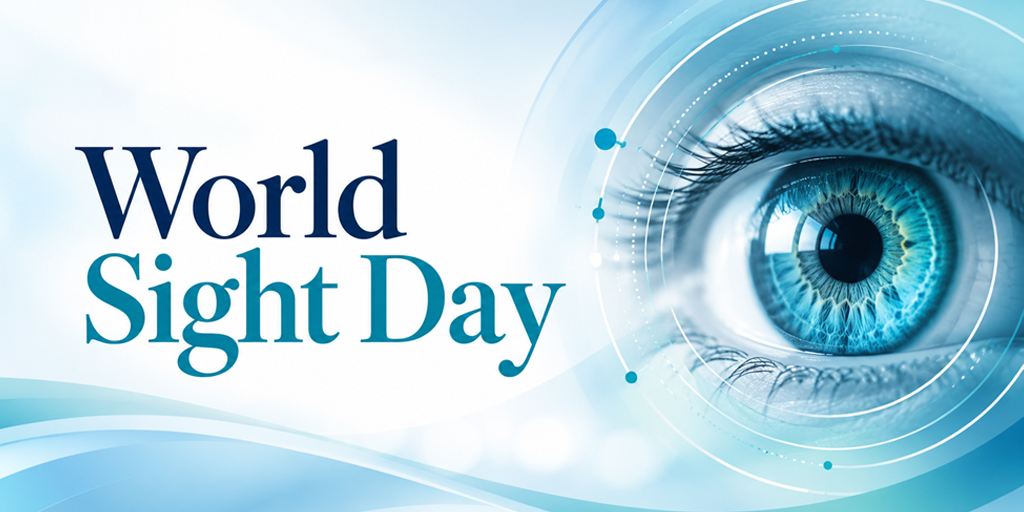
We all know how important eyes are to us. They help us read, work, learn, recognise loved ones and experience the world around us. Yet, eye health can easily take a back seat until blurred vision, eye strain or another noticeable problem begins to affect everyday life. Some eye conditions may even develop gradually with few or no obvious symptoms in their early stages.
World Sight Day 2026 is an opportunity to bring greater attention to the importance of protecting our vision at every age. It encourages people to understand common eye problems, adopt simple eye-care habits and seek timely professional care when something does not feel right. Regular eye check-ups and early diagnosis can play an important role in identifying several vision problems before they begin to interfere significantly with daily life.
As we observe World Sight Day 2026, let us look at why eye health matters, the common threats to vision, and the simple steps that can help protect your eyesight for the years ahead.
Key Takeaways
- World Sight Day 2026 is observed on 8 October 2026.
- The global #LoveYourEyes campaign encourages people to make their eye health a priority.
- Some eye diseases, including glaucoma and diabetic retinopathy, may progress without obvious symptoms in their early stages.
- A regular eye checkup can help identify vision problems and eye diseases before they significantly affect sight.
- Sudden vision loss, new flashes or floaters, a curtain-like shadow in the field of vision, or severe eye pain requires prompt medical attention.
- Everyday habits such as taking screen breaks, using UV-protective sunglasses, managing diabetes and blood pressure, and using protective eyewear can support long-term eye health.
What is World Sight Day and Why is it Observed?
World Sight Day is a global initiative that draws attention to the importance of vision and access to eye care. It encourages individuals, healthcare professionals, communities and decision-makers to recognise that looking after eyesight is an important part of overall health.
The day is also an opportunity to address a common problem: people often assume their eyes are healthy simply because they can see clearly. However, not every eye condition causes noticeable symptoms at the beginning. Some diseases may develop gradually, which makes preventive eye care and timely examinations particularly important.
The broader message of World Sight Day is therefore simple: do not wait until vision becomes difficult before thinking about your eyes.
What is the World Sight Day Theme 2026?
The World Sight Day theme 2026 continues around the global call to #LoveYourEyes.
For 2026, the International Agency for the Prevention of Blindness (IAPB) is placing people and their experiences at the centre of the campaign. Through initiatives such as Every Story Counts, the campaign is encouraging people to share how vision and access to eye care affect their lives. It is also calling for stronger community action and greater commitment towards accessible eye care. IAPB has set a goal of gathering five million pledges in support of eye health.
The message goes beyond one awareness day. Loving your eyes means paying attention to changes, protecting them in everyday life and seeking appropriate care when needed.
Why is Eye Health Important at Every Age?
Good vision supports much more than the ability to read an eye chart. It influences learning, mobility, productivity, independence and the way we interact with our surroundings.
For children, unrecognised vision problems can make reading, classroom learning and other everyday activities more difficult. Adults may experience problems related to refractive errors, screen use, injuries or underlying medical conditions. With increasing age, the likelihood of conditions such as cataract, glaucoma and age-related retinal disease may also increase.
Overall health matters too. Conditions such as diabetes and high blood pressure can increase the risk of certain eye diseases, making regular medical care and eye examinations an important part of protecting vision.
This is why eye health awareness should begin early and continue throughout life.
Common Eye Problems You Should Know About
Knowing about common eye problems can make it easier to recognise when something deserves medical attention.
Refractive Errors
Myopia or short-sightedness, hyperopia or long-sightedness, and astigmatism occur when light does not focus correctly on the retina. They may cause blurred vision, squinting, headaches or difficulty seeing clearly at certain distances.
Prescription glasses, contact lenses or other suitable vision-correction options may help, depending on the individual.
Cataract
A cataract develops when the normally clear lens of the eye becomes cloudy. It may cause blurred or hazy vision, glare, difficulty seeing at night or colours appearing less bright.
Cataracts usually develop gradually. When they begin to interfere significantly with everyday activities, an ophthalmologist assesses whether cataract surgery is appropriate.
Glaucoma
Glaucoma refers to a group of conditions that damage the optic nerve. Many forms, particularly open-angle glaucoma, may develop without noticeable symptoms during the early stages.
Once vision has been lost because of glaucoma, it generally cannot be restored. Detecting the condition early and controlling eye pressure when required can help slow further damage.
Diabetic Retinopathy
Diabetic retinopathy develops when diabetes damages the blood vessels of the retina, the light-sensitive tissue at the back of the eye.
Early diabetic retinopathy may cause no noticeable symptoms. As it progresses, a person may experience blurred vision, dark spots or floaters. During an eye examination, an ophthalmologist can dilate the pupils and examine the retina for early signs of bleeding, swelling or abnormal blood vessels. Additional tests such as OCT or retinal imaging may be advised when needed. People with diabetes should therefore have eye examinations at intervals recommended by their doctor or ophthalmologist.
Dry Eye
Dry eye occurs when the eyes do not produce enough tears or when the tear film does not remain stable enough to keep the eye surface properly lubricated.
Symptoms can include burning, grittiness, redness, fluctuating vision and eye fatigue. Interestingly, dry eyes may sometimes water excessively because irritation triggers reflex tearing. Persistent symptoms should be evaluated to identify the underlying cause.
Eye Infections
An eye infection can affect different parts of the eye and may result from bacteria, viruses, fungi or other organisms. Redness, discharge, discomfort, swelling, light sensitivity or changes in vision may occur depending on the cause.
Because redness is not always caused by infection, it is better to avoid self-medicating with antibiotic or steroid eye drops unless they have been prescribed after an appropriate examination.
Digital Eye Strain
Long hours on laptops, phones and other digital devices may contribute to eye strain, dryness, headaches and difficulty focusing.
People tend to blink less while concentrating on screens, which may increase dryness and discomfort. Screen use itself has not been shown to damage the eyes simply because of the blue light emitted by digital devices, although prolonged close-up work may leave the eyes feeling tired.
Simple habits may help reduce digital eye strain. The 20-20-20 rule involves looking at something about 20 feet away for 20 seconds after every 20 minutes of screen use. Frequent blinking, appropriate screen distance and positioning, adequate room lighting and correction of any refractive error may also reduce discomfort. Preservative-free artificial tears may be recommended when dryness persists or additional lubrication is needed.
Read More: Screen Time Guidelines for Different Age Groups: How Much is Too Much?
When Should You Get an Eye Checkup?
It is easy to assume that an eye checkup is necessary only when your glasses stop working well or your vision becomes blurry. In reality, an eye examination can assess much more than visual sharpness.
How often you need an examination depends on factors such as your age, medical history, family history, existing eye conditions and individual risk. People with diabetes, high blood pressure, a family history of glaucoma or previously diagnosed eye disease may require more frequent monitoring.
Consider consulting an ophthalmologist/eye specialist if you:
- Notice persistent blurring or other changes in vision
- Frequently experience headaches or eye strain while reading or working
- Find night driving increasingly difficult
- Develop recurring redness, dryness, watering or discomfort
- Have diabetes or another condition that can affect the eyes
- Have a family history of glaucoma or other significant eye diseases
- Have not had your eyes examined for a long time
Your ophthalmologist can recommend an examination schedule appropriate for your individual needs.
Eye Symptoms You Should Not Ignore
Some changes in vision need more urgent attention than others. Contact an eye specialist promptly if you experience:
- Sudden loss or significant reduction of vision
- Severe eye pain
- Sudden onset of numerous new floaters
- Flashes of light that appear suddenly
- A dark shadow or curtain moving across your vision
- Eye injury or chemical exposure
- Marked redness accompanied by pain or reduced vision
- Sudden blurred vision with severe headache, nausea or eye pain
A sudden increase in floaters, flashes or a curtain-like shadow can occur with a retinal tear or retinal detachment, which requires urgent medical evaluation because delayed treatment can result in permanent vision loss.
Similarly, intense eye pain with redness, blurred vision and nausea can occur in acute angle-closure glaucoma and requires immediate medical attention.
Simple Eye Care Tips for Healthy Vision
Good eye care is often built around small habits that become part of your routine.
Give Your Eyes Regular Screen Breaks
During prolonged screen use, follow the 20-20-20 rule: approximately every 20 minutes, look at something around 20 feet away for at least 20 seconds.
Regular blinking may help reduce dryness, while appropriate screen distance and positioning can reduce unnecessary visual strain. Comfortable room lighting and reducing glare on the screen may also make prolonged computer or phone use easier on the eyes.
Wear Sunglasses With UV Protection
Choose sunglasses that block 99% to 100% of UVA and UVB radiation. UV protection helps protect the eyes from long-term sun exposure and can reduce the risk of certain eye conditions.
Use Protective Eyewear When Needed
Eye injuries can happen while working with tools, chemicals, machinery or during certain sports and household activities. Safety glasses or appropriate goggles can help protect the eyes.
Manage Diabetes and Blood Pressure
Keeping diabetes and high blood pressure appropriately managed supports overall health and can also reduce the risk or progression of certain eye complications.
Eat a Balanced Diet
There is no single food that guarantees perfect eyesight. Instead, aim for an overall balanced diet that includes vegetables, leafy greens, fruits and other nutrient-rich foods.
Vitamin A is important for normal vision, but eating extra carrots will not correct short-sightedness, long-sightedness or remove the need for glasses.
Practise Good Contact Lens Hygiene
Always wash and dry your hands before handling contact lenses. Clean, disinfect and replace lenses according to professional instructions, and avoid exposing them to water.
Unless your eye care professional has specifically prescribed lenses approved for overnight use, do not sleep in them. Poor contact lens hygiene can increase the risk of serious corneal infections.
Avoid Ignoring Persistent Symptoms
Occasional eye fatigue may settle with rest. Persistent pain, repeated redness, recurring blurred vision or symptoms that interfere with reading, driving or work deserve an examination.
Effective eye disease prevention is not about assuming that every eye condition can be avoided. It means reducing preventable risks and identifying treatable problems as early as possible.
Make Eye Care a Priority This World Sight Day
World Sight Day 2026 is a useful reminder that vision deserves attention even when everything seems fine.
Maybe you have been postponing an eye examination because your glasses still seem adequate. Perhaps your eyes have felt dry after long working days, or you have noticed that night driving is not as comfortable as it once was. Small changes do not always mean something serious, but they are worth paying attention to.
Use this World Sight Day to check in with your own vision and encourage your family members to do the same. A timely examination can offer reassurance when your eyes are healthy and help identify problems early when they are not.
That is the real importance of eye health: protecting your ability to see, work, learn and live independently for as long as possible.
Comprehensive Eye Care at Graphic Era Hospital, Dehradun
The Department of Ophthalmology at Graphic Era Hospital, Dehradun, provides evaluation and treatment for a wide range of eye and vision conditions.
Services include routine eye examinations and management of refractive errors, cataract, glaucoma, diabetic retinal disease, dry eye, corneal conditions, retinal disorders, eye infections and other ophthalmic problems. Diagnostic support available for different conditions includes technologies such as SD-OCT, visual-field testing, tonometry, pachymetry and retinal imaging, depending on the patient’s clinical needs.
Prioritise Your Vision Today
If you are experiencing changes in vision or are due for a routine eye examination, do not wait for an eye problem to begin affecting your everyday life. Consult an experienced ophthalmologist/eye specialist at Graphic Era Hospital for appropriate assessment and guidance. Regular eye examinations and timely medical advice can help detect changes early and support better long-term vision.
Book an eye check-up at Graphic Era Hospital, a leading Eye Hospital in Dehradun, and take a proactive step towards better eye health. To book a consultation, call 1800-889-7351.
Frequently Asked Questions (FAQs)
Does wearing glasses make your eyesight weaker?
No. Wearing correctly prescribed glasses does not weaken the eyes or make them dependent on glasses. Glasses simply help focus light correctly so you can see more clearly. Changes in prescription usually occur because the eye itself changes over time, not because you have been wearing spectacles.
Can eating carrots improve eyesight?
Carrots contain beta-carotene, which the body can convert into vitamin A, an important nutrient for normal vision. However, eating more carrots will not correct refractive errors such as myopia or eliminate the need for prescription glasses. A balanced diet containing a variety of nutrients is more important for overall eye health.
Why do my eyes water when they are actually dry?
It may sound contradictory, but dry eyes can sometimes trigger excessive watering. When the eye surface becomes irritated, the eyes may respond by producing reflex tears. These tears may not have the right composition or stability to keep the surface properly lubricated, so watering and dryness can occur together.
Do blue-light glasses protect the eyes from screen damage?
There is currently no strong evidence that blue light from everyday digital screens damages the eyes. Screen-related discomfort is more commonly associated with prolonged near focusing, reduced blinking and dryness. Regular breaks, appropriate screen positioning and addressing dry-eye symptoms may be more useful for managing digital eye strain.
Can eye diseases run in families?
Some eye conditions have a hereditary component. For example, having a family history of glaucoma can increase a person’s risk. Tell your ophthalmologist about significant eye diseases in close relatives because this information may influence how often your eyes need to be examined.
Does a red eye always mean an eye infection?
No. Eye redness can occur because of several problems, including dry eye, allergy, irritation, inflammation or infection. Redness associated with significant pain, light sensitivity, discharge or changes in vision should be assessed by an eye specialist rather than treated with leftover or non-prescribed eye drops.
Can I sleep while wearing contact lenses?
Sleeping in daily-wear contact lenses increases the risk of eye infection. Some lenses are specifically approved for extended wear, but they should only be used overnight when recommended by an eye care professional. Following proper contact-lens hygiene is important because serious corneal infections can threaten vision.
Can children have vision problems without realising it?
Yes. Children may not always recognise that their vision is different from normal because they have nothing to compare it with. Squinting, sitting unusually close to screens, difficulty seeing the board, frequent headaches, rubbing the eyes or losing interest in reading may warrant an eye examination.
Can eye exercises remove the need for glasses?
For common refractive errors such as myopia, hyperopia and astigmatism, routine eye exercises do not remove the need for prescription glasses. Certain specialised exercises may be prescribed for specific binocular-vision problems such as convergence insufficiency, but they should not be considered a general replacement for glasses or medical eye care.










 Emergency 24×7 : 1800 889 7351