Glaucoma can gradually damage the optic nerve, often without causing noticeable symptoms in its early stages. As vision loss from glaucoma is usually irreversible, timely diagnosis and appropriate treatment are important to help protect the remaining vision and reduce the risk of further damage.
At Graphic Era Hospital, Dehradun, our Department of Ophthalmology provides evaluation and treatment for different types of glaucoma. Our ophthalmology team assesses eye pressure, optic nerve health and changes in the field of vision to understand the severity of the condition and plan appropriate care. Depending on the type and stage of glaucoma, treatment may include medicines, laser procedures or surgery, along with regular monitoring to support long-term vision care.
What is Glaucoma?
Glaucoma is a group of eye conditions that damage the optic nerve, which carries visual information from the eye to the brain. Over time, this damage can lead to gradual vision loss and, if left untreated, may result in blindness.
In many people, glaucoma is associated with increased pressure inside the eye, known as intraocular pressure. However, glaucoma can also develop when eye pressure is within the normal range, which is why eye pressure alone is not enough to rule out the condition.
Most forms of glaucoma progress slowly and may not cause noticeable symptoms in the early stages. Regular comprehensive eye examinations can therefore play an important role in detecting glaucoma before significant vision loss occurs.
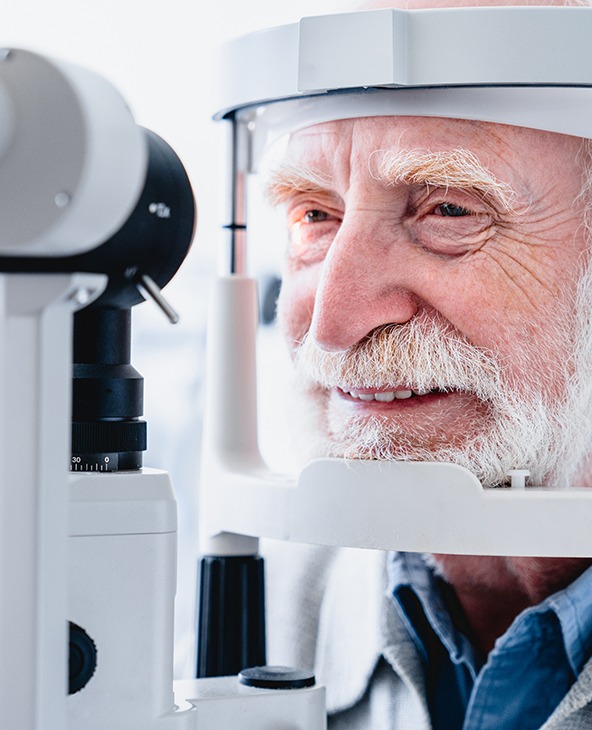
Types of Glaucoma
Glaucoma can develop in different ways depending on how fluid drains from the eye and whether another eye or medical condition is involved. The main types include:
Primary Open-Angle Glaucoma
This is the most common form of glaucoma. It usually develops gradually when fluid does not drain efficiently from the eye, leading to increased pressure and progressive optic nerve damage. Because early symptoms are often absent, the condition may go unnoticed without regular eye examinations.
Angle-Closure Glaucoma
Angle-closure glaucoma occurs when the drainage angle between the iris and cornea becomes blocked. It may develop gradually or occur suddenly. Acute angle-closure glaucoma can cause severe eye pain, blurred vision, headache, halos around lights, nausea and redness, and requires urgent medical attention.
Normal-Tension Glaucoma
In normal-tension glaucoma, optic nerve damage occurs even though the pressure inside the eye remains within the usual range. Factors such as reduced blood flow to the optic nerve may contribute to the condition.
Secondary Glaucoma
Secondary glaucoma develops as a result of another condition or factor, such as eye injury, inflammation, certain eye disorders, previous surgery or prolonged use of corticosteroid medicines.
Congenital Glaucoma
Congenital glaucoma is a rare form that develops in babies or young children due to abnormal development of the eye’s drainage system. Early diagnosis and treatment are important to help protect vision as the child grows.
Signs and Symptoms of Glaucoma
The symptoms of glaucoma can vary depending on the type and stage of the condition. Open-angle glaucoma often develops without noticeable symptoms in the early stages, which is why regular eye examinations are important for early detection. As the condition progresses, peripheral or side vision may gradually become affected.
Possible signs and symptoms may include:
- Gradual loss of peripheral vision
- Patchy blind spots in the field of vision
- Blurred or reduced vision
- Difficulty seeing clearly in later stages
- Halos or coloured rings around lights
- Eye redness
- Headache
- Severe eye pain
- Nausea or vomiting
Sudden severe eye pain, headache, blurred vision, halos around lights, redness, nausea or vomiting may indicate acute angle-closure glaucoma. This is an eye emergency and requires immediate medical attention to help prevent rapid vision loss.
What Increases the Risk of Glaucoma?
Anyone can develop glaucoma, but certain factors can make it more likely. Some risk factors are related to age or family history, while others involve eye health, medical conditions or previous treatments.
Factors that may increase the risk of glaucoma include:
- Increasing age: The risk of glaucoma rises with age, particularly after 60.
- Family history of glaucoma: Having a close relative with glaucoma can increase the likelihood of developing the condition.
- Raised intraocular pressure: Higher-than-normal pressure inside the eye is an important risk factor for optic nerve damage.
- Certain medical conditions: Diabetes, high blood pressure and some other health conditions may be associated with an increased risk in certain individuals.
- Severe short-sightedness or long-sightedness: Certain refractive errors may increase the risk of particular types of glaucoma.
- Previous eye injury or surgery: Trauma or some eye procedures can occasionally contribute to secondary glaucoma.
- Long-term corticosteroid use: Steroid medicines, especially when used for prolonged periods, can raise eye pressure in some people.
- Certain eye conditions: Inflammation inside the eye and other disorders that interfere with normal fluid drainage can increase glaucoma risk.
Having one or more risk factors does not necessarily mean that glaucoma will develop. However, people at higher risk may benefit from regular comprehensive eye examinations so that changes in eye pressure or optic nerve health can be identified early.
When Should You Consult an Ophthalmologist?
Glaucoma often develops without noticeable symptoms in its early stages, so an eye examination may be important even when vision seems normal. Everyone aged 40 years andabove should undergo glaucoma screening, even if they do not have noticeable vision problems. People with a family history of glaucoma, raised eye pressure or other risk factors may need more regular monitoring to detect changes before significant vision loss occurs.
Consider consulting an ophthalmologist if:
- You are aged 40 years or above and have not undergone glaucoma screening
- You have been told that your eye pressure is higher than normal
- There is a family history of glaucoma
- You notice gradual loss of side or peripheral vision
- Your vision becomes increasingly blurred or patchy
- You have risk factors that may require regular glaucoma screening
- You have already been diagnosed with glaucoma and need ongoing monitoring or treatment
Seek immediate medical attention if you suddenly develop severe eye pain, a red eye, blurred vision or nausea. These symptoms may occur with acute angle-closure glaucoma, which is a medical emergency and can cause rapid vision loss if treatment is delayed.
Why Choose Graphic Era Hospital for Glaucoma Treatment?

Experienced Ophthalmology Care : At Graphic Era Hospital, glaucoma care is provided by our highly skilled and experienced ophthalmologists, who are experienced in diagnosing and managing glaucoma and other eye conditions. They assess eye pressure, optic nerve health, visual field changes, and the type and severity of glaucoma to plan treatment according to each patient’s individual needs.

Advanced Glaucoma Diagnostic Support : Our Department of Ophthalmology is equipped with diagnostic technologies used in glaucoma assessment and monitoring, including SD-OCT, Humphrey visual field perimetry, non-contact tonometry and pachymetry. These tests help our ophthalmologists assess optic nerve damage, measure eye pressure and monitor changes in vision over time.

Medical, Laser and Surgical Treatment Options : Graphic Era Hospital provides a range of glaucoma treatment options, including medicines, laser procedures and surgical treatment. The department also offers minimally invasive glaucoma surgery (MIGS) for selected patients, allowing treatment to be planned according to the type of glaucoma, disease progression and response to previous therapy.
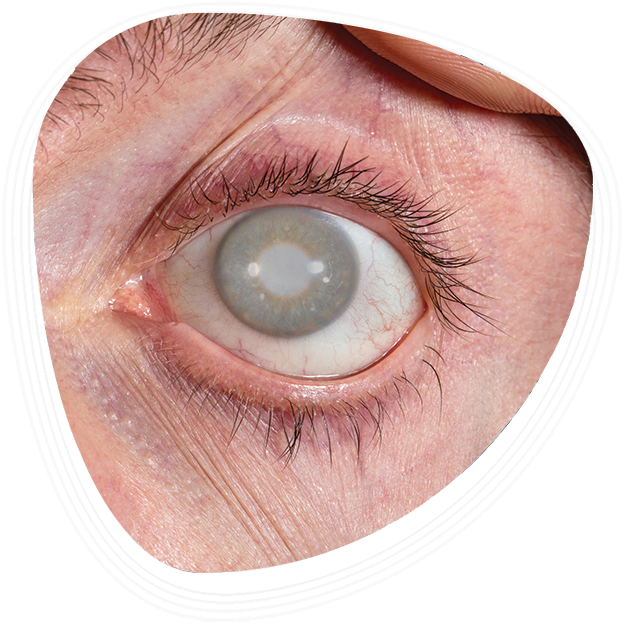
Glaucoma Diagnosis at Graphic Era Hospital
At Graphic Era Hospital, glaucoma evaluation involves more than simply checking eye pressure. Our ophthalmologist assesses the optic nerve, intraocular pressure, peripheral vision and other eye structures to determine whether glaucoma is present and understand the extent of any damage. The hospital provides comprehensive glaucoma screening supported by advanced ophthalmic diagnostic technology. Depending on the patient’s findings, the evaluation may include:
Comprehensive Eye Examination
Our ophthalmologist examines your eyes and reviews symptoms, medical history, family history and other glaucoma risk factors. A dilated eye examination may also be performed to assess the retina and optic nerve for signs of damage.
Intraocular Pressure Measurement
Tonometry is used to measure the pressure inside the eye. Graphic Era Hospital offers non-contact tonometry as part of its ophthalmology diagnostic facilities. Since glaucoma can also occur when eye pressure is within the normal range, the result is considered together with other findings rather than being used alone to diagnose the condition.
Optic Nerve Assessment and SD-OCT
Graphic Era Hospital is equipped with Spectral-Domain Optical Coherence Tomography (SD-OCT), which provides detailed images of the optic nerve and retinal nerve fibre layers. These findings can help ophthalmologists identify structural changes associated with glaucoma and monitor them over time.
Visual Field Testing
Humphrey visual field perimetry is available at Graphic Era Hospital to assess peripheral or side vision. The test can help identify areas of vision loss caused by glaucoma and monitor whether the condition is progressing.
Pachymetry
Pachymetry measures the thickness of the cornea. Since corneal thickness can influence the interpretation of intraocular pressure readings, this test may provide additional information when assessing glaucoma risk and planning ongoing monitoring. Graphic Era Hospital lists pachymetry among its ophthalmology diagnostic facilities.
Gonioscopy, When Required
Our ophthalmologist may also recommend gonioscopy to examine the drainage angle between the iris and cornea. This can help determine whether glaucoma is open-angle or angle-closure and guide the appropriate treatment approach.
The combination of these tests helps Our ophthalmology team assess the type and severity of glaucoma and plan appropriate treatment and follow-up.
Glaucoma Treatment Options at Graphic Era Hospital
At Graphic Era Hospital, glaucoma treatment is planned according to the type of glaucoma, the level of eye pressure, the extent of optic nerve damage and how quickly the condition is progressing. The main aim of treatment is to lower intraocular pressure and prevent or slow further damage to the optic nerve. Vision already lost due to glaucoma usually cannot be restored, which makes timely treatment and regular monitoring especially important. Depending on the individual condition, treatment may include:
Glaucoma Eye Drops and Medicines
Prescription eye drops are commonly used to lower pressure inside the eye by either reducing the production of fluid or helping it drain more effectively. Our ophthalmologist may prescribe one or more medicines depending on the target eye pressure and response to treatment. Regular and correct use of prescribed eye drops is important for keeping glaucoma under control.
Laser Treatment
Graphic Era Hospital provides laser treatment for glaucoma using the Zeiss Nd:YAG Laser. Laser procedures may be recommended for selected types of glaucoma to improve fluid drainage or relieve blockage within the eye and help reduce intraocular pressure. The suitability of laser treatment depends on the type and severity of glaucoma and findings during the eye examination.
Glaucoma Surgery
Surgery may be considered when medicines or laser treatment do not lower eye pressure adequately or when the disease continues to progress. Glaucoma surgery aims to create or improve pathways for fluid drainage from the eye, thereby reducing pressure and helping protect the remaining vision. Graphic Era Hospital provides surgical treatment for glaucoma as part of its ophthalmology services.
Minimally Invasive Glaucoma Surgery (MIGS)
Our ophthalmology team at Graphic Era Hospital is trained in minimally invasive glaucoma surgery (MIGS). These procedures use smaller surgical approaches to help lower eye pressure and may be suitable for selected patients, depending on the type and severity of glaucoma and other eye-related factors.
Treatment for Acute Angle-Closure Glaucoma
Acute angle-closure glaucoma requires urgent treatment because eye pressure can rise rapidly and threaten vision. Treatment may involve medicines to lower eye pressure followed by an appropriate laser procedure to improve fluid drainage and reduce the risk of another attack.
Our ophthalmology team at Graphic Era Hospital monitors eye pressure, optic nerve health and visual field changes during follow-up and may adjust treatment if glaucoma continues to progress or the target eye pressure is not achieved.
Long-Term Glaucoma Management and Vision Care
Glaucoma usually requires ongoing monitoring even after treatment has started. Since treatment cannot restore vision already lost to optic nerve damage, the focus is on keeping eye pressure within the recommended range and detecting any further changes as early as possible.
Long-term glaucoma care may involve:
- Using prescribed eye drops or medicines regularly and as directed
- Attending scheduled eye examinations and follow-up appointments
- Monitoring intraocular pressure over time
- Periodic visual field testing to check for changes in peripheral vision
- Optic nerve assessment and imaging when required
- Reviewing treatment if eye pressure remains high or glaucoma continues to progress
- Following the ophthalmologist’s advice after laser treatment or surgery
At Graphic Era Hospital, follow-up evaluation may include monitoring eye pressure, optic nerve health and visual field changes to assess how well treatment is controlling the condition and whether the care plan needs to be adjusted.
Consistent use of glaucoma medicines is particularly important because eye drops may not make vision feel noticeably better, even though they are helping reduce the risk of further damage.
Reducing the Risk of Vision Loss from Glaucoma
Glaucoma itself cannot always be prevented, but early detection and consistent treatment can help reduce the risk of further optic nerve damage and vision loss. Because the condition may progress without noticeable symptoms, regular eye examinations are especially important for people who have glaucoma or are at higher risk of developing it.
Steps that may help protect vision include:
- Attending regular comprehensive eye examinations, particularly if you have a family history of glaucoma or other risk factors
- Using prescribed glaucoma eye drops or medicines consistently, even when vision feels unchanged
- Keeping scheduled follow-up appointments to monitor eye pressure, optic nerve health and visual field changes
- Informing the ophthalmologist about any side effects or difficulty using prescribed medicines
- Following recommended care after laser treatment or glaucoma surgery
- Encouraging close family members to undergo eye examinations if glaucoma runs in the family
Glaucoma treatment cannot restore vision that has already been lost, but lowering eye pressure and monitoring the condition regularly can help slow further damage. At Graphic Era Hospital, patients with glaucoma receive ongoing ophthalmology follow-up to assess disease progression and determine whether treatment needs to be adjusted over time.
Top Procedures
- Laser Iridotomy
- Laser Trabeculoplasty
- Trabeculectomy
- Glaucoma Drainage Implant Surgery
- Minimally Invasive Glaucoma Surgery (MIGS)
Blog






Heart Attack: Symptoms and Treatment



Increased Heart Rate: Causes, Risks, and When to Seek Medical Attention
Frequently Asked Questions (FAQs)
What are the first signs of glaucoma?
Many types of glaucoma, particularly open-angle glaucoma, do not cause noticeable symptoms in the early stages. As the condition progresses, gradual loss of peripheral or side vision may occur. Regular comprehensive eye examinations are therefore important for early detection.
Is glaucoma curable?
There is currently no cure for glaucoma, and vision already lost due to optic nerve damage cannot usually be restored. However, treatment can lower eye pressure and help slow or prevent further vision loss.
Can glaucoma lead to blindness?
Yes. Untreated or poorly controlled glaucoma can progressively damage the optic nerve and may eventually cause severe vision loss or blindness. Early diagnosis, appropriate treatment and regular follow-up can help protect the remaining vision.
What is open-angle glaucoma?
Open-angle glaucoma is a common form of glaucoma in which fluid does not drain effectively from the eye, often causing pressure to build gradually. It usually progresses slowly and may not cause symptoms until some vision has already been affected.
What is the difference between glaucoma and cataract?
Glaucoma damages the optic nerve and can cause permanent vision loss, while a cataract occurs when the natural lens of the eye becomes cloudy. Cataract-related vision can often be restored with surgery, whereas glaucoma treatment focuses on preventing further optic nerve damage.
Is glaucoma hereditary?
A family history of glaucoma can increase the risk of developing the condition. People with a close relative who has glaucoma should inform their ophthalmologist and ask how frequently they should have comprehensive eye examinations.
How is glaucoma tested?
Glaucoma evaluation may include measurement of eye pressure, examination of the optic nerve, visual field testing and imaging such as OCT. Other tests, including pachymetry or gonioscopy, may be recommended depending on the patient’s findings.
Can glaucoma be treated without surgery?
Yes. Many patients are initially treated with prescription eye drops, medicines or laser procedures. Surgery may be considered when these approaches do not control eye pressure adequately or glaucoma continues to progress.
When is laser treatment used for glaucoma?
Laser treatment may be used to help lower eye pressure in selected types of glaucoma. For example, laser trabeculoplasty may be used for open-angle glaucoma, while other laser procedures may be required for angle-closure glaucoma.
Where can I find the best glaucoma treatment near me in Dehradun?
If you are looking for glaucoma treatment in Dehradun, you can consult the ophthalmology team at Graphic Era Hospital. Our ophthalmologists assess eye pressure, optic nerve health and visual field changes to understand the type and severity of glaucoma and recommend an appropriate treatment plan. Depending on the condition, treatment may include medicines, laser procedures or surgery.
 Emergency 24×7 : 1800 889 7351