Dry, burning or gritty eyes can be more than a temporary irritation. When symptoms keep returning or begin to affect reading, screen use, driving or contact lens comfort, they may point to dry eye disease, a condition in which the eyes do not produce enough tears or the tear film does not work effectively.
At Graphic Era Hospital, Dehradun, the Department of Ophthalmology provides evaluation and treatment for dry eye based on the underlying cause and severity of symptoms. Depending on the patient’s needs, treatment may include lubricating or prescription eye drops, tear duct plugs and lifestyle measures, with the aim of improving comfort, protecting the eye surface and supporting clearer vision.
What is a Dry Eye?
Dry eye is a condition in which the eyes do not produce enough tears, or the tears do not remain stable enough to keep the eye surface properly lubricated. Tears form a thin protective film over the cornea that keeps the eyes moist and smooth and also helps support clear vision.
When this tear film is insufficient or breaks down too quickly, the eye surface can become dry and irritated. This may lead to symptoms such as burning, grittiness, redness or fluctuating vision. Depending on what is affecting the tear film, dry eye may be classified into different types, which can influence the treatment approach.
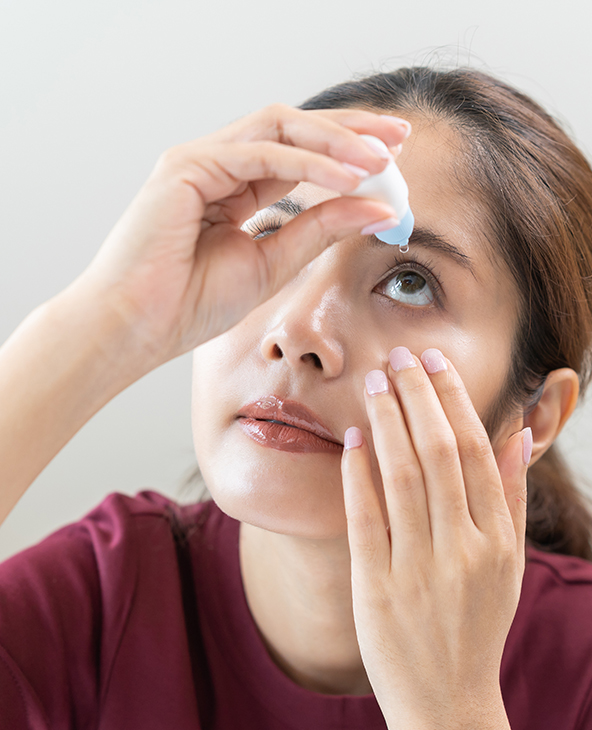
What are the Types of Dry Eye?
Dry eye is broadly classified according to whether the eyes are producing too few tears, the tears are evaporating too quickly, or both problems are present together. Identifying the type can help ophthalmologists choose a more suitable treatment approach.
Aqueous-Deficient Dry Eye
This occurs when the tear-producing glands do not make enough of the watery component of tears to keep the eye surface adequately lubricated.
Evaporative Dry Eye
In evaporative dry eye, tears are produced but evaporate too quickly. This is often linked to problems with the meibomian glands in the eyelids, which produce the oily layer that helps keep tears stable.
Mixed Dry Eye
Some people have features of both aqueous-deficient and evaporative dry eye, meaning tear production is reduced while the tears that are present also evaporate too quickly. This is commonly referred to as mixed dry eye.
What are the Symptoms of Dry Eye?
Dry eye can feel different from person to person. Some people notice mild irritation, while others experience symptoms that interfere with reading, screen use, driving or wearing contact lenses.
Common symptoms may include:
- Burning, stinging or a gritty sensation in the eyes
- Redness or irritation
- Itching or discomfort
- Sensitivity to light
- Blurred or fluctuating vision
- Eye fatigue
- Difficulty wearing contact lenses
- Excessive watering, which can occur when the eyes respond to surface irritation
When Should You Consult an Eye Doctor?
You should consider seeing an eye doctor if dry eye symptoms are persistent, keep returning or begin to affect daily activities. Medical evaluation is also advisable if you experience increasing redness, significant light sensitivity, worsening blurred vision, difficulty wearing contact lenses or eye pain.
An eye examination can help determine whether the symptoms are due to dry eye or another eye condition and guide the most appropriate treatment.
What Causes Dry Eye?
Dry eye develops when the tear film does not keep the eye surface adequately lubricated. This may happen because the eyes produce too few tears, the tears evaporate too quickly or the tear film does not have the right balance to remain stable. Several health, lifestyle and environmental factors can contribute to these changes.
Reduced Tear Production
Tear production may decrease with age or because of certain medical conditions, including autoimmune disorders such as Sjögren syndrome and lupus. Some medicines and previous eye procedures may also reduce tear production in some people.
Increased Tear Evaporation
Tears may evaporate more quickly when the oily layer of the tear film is inadequate or when blinking is reduced. Prolonged screen use, windy or dry environments and problems affecting the eyelid glands can contribute to this type of dry eye.
Who is More Likely to Develop Dry Eye?
Certain factors can make dry eye more likely, including:
- Age above 50 years
- Hormonal changes, particularly around menopause
- Prolonged use of computers, smartphones or other digital screens
- Contact lens use
- Autoimmune conditions such as Sjögren syndrome or lupus
- Certain medicines
- Vitamin A deficiency
- Exposure to smoke, wind or dry air
- Some eye surgeries or conditions affecting the eyelids and tear glands
Having one or more of these factors does not mean that a person will necessarily develop dry eye, but they may increase the likelihood of symptoms.
Doctors Available

Dr. Varadaraj Durairaj Karthigeyan
HOD, Consultant
Ophthalmology
Experience: 25 Years
Book An Appointment





Why Choose Graphic Era Hospital for Dry Eye Treatment?

Experienced Ophthalmology Care : At Graphic Era Hospital, ophthalmologists evaluate dry eye by looking beyond the symptoms alone. They assess factors such as tear production, tear stability, eyelid health, contact lens use, medical history and lifestyle habits to understand what may be contributing to the condition.

Comprehensive Diagnostic Support : Dry eye can have different underlying causes, so accurate assessment is important before treatment begins. Depending on the patient’s symptoms and clinical findings, our ophthalmology team may use eye examination and tear-film assessment to understand the type and severity of dry eye and guide further management.

Personalised Dry Eye Management : Treatment is planned according to the cause, severity and impact of symptoms on daily life. The care plan may combine medical treatment with eyelid care, lifestyle changes and follow-up, with the aim of improving comfort, supporting tear-film stability and protecting the eye surface.
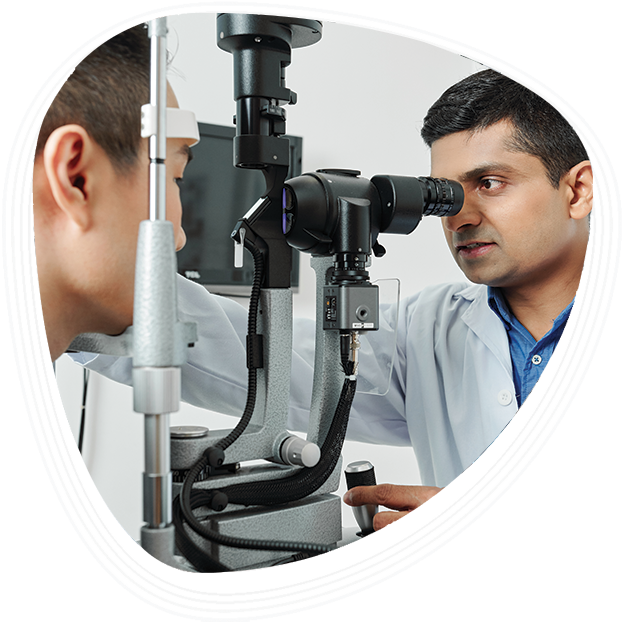
How is Dry Eye Diagnosed?
Dry eye diagnosis begins with understanding the patient’s symptoms, medical history, medicines, contact lens use and everyday factors such as screen time or exposure to dry environments. Our ophthalmologist also examines the eyes and eyelids to look for signs of dryness, inflammation or problems affecting the tear film.
Depending on the symptoms and examination findings, further tests may include:
Tear Production Tests
Tests such as the Schirmer test may be used to measure how much tear fluid the eyes produce.
Tear Film Assessment
Tear break-up time (TBUT) can help assess how long the tear film remains stable after blinking and whether the tears are evaporating too quickly.
Eye Surface Examination
A slit-lamp examination and special dyes may be used to assess the surface of the eye, eyelids and tear film for signs of dryness or damage.
The exact tests recommended depend on the suspected type and severity of dry eye and the findings during the eye examination.
What are the Treatment Options for Dry Eye?
Dry eye treatment depends on what is causing the tear film to become unstable, how severe the symptoms are and how much they affect daily activities. Mild symptoms may improve with lubricating eye drops and lifestyle changes, while persistent or more severe dry eye may require prescription treatment or procedures.
Lubricating Eye Drops and Artificial Tears
Artificial tears are commonly used to relieve mild dry eye symptoms by adding moisture to the eye surface. Gels or ointments may also be recommended in some cases, particularly when longer-lasting lubrication is needed.
Prescription Eye Drops
For persistent dry eye, ophthalmologists may prescribe eye drops that help reduce inflammation or improve tear production. The choice of medicine depends on the underlying cause and severity of the condition.
Eyelid and Meibomian Gland Care
When dry eye is linked to blocked or poorly functioning oil glands in the eyelids, treatment may include warm compresses, eyelid hygiene or other measures to improve the flow of oil into the tear film and reduce excessive tear evaporation.
Punctal Plugs
If tears are draining from the eyes too quickly, small punctal plugs may be placed in the tear ducts to help retain natural and artificial tears on the eye surface for longer.
Specialised Contact Lenses
In selected patients with more severe dry eye, specialised lenses such as scleral lenses may be considered to protect the eye surface and help retain moisture.
Treating the Underlying Cause
If dry eye is related to an eyelid condition, medicine, autoimmune disorder or another health problem, addressing that underlying factor may also help improve symptoms.
At Graphic Era Hospital, the treatment approach is planned after evaluating the type and severity of dry eye, the condition of the eye surface and any contributing medical or lifestyle factors.
Everyday Measures to Manage Dry Eye
Along with medical treatment, simple changes in daily habits can help reduce irritation and limit factors that make dry eye symptoms worse. These measures are particularly useful for people who spend long hours on screens or are frequently exposed to air conditioning, smoke, wind or dry environments.
Some helpful measures include:
- Take regular screen breaks: Look away from digital devices at intervals and blink more frequently to help spread tears across the eye surface.
- Avoid direct airflow: Keep fans, air conditioners and car vents from blowing directly towards the eyes.
- Protect the eyes outdoors: Wraparound sunglasses can help reduce exposure to wind, dust and dry air.
- Use a humidifier when needed: Adding moisture to dry indoor air may help reduce tear evaporation.
- Follow proper contact lens care: Use contact lenses as advised and consult an eye doctor if they repeatedly cause dryness or discomfort.
- Avoid smoke and other irritants: Tobacco smoke and similar irritants can worsen dry eye symptoms.
- Use eye drops as advised: Follow the ophthalmologist’s instructions for lubricating or prescription eye drops rather than changing or stopping them without guidance.
If symptoms continue despite these measures or begin to interfere with vision and daily activities, an eye examination can help determine whether the treatment plan needs to be adjusted.
Can Dry Eye Be Prevented?
Not every case of dry eye can be prevented, particularly when it is linked to age, hormonal changes, autoimmune conditions or certain medicines. However, reducing common triggers can help lower the frequency or severity of symptoms.
Helpful measures include:
- Taking regular breaks during prolonged screen use
- Blinking more often while using digital devices
- Avoiding direct exposure to fans, air conditioners, smoke and dry wind
- Using contact lenses as advised and giving the eyes adequate breaks
- Protecting the eyes outdoors with suitable eyewear
- Managing underlying health conditions with appropriate medical care
- Seeking evaluation if dryness, irritation or blurred vision keeps returning
Early assessment can also help identify contributing factors before symptoms become more persistent or begin to affect the eye surface.
Advanced Diagnostics & Technology
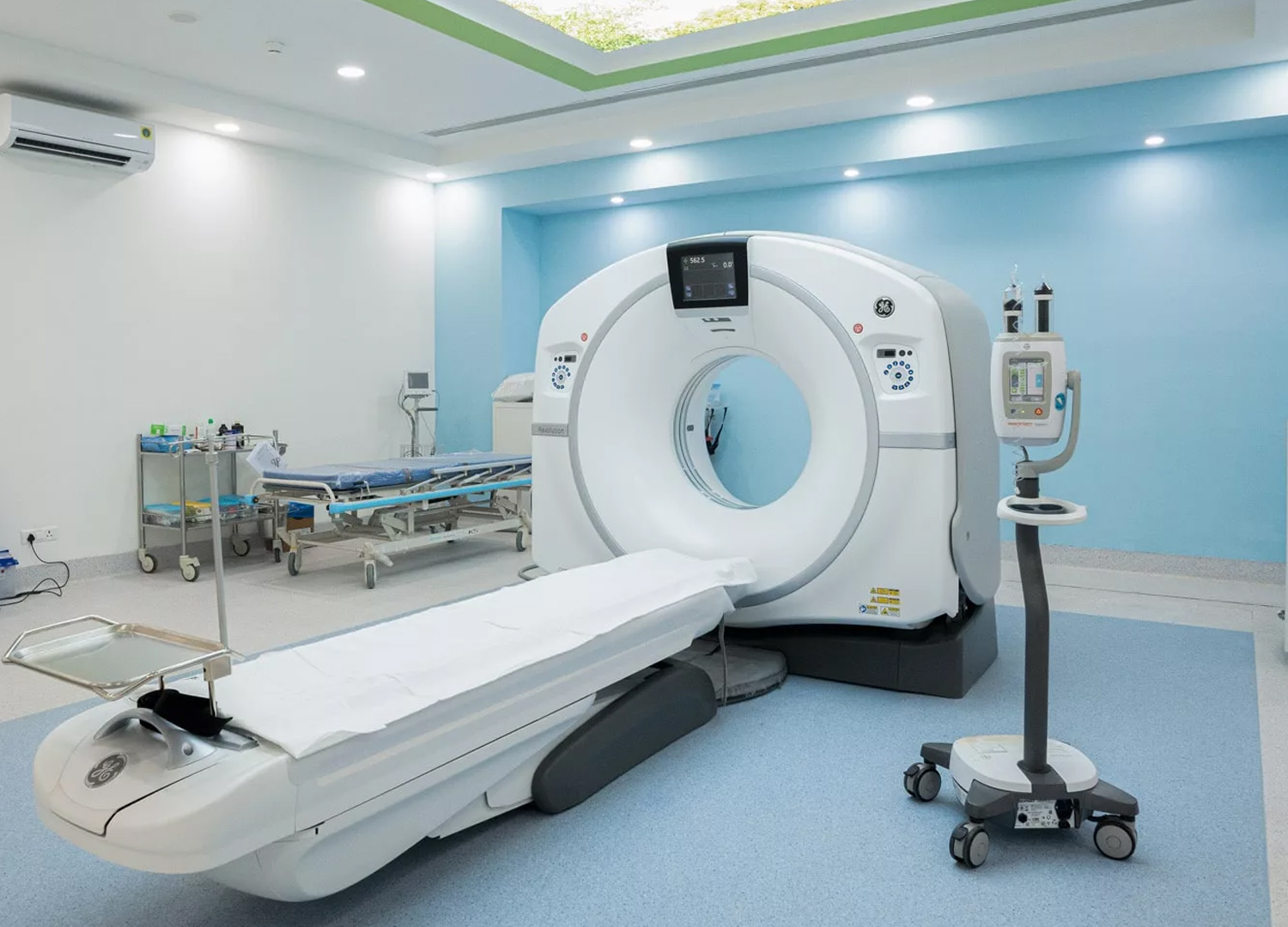
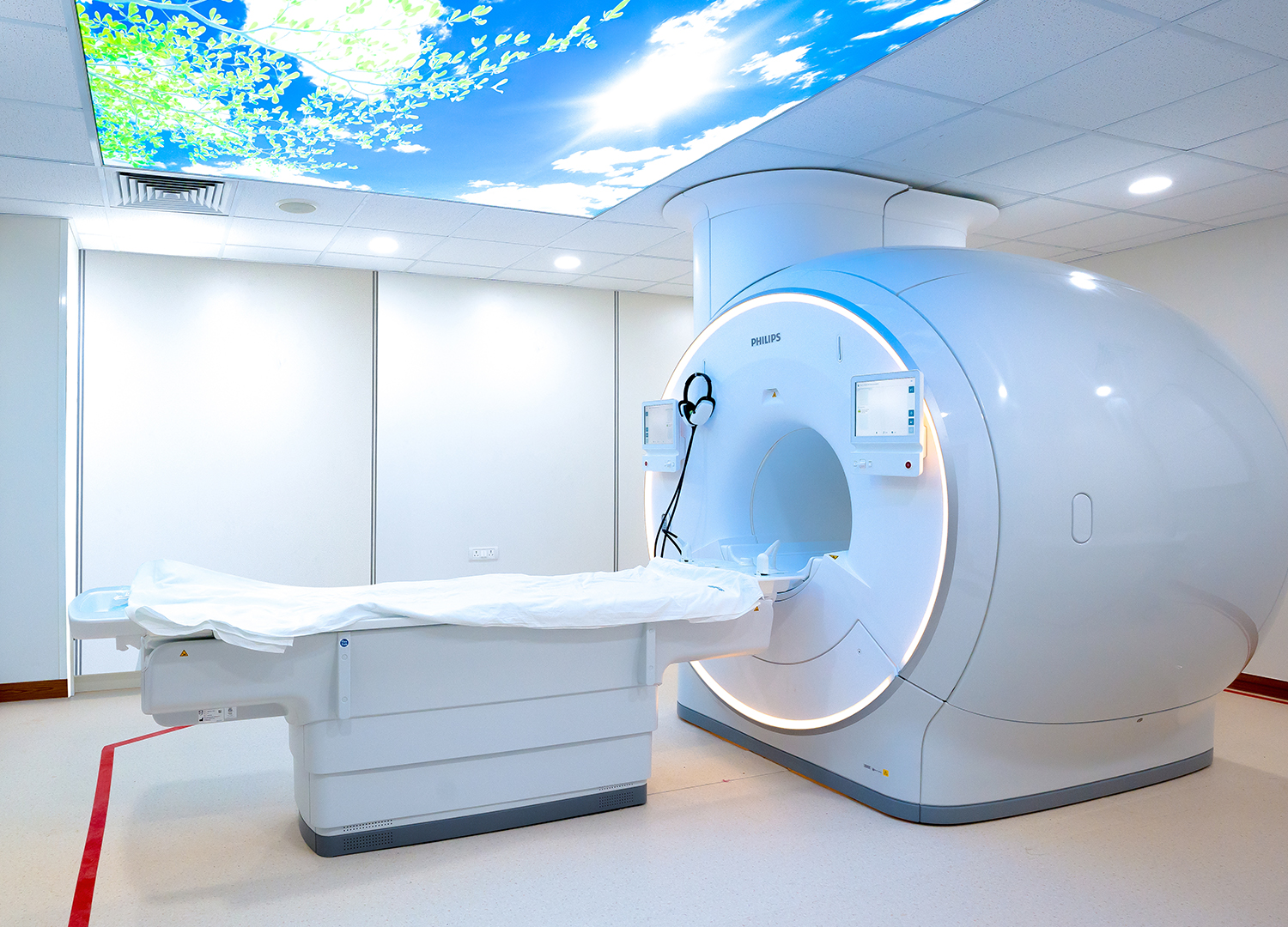
- Offers high-resolution imaging for detailed blood vessel analysis, aiding in accurate diagnosis and treatment planning.
- Delivers advanced imaging with high resolution for clear, detailed views of soft tissues, ensuring precise diagnostics.
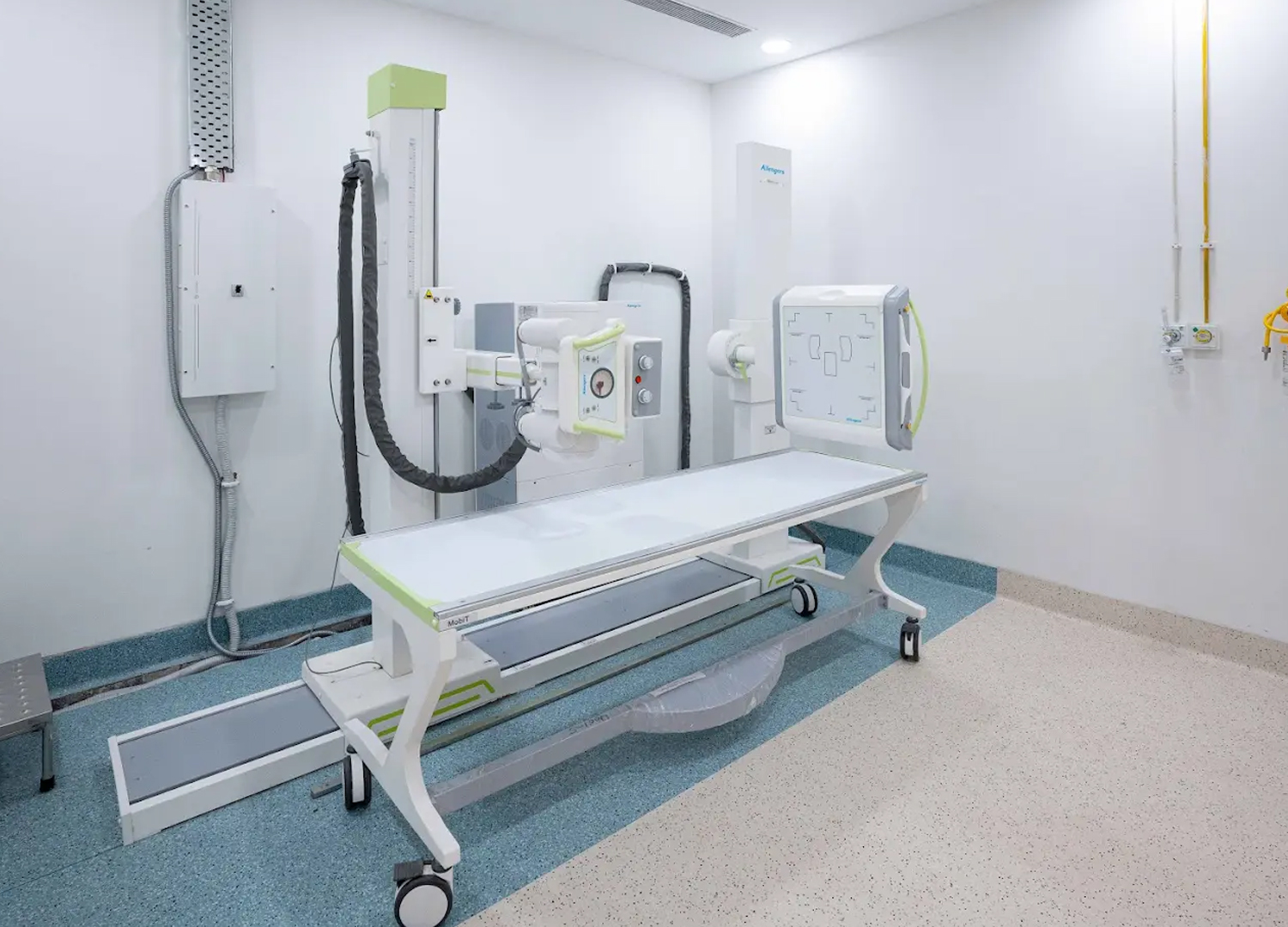
- Provides high-quality, detailed radiographic images for accurate diagnosis with minimal exposure to radiation.
Other Specialities


Patient Stories





Blog









Frequently Asked Questions (FAQs)
Can dry eye be cured permanently?
Dry eye is often a long-term condition that can be managed effectively rather than permanently cured. Treatment focuses on improving tear quality, relieving symptoms and addressing underlying causes or contributing factors.
Can dry eye cause blurry vision?
Yes. An unstable tear film can temporarily affect how clearly light focuses on the eye, leading to blurred or fluctuating vision.
Can dry eye damage your eyesight?
Mild dry eye usually cause discomfort rather than permanent vision damage. However, severe untreated dry eye can sometimes damage the corneal surface and may affect vision.
Why do my eyes water if I have dry eye?
Dryness and irritation of the eye surface can sometimes trigger reflex tearing, causing the eyes to water even though the underlying tear film is not adequately lubricating the eyes.
Can prolonged screen use cause dry eye?
Long periods of screen use can contribute to dry eye because people tend to blink less frequently while looking at digital devices. Taking regular screen breaks and blinking more often may help reduce symptoms.
How can dry eye be managed at home?
Measures such as taking regular screen breaks, avoiding direct airflow, using a humidifier, wearing wraparound sunglasses outdoors and using lubricating eye drops as advised may help manage mild symptoms. Persistent or worsening symptoms should be evaluated by an eye doctor.
Is dry eye serious if left untreated?
Dry eye is usually manageable, but severe or persistent cases should not be ignored. Untreated severe dry eye can lead to inflammation, damage to the corneal surface and, rarely, vision problems.
Where can I find dry eye treatment near me in Dehradun?
If you are looking for dry eye treatment in Dehradun, Graphic Era Hospital provides ophthalmology evaluation and treatment based on the underlying cause and severity of symptoms. Available care includes prescription eye drops, tear duct plugs and lifestyle guidance, depending on the patient’s needs.