
15 Calcium-Rich Foods for Strong and Healthy Bones
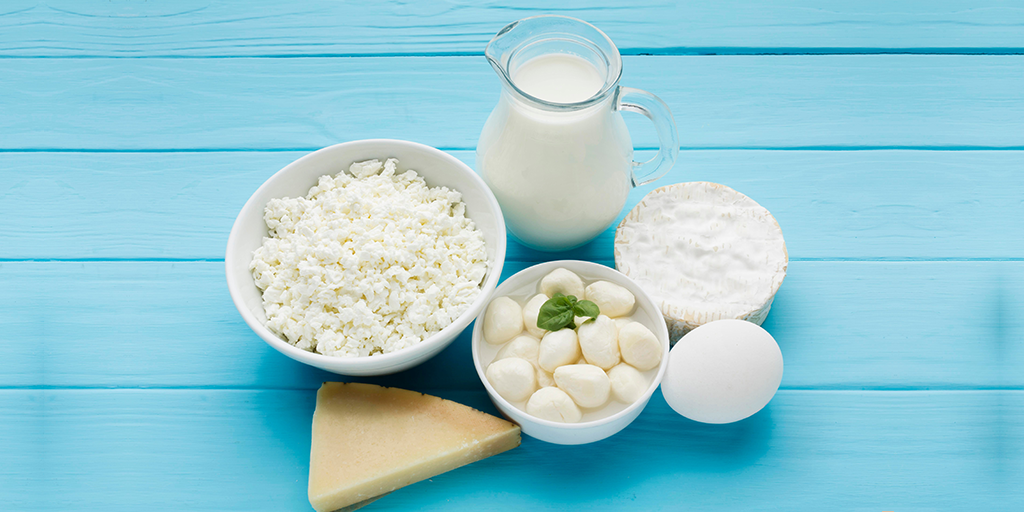
Calcium is an essential nutrient that cannot be produced by the body and has to be obtained entirely through diet. When calcium intake remains consistently low, the body compensates for it by drawing calcium from bone tissue to maintain essential physiological functions. Over time, this can reduce bone density and increase the risk of fractures, bone weakness, and osteoporosis. That’s why maintaining adequate and consistent calcium intake is essential at every stage of life. To help you get your daily dose of this essential nutrient, in this article, we’ll cover 15 calcium-rich foods that can help support stronger bones and overall health, along with important information on daily calcium requirements and tips that can help maximize calcium absorption.
The Role of Calcium in the Body
Calcium is often associated only with bones and teeth, but its role in the body extends far beyond skeletal health. It is involved in several essential biological functions that help the body function properly every single day:
- Bone Health: Nearly 99% of the body’s calcium is stored in the bones and teeth. It helps maintain bone strength, structure, and density throughout life.
- Muscle Function: Calcium is necessary for proper muscle contraction and relaxation. Low calcium levels may sometimes contribute to muscle cramps or weakness.
- Nerve Signalling: The nervous system relies on calcium to transmit signals between the brain and the rest of the body, supporting movement and coordination.
- Heart Function: Calcium helps regulate heartbeat and supports the proper functioning of heart muscles and blood vessels.
- Hormone Release: Several hormones and enzymes depend on calcium to carry out important metabolic and cellular processes.
- Blood Clotting: Calcium plays a role in the blood clotting process that helps prevent excessive bleeding after injuries.
How Much Calcium Does the Body Need?
Calcium requirements vary with age, gender, and life stage. Factors such as growth, pregnancy, menopause, and aging can all influence how much calcium the body needs daily to maintain healthy bones and support other essential functions. Here are the general recommended daily calcium requirements for different age groups:
| Age Group | Recommended Daily Calcium Intake |
| Children (4 to 8 Years) | 1,000 mg |
| Teenagers (9 to 18 Years) | 1,300 mg |
| Adults (19 to 50 Years) | 1,000 mg |
| Women Above 50 Years | 1,200 mg |
| Men Above 70 Years | 1,200 mg |
15 Calcium-Rich Foods for Strong and Healthy Bones
Calcium-rich foods are not limited to milk alone. A balanced diet can include a wide variety of dairy products, seeds, legumes, leafy vegetables, and fortified foods that help support bone strength and overall health.
1. Milk
Milk remains one of the most accessible and reliable dietary sources of calcium. It also provides protein, phosphorus, and vitamin D, nutrients that work together to support bone formation and maintenance.
2. Curd
Curd is rich in calcium and also contains probiotics that support gut health and digestion. Since gut health can influence nutrient absorption, including curd regularly in meals may support better calcium utilisation as well.
3. Paneer
Paneer is a concentrated dairy source of calcium and protein, making it especially beneficial for vegetarians. Including paneer in meals can help support bone density as well as muscle health.
4. Cheese
Cheese contains concentrated amounts of calcium along with protein and healthy fats. Hard cheeses such as parmesan and cheddar generally contain more calcium per serving compared to softer varieties.
5. Ragi
Ragi, or finger millet, is one of the richest plant-based calcium sources commonly used in Indian diets. It is also high in fibre and iron, making it a nutrient-dense grain that supports overall health.
6. Sesame Seeds
Sesame seeds contain impressive amounts of calcium despite their small size. Adding them to chutneys, salads, curries, or snacks can help increase calcium intake without major dietary changes.
7. Tofu
Calcium-set tofu is an excellent option for vegetarians and vegans looking to improve calcium intake. It also provides plant-based protein, which plays a role in maintaining bone structure and muscle health.
8. Soybeans
Soybeans and soy-based foods contain calcium, protein, and several micronutrients beneficial for bone health. They are especially useful for people following predominantly plant-based diets.
9. Sardines
Sardines are naturally rich in calcium because their soft edible bones are consumed along with the fish. They also provide vitamin D and omega-3 fatty acids, which support bone and heart health.
10. Salmon
Salmon contributes to bone health through its vitamin D content, which helps the body absorb calcium more effectively. Canned salmon with bones can also provide additional calcium.
11. Chia Seeds
Chia seeds contain calcium, magnesium, phosphorus, and omega-3 fatty acids that collectively support bone health. They can easily be added to smoothies, oats, yoghurt, or puddings.
12. Amaranth Leaves
Amaranth leaves are rich in calcium and are commonly used in Indian cooking. They also contain iron, fibre, and antioxidants that support overall nutritional intake.
13. Kale
Kale is among the leafy greens known for relatively good calcium absorption compared to some other vegetables. It also provides vitamin K, which contributes to bone metabolism.
14. Sardines
Sardines are naturally high in calcium because their soft edible bones are consumed along with the fish. They also provide vitamin D and omega-3 fatty acids that support bone health.
15. Dried Figs
Dried figs are one of the better fruit-based sources of calcium and can serve as a convenient snack option. They also provide fibre and potassium, which support overall health.
Tips to Maximise Calcium Absorption
Getting enough calcium through food is important, but absorption matters just as much. Several nutrients and lifestyle habits influence how effectively the body absorbs and uses calcium for bone health and other essential functions. Here are some practical ways to improve calcium absorption naturally:
- Get Enough Vitamin D: Vitamin D helps the body absorb calcium more efficiently. Regular sunlight exposure and foods such as eggs, fatty fish, and fortified products can help maintain healthy vitamin D levels.
- Include Magnesium-Rich Foods: Magnesium works alongside calcium in supporting bone health. Nuts, seeds, legumes, and leafy greens are good dietary sources of magnesium.
- Do Regular Exercise: Weight-bearing exercises such as walking, strength training, and jogging help stimulate bone formation and improve bone strength over time.
- Spread Calcium Intake Through The Day: The body absorbs calcium more efficiently in moderate amounts rather than very large single servings. Dividing calcium-rich foods across meals may improve absorption.
- Limit Excess Salt Intake: High sodium intake may increase calcium loss through urine, which can negatively affect long-term bone health.
- Moderate Caffeine Consumption: Excessive caffeine intake may slightly reduce calcium absorption, particularly when calcium intake is already low.
- Avoid Smoking And Excess Alcohol: Both smoking and excessive alcohol consumption are associated with reduced bone density and poorer calcium utilisation.
- Support Gut Health: Digestive health can influence nutrient absorption. Including fibre-rich foods and probiotic-rich options such as curd may support better calcium uptake.
- Avoid taking iron and calcium supplements together as it hampers absorption.
Signs You May Not be Getting Enough Calcium
Calcium deficiency does not always cause immediate or obvious symptoms. In many cases, low calcium intake develops gradually over time, and the effects may only become noticeable once bone density or muscle function starts getting affected. Some common signs that may indicate inadequate calcium intake or low calcium levels include:
- Muscle Cramps: Frequent muscle cramps, spasms, or twitching may sometimes be linked to low calcium levels affecting muscle function.
- Weak Or Brittle Nails: Nails that break easily or appear unusually weak can occasionally indicate nutritional deficiencies, including inadequate calcium intake.
- Fatigue: Persistent tiredness or low energy levels may occur when the body is not functioning optimally due to nutrient imbalances.
- Tingling Or Numbness: Some people with low calcium levels may experience tingling sensations in the fingers, feet, or around the mouth.
- Dental Problems: Calcium is essential for maintaining healthy teeth. Deficiency may contribute to weaker teeth or increased dental issues over time.
- Frequent Fractures: Bones that fracture more easily than expected may sometimes indicate reduced bone density associated with long-term calcium deficiency.
- Bone Or Joint Discomfort: Ongoing bone pain or joint weakness can occasionally develop when calcium stores in the body become depleted over time.
- Irregular Heart Rhythm: In more severe cases, significantly low calcium levels may affect normal heart muscle function and rhythm.
Consult a Specialist at Graphic Era Hospital
Foods covered in this article make it entirely possible to meet daily calcium requirements through diet alone, without relying on supplements or making dramatic changes to how you eat. Start with what is already familiar in your kitchen, ragi, curd, sesame seeds, paneer, and build from there. If you have been experiencing any of the symptoms covered above, do not wait for them to worsen. Consult a specialist at Graphic Era Hospital today to assess your bone health, get your calcium levels tested, and receive a nutrition plan tailored to your specific needs.
Frequently Asked Questions
Which Foods Are Rich In Both Calcium And Magnesium?
Foods such as sesame seeds, chia seeds, almonds, soybeans, leafy greens, and ragi contain both calcium and magnesium. These minerals work together to support bone strength, muscle function, and overall health.
Do Eggs Contain Calcium?
Eggs contain small amounts of calcium, but they are not considered a major calcium source. However, they do provide vitamin D and protein, both of which help support bone health and calcium absorption.
Can You Get Enough Calcium Without Dairy Products?
Yes, calcium can also be obtained from non-dairy foods such as tofu, ragi, sesame seeds, chia seeds, soybeans, leafy greens, and fortified plant-based products. A well-planned diet can help meet daily calcium requirements even without dairy.
Which Fruit Has The Highest Calcium Content?
Dried figs are among the fruits with the highest calcium content. Oranges and kiwis also provide smaller amounts of calcium along with vitamin C and other nutrients.
Does Cooking Reduce Calcium Content In Foods?
Cooking may slightly reduce the calcium content of some foods, but most calcium generally remains retained. In some cases, cooking can even improve digestibility and nutrient absorption.
Is Calcium Important Only For Older Adults?
No, calcium is important at every stage of life. Adequate calcium intake during childhood, adolescence, and adulthood helps build and maintain strong bones over the long term.
Can Too Much Calcium Be Harmful?
Excessive calcium intake, particularly through unnecessary supplements, may increase the risk of kidney stones and other health complications. Calcium supplements should ideally be taken under medical guidance.















 Emergency 24×7 : 1800 889 7351