
Hand, Foot, and Mouth Disease in Children: Symptoms, Transmission, and Home Care Tips for Parents
Key Takeaways
- HFMD is a common and highly contagious viral infection that primarily affects infants and young children.
- Early symptoms often include fever, sore throat, reduced appetite, and irritability before the rash appears.
- Painful mouth ulcers and blisters on the hands and feet are the hallmark signs of hand, foot, and mouth disease.
- Most children recover within 7-10 days with supportive care, hydration, rest, and symptom management.
- Parents should seek medical attention if their child develops dehydration, persistent fever, breathing difficulties, or unusual drowsiness.
- Good hand hygiene, regular disinfection of shared surfaces, and avoiding close contact with infected children can help prevent the spread of HFMD.
Hand, Foot, and Mouth Disease (HFMD) is a common viral infection in children that often spreads quickly through shared spaces such as schools, daycare centres, and playgroups. While most cases of HFMD are mild and resolve on their own, recognising the symptoms early and knowing how to care for your child can make the recovery more comfortable and help prevent complications. In this article, we’ll explain the causes, symptoms, transmission, treatment options, and home care measures for HFMD in children.
What is Hand, Foot, and Mouth Disease (HFMD)?
Hand, Foot, and Mouth Disease (HFMD) is a common viral infection in children that primarily affects infants and children under the age of five, although older children and adults can also develop the infection. Caused by a group of enteroviruses, HFMD is characterised by fever, painful mouth sores, and a distinctive rash on the hands and feet.
While hand, foot, and mouth disease can be uncomfortable, most children recover completely within a week to ten days with supportive care. Understanding the symptoms, transmission, and home care measures can help parents manage the illness effectively and know when medical attention may be needed.
What Causes Hand, Foot, and Mouth Disease in Children?
The primary causes of hand, foot, and mouth disease are viral infections, most commonly Coxsackievirus A16 and Enterovirus 71. These viruses spread easily among children, particularly in schools, daycare centres, playgrounds, and other settings where close contact occurs.
As one of the more common paediatric viral infections, HFMD is most contagious during the first week of illness. However, the virus may continue to be shed in the stool for several weeks after symptoms have resolved. Young children are more susceptible because their immune systems are still developing and they may not consistently follow hygiene practices.
How Does Hand, Foot, and Mouth Disease Spread?
Hand, foot, and mouth disease spreads through close contact with an infected person. Children can become infected through exposure to:
- Saliva and respiratory droplets from coughing or sneezing
- Nasal secretions
- Fluid from blisters
- Stool of an infected child
- Contaminated toys, utensils, surfaces, and shared objects
- Close personal contact such as hugging or sharing food and drinks
Because the virus can survive on surfaces for extended periods, proper hygiene and frequent handwashing play an important role in preventing transmission.
What are the Early Symptoms of Hand, Foot, and Mouth Disease?
Recognising the early stage symptoms of hand, foot, and mouth disease can help parents provide timely care and reduce the risk of spreading the infection to others. Common early symptoms include:
- Mild Fever: A low-grade fever is often one of the first signs of HFMD and may appear one to two days before the rash develops.
- Sore Throat: Children may complain of throat discomfort or pain while swallowing.
- Reduced Appetite: Pain and irritation in the mouth can make eating and drinking uncomfortable.
- Fatigue and Irritability: Children may appear unusually tired, fussy, or less active than usual.
These early symptoms can resemble other viral infections in children, which is why monitoring for the characteristic rash and mouth sores is important.
What are the Common Signs of Hand, Foot, and Mouth Disease in Children?
As the infection progresses, the classic symptoms of hand, foot, and mouth disease become more noticeable.
- Painful Mouth Ulcers: Small red spots inside the mouth can develop into painful ulcers on the tongue, gums, inner cheeks, and throat.
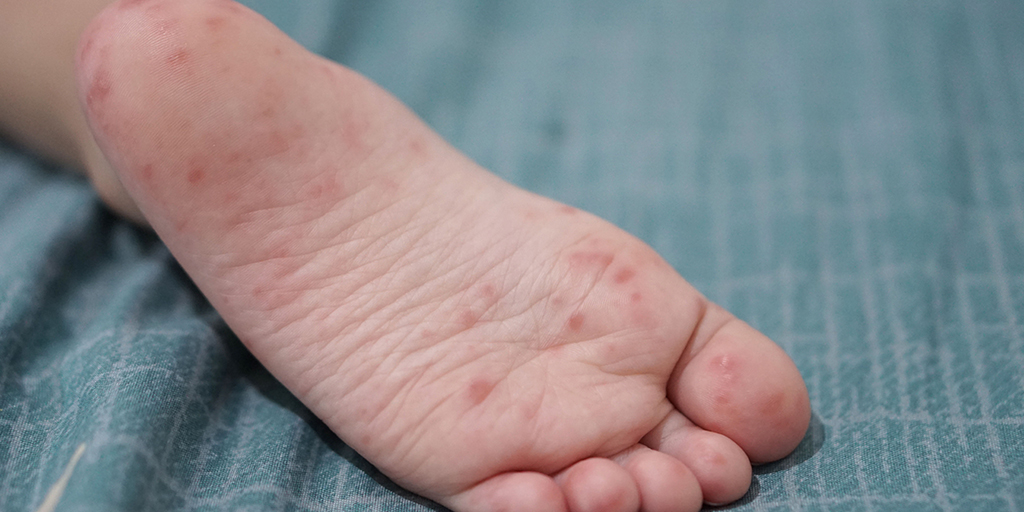
- Red Spots or Blisters on Hands: A rash may appear on the palms and fingers, sometimes progressing into small, fluid-filled blisters.
- Rash on Feet and Soles: Children often develop similar lesions on the soles and sides of the feet.
- Skin Lesions on Buttocks or Legs: In some cases, the rash may extend to the buttocks, thighs, knees, or legs.
- Difficulty Eating or Drinking: Painful mouth sores in children can make swallowing difficult, increasing the risk of dehydration.
What Does an HFMD Rash Look Like?
One of the most recognisable features of hand, foot, and mouth disease is its distinctive rash. The rash usually begins as small red spots (may differ based on skin tone) that may progress into tiny blisters. These lesions commonly appear on the palms, fingers, soles, toes, and around the mouth.
Unlike some other causes of skin rash in children, the HFMD rash is typically not very itchy. However, the blisters can be tender and uncomfortable. The appearance of both mouth ulcers and a rash on the hands and feet often helps doctors distinguish HFMD from other childhood illnesses.
How can Parents Tell the Difference Between HFMD and Other Rashes in Children?
Many childhood illnesses can cause fever and rashes, making it difficult for parents to identify the exact condition. Understanding the differences can help determine when a medical evaluation is necessary.
- HFMD vs Chickenpox: Chickenpox usually causes an itchy rash that spreads across the entire body, whereas HFMD typically affects the hands, feet, mouth, and sometimes the buttocks.
- HFMD vs Measles: Measles often causes a widespread rash accompanied by cough, runny nose, and red eyes. HFMD is more likely to cause mouth ulcers and blisters on the hands and feet.
- HFMD vs Allergic Rash: Allergic rashes are often itchy and may occur without fever or mouth sores.
- HFMD vs Heat Rash: Heat rash usually develops in areas where sweat accumulates and does not cause mouth ulcers or systemic symptoms.
If you are unsure about the cause of your child’s rash, consult one of the best paediatricians in Dehradun at Graphic Era Hospital for an accurate diagnosis.
When should Parents Worry About Hand, Foot, and Mouth Disease?
Most cases of HFMD are mild and resolve without complications. However, some children may require medical attention.
Warning Signs That Need Medical Attention
- High Fever Lasting More Than 3 Days: Persistent fever may indicate a more severe infection or complication.
- Signs of Dehydration: Dry mouth, reduced urine output, absence of tears while crying, sunken eyes, excessive sleepiness, or refusal to drink fluids may indicate dehydration and require prompt medical evaluation.
- Refusal to Eat or Drink: Severe mouth pain can prevent children from consuming enough fluids.
- Unusual Drowsiness or Weakness: Excessive sleepiness or reduced responsiveness should be assessed promptly.
- Breathing Difficulties: Any breathing concerns require immediate medical evaluation.
- Persistent Vomiting: Repeated vomiting can worsen dehydration.
- Seizures (Rare): Although uncommon, seizures require urgent medical attention and evaluation.
Children experiencing these symptoms may require assessment through paediatric emergency care services.
How is Hand, Foot, and Mouth Disease Diagnosed?
Diagnosing hand, foot, and mouth disease typically begins with a detailed clinical assessment by a paediatrician. Because HFMD has a characteristic pattern of symptoms, most children can be diagnosed without extensive testing.
- Symptom and Medical History Evaluation: Review of fever, sore throat, mouth sores, rash progression, and recent illness history.
- Physical Examination: Assessment of characteristic mouth ulcers, hand and foot lesions, and skin rash distribution.
- Hydration Assessment: Evaluation for signs of dehydration caused by reduced fluid intake and painful swallowing.
- Complication Screening: Identification of warning signs such as persistent fever, lethargy, breathing difficulties, or neurological symptoms.
- Differential Diagnosis: Distinguishing HFMD from conditions such as chickenpox, measles, herpangina, and allergic skin rashes.
- Additional Tests (If Required): Laboratory investigations may be recommended in severe, atypical, or complicated cases.
Early diagnosis allows timely symptom management, reduces the risk of complications, and helps families take appropriate precautions to prevent the spread of infection.
What are the Treatment Options for Hand, Foot, and Mouth Disease?
There is no specific antiviral medication or treatment of hand, foot, and mouth disease. Management focuses on relieving symptoms, maintaining hydration, supporting recovery, and monitoring for complications. Most children recover fully with appropriate supportive care.
Fever Treatment and Symptom Management
Fever and general discomfort are commonly managed using age-appropriate medications recommended by a paediatrician. Fever treatment often helps improve a child’s appetite, activity level, and overall comfort.
Pain Relief for Mouth Sores
Painful mouth ulcers can significantly affect eating and drinking. Treatment may include medications or soothing preparations designed to reduce oral discomfort and improve fluid intake.
Hydration Support
Preventing dehydration is one of the most important aspects of HFMD management. Doctors may recommend oral rehydration solutions, frequent fluid intake, and hydration monitoring, particularly in younger children.
Nutritional Support
Children with mouth ulcers often struggle to eat. Soft, bland, and easy-to-swallow foods are encouraged to maintain nutritional intake while minimising discomfort.
Management of Severe Cases
Children who are unable to drink adequately, show signs of dehydration, or develop significant complications may require hospital-based care, including intravenous fluids and close monitoring.
Monitoring for Secondary Infections
Although uncommon, skin lesions can occasionally become infected. Medical evaluation may be required if lesions become increasingly red, swollen, painful, or produce discharge.
Observation for Neurological or Respiratory Complications
Rare complications affecting the nervous system or breathing require prompt specialist assessment. Children with persistent high fever, unusual drowsiness, seizures, breathing difficulties, or worsening symptoms should be reviewed immediately.
Follow-Up and Recovery Guidance
Parents are advised on hydration, nutrition, infection control measures, and warning signs that require medical attention. Regular monitoring helps ensure a smooth recovery and safe return to normal activities.
At Graphic Era Hospital, our paediatricians provide comprehensive care for HFMD and other viral infections in children, with a focus on symptom relief, complication prevention, and family-centred support throughout recovery.
How can Parents Care for a Child With HFMD at Home?
Most children recover successfully at home with supportive care and close monitoring.
- Encourage Fluids and Soft Foods: Offer water, milk, soups, yoghurt, and other soft foods that are easy to swallow.
- Maintain Good Hygiene: Frequent handwashing helps prevent the spread of infection.
- Ensure Adequate Rest: Allow your child plenty of rest to support recovery.
- Monitor Fever and Hydration Levels: Keep track of temperature, fluid intake, and urine output.
Rather than solely relying on home remedies for hand, foot, and mouth disease, it is important for parents to follow medically recommended care. Most importantly, they seek immediate professional advice if symptoms worsen.
What Should Children Eat and Drink During HFMD?
Choosing the right foods can make eating less painful and help maintain hydration. Suitable food and drink options for children during HFMD include:
- Water and oral rehydration solutions
- Milk
- Yoghurt and curd
- Smoothies
- Soups and broths
- Soft rice preparations
- Mashed vegetables
- Porridge and oats
- Ice pops or cold foods that soothe mouth discomfort
Avoid spicy, salty, acidic, or crunchy foods that may irritate mouth sores.
How Long Does Hand, Foot, and Mouth Disease Last?
Most children recover within 7 to 10 days without long-term complications. The stages of hand, foot, and mouth disease generally include:
- Early fever and sore throat
- Development of mouth ulcers
- Appearance of rash and blisters
- Gradual healing of sores and skin lesions
- Full recovery
Although symptoms usually resolve within a week, the virus may continue to be shed for several weeks.
How Can Hand, Foot, and Mouth Disease Be Prevented?
Preventing HFMD requires consistent hygiene practices and limiting exposure to infected individuals. Parents should ensure that their children:
- Wash hands frequently with soap and water
- Clean and disinfect toys and frequently touched surfaces
- Avoid close contact with infected individuals
- Do not share utensils, bottles, or towels
- Are at home during the active phase of illness
Consistent hand hygiene, environmental cleaning, and limiting exposure to infected individuals remain the most effective measures for reducing the spread of HFMD.
What Should Parents Remember About Hand, Foot, and Mouth Disease?
Hand, foot, and mouth disease is a common viral infection in children that usually resolves without complications. Early recognition of HFMD symptoms in kids, proper hydration, symptom management, and good hygiene can help children recover comfortably while reducing the risk of transmission.
Parents should remain vigilant for warning signs such as dehydration, persistent fever, breathing difficulties, or unusual drowsiness. Prompt medical evaluation can help ensure the best possible outcome.
Don’t Delay, Consult a Paediatrician at Graphic Era Hospital
If your child has hand, foot, and mouth disease symptoms such as persistent fever, painful mouth sores, or signs of dehydration, timely medical care is important. The team of experienced paediatricians at Graphic Era Hospital provides comprehensive diagnosis, treatment, and support for viral infections and other childhood illnesses.
As a leading paediatric (child care) hospital in Dehradun, we offer expert care for a wide range of viral infections and childhood health concerns. To schedule an appointment with one of the best paediatricians in Dehradun or seek immediate assistance at Graphic Era Hospital, call 1800 889 7351 (24×7).
Frequently Asked Questions
What are the first signs of hand, foot, and mouth disease?
The first signs usually include mild fever, sore throat, reduced appetite, and irritability. Within a few days, mouth ulcers and a rash on the hands and feet typically appear. The experienced paediatricians at Graphic Era Hospital can help confirm the diagnosis early.
How contagious is HFMD in children?
HFMD is highly contagious, especially during the first week of illness. The virus spreads through saliva, respiratory droplets, stool, and contaminated surfaces. Good hygiene practices are essential to reduce transmission.
How long does hand, foot, and mouth disease last?
Most children recover within 7 to 10 days. Symptoms usually improve gradually with supportive care, adequate hydration, and rest. Graphic Era Hospital advises monitoring for any warning signs during recovery.
Some children may develop temporary nail changes, including nail peeling or nail shedding (onychomadesis), several weeks after recovery from HFMD. Although this can be alarming for parents, the nails usually regrow normally without specific treatment.
Can adults get hand, foot, and mouth disease?
Yes. Although HFMD is more common in children, hand, foot, and mouth disease in adults can occur, particularly after close contact with an infected child. Symptoms are often similar but may vary in severity.
What foods should children eat during HFMD?
Soft, cool, and easy-to-swallow foods such as yoghurt, porridge, soups, mashed vegetables, and smoothies are generally well tolerated. Adequate hydration remains one of the most important aspects of recovery.
When can my child return to school after HFMD?
Children can usually return once the fever has resolved, they feel well enough to participate in normal activities, and their healthcare provider advises it is appropriate. Good hygiene should continue even after symptoms improve.
Is hand, foot, and mouth disease dangerous?
Most cases are mild and self-limiting. However, dehydration and rare neurological complications can occur. The paediatric team at Graphic Era Hospital recommends medical evaluation if warning signs develop.
How can mouth ulcers caused by HFMD be managed?
Treatment focuses on pain relief, hydration, and avoiding foods that may irritate the ulcers. A paediatrician may recommend medications or soothing solutions to improve comfort and help children maintain fluid intake.
Can HFMD occur more than once?
Yes. Because different viruses can cause HFMD, a child who has recovered from one strain may still develop the illness again in the future.
When should I take my child to a doctor for HFMD?
Seek medical attention if your child has persistent fever, dehydration, severe mouth pain, breathing difficulties, unusual drowsiness, or symptoms that worsen rather than improve. The specialists at Graphic Era Hospital are available to provide prompt evaluation and care.














 Emergency 24×7 : 1800 889 7351