Mouth Ulcer or Something More Serious? How to Tell the Difference
That small, painful sore inside the mouth is something most people experience at some point. It may appear after accidentally biting the cheek or during a particularly stressful period. In most cases, it heals within a week or two without causing any lasting problems.
However, not every mouth ulcer is harmless. In some situations, a persistent or unusual ulcer may be the body’s way of signalling an underlying issue such as a nutritional deficiency, a digestive disorder, an immune-related condition, or, in rare cases, a more serious disease that requires prompt medical attention.
Understanding the difference between a routine ulcer and one that deserves medical evaluation is important. This article explains the common causes of mouth ulcers, warning signs that should not be ignored, and the conditions that may sometimes be linked to persistent oral sores.
What is a Mouth Ulcer?
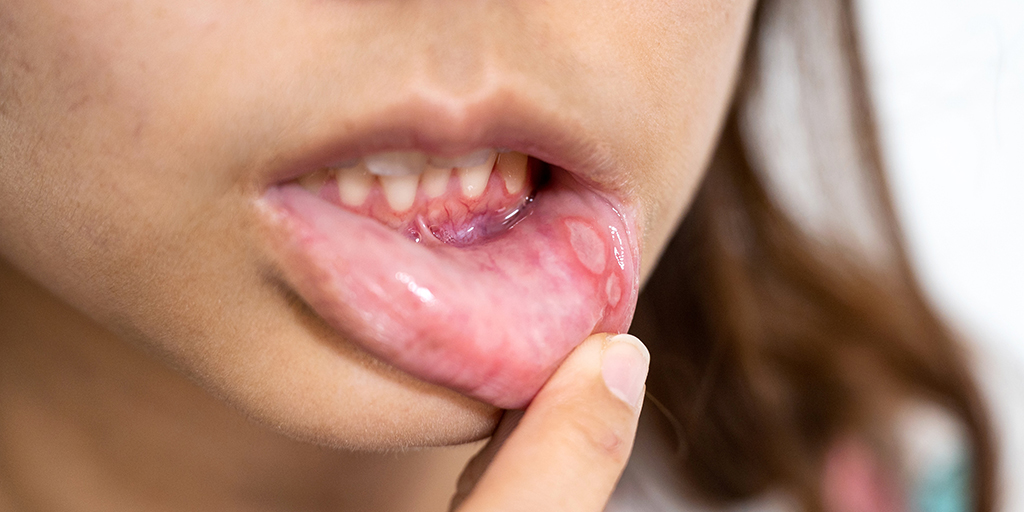
A mouth ulcer, medically known as an aphthous ulcer or canker sore, is a small, open sore that develops on the soft tissues inside the mouth. These tissues include the inner cheeks, lips, tongue, gums, and floor of the mouth.
Mouth ulcers typically appear as round or oval sores with a white, yellowish, or greyish centre surrounded by a red border. Although often small in size, they can cause considerable discomfort while eating, drinking, or speaking.
There are three main types of mouth ulcers:
Minor Ulcers
This is the most common type. Minor ulcers are usually small, heal within one to two weeks, and do not leave scars.
Major Ulcers
These ulcers are larger, deeper, and more painful. Healing may take several weeks, and scarring can sometimes occur.
Herpetiform Ulcers
These appear as clusters of many tiny ulcers that may merge into a larger irregular sore. Despite the name, they are not caused by the herpes virus and are not contagious.
It is important not to confuse mouth ulcers with cold sores. Mouth ulcers occur inside the mouth, whereas cold sores are caused by the herpes simplex virus and usually appear on or around the lips.
In most cases, mouth ulcers heal naturally within 10 to 14 days without treatment.
Common, Harmless Causes of Mouth Ulcers
The majority of mouth ulcers develop because of everyday irritation or temporary triggers rather than serious illness.
Common causes include:
- accidental cheek or tongue biting,
- irritation from braces, dentures, or sharp teeth,
- spicy or acidic foods,
- stress and fatigue,
- hormonal changes,
- nutritional deficiencies,
- certain medications,
- and irritation from toothpaste ingredients such as sodium lauryl sulphate (SLS).
Besides the above causes, deficiencies of iron, vitamin B12, folic acid, or zinc can also increase the frequency of mouth ulcers.
Note – If an ulcer develops after an obvious trigger and heals within two weeks, it is usually not considered a cause for concern.
Warning Signs That Should Not Be Ignored
Although most mouth ulcers are harmless, certain symptoms may indicate the need for medical evaluation.
A Mouth Ulcer Lasting More Than Three Weeks
A healthy mouth ulcer typically heals within two weeks. Any ulcer that persists beyond three weeks should be examined by a doctor or dentist, especially if there is no obvious cause.
Unusually Large or Growing Ulcers
Ulcers that are larger than usual or continue increasing in size may require further investigation.
Ulcers Under the Tongue or Near the Back of the Throat
Persistent sores in these areas can be difficult to monitor and may occasionally be associated with more serious conditions, including oral cancer.
Bleeding Without Irritation
A mouth ulcer that bleeds spontaneously or repeatedly without being touched should not be ignored.
Increasing Pain, Swelling, or Inflammation
Normal ulcers gradually improve with time. Increasing redness, swelling, or pain may indicate infection or another underlying problem.
Irregular Borders or Unusual Appearance
Ulcers with hard edges, raised borders, or unusual textures deserve professional assessment.
Recurrent Ulcers in the Same Spot
Repeated ulcers developing in the same area may result from chronic irritation or, less commonly, a more serious condition.
Fever, Fatigue, or Swollen Lymph Nodes
Systemic symptoms alongside mouth ulcers may indicate infection, inflammation, or immune-related disease.
Mouth Ulcers Alongside Ulcers Elsewhere on the Body
Ulcers affecting the skin, genitals, or eyes together with mouth ulcers may suggest conditions such as Behçet’s disease.
Even a single persistent or unusual symptom is sufficient reason to seek medical advice.
Serious Conditions That Persistent Mouth Ulcers May Indicate
Oral Cancer
Oral cancer is one of the most important conditions associated with persistent mouth ulcers. It may affect the tongue, lips, cheeks, floor of the mouth, or throat.
In its early stages, oral cancer is often painless, which can delay diagnosis. A non-healing ulcer, especially one that feels firm or has irregular borders, should always be evaluated.
Risk factors include:
- tobacco use,
- heavy alcohol consumption,
- HPV infection,
- and prolonged sun exposure affecting the lips.
Although oral cancer is relatively uncommon, early diagnosis greatly improves treatment outcomes.
Crohn’s Disease and Coeliac Disease
Digestive disorders such as Crohn’s disease and coeliac disease can sometimes cause recurrent mouth ulcers.
In coeliac disease, ulcers may develop because of poor absorption of nutrients such as iron, folate, and vitamin B12. In Crohn’s disease, ulcers may appear alongside abdominal pain, diarrhoea, bloating, or weight loss.
Oral Lichen Planus
Oral lichen planus is a chronic inflammatory condition affecting the mouth lining. It may appear as white, lacy patches or painful red erosions resembling ulcers.
Although not cancerous itself, certain forms may carry a small long-term risk of malignant transformation and therefore require monitoring.
Immune-Related Conditions
People with weakened immunity may develop unusually severe or persistent mouth ulcers.
Conditions such as HIV and lupus are known to cause recurrent oral ulcers. In lupus, the ulcers are often painless and may occur alongside fatigue, joint pain, skin rashes, or sensitivity to sunlight.
Nutritional Deficiencies
Iron deficiency, vitamin B12 deficiency, folate deficiency, and zinc deficiency are strongly linked to recurrent mouth ulcers.
Simple blood tests can usually identify these deficiencies, and appropriate treatment often reduces ulcer recurrence significantly.
Behcet’s Disease
Behçet’s disease is a rare inflammatory condition characterised by recurring mouth ulcers along with genital ulcers, eye inflammation, and skin lesions.
Hand, Foot and Mouth Disease
This viral illness commonly affects children and can cause painful mouth ulcers along with rashes on the hands and feet.
Mouth Ulcer vs Cold Sore
Although commonly confused, mouth ulcers and cold sores are different conditions.
| Feature | Mouth Ulcer | Cold Sore |
| Location | Inside the mouth | On or around the lips |
| Cause | Multiple possible causes | Herpes simplex virus |
| Contagious | No | Yes |
| Appearance | Flat ulcer with white/yellow centre | Fluid-filled blisters |
| Early Symptoms | Usually sudden onset | Tingling or burning before appearance |
When to Seek Medical Advice
Medical evaluation is recommended if:
- a mouth ulcer lasts longer than three weeks,
- ulcers recur frequently,
- there is bleeding or swelling,
- eating or swallowing becomes difficult,
- multiple ulcers appear repeatedly,
- or symptoms such as fever, fatigue, joint pain, or weight loss occur.
At Graphic Era Hospital, specialists in General Medicine, ENT, Dentistry, and Oral Health evaluate persistent mouth ulcers and related symptoms using comprehensive clinical assessment and advanced diagnostic support. Early evaluation can help identify underlying conditions before complications develop.
Managing Common Mouth Ulcers at Home
Simple measures that may help reduce discomfort include:
- rinsing with warm salt water,
- avoiding spicy or acidic foods,
- using a soft-bristled toothbrush,
- staying hydrated,
- and using over-the-counter oral gels when required.
Prescription mouthwashes or medications may sometimes be recommended for severe ulcers.
Final Word
Mouth ulcers are extremely common and, in most cases, harmless. Minor ulcers usually heal on their own within one to two weeks and are often linked to temporary irritation, stress, or dietary factors.
However, ulcers that persist, recur frequently, bleed, change in appearance, or occur alongside other symptoms should not be ignored. In some cases, they may signal nutritional deficiencies, immune-related conditions, digestive disorders, or oral cancer. Additionally, avoid self-medicating, as certain medications and their side effects can cause or worsen oral ulcers.
If you or a loved one are struggling with persistent or unusual mouth ulcers, consult an experienced medical specialist for timely diagnosis and treatment. At Graphic Era Hospital, specialists in Dentistry, ENT, General Medicine, and Oncology evaluate persistent oral ulcers and related symptoms using comprehensive clinical assessment and advanced diagnostic support.
Frequently Asked Questions
Can stress alone cause mouth ulcers?
Yes. Emotional stress, anxiety, fatigue, and lack of sleep are recognised triggers for mouth ulcers in many people. Stress can affect immune function and make the mouth lining more vulnerable to irritation and inflammation.
Are recurring mouth ulcers common?
Occasional mouth ulcers are common, but ulcers that recur frequently or appear continuously may indicate an underlying issue such as nutritional deficiency, digestive disease, hormonal imbalance, or immune-related conditions.
Can vitamin deficiencies cause mouth ulcers?
Yes. Deficiencies of iron, vitamin B12, folic acid, and zinc are strongly associated with recurrent mouth ulcers. Blood tests can help identify these deficiencies, and treatment may reduce ulcer frequency significantly.
Do mouth ulcers spread from one person to another?
No. Standard mouth ulcers are not contagious and cannot spread through touching, kissing, or sharing utensils. However, cold sores caused by the herpes simplex virus are contagious and are often mistaken for mouth ulcers.
Can braces or dentures cause repeated mouth ulcers?
Yes. Braces, dentures, sharp teeth, or poorly fitting dental appliances can repeatedly irritate the soft tissues inside the mouth and trigger ulcers in the same area.
Are mouth ulcers more common in children or adults?
Mouth ulcers can affect people of all age groups. However, recurrent aphthous ulcers are commonly seen in teenagers and young adults, while persistent non-healing ulcers in older adults may require closer medical evaluation.
Can spicy foods make mouth ulcers worse?
Yes. Spicy, acidic, or very salty foods can irritate existing ulcers and increase discomfort. Avoiding trigger foods during healing may help reduce pain and irritation.
What foods may help support healing of mouth ulcers?
A balanced diet rich in iron, folate, vitamin B12, zinc, and protein may help support oral tissue healing. Soft, non-spicy foods and adequate hydration may also reduce irritation during recovery.
Can dehydration contribute to mouth ulcers?
Yes. Dryness inside the mouth can increase irritation and delay healing. Staying adequately hydrated helps maintain healthy oral tissues and may reduce discomfort associated with ulcers.
Which specialist should be consulted for persistent mouth ulcers?
Depending on the symptoms and suspected cause, evaluation may involve specialists in Dentistry, ENT, General Medicine, Gastroenterology, or Oncology. Persistent, recurrent, or unusual ulcers should always be medically assessed.
How do I book an appointment at Graphic Era Hospital for persistent mouth ulcers or oral health concerns?
Appointments can be booked online through the hospital website or by calling 1800-889-7351 for assistance. Depending on the symptoms and underlying condition, consultations may be scheduled with specialists in Dentistry, ENT, General Medicine, or Oncology at Graphic Era Hospital.

















 Emergency 24×7 : 1800 889 7351