
World Anaesthesia Day 2026: History, Importance and Advances in Modern Anaesthesia
Key Takeaways
- Anaesthesia has evolved from early pain-relief methods into a specialised medical field supported by advanced medicines, techniques and monitoring.
- 16 October marks a major milestone in anaesthesia history and is observed as World Anaesthesia Day.
- Anaesthesiologists play a central role in patient care, from assessing patients before procedures to managing anaesthesia, vital functions and recovery.
- Modern advances have improved precision, including advanced monitoring, controlled drug delivery, ultrasound-guided regional techniques and multimodal pain management.
- Clear communication before anaesthesia matters, as sharing complete health information helps anaesthesiologists plan safe anaesthesia and reduce the risk of complications.
For most people, anaesthesia simply means being put to sleep before surgery. In reality, it is a highly specialised field focused on keeping patients safe, comfortable and stable throughout surgical and procedural care. From assessing patients before a procedure and managing pain during surgery to monitoring recovery and supporting critical care, anaesthesiologists play an important role at several stages of the patient journey.
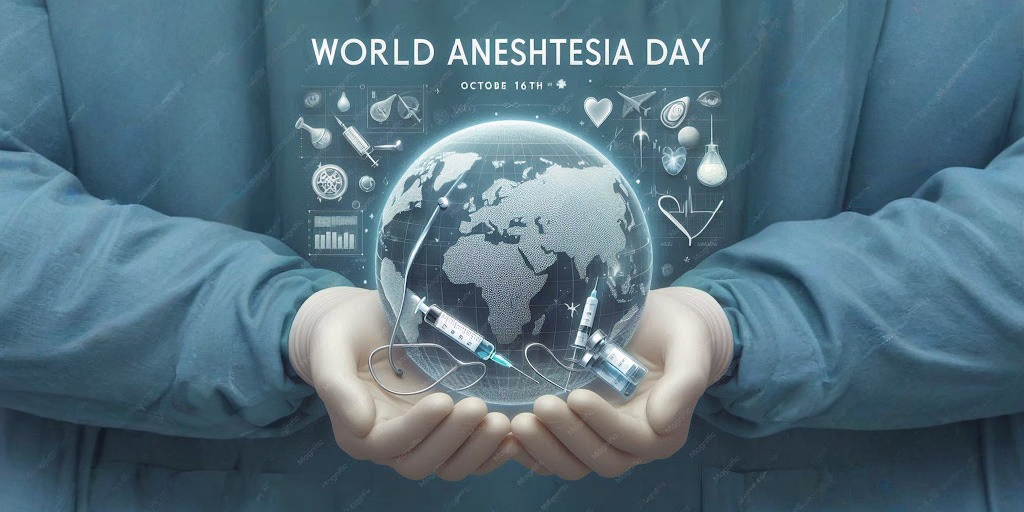
World Anaesthesia Day 2026 provides an opportunity to recognise this essential role and raise awareness about the importance of safe anaesthesia care. It also draws attention to how advances in medicines, monitoring, regional anaesthesia and medical technology continue to support greater precision, patient safety and better recovery. In this article, we look at the significance of World Anaesthesia Day, its history and theme, and some of the key advances shaping modern anaesthesia.
History and Significance of World Anaesthesia Day
The history of modern anaesthesia dates back to the 19th century, when the development of inhaled anaesthetic agents made it possible to perform surgery with significantly less pain. A major milestone came on 16 October 1846, when dentist William T. G. Morton publicly demonstrated ether anaesthesia at Massachusetts General Hospital while surgeon John Collins Warren performed the operation. This demonstration is widely recognised as an important milestone in the development of modern anaesthesia.
Why is 16 October Observed as World Anaesthesia Day?
World Anaesthesia Day is observed on 16 October to commemorate Morton’s 1846 public demonstration of ether anaesthesia. The day recognises the contribution of anaesthesiologists and other anaesthesia professionals to patient care and raises awareness of the importance of safe anaesthesia. It also provides an opportunity to highlight developments in anaesthesia and its contribution to surgery, critical care, pain management and other areas of healthcare.
Theme of World Anaesthesia Day 2026: “Anaesthesiology Along the Patient Pathway”
The 2026 World Anaesthesia Day theme, “Anaesthesiology Along the Patient Pathway,” highlights the role of anaesthesiologists throughout a patient’s healthcare journey. Their contribution can begin before a procedure with assessment and anaesthesia planning, continue during surgery through anaesthesia administration and monitoring, and extend beyond surgery through recovery and pain management. Anaesthesiologists may also contribute to intensive care, emergency and prehospital care, pain services, palliative care and procedures performed outside the operating room.
The role anaesthesiologists play before, during and after surgery includes:
- Before surgery, the anaesthesiologist assesses the patient’s health and considers factors such as medical conditions, medicines, allergies and previous experiences with anaesthesia to plan appropriate care.
- During surgery, the anaesthesiologist administers and adjusts anaesthesia while monitoring vital functions such as breathing, circulation and blood pressure, responding to changes when needed.
- Beyond surgery, the role can include supporting recovery, managing pain and contributing to critical care and other specialist services. The theme therefore emphasises that anaesthesiology is not limited to the operating theatre but contributes across different stages of patient care.
Types of Anaesthesia
The type of anaesthesia depends on the procedure, the area being treated and the individual’s health.
General Anaesthesia
General anaesthesia produces a controlled state of unconsciousness. Doctors commonly use it for procedures that require the individual to remain unaware and still. The anaesthesia team continuously monitors the individual’s physiological functions and adjusts medicines throughout the procedure.
Regional Anaesthesia
Regional anaesthesia blocks sensation in a larger area of the body. Spinal and epidural anaesthesia are examples. Doctors may use regional techniques alone or combine them with other forms of anaesthesia or sedation, depending on the procedure.
Local Anaesthesia
Local anaesthesia numbs a specific, limited area of the body. The individual generally remains awake and aware while the treated area loses sensation. Doctors commonly use local anaesthesia for procedures involving a small area.
The choice does not follow a single rule for every procedure. The anaesthesiologist considers the planned intervention, medical history, expected duration, other health conditions and the individual’s needs before deciding on an appropriate approach.
Advances in Modern Anaesthesia
Modern anaesthesia has progressed through advances in medicines, monitoring technology, drug-delivery systems and procedural techniques. These developments have made anaesthesia more precise and have expanded how anaesthesiologists can manage patients before, during and after procedures.
- Advanced monitoring technologies: The introduction and wider use of technologies such as pulse oximetry and capnography have transformed how anaesthesiologists monitor oxygenation and ventilation. Modern systems can also continuously track blood pressure, heart rate, cardiac rhythm and temperature, depending on the procedure and the patient’s condition.
- Newer anaesthetic medicines and drug-delivery systems: Developments in intravenous and inhaled anaesthetic medicines, together with modern anaesthesia machines and controlled drug-delivery systems, allow anaesthesiologists to adjust anaesthesia more precisely according to the procedure and the patient’s response.
- Ultrasound-guided regional anaesthesia: Ultrasound technology has changed how selected nerve blocks are performed by allowing anaesthesiologists to visualise anatomical structures and guide needle placement in real time. This has expanded the use of targeted regional techniques for appropriate patients.
- Multimodal pain management: Modern pain medicine has moved beyond relying on a single analgesic or technique. Combining different medicines and regional or local techniques allows pain to be managed through multiple pathways while tailoring treatment to the procedure and individual needs.
- Enhanced recovery approaches: Modern perioperative care increasingly integrates anaesthesia with planned pain control, nausea prevention and early recovery strategies. This has shifted the focus from managing anaesthesia only during surgery towards supporting the patient’s recovery throughout the perioperative period.
Preparing for Safe Anaesthesia
Good communication before anaesthesia helps the anaesthesiologist plan care according to individual needs. Patients should provide complete and accurate information rather than assuming that a particular medicine or health condition is unrelated to anaesthesia.
Important information includes:
- Existing medical conditions, including heart, lung, kidney or metabolic conditions
- All prescription and over-the-counter medicines
- Vitamins, herbal products and other supplements
- Known allergies or previous reactions to medicines
- Previous problems or unexpected reactions during anaesthesia
- Previous surgeries and relevant medical procedures
- Any instructions received about fasting before the procedure
Patients should also follow the hospital’s instructions about fasting and regular medicines. Some medicines may require adjustment before a procedure, while others may need to continue. Patients should not stop prescribed medicines on their own unless the treating team advises them to do so.
Questions about the planned anaesthesia, expected recovery, pain management or possible side effects can also be discussed during the pre-anaesthesia assessment.
Common Myths About Anaesthesia
Myth: Anaesthesia always means complete unconsciousness.
Fact: General anaesthesia produces unconsciousness, but regional and local anaesthesia can block sensation without producing general unconsciousness. Doctors may also use sedation in selected procedures.
Myth: Anaesthesia only matters during surgery.
Fact: Anaesthesiologists assess patients before procedures and contribute to recovery, pain management, critical care and other services beyond the operating room.
Myth: Anaesthesiologists only administer anaesthetic medicines.
Fact: Their responsibilities include pre-anaesthesia assessment, planning, monitoring, management of physiological changes and postoperative care.
Myth: Patients do not need to mention regular medicines before anaesthesia.
Fact: Medicines, supplements and previous reactions can affect anaesthesia planning. Patients should share a complete medication history with the anaesthesiologist.
Anaesthesia Care at Graphic Era Hospital
At Graphic Era Hospital, Dehradun, our Department of Anaesthesiology provides anaesthesia care across the patient journey, from pre-surgical assessment and anaesthesia planning to intraoperative monitoring and postoperative pain management. Our team includes anaesthesiologists, critical care specialists and pain management specialists who provide anaesthesia care for both minor procedures and complex surgeries.
Our anaesthesia services use advanced anaesthesia equipment, real-time patient monitoring, high-precision ventilators and automated drug-delivery systems to support precise anaesthesia management. Our specialists also have expertise in areas such as neuroanaesthesia, neurocritical care and cardiac anaesthesia. With 10 modular operating theatres and 125 critical care beds, Graphic Era Hospital also provides the surgical and critical care infrastructure required for complex patient needs.
Looking for anaesthesia care in Dehradun? Consult our specialists at Graphic Era Hospital. Call 1800 889 7351 to schedule an appointment or learn more about our anaesthesia services.
Frequently Asked Questions (FAQs)
When is World Anaesthesia Day 2026?
World Anaesthesia Day 2026 will be observed on 16 October 2026. The date commemorates the public demonstration of ether anaesthesia at Massachusetts General Hospital in Boston on 16 October 1846.
Why is World Anaesthesia Day observed on 16 October?
16 October marks the 1846 public demonstration of ether anaesthesia, which became a major milestone in the development of modern anaesthesia. World Anaesthesia Day also raises awareness about the contribution of anaesthesia professionals and the importance of safe and equitable anaesthesia care.
What is the history of modern anaesthesia?
Modern anaesthesia developed through advances in inhaled and injectable medicines, airway management, ventilation, monitoring and regional techniques. The public ether demonstration on 16 October 1846 represents one of the major milestones in this development.
What are the main types of anaesthesia?
The main types include general, regional and local anaesthesia. Doctors select the approach according to the procedure and the individual’s health and clinical needs.
What does an anaesthesiologist do before surgery?
An anaesthesiologist reviews the individual’s health, medicines, allergies and previous anaesthesia experiences, assesses relevant risks and develops an anaesthesia plan suited to the procedure.
Is anaesthesia used only during surgery?
No. Anaesthesiologists also contribute to emergency care, intensive care, pain services, non-operating-room procedures and postoperative recovery.
What should patients tell their anaesthesiologist before anaesthesia?
Patients should share information about medical conditions, medicines and supplements, allergies, previous reactions to anaesthesia, previous surgeries and any other relevant health concerns.
How has technology improved modern anaesthesia?
Modern monitoring systems, anaesthesia machines, controlled drug delivery, airway equipment and ultrasound-guided regional techniques have given anaesthesia teams greater ability to monitor and manage patients during procedures.
Does every surgery require general anaesthesia?
No. Some procedures can use regional or local anaesthesia, with or without sedation, depending on the procedure and the individual’s clinical needs. The anaesthesiologist determines an appropriate approach after assessment.
Where can patients receive anaesthesia care in Dehradun?
Graphic Era Hospital in Dehradun provides anaesthesiology services, including pre-surgical assessment, anaesthesia care and postoperative pain management. The hospital lists a dedicated anaesthesiology team and critical care infrastructure.












 Emergency 24×7 : 1800 889 7351