Chronic or acute pain can make even the simplest of activities increasingly difficult, impacting mobility, independence and overall well-being. Whether it develops gradually or begins suddenly, pain that persists or recurs calls for a thorough evaluation. At Graphic Era Hospital, Dehradun, our Department of Pain Management brings together experienced specialists, advanced diagnostic facilities, and evidence-based therapies to provide comprehensive care for a wide range of pain-causing conditions. Through detailed clinical evaluation, personalised treatment planning, interventional pain procedures, medication management, physiotherapy, and rehabilitation, we focus on relieving pain, and improving function, helping patients regain pain-free, active lives.
What is Pain Management?
Pain management is a specialised branch of medicine that focuses on evaluating, diagnosing, and managing pain caused by a wide range of medical conditions, injuries, or surgical procedures. Rather than treating pain as a symptom alone, pain management aims to identify its underlying cause and develop an individualised plan that helps reduce pain, improve physical function, and enhance overall quality of life.
Pain is generally classified into two main types. Acute pain develops suddenly and usually improves as the underlying injury or condition heals. Chronic pain persists for three months or longer and may continue even after the original cause has resolved, requiring long-term pain management to improve daily function and quality of life.
Pain often affects different parts of the body and arises from multiple causes, making a multidisciplinary approach essential for effective management. At Graphic Era Hospital, our Department of Pain Management collaborates with specialists in orthopaedics, neurology, oncology, rehabilitation, physiotherapy, and other medical specialities to ensure every patient receives coordinated and personalised care tailored to the underlying cause of pain.
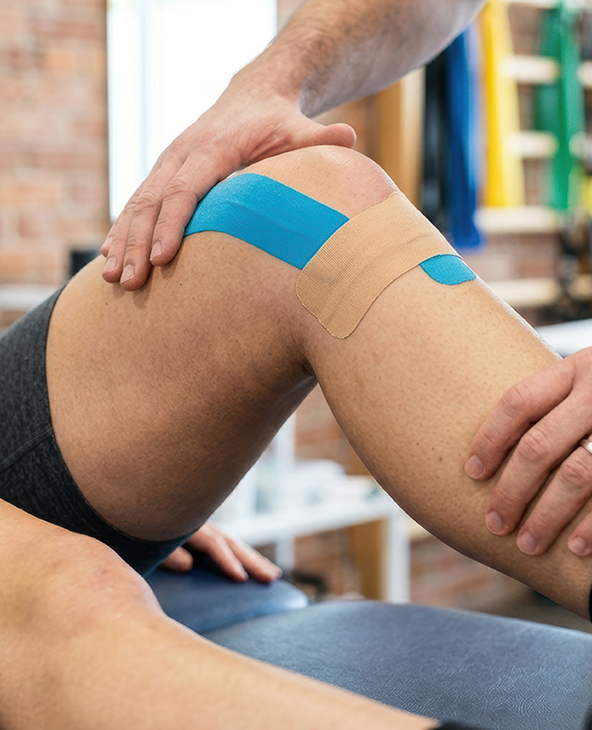
When to Seek Pain Management Care
Pain that persists or repeatedly interferes with everyday life should not be ignored. Seeking pain management care at the right time helps identify the underlying cause of pain, improve physical function, and reduce its impact on daily activities. You should seek medical evaluation if you experience:
- Pain that persists for more than three months or keeps recurring despite treatment
- Persistent lower back pain, neck pain, or knee pain accompanied by stiffness or reduced mobility
- Burning, tingling, shooting, or electric shock-like pain requiring specialised nerve pain treatment
- Pain that disrupts sleep, work, or routine daily activities
- Ongoing pain after surgery, an injury, or physical trauma
- Pain that does not improve with medicines, physiotherapy, or other conservative treatment
- Pain following an accident, fall, or sports injury that continues despite initial treatment
- Pain accompanied by numbness, weakness, or altered sensation
- Pain that limits movement, exercise, or participation in rehabilitation
- Frequent or increasing reliance on pain medicines to carry out everyday activities
Common Conditions Treated at Graphic Era Hospital
Pain management addresses a wide range of acute and chronic pain conditions that affect movement, comfort, and overall quality of life. At Graphic Era Hospital, our specialists evaluate the underlying cause of pain and provide comprehensive care for conditions such as:
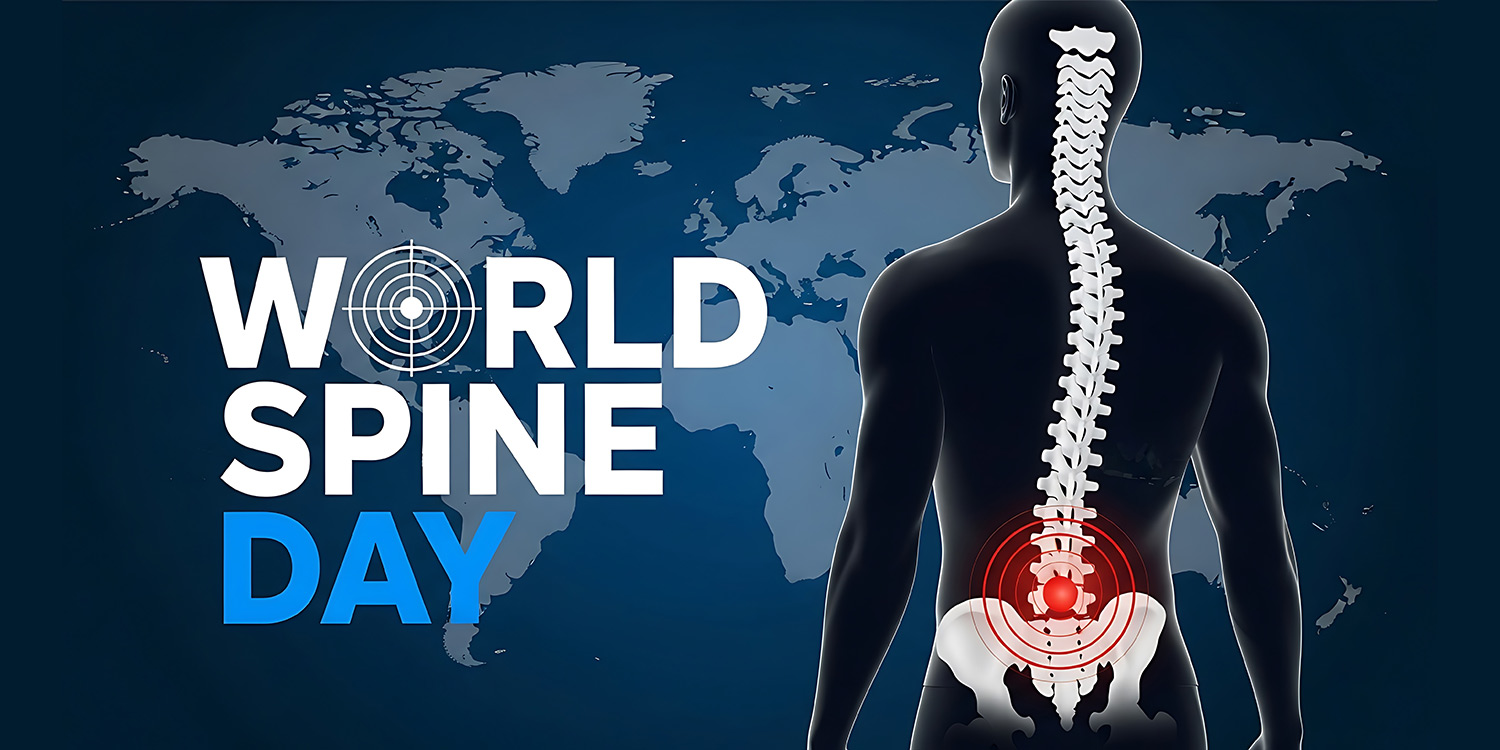
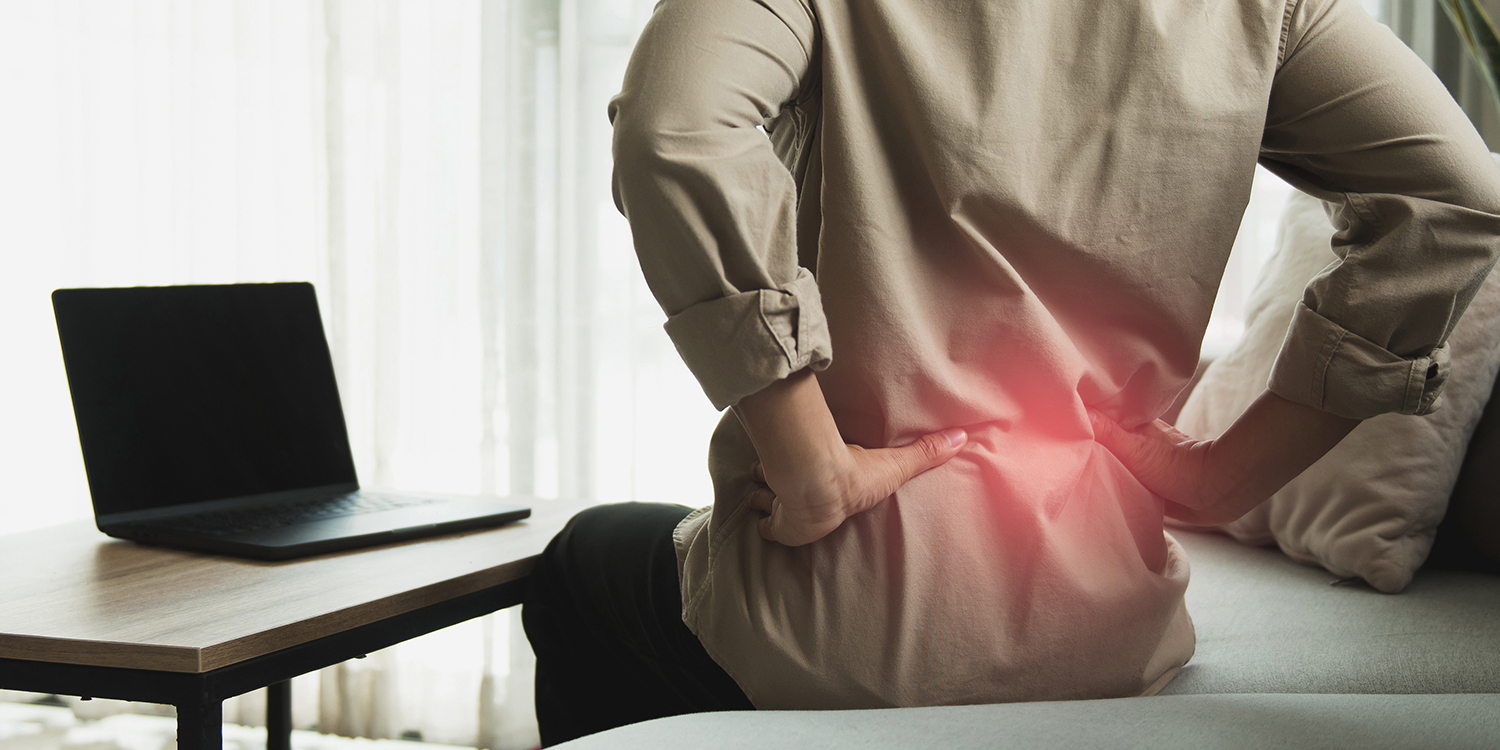
- Chronic Back Pain: Persistent back pain that continues for several weeks or months and affects daily activities, mobility, or work.
- Neck Pain: Pain, stiffness, or restricted movement in the neck caused by musculoskeletal, degenerative, or nerve-related conditions. Early evaluation supports appropriate neck pain treatment.
- Sciatica: Pain that radiates from the lower back through the buttock and down the leg due to irritation or compression of the sciatic nerve.
- Disc Prolapse (Slipped Disc): A condition in which a spinal disc presses on nearby nerves, leading to back pain, leg pain, numbness, or weakness.
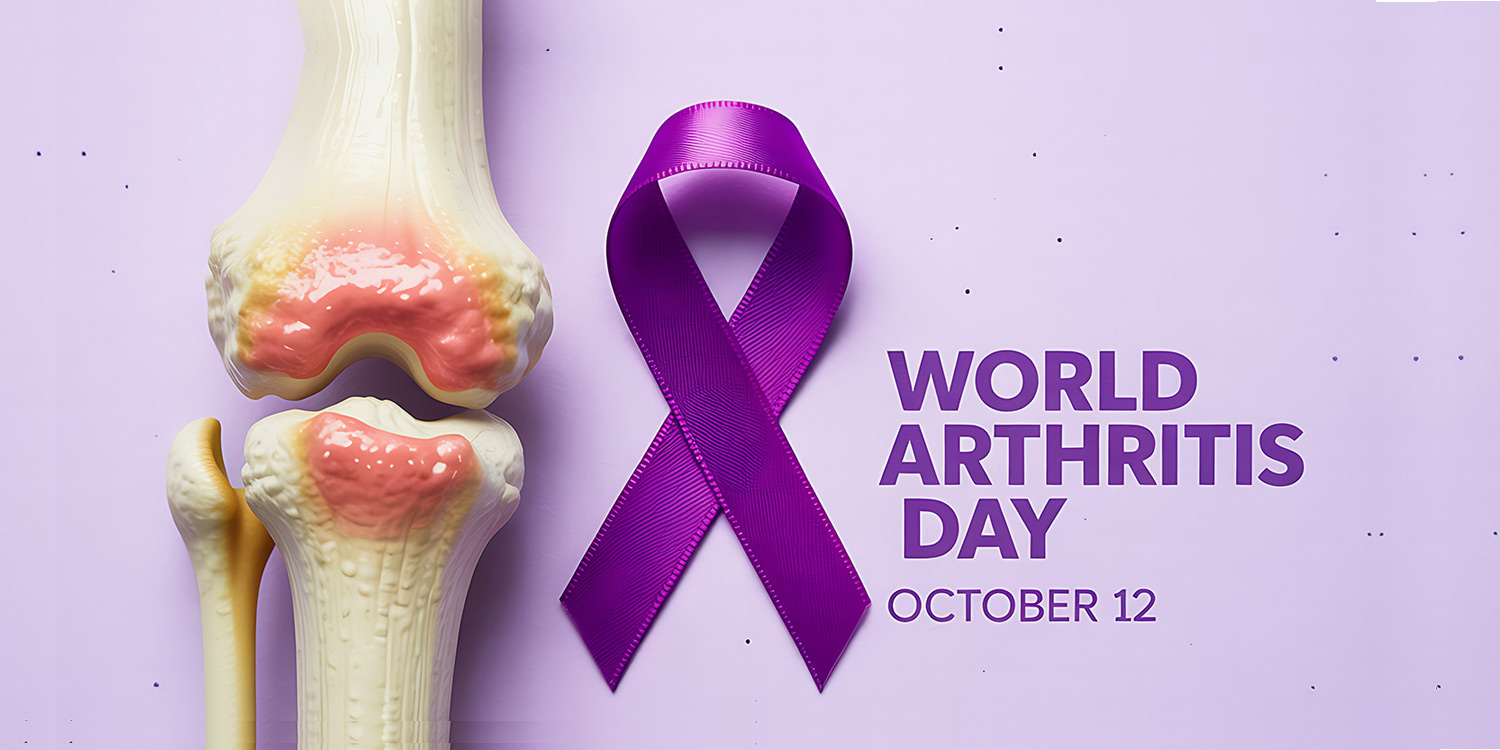
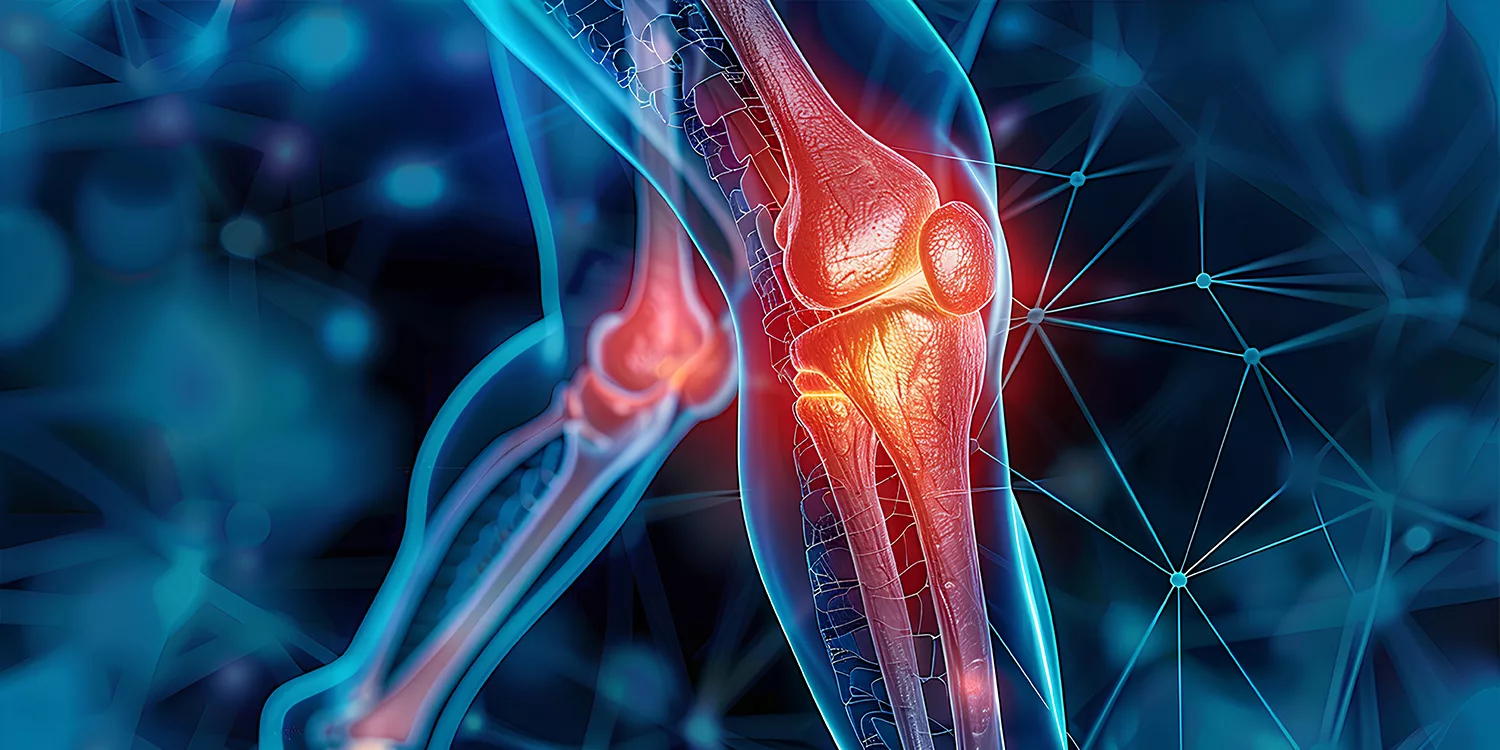
- Arthritis and Joint Pain: Chronic pain affecting joints such as the knees, hips, shoulders, or hands due to arthritis or other joint disorders.
- Cervical Spondylosis: Age-related wear and tear affecting the cervical spine that may cause neck pain, stiffness, or pain radiating to the shoulders and arms.
- Neuropathic Pain: Burning, tingling, shooting, or electric shock-like pain resulting from injury or damage to the nerves.
- Cancer Pain: Pain associated with cancer or cancer treatment that requires specialised assessment and ongoing management.
- Post-Surgical Pain: Pain that persists after surgery and continues beyond the expected healing period.
- Complex Regional Pain Syndrome (CRPS): A chronic pain condition that usually develops after an injury or surgery and is often accompanied by swelling, skin changes, and increased sensitivity.
- Myofascial Pain Syndrome: Chronic muscle pain caused by sensitive trigger points within muscles and surrounding connective tissues.
- Frozen Shoulder: Pain and stiffness in the shoulder joint that gradually restrict movement and affect daily activities.
- Tennis Elbow and Golfer's Elbow: Overuse injuries affecting the tendons around the elbow that cause pain during gripping, lifting, or repetitive arm movements.
- Fibromyalgia: A long-term condition characterised by widespread musculoskeletal pain, fatigue, sleep disturbances, and tenderness in different parts of the body.
- Coccydynia (Tailbone Pain): Persistent pain around the tailbone that commonly worsens while sitting, standing up, or during prolonged activities.
- Heel Pain: Persistent pain beneath or behind the heel caused by conditions affecting the soft tissues, tendons, or surrounding structures.
- Trigeminal Neuralgia and Facial Pain: Severe facial pain caused by irritation of the trigeminal nerve, often described as sudden, sharp, or electric shock-like episodes.
- Postherpetic Neuralgia: Persistent nerve pain that develops after shingles and continues even after the rash has healed.
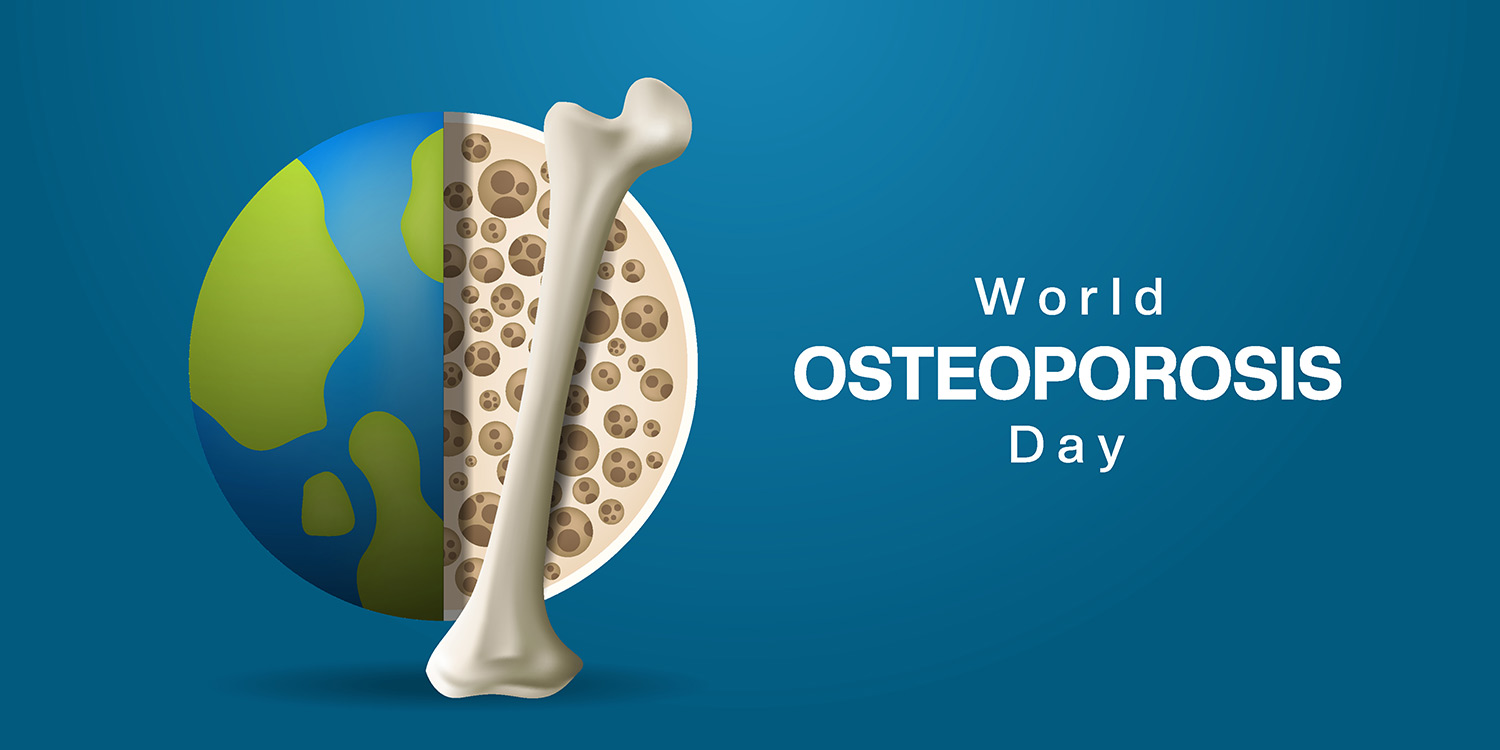
- Compression Fracture-Related Pain: Pain caused by vertebral compression fractures, commonly associated with osteoporosis, which may affect movement, posture, and daily activities.
Diagnostic and Therapeutic Pain Management Services Available at Graphic Era Hospital
Effective pain management begins with identifying the underlying cause of pain and understanding how it affects daily life and physical function. At Graphic Era Hospital, Dehradun, we offer a comprehensive range of diagnostic and therapeutic services to accurately evaluate pain, develop personalised treatment plans, and support long-term recovery. Here's what patients can expect throughout their pain management journey.
Diagnostic Services
Accurate diagnosis forms the foundation of effective pain management. Before recommending a treatment plan, our specialists evaluate the nature, severity, and underlying cause of pain through a comprehensive clinical assessment. Diagnostic services include:
- Comprehensive pain assessment, including detailed medical history and review of previous treatments
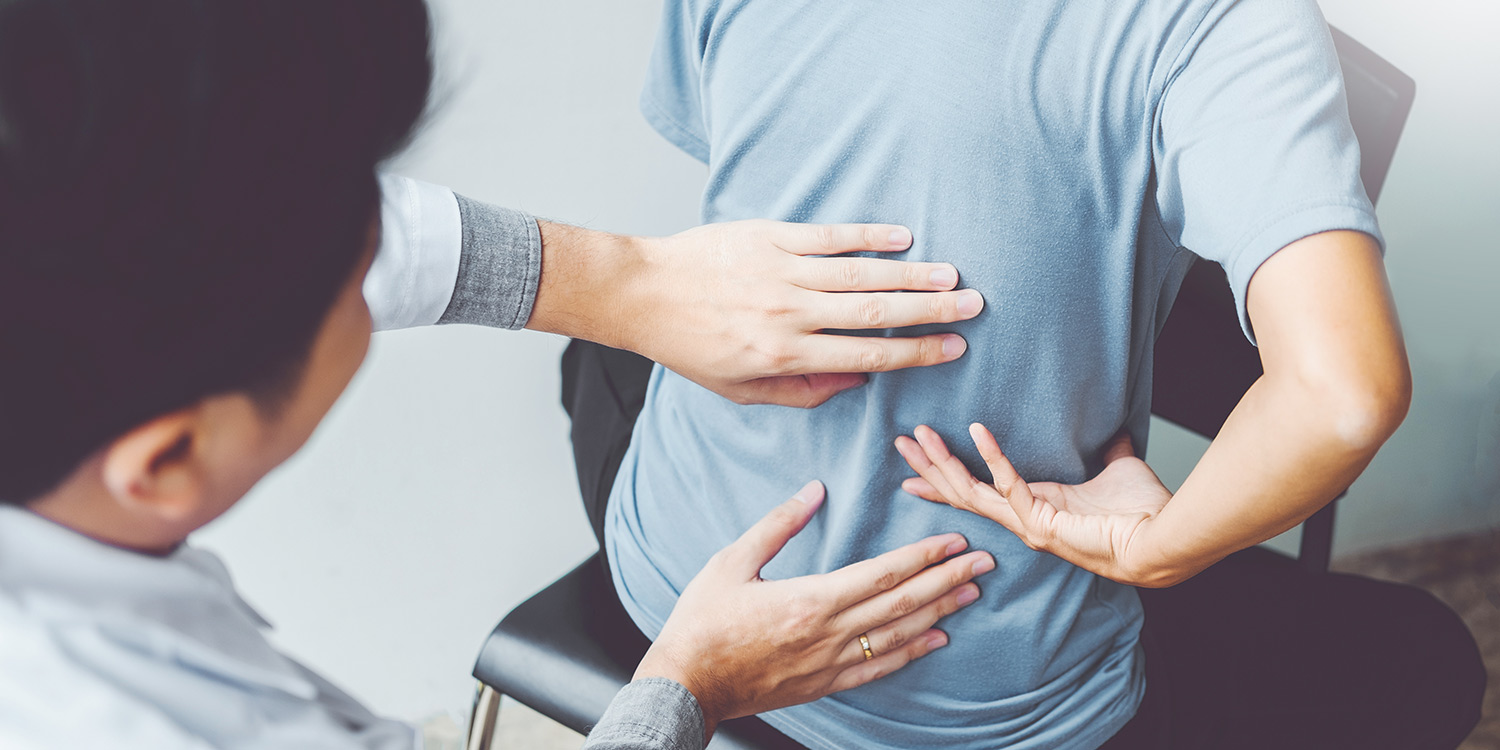
- Physical examination, including musculoskeletal and neurological assessment
- Evaluation of pain characteristics, functional limitations, and their impact on daily activities
- Diagnostic imaging, including X-rays, MRI, CT scans, and ultrasound, where clinically indicated
- Electrodiagnostic studies, such as NCV (Nerve Conduction Velocity) and EMG (Electromyography).
- Diagnostic nerve blocks to help identify the source of pain
Therapeutic Services
Once the cause of pain has been identified, treatment is tailored to the patient's diagnosis, symptoms, overall clinical condition, and treatment goals. Depending on the condition, our specialists may recommend one treatment or a combination of therapies, including:
- Individualised medication management for acute and chronic pain conditions
- Comprehensive back pain treatment and neck pain management using evidence-based, patient-specific approaches
- Image-guided pain interventions for greater precision and safety
- Epidural steroid injections for selected spine-related pain conditions
- Facet joint injections for pain arising from the cervical, thoracic, or lumbar facet joints
- Selective nerve root blocks
- Trigger point injections for persistent muscle pain and myofascial pain syndrome
- Radiofrequency ablation (RFA) for carefully selected chronic pain conditions
- Sympathetic nerve blocks for selected chronic pain conditions
- Vertebroplasty or kyphoplasty for painful osteoporotic vertebral compression fractures
- Neuromodulation therapies for selected chronic pain conditions
- Interventional procedures for patients with cancer-related pain
Supportive Care
Successful pain management extends beyond medicines and interventional procedures. Long-term improvement often depends on rehabilitation, lifestyle modification, and regular follow-up to improve physical function and support sustained pain relief. Supportive care includes:
- Physiotherapy and structured rehabilitation programmes
- Exercise and mobility guidance based on individual needs
- Lifestyle and ergonomic advice to reduce strain during daily activities
- Psychological support for patients living with persistent pain
- Regular follow-up consultations to monitor long-term management and adjust treatment plans whenever required
Things to Know Before Starting Pain Management Treatment
Pain management is a personalised process, and every treatment plan is based on the underlying cause of pain and each patient's individual needs. Before starting treatment, it is helpful to understand the following:
- Pain management focuses on improving pain, movement, and daily function rather than eliminating pain immediately.
- Treatment plans vary from person to person, depending on the cause, severity, and duration of pain.
- Some patients benefit from a single treatment, while others require a combination of therapies over time.
- Certain interventional pain procedures may need to be repeated to maintain long-term pain relief.
- Lifestyle measures, including regular exercise, good posture, adequate sleep, and maintaining a healthy weight, support better treatment outcomes.
- Following scheduled follow-up appointments allows specialists to monitor progress and adjust treatment whenever required.
- Inform your doctor about any existing medical conditions, allergies, previous procedures, and medicines you are taking before starting treatment.
Doctors Available








Why Choose Graphic Era Hospital for Pain Management?
At Graphic Era Hospital, pain management combines clinical expertise, advanced diagnostic capabilities, and a patient-centred approach to deliver comprehensive care for acute and chronic pain conditions. Our specialists focus on identifying the underlying cause of pain, developing personalised treatment plans, and supporting long-term improvement through coordinated care. Here's what sets us apart:

Expert Care : Our team includes experienced specialists who manage a wide range of acute and chronic pain conditions using evidence-based practices and personalised treatment strategies. They work closely with experts in orthopaedics, neurology, oncology, rehabilitation, physiotherapy, and other medical specialities to ensure every patient receives coordinated care tailored to their individual needs.

Advanced Diagnostics and Treatment : Graphic Era Hospital is equipped with advanced diagnostic facilities that help accurately identify the source and cause of pain. Using detailed clinical evaluation, diagnostic imaging, and image-guided pain procedures, our specialists deliver precise, minimally invasive treatments that improve safety and patient outcomes.

Personalised Care and Long-Term Support : Effective pain management extends beyond relieving symptoms. We focus on helping patients improve mobility, physical function, and overall quality of life through personalised care plans, rehabilitation, lifestyle guidance, and regular follow-up. By continuously monitoring progress and adapting treatment when needed, our team supports patients throughout every stage of their recovery and long-term pain management journey.
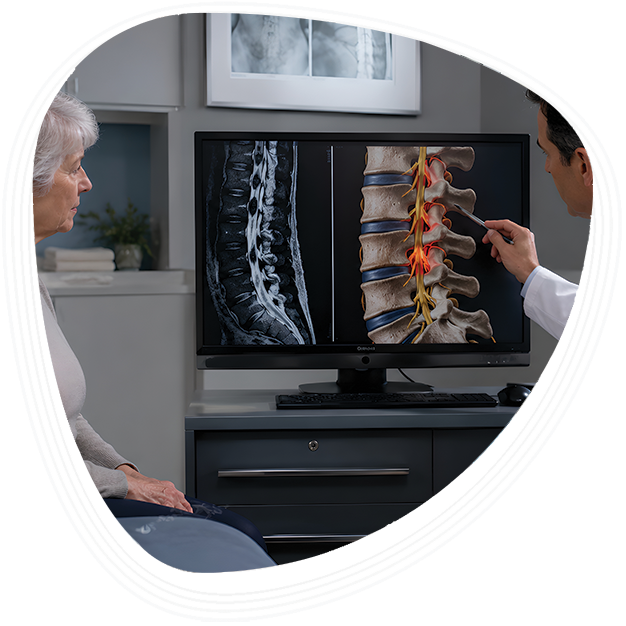
Supporting Long-Term Pain Management
Effective pain management continues beyond the hospital and involves healthy daily habits that support treatment outcomes. Along with medical care, simple lifestyle measures can help improve mobility, reduce pain flare-ups, and support long-term physical function.
- Stay physically active with exercises recommended by your healthcare team.
- Maintain a healthy body weight to reduce stress on the joints and spine.
- Practise good posture and ergonomic habits at home and at work.
- Prioritise good-quality sleep, as poor sleep may increase pain sensitivity.
- Pace daily activities and avoid sudden overexertion to reduce pain flare-ups.
- Continue home exercise programmes recommended by your physiotherapist.
- Attend scheduled follow-up appointments so your treatment plan can be reviewed as your condition changes.
Top Pain Management Treatments Available at Graphic Era Hospital
- Back Pain Treatment
- Neck Pain Treatment
- Sciatica Treatment
- Arthritis and Joint Pain Management
- Neuropathic Pain Treatment
- Cancer Pain Management
- Post-Surgical Pain Management
- Epidural Steroid Injections
- Facet Joint Injections
- Selective Nerve Root Blocks
- Trigger Point Injections
- Radiofrequency Ablation (RFA)
- Sympathetic Nerve Blocks
- Sacroiliac Joint Injections
- Vertebroplasty and Kyphoplasty
- Neuromodulation Therapy
- Medication-Based Pain Management
- Image-Guided Interventional Pain Procedures
- Physiotherapy and Pain Rehabilitation
- Cervical Spondylosis Management
- Frozen Shoulder Treatment
- Tennis Elbow and Golfer's Elbow Treatment
- Postherpetic Neuralgia Treatment
Advanced Diagnostics & Technology
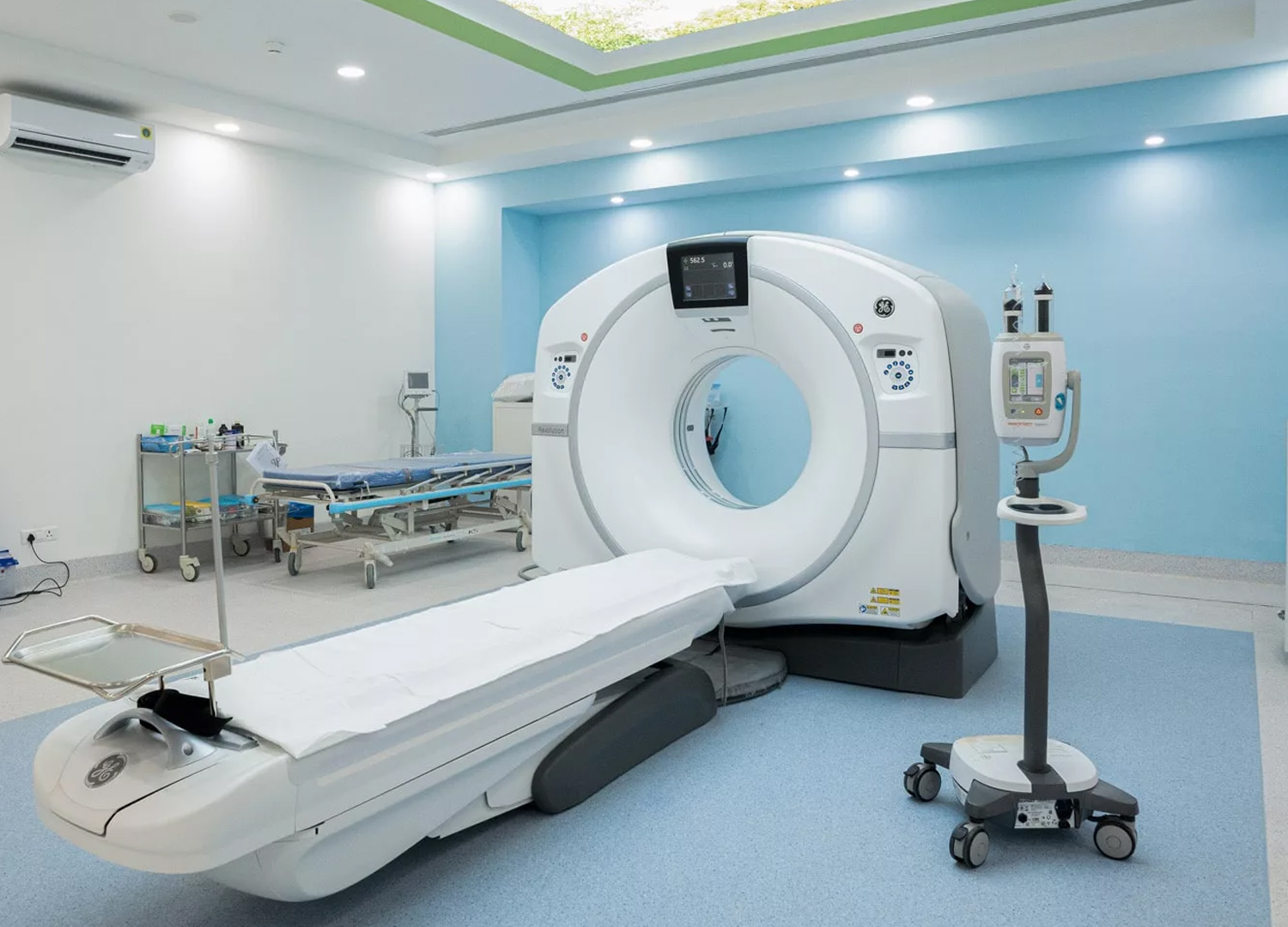
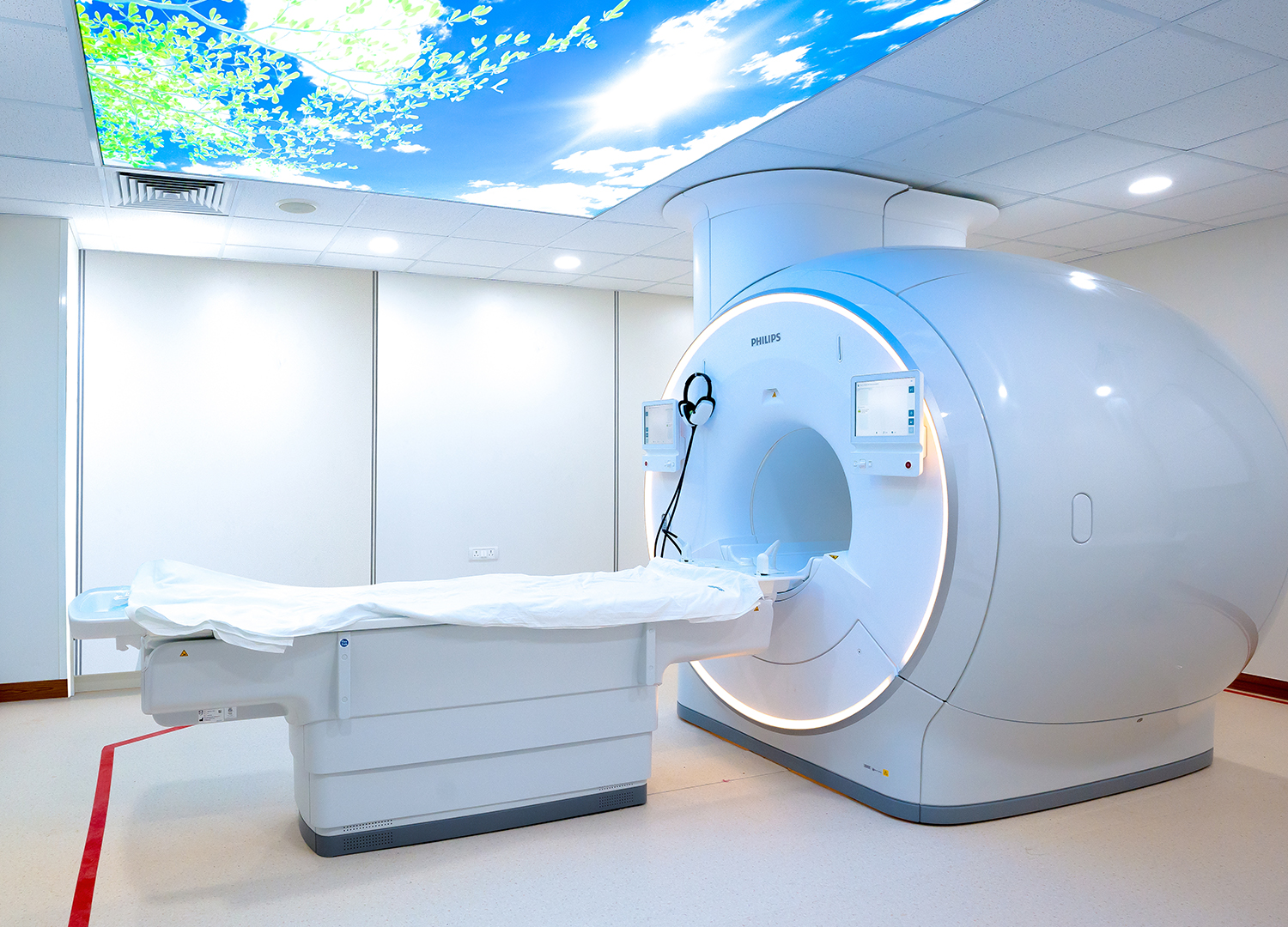
- Offers high-resolution imaging for detailed blood vessel analysis, aiding in accurate diagnosis and treatment planning.
- Delivers advanced imaging with high resolution for clear, detailed views of soft tissues, ensuring precise diagnostics.
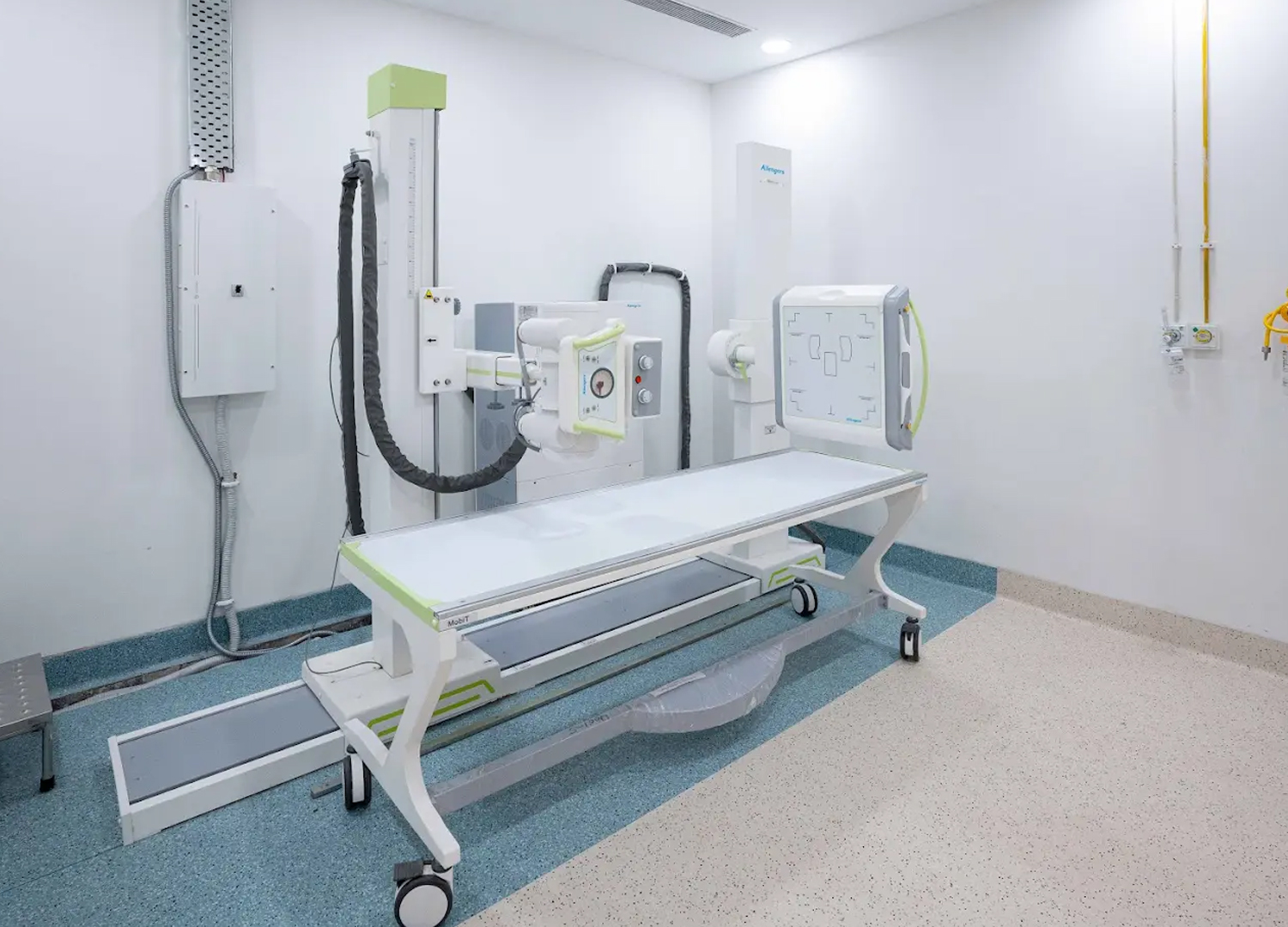
- Provides high-quality, detailed radiographic images for accurate diagnosis with minimal exposure to radiation.
Other Specialities


Patient Stories


Blog


Inflammatory Arthritis Explained: From Symptoms to Management

Understanding Frozen Shoulder: Causes, Symptoms, and Treatments

Frequently Asked Questions (FAQs)
Can chronic back pain be treated without surgery?
Yes. Many cases of chronic back pain improve with a combination of medicines, physiotherapy, lifestyle modifications, and minimally invasive pain procedures. The most appropriate treatment depends on the underlying cause of pain, and surgery is recommended only when clinically necessary.
What is interventional pain management?
Interventional pain management involves minimally invasive procedures, such as epidural steroid injections, nerve blocks, radiofrequency ablation (RFA), and other image-guided techniques, to diagnose and relieve pain. These procedures are recommended for selected patients after a thorough clinical evaluation.
What treatments are available for sciatica?
Treatment for sciatica depends on its underlying cause and severity. It may include medicines, physiotherapy, lifestyle modifications, and minimally invasive pain procedures when appropriate. Early evaluation helps determine the most suitable treatment approach.
How is nerve pain diagnosed and treated?
Diagnosis begins with a detailed medical history, physical and neurological examination, followed by imaging or electrodiagnostic tests when required. Depending on the underlying cause, nerve pain treatment may include medicines, physiotherapy, and interventional pain procedures.
When should I see a doctor for pain management?
You should seek medical evaluation if pain lasts for more than three months, keeps returning, interferes with sleep or daily activities, or does not improve with medicines or conservative treatment. Early assessment helps identify the underlying cause of pain and supports timely, appropriate management.
Where can I find a pain management hospital near me in Dehradun?
If you are looking for a pain management hospital in Dehradun, Graphic Era Hospital offers comprehensive care for acute and chronic pain conditions. Experienced specialists, advanced diagnostic facilities, minimally invasive pain procedures, and multidisciplinary care help ensure personalised treatment for every patient.
Which doctor should I consult for chronic pain treatment?
The right specialist depends on your symptoms, diagnosis, and treatment needs. At Graphic Era Hospital, experienced specialists perform a thorough evaluation and develop personalised chronic pain treatment plans based on each patient’s condition and treatment goals.
How can I book an appointment with a pain management specialist in Dehradun?
To schedule a consultation at Graphic Era Hospital, call 1800 889 7351 (24×7) or book an appointment through the hospital’s official website. Early consultation supports timely diagnosis and appropriate treatment for acute and chronic pain conditions.