World Physiotherapy Day 2026: Physiotherapy in Cardiovascular Disease and Stroke
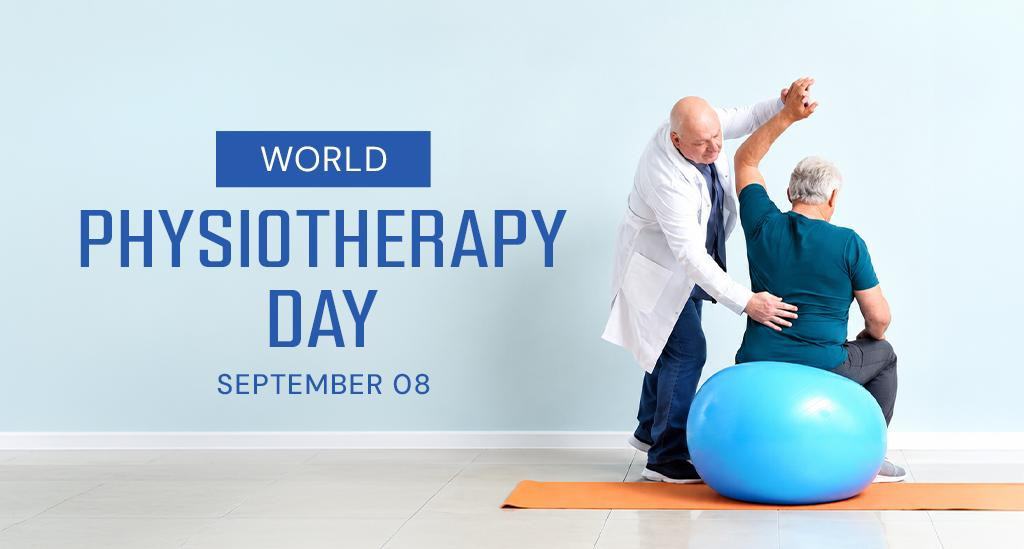
World Physiotherapy Day is observed every year on 8 September to recognise the contribution of physiotherapists to health, movement, rehabilitation and quality of life.
The theme for World Physiotherapy Day 2026 focuses on the role of physiotherapy and physical activity in the prevention, management and rehabilitation of cardiovascular disease and stroke. Both conditions can significantly affect physical function, mobility and a person’s ability to carry out everyday activities.
Physiotherapy therefore has an important role across the continuum of care, from promoting physical activity and reducing the effects of inactivity to supporting functional recovery after cardiac events and stroke.
Why Cardiovascular Disease and Stroke Are in Focus
Cardiovascular diseases (CVDs) remain the leading cause of death worldwide. The World Health Organization (WHO) estimates that 19.8 million people died from CVDs in 2022, representing approximately 32% of global deaths. About 85% of these deaths were due to heart attack and stroke.
Physical inactivity is also an important modifiable risk factor for cardiovascular disease. Regular physical activity supports cardiovascular health. However, for people living with cardiovascular disease or recovering from a cardiac event or stroke, exercise needs to be appropriate to their medical condition, functional capacity and stage of recovery.
This is where physiotherapy becomes an important part of prevention, management and rehabilitation.
What Do Physiotherapists Do?
Physiotherapists are healthcare professionals who specialise in movement, physical function and rehabilitation. They assess a person’s physical abilities, limitations and functional needs and develop appropriate programmes to improve movement, exercise capacity and participation in daily activities.
As part of a multidisciplinary healthcare team, physiotherapists contribute to promoting physical activity, preventing functional decline and supporting rehabilitation following cardiovascular events, cardiac procedures and stroke.
Depending on individual needs, physiotherapy may include:
- Therapeutic exercise
- Strength and endurance training
- Mobility and gait rehabilitation
- Balance and coordination training
- Functional retraining
- Physical activity and self-management education
Physiotherapy in Cardiac Rehabilitation
Cardiac rehabilitation is a comprehensive, multidisciplinary programme that supports recovery and long-term cardiovascular health following a cardiac event, procedure or diagnosis.
It may be recommended following:
- Heart attack
- Coronary artery disease
- Certain forms of heart failure
- Angioplasty or other cardiac procedures
- Coronary artery bypass surgery
Cardiac rehabilitation extends beyond exercise. Depending on individual needs, it may also include risk-factor management, education, lifestyle modification, nutritional guidance and psychological support.
Role of Physiotherapy in Cardiac Rehabilitation
Physiotherapists contribute to cardiac rehabilitation by:
- Assessing physical function and exercise capacity
- Prescribing and progressing appropriate exercise
- Monitoring the response to physical activity
- Improving exercise tolerance
- Supporting a safe return to daily activities
Where clinically appropriate, monitoring may include heart rate, blood pressure, perceived exertion and functional exercise capacity. Measures such as the 6-Minute Walk Test may also be used to assess functional capacity and monitor progress.
Cardiac rehabilitation may begin during hospitalisation and continue through outpatient rehabilitation and long-term maintenance, depending on the patient’s clinical needs.
The overall goal is to help patients regain physical capacity, manage cardiovascular risk factors and return safely to an active lifestyle.
Physiotherapy in Stroke Rehabilitation
Stroke can affect movement, muscle strength, balance, coordination, walking and the ability to carry out everyday activities. Exercise-based physiotherapy can help improve physical function, mobility, balance and quality of life across different stages of stroke recovery.
Stroke rehabilitation is individualised according to the patient’s impairments, functional goals, stage of recovery and ability to participate.
There is no single rehabilitation technique that is appropriate for every patient. Physiotherapists may combine different approaches based on clinical assessment and the patient’s functional needs.
Different Approaches to Stroke Rehabilitation
1. Task-Specific Training
Task-specific training involves repeatedly practising meaningful activities such as reaching, standing, transferring, stepping and walking.
The emphasis is on practising movements and activities that patients need to perform in everyday life.
2. Motor Relearning
Motor relearning focuses on repeatedly practising functional movements and tasks to improve movement control and efficiency.
The approach aims to help patients perform meaningful movements more effectively as rehabilitation progresses.
3. Constraint-Induced Movement Therapy
Constraint-Induced Movement Therapy (CIMT) may be appropriate for selected patients who have sufficient movement in the affected upper limb.
It encourages greater use of the affected arm through intensive, repetitive and task-oriented practice.
4. Gait and Walking Rehabilitation
Walking rehabilitation may include:
- Repetitive stepping
- Over-ground walking
- Treadmill training, where appropriate
- Gait retraining
- Transfer practice
- Stair training
The programme is progressed according to the patient’s walking ability and functional goals.
5. Strength and Fitness Training
Strengthening and aerobic conditioning can help address weakness, physical deconditioning and reduced exercise capacity.
These approaches can complement task-specific neurological rehabilitation and support improvements in overall physical function.
6. Balance and Postural Control
Training may focus on sitting balance, standing control, weight shifting, reaching and dynamic balance.
These exercises aim to improve postural control and safety while patients perform functional activities.
7. Technology-Assisted Rehabilitation
Where available and clinically appropriate, rehabilitation may incorporate virtual reality, robotic devices or other technology-assisted interventions to complement conventional therapy.
The choice of technology depends on individual rehabilitation needs and clinical suitability.
8. Home and Community Rehabilitation
Recovery does not necessarily end when a patient leaves the hospital. Physiotherapy may continue through outpatient, home-based or community rehabilitation.
Rehabilitation programmes can be adapted over time as the patient’s abilities, needs and functional goals change.
Functional Goals of Stroke Rehabilitation
The focus of stroke rehabilitation extends beyond improving individual movements. An important goal is to help patients participate more effectively and independently in everyday life.
Depending on the effects of the stroke and individual recovery goals, rehabilitation may help patients work towards:
- Getting in and out of bed
- Performing transfers independently
- Walking safely
- Managing stairs
- Using the affected arm during daily activities
- Returning to household activities
- Improving confidence and participation in everyday life
Common Physiotherapy Interventions
The type of physiotherapy used depends on the medical condition, functional limitations and stage of recovery.
Common interventions may include:
- Aerobic training: Walking, cycling and other appropriate activities may be used to improve endurance.
- Strength training: Exercises can help address muscle weakness and physical deconditioning.
- Balance training: Activities focus on improving postural control and stability.
- Gait training: Rehabilitation may include stepping, walking, transfers and stair practice.
- Range-of-motion exercises: These exercises help maintain joint mobility and facilitate functional movement.
- Functional training: Patients repeatedly practise meaningful movements and activities required in everyday life.
- Education and self-management: Physiotherapists help patients and families understand safe physical activity, exercise progression and strategies for continuing rehabilitation.
Physiotherapy Across the Continuum of Care
The World Physiotherapy Day 2026 campaign highlights the role of physiotherapy across three key areas:
Prevention
Physiotherapists can promote appropriate physical activity and help people address modifiable risk factors associated with inactivity.
Management
For people living with cardiovascular and neurological conditions, physiotherapy can support regular physical activity and help maintain physical function.
Rehabilitation
Following cardiovascular events and stroke, physiotherapy helps patients recover physical capacity and work towards returning to meaningful everyday activities.
Movement is therefore an important part of health not only during recovery, but throughout different stages of life and long-term health management.
Physiotherapy and Rehabilitation at Graphic Era Hospital
At Graphic Era Hospital, the Physiotherapy and Rehabilitation Centre provides structured, patient-centred rehabilitation for individuals with cardiovascular, neurological and musculoskeletal conditions.
The rehabilitation team focuses on:
- Clinical assessment and personalised rehabilitation planning
- Cardiac and neurological rehabilitation
- Exercise and functional training
- Strength and endurance conditioning
- Balance, mobility and gait rehabilitation
- Task-specific training
- Safe return to daily activities
- Coordination with the multidisciplinary medical team
The approach combines clinical assessment, evidence-informed practice and progressive functional rehabilitation, with programmes planned according to each patient’s medical condition, physical abilities and rehabilitation goals.
By focusing on functional recovery as well as physical capacity, the rehabilitation team works towards helping patients return to everyday activities and achieve greater independence wherever possible.
Moving Towards Better Health
World Physiotherapy Day 2026 highlights that physiotherapy extends beyond recovery from injury or illness. It also plays an important role in the prevention, management and rehabilitation of cardiovascular disease and stroke by helping people remain physically active, regain function and participate more fully in everyday life.
For people recovering from a cardiovascular condition or stroke, the appropriate rehabilitation approach depends on their medical condition, functional abilities and stage of recovery. An individual assessment can help determine suitable rehabilitation goals and the type and progression of physical activity required.
Individuals who require physiotherapy or rehabilitation following a cardiovascular condition or stroke can consult the treating medical team or the Physiotherapy and Rehabilitation Centre at Graphic Era Hospital for an individual assessment and appropriate rehabilitation plan.
Frequently Asked Questions
What is the theme of World Physiotherapy Day 2026?
The theme of World Physiotherapy Day 2026 focuses on the role of physiotherapy and physical activity in the prevention, management and rehabilitation of cardiovascular disease and stroke.
When is World Physiotherapy Day celebrated?
World Physiotherapy Day is observed every year on 8 September to recognise the contribution of physiotherapists to health, movement, rehabilitation and quality of life.
What is the role of physiotherapy in cardiovascular disease?
Physiotherapy supports appropriate physical activity, improves exercise capacity and helps maintain physical function in people with cardiovascular disease. It can also form part of rehabilitation following certain cardiac events and procedures.
What is cardiac rehabilitation physiotherapy?
Physiotherapy is one component of a multidisciplinary cardiac rehabilitation programme. It may include assessment of physical function, appropriately prescribed exercise, monitoring during activity and support for a gradual return to everyday activities.
What conditions may require cardiac rehabilitation?
Cardiac rehabilitation may be recommended after a heart attack, for coronary artery disease, certain forms of heart failure, or following procedures such as angioplasty and coronary artery bypass surgery. Whether it is appropriate depends on the patient’s clinical condition.
How does physiotherapy help in stroke recovery?
Physiotherapy can help improve movement, strength, balance, coordination, walking and functional ability after a stroke. Rehabilitation is planned according to the patient’s impairments, recovery stage and individual goals.
What physiotherapy techniques are used in stroke rehabilitation?
Depending on clinical needs, stroke rehabilitation may include task-specific training, motor relearning, gait training, strength and fitness exercises, balance training and, in selected patients, Constraint-Induced Movement Therapy (CIMT) or technology-assisted rehabilitation.
What is task-specific training after a stroke?
Task-specific training involves repeatedly practising meaningful activities such as reaching, standing, transferring, stepping and walking. The aim is to improve the movements patients need for everyday activities.
Can physiotherapy continue after hospital discharge following a stroke?
Yes. Depending on the patient’s needs, stroke rehabilitation may continue through outpatient, home-based or community-based physiotherapy, with the programme adapted as functional abilities and recovery goals change.
Where can patients access physiotherapy and rehabilitation in Dehradun?
Graphic Era Hospital provides physiotherapy and rehabilitation for cardiovascular, neurological and musculoskeletal conditions. Rehabilitation may include clinical assessment, cardiac and neurological rehabilitation, strength and endurance conditioning, gait and balance training, functional training and multidisciplinary coordination.








 Emergency 24×7 : 1800 889 7351