A biopsy plays a key role in identifying conditions such as infections, inflammation, and various types of tumours, including cancer. At Graphic Era Hospital, Dehradun, Uttarakhand, biopsy procedures are carried out using advanced image-guided techniques and established clinical protocols to ensure accuracy and patient safety. The hospital offers a range of biopsy services based on the area being examined and the clinical requirement. Supported by advanced laboratory services and experienced specialists, the hospital ensures timely reporting and clear diagnostic insights, helping guide further medical care with clarity and accuracy.
What is a Biopsy?
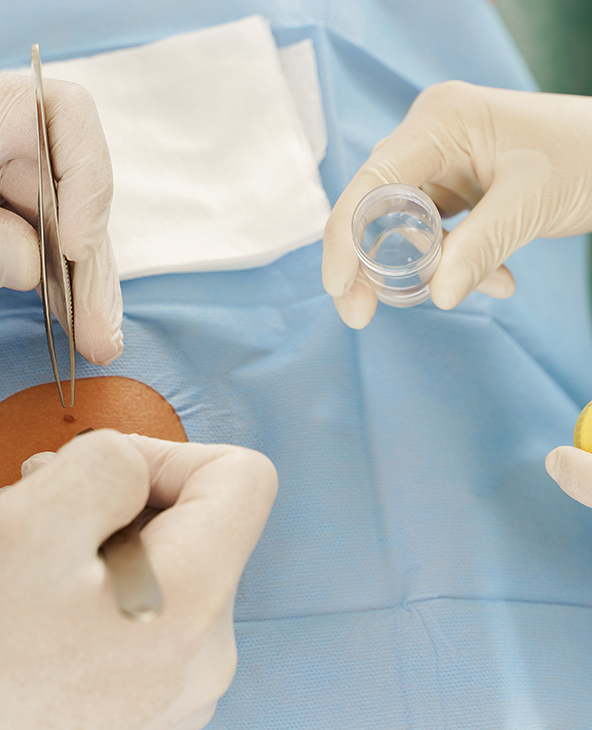
A biopsy is a medical procedure in which a small sample of tissue or cells is taken from the body for detailed examination under a microscope. It is commonly used to identify the cause of abnormal findings such as lumps, swelling, or unusual test results. By analysing the sample, doctors can detect infections, inflammation, or the presence of abnormal or cancerous cells.
The procedure can be performed in different ways depending on the area being examined, including using a fine needle, a core needle, or a minor surgical method. In many cases, imaging techniques such as ultrasound or CT scans are used to guide the process and ensure precise sample collection. A biopsy provides clear and reliable information that helps doctors confirm a diagnosis and plan the next steps in treatment.
Schedule Your Appointment with
Our Expert Doctors
We are dedicated to driving lasting, positive transformation in healthcare management through innovation and patient-centered solutions.
When is a Biopsy Recommended?
A biopsy is advised when clinical examination or initial tests do not provide a clear diagnosis. It allows direct study of cells or tissue, which helps confirm the exact nature of a condition and supports accurate treatment planning. Doctors may recommend a biopsy in the following situations:
- Unexplained Lump or Swelling: A biopsy helps assess lumps found in areas such as the breast, neck, thyroid, skin, or soft tissues, especially if the size, shape, or texture appears unusual.
- Abnormal Imaging Findings: Changes seen on imaging tests such as X-rays, ultrasound, CT scans, or MRI may need tissue confirmation to determine the cause and rule out serious conditions.
- Suspicion of Cancer: A biopsy is essential to confirm the presence of cancer cells, identify the type of cancer, and understand its behaviour, which helps guide further treatment.
- Persistent or Unusual Symptoms: Symptoms that continue without a clear cause, such as ongoing pain, unexplained weight loss, abnormal bleeding, or long-standing fatigue, may require a biopsy for deeper evaluation.
- Chronic Inflammation or Infection: When inflammation or infection does not respond to routine treatment, a biopsy can help identify the underlying cause, including specific infections or autoimmune conditions.
- Abnormal Blood or Laboratory Results: Certain irregular test results, such as changes in blood counts or organ function, may lead to a biopsy to examine tissues like bone marrow or liver.
- Evaluation of Organ Function or Damage: In conditions affecting organs such as the liver, kidney, or lungs, a biopsy may be used to assess the extent of damage and guide management.
- Monitoring an Existing Condition: In some cases, a biopsy test is performed to track disease progression or to check how well a treatment is working over time.
Types of Biopsies Available at Graphic Era Hospital
At Graphic Era Hospital, a range of biopsy techniques is offered using well-established clinical protocols and imaging support to ensure accurate diagnosis and patient safety. The choice of procedure depends on the location of the affected area, the type of tissue required, and the clinical concern. These include:
- Needle Biopsy: A minimally invasive procedure in which a thin needle is inserted through the skin to collect cells or tissue from a suspicious area. It is commonly used for lumps in organs such as the breast, thyroid, or lymph nodes.
- Fine Needle Aspiration (FNA): Uses a very thin needle to draw out fluid or individual cells. It is quick and often used for evaluating small lumps or swellings.
- Core Needle Biopsy: Involves a slightly larger needle to remove a small cylinder of tissue, allowing a more detailed examination of the tissue structure.
- Image-Guided Biopsy: Performed with the help of imaging techniques such as ultrasound, CT, or MRI to accurately target areas that are not easily accessible.
- Endoscopic Biopsy: Conducted using a thin, flexible tube with a camera to collect tissue from internal organs such as the stomach, lungs, or bladder.
- Surgical Biopsy: A minor surgical procedure used to remove part or all of a suspicious tissue or lump when other methods are not sufficient.
- Skin Biopsy: Involves removing a small section of skin to diagnose skin conditions or lesions.
- Bone Marrow Biopsy: Used to examine bone marrow for blood-related conditions and certain cancers.
How is a Biopsy Performed?
At Graphic Era Hospital, biopsy procedures are carried out using standard clinical protocols and, when required, imaging guidance to ensure precision and patient safety. The exact steps may vary depending on the type of biopsy, but the process generally includes:
- Initial Evaluation: The doctor reviews medical history, symptoms, and test reports to determine the most suitable biopsy method and site.
- Preparation: Basic instructions are provided before the procedure, which may include fasting for a few hours or adjusting certain medications. The area to be examined is cleaned and prepared.
- Anaesthesia: Local anaesthesia is commonly used to numb the area and reduce discomfort. In some cases, sedation or general anaesthesia may be advised based on the procedure.
- Guided Sample Collection: A needle, endoscope, or surgical instrument is used to collect the tissue sample. Imaging techniques such as ultrasound or CT scan may be used to guide the process and ensure accurate targeting.
- Sample Handling and Analysis: The collected sample is sent to the laboratory, where it is examined under a microscope to identify any abnormal or diseased cells.
- Post-Procedure Care: After the biopsy, the site is dressed, and patients are monitored for a short period. Instructions are provided for care at home, including managing mild discomfort or swelling.
This step-by-step approach helps ensure that the biopsy is performed safely, with reliable results to support further medical decisions.
Why Choose Graphic Era Hospital for Biopsy
Graphic Era Hospital provides biopsy services with a strong focus on accurate diagnosis, safe procedures, and coordinated clinical support. Each step, from evaluation to sample analysis, is handled with attention to detail to ensure reliable results and a smooth patient experience. Key aspects of these services include:

Experienced Clinical Team: Biopsy procedures are performed by trained specialists who follow established protocols to ensure accurate sample collection and reliable diagnosis.

Advanced Diagnostic Support: The hospital is equipped with modern imaging and laboratory services that support precise, image-guided biopsies and timely analysis of samples.

Focus on Patient Safety and Comfort: Strict safety measures, proper infection control, and careful monitoring help ensure a smooth procedure with minimal discomfort and quick recovery.
Risks and Possible Complications
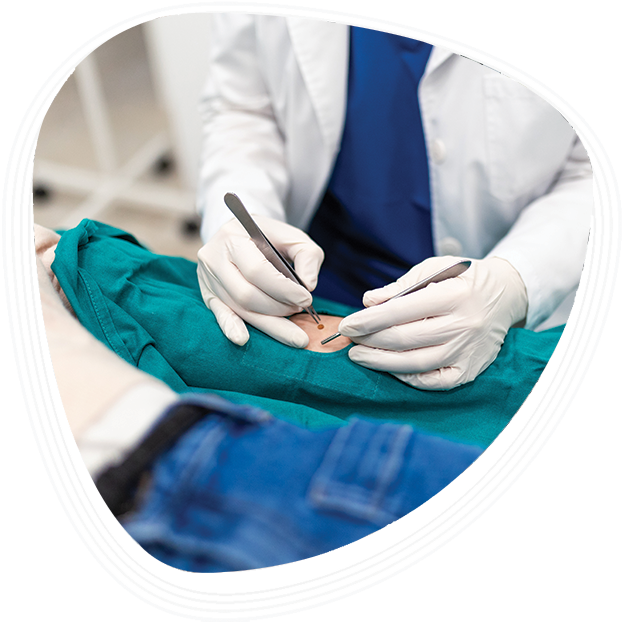
A biopsy is generally a safe procedure when performed under proper clinical guidance. However, like any medical procedure, it may carry certain risks depending on the type of biopsy and the area involved. These include:
- Bleeding: Mild bleeding at the biopsy site is common and usually settles on its own. In rare cases, additional care may be required.
- Infection: There is a small risk of infection at the site where the sample is taken, though proper sterile techniques help minimise this.
- Pain or Discomfort: Some soreness or tenderness may be felt after the procedure, which typically improves within a short time.
- Bruising or Swelling: Minor bruising or swelling can occur around the biopsy site and usually resolves without treatment.
- Damage to Nearby Structures: In rare cases, nearby tissues or organs may be affected, especially in deeper or image-guided biopsies.
- Delayed Healing: The biopsy site may take slightly longer to heal in some individuals, particularly if there are underlying health conditions.
Patients are usually monitored after the procedure and given clear instructions to manage any symptoms and reduce the risk of complications.
Patient Stories





Blog







Frequently Asked Questions (FAQs)
How long does it take to get biopsy results?
The time required for results can vary depending on the type of biopsy and the tests needed. In most cases, reports are available within a few days, though some specialised analyses may take longer.
Can normal activities be resumed after a biopsy?
Most individuals can return to routine activities within a day or two. The exact timeline depends on the type of biopsy performed and the area involved.
Is fasting required before a biopsy?
Fasting may be advised for certain types of biopsies, especially those involving sedation or internal organs. Instructions are provided in advance based on the procedure.
Will there be a visible scar after a biopsy?
Most biopsies, especially needle-based procedures, leave little to no scarring. Surgical biopsies may result in a small scar, which usually fades over time.
Are biopsy samples ever inconclusive?
In some cases, the sample may not provide enough information for a clear diagnosis. A repeat biopsy or additional tests may be recommended if needed.
Who interprets the biopsy results?
The sample is examined by a pathologist, a specialist trained in analysing tissues and cells, and the findings are then reviewed by the treating doctor to guide further care.
 Emergency 24×7 : 1800 889 7351