
Why Headaches Get Worse in Summer: Causes and Prevention Tips
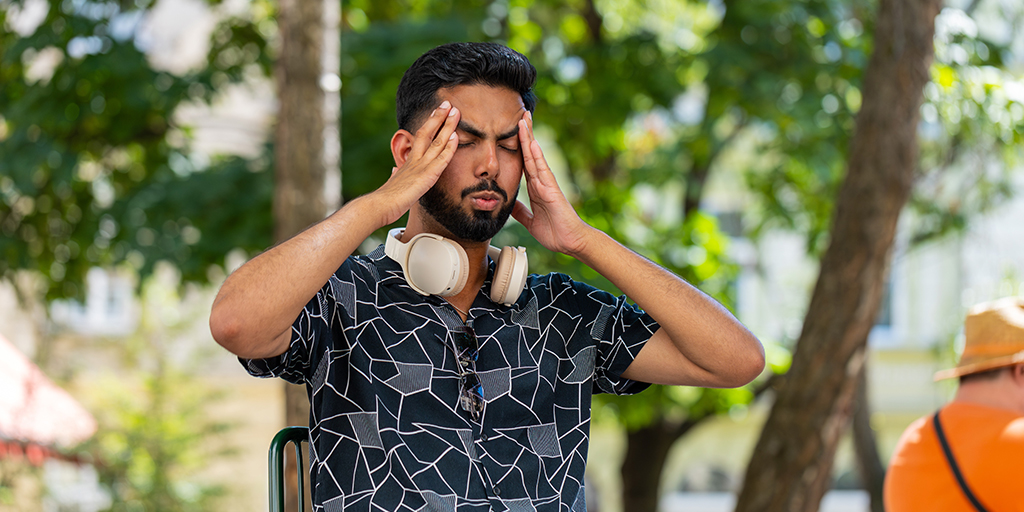
Headaches are one of the most common complaints during summer, especially on extremely hot days. Although an occasional headache may not seem concerning, recurring episodes can affect concentration, productivity, sleep, and overall well-being. In people already prone to migraines or other headache disorders, seasonal changes can aggravate the problem. Understanding this seasonal connection can help individuals manage symptoms more effectively and reduce the risk of frequent flare-ups. To help, in this article, we’ll understand why headaches often worsen in summer, the common triggers associated with hot weather, and some simple ways to prevent them.
Common Types of Headaches that Worsen in Summer
Hot weather does not cause a completely separate category of headaches, but it can worsen certain existing headache types or make them occur more frequently. Here are some of headaches most commonly triggered or aggravated during summer:
Migraine
Migraines are among the most commonly heat-sensitive headache disorders. High temperatures, dehydration, bright sunlight, humidity, and disrupted sleep patterns can all trigger migraine attacks in susceptible individuals. Summer travel and irregular meal timings may also increase the risk.
Sinus Headache
Seasonal allergies, pollution, humidity, and sinus congestion can trigger sinus-related headaches during summer. These headaches are often associated with facial pressure, nasal blockage, and discomfort around the forehead or eyes.
Exertional Headache
Exertional headaches can occur after intense physical activity, especially when exercising outdoors in high temperatures. Overheating, dehydration, and excessive strain during workouts or sports are common contributing factors.
Cluster Headache
Although less common, some individuals with cluster headaches may notice seasonal patterns in their symptoms. Heat exposure, bright light, and changes in sleep routines during summer may contribute to triggering attacks in certain cases.
Tension Headache
Tension headaches may become more frequent during summer due to fatigue, heat stress, poor sleep, and physical exhaustion. Prolonged exposure to hot environments can also contribute to muscle tension around the neck and scalp, worsening discomfort.
Causes of Headaches During Summer
Several environmental and lifestyle factors during summer can contribute to headaches or worsen existing headache conditions. In many cases, multiple triggers may act together, increasing the frequency or severity of symptoms. Here are some of the most common causes:
Dehydration
Dehydration is one of the leading causes of headaches during summer. High temperatures increase sweating, causing the body to lose water and essential electrolytes more rapidly. When fluid intake does not adequately replace these losses, it can affect blood flow, reduce oxygen delivery to the brain, and trigger headache symptoms. People who spend long hours outdoors or consume excessive caffeinated or sugary drinks may be at an even higher risk.
Heat Exposure
Prolonged exposure to extreme heat can place significant stress on the body and trigger headaches. Hot weather may cause blood vessels to expand, potentially contributing to migraine attacks and other headache symptoms. Excessive heat exposure can also lead to heat exhaustion, where headache is often accompanied by dizziness, weakness, nausea, and excessive sweating.
Bright Sunlight
Intense sunlight and glare during summer can act as powerful headache triggers, especially for people with migraines or light sensitivity. Continuous exposure to ultraviolet rays and bright outdoor conditions may strain the eyes and overstimulate the nervous system, increasing the likelihood of headache episodes.
Humidity
High humidity levels can make summer temperatures feel even hotter and reduce the body’s ability to cool itself effectively. This may lead to fatigue, excessive sweating, dehydration, and physical discomfort, all of which can contribute to headaches in sensitive individuals.
Sleep Disruption
Hot and humid nights can interfere with sleep quality and reduce overall rest. Inadequate sleep or irregular sleep patterns are well-known headache triggers, particularly for migraines and tension headaches. Summer travel, late-night activities, and changes in routine may further worsen sleep-related headache risks.
Irregular Meals
Changes in schedule during vacations, outdoor activities, or busy summer days may cause people to skip meals or eat at irregular times. Low blood sugar levels resulting from missed meals can trigger headaches and worsen migraine symptoms in some individuals.
Outdoor Physical Activity
Physical exertion in hot weather can increase the risk of overheating and dehydration, both of which are associated with headaches. Activities such as running, sports, trekking, or outdoor workouts during peak heat hours may trigger exertional headaches, particularly when hydration is inadequate.
Excessive Air Conditioning
Constantly moving between extremely hot outdoor temperatures and cold indoor environments can sometimes trigger headaches. Sudden temperature shifts may contribute to sinus irritation, muscle tension, or sensitivity in individuals prone to headaches.
Summer Allergies
Seasonal allergens such as pollen, dust, mould, and pollution levels may increase during summer months. These allergens can trigger sinus inflammation and congestion, leading to facial pressure and headache symptoms in some individuals.
Travel And Routine Changes
Summer vacations and altered daily schedules can disrupt sleep, eating patterns, hydration habits, and medication routines. Such changes may increase the likelihood of headaches, especially in people who are already susceptible to migraines or chronic headaches.
How to Prevent Headaches During Summer
While summer-related headaches can be frustrating, a few simple lifestyle measures can significantly reduce the risk. Maintaining hydration, protecting the body from excessive heat, and following healthy daily habits can help prevent frequent headache episodes during hot weather.
- Stay Hydrated: Drink adequate water throughout the day, especially when spending time outdoors or exercising in the heat. Oral rehydration solutions or electrolyte-rich drinks may also help in excessive heat conditions.
- Avoid Peak Heat Hours: Limit outdoor activities during the hottest part of the day, usually between late morning and afternoon, to reduce heat exposure.
- Wear Sun Protection: Use sunglasses, caps, hats, or umbrellas when outdoors to minimise direct sunlight exposure and reduce glare-related headaches.
- Do Not Skip Meals: Eat balanced meals at regular intervals to maintain stable blood sugar levels and prevent hunger-triggered headaches.
- Maintain Sleep Routine: Aim for consistent and adequate sleep, as poor sleep quality during hot weather can trigger headaches and migraines.
- Exercise Carefully: Avoid intense physical activity during extreme heat. Choose cooler hours such as early mornings or evenings for outdoor exercise.
- Reduce Caffeine and Sugary Drinks: Excessive caffeine, energy drinks, and sugary cold beverages may contribute to dehydration and headache symptoms in some individuals.
- Take Breaks From Heat: If spending long hours outdoors, move to shaded or air-conditioned areas periodically to allow the body to cool down.
- Manage Stress Levels: Stress and fatigue can worsen headaches, so relaxation techniques, meditation, or light physical activities may help reduce symptoms.
- Identify Personal Triggers: Keeping track of weather conditions, foods, activities, or environments that trigger headaches can help individuals avoid recurring episodes.
- Use Air Conditioning Moderately: Avoid sudden exposure to extremely cold indoor temperatures after being outdoors in intense heat, as rapid temperature changes may trigger headaches in some people.
When to See a Doctor
While occasional headaches during summer are usually manageable, persistent or severe symptoms may require medical attention. Consult a doctor if you experience:
- Frequent Headaches: Headaches that occur repeatedly during summer or start becoming more common.
- Severe Pain: Intense headaches that do not improve with rest, hydration, or medication.
- Migraine Worsening: Migraine attacks that become more severe or harder to manage in hot weather.
- Heat Symptoms: Headaches accompanied by dizziness, excessive sweating, weakness, or fainting after heat exposure.
- Neurological Changes: Symptoms such as blurred vision, confusion, weakness, or difficulty speaking along with a headache.
- Persistent Symptoms: Headaches that interfere with sleep, work, or daily activities regularly.
Consult a Specialist at Graphic Era Hospital
Headaches during summer are often linked to heat, dehydration, sunlight exposure, and seasonal lifestyle changes, but they should not be dismissed as a normal part of the weather. If you experience frequent headaches during hot weather, consult a neurologist or internal medicine specialist at Graphic Era Hospital for a proper evaluation, accurate diagnosis, and personalised treatment plan. You can book an appointment by calling 1800 889 7351.
Frequently Asked Questions
Can air conditioning trigger headaches during summer?
Yes, excessive air conditioning or sudden shifts between very hot outdoor temperatures and cold indoor environments may trigger headaches in some people. Cold, dry air can also contribute to sinus irritation and dehydration, which may worsen symptoms.
Can dehydration headaches occur even if I drink water regularly?
Yes, simply drinking water may not always be enough if the body is losing excessive fluids and electrolytes through sweating. High heat exposure, physical activity, and caffeinated beverages can still increase the risk of dehydration-related headaches.
Do sunglasses help prevent summer headaches?
Yes, sunglasses can help reduce glare and bright light exposure, which are common headache and migraine triggers during summer. Polarised sunglasses may be especially helpful for people sensitive to sunlight.
Why do I wake up with headaches more often during hot weather?
Poor sleep quality, dehydration during the night, warm sleeping conditions, and inadequate ventilation can contribute to morning headaches during summer.
Can swimming in very cold water trigger a headache in summer?
Yes, sudden exposure to very cold water may trigger a brief headache in some individuals due to rapid narrowing of blood vessels, especially if the body is overheated beforehand.
Is exercising outdoors in summer safe for people who get migraines frequently?
Outdoor exercise can be safe if proper precautions are taken, such as staying hydrated, avoiding peak heat hours, wearing protective clothing, and taking breaks when needed. Overexertion in extreme heat, however, may trigger migraines in some individuals.
How can I tell if my headache is due to heat exhaustion?
A headache caused by heat exhaustion is often accompanied by symptoms such as excessive sweating, dizziness, nausea, weakness, muscle cramps, or fainting after prolonged heat exposure.
Do electrolyte drinks help prevent headaches in summer?
Electrolyte drinks may help replenish minerals lost through sweating and reduce dehydration-related headaches, especially after prolonged outdoor activity or excessive heat exposure.


















 Emergency 24×7 : 1800 889 7351