Fatty Liver vs Liver Cirrhosis: Understanding the Difference
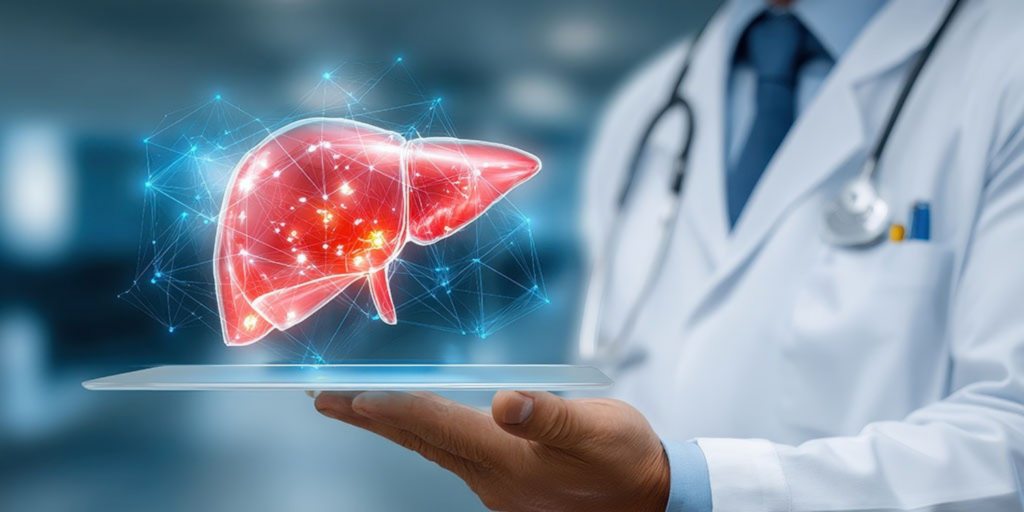
Liver diseases often develop silently, with few noticeable symptoms in the early stages. Among the most commonly discussed conditions are fatty liver disease and liver cirrhosis. While both affect the same organ, they differ significantly in severity, progression, and long-term impact. Fatty liver is often considered an early and potentially reversible condition. Liver cirrhosis, on the other hand, represents advanced and permanent damage to liver tissue. Understanding the difference between the two is essential for timely diagnosis, appropriate treatment, and prevention of serious complications. In this article, we’ll explain how fatty liver differs from liver cirrhosis, what causes these conditions, their symptoms, and why early medical evaluation can protect long-term liver health.
What is Fatty Liver Disease?
Fatty liver disease occurs when excess fat accumulates within liver cells. A small amount of fat in the liver is normal, but when fat makes up more than 5-10% of the liver’s weight, it is considered fatty liver. This condition is increasingly common due to sedentary lifestyles, poor dietary habits, obesity, and metabolic disorders.
There are two main types of fatty liver disease:
Metabolic dysfunction-associated steatotic liver disease (MASLD), formerly Non-alcoholic Fatty Liver Disease (NAFLD): Linked to obesity, diabetes, and metabolic syndrome Alcohol Associated Steatotic Liver Disease: Results from excessive alcohol consumption. In its early stages, fatty liver often does not cause noticeable symptoms and is frequently detected during routine blood tests or imaging studies. When identified early, fatty liver disease can often be managed and even reversed through weight management, improved diet, regular exercise, and control of underlying conditions such as diabetes and high cholesterol.
What is Liver Cirrhosis?
Liver cirrhosis is an advanced stage of chronic liver disease in which healthy liver tissue is gradually replaced by scar tissue. This scarring, known as fibrosis, disrupts normal liver structure and interferes with its ability to function effectively. Cirrhosis develops over many years as a result of continued liver damage, due to causes such as chronic alcohol use, long-standing fatty liver disease, viral hepatitis, and persistent inflammation. As scar tissue builds up, blood flow through the liver becomes restricted, leading to complications such as fluid accumulation, bleeding disorders, and impaired detoxification. Unlike early-stage fatty liver, cirrhosis represents permanent damage. While treatment can slow progression and manage complications, the scarring itself cannot be reversed. Early diagnosis and timely medical care are crucial to prevent further deterioration.
What is the Difference Between Fatty Liver and Liver Cirrhosis?
Fatty liver and liver cirrhosis affect the same organ, but they represent different stages of liver damage. Fatty liver is an early condition characterised by fat accumulation in liver cells. Liver cirrhosis is an advanced stage marked by permanent scarring and structural damage.
Key differences include:
- Severity: Fatty liver is usually mild and often reversible, whereas cirrhosis indicates severe, long-term damage.
- Reversibility: Fatty liver can improve with lifestyle changes. Cirrhosis involves irreversible scarring, though progression can be slowed.
- Symptoms: Fatty liver often has no noticeable symptoms. Cirrhosis commonly presents with visible and systemic complications.
- Impact on liver function: In fatty liver, liver function is often preserved. In cirrhosis, liver function becomes significantly impaired.
Understanding this distinction is important because early-stage fatty liver offers a critical window for intervention before permanent damage develops.
Can Fatty Liver Turn Into Cirrhosis?
Yes, fatty liver can progress to liver cirrhosis if left untreated. While many individuals with fatty liver may never develop severe complications, ongoing liver inflammation can gradually lead to scarring. In some cases, fatty liver advances to a more serious condition known as non-alcoholic steatohepatitis (NASH). This stage involves inflammation and liver cell damage in addition to fat accumulation. Persistent inflammation over several years can result in fibrosis, which may eventually progress to cirrhosis. The risk of progression can increase due to factors such as obesity, diabetes, high cholesterol, excessive alcohol intake, or uncontrolled metabolic disorders. Early detection and timely lifestyle modification play a crucial role in preventing fatty liver from advancing to irreversible liver damage.
What are the Causes of Fatty Liver and Cirrhosis?
Fatty liver and liver cirrhosis often share common underlying causes. These factors lead to ongoing liver stress, inflammation, and gradual damage over time. Common causes include:
- Alcohol Consumption: Excessive or long-term alcohol intake directly damages liver cells and increases the risk of both fatty liver and cirrhosis.
- Obesity & Metabolic Syndrome: Excess body weight, insulin resistance, and abdominal fat contribute to fat accumulation in the liver.
- Hepatitis B Or C Infection: Chronic viral hepatitis causes persistent liver inflammation, which can progress to cirrhosis if untreated.
- High Cholesterol & Diabetes: Metabolic disorders increase fat deposition and inflammatory changes in liver tissue.
- Long-Term Liver Inflammation: Continuous injury from toxins, medications, or autoimmune conditions can result in scarring and eventual cirrhosis.
Identifying and managing these causes early significantly reduces the risk of progression to advanced liver disease.
What are the Symptoms of Fatty Liver?
Fatty liver disease often develops silently and may not cause noticeable symptoms in its early stages. Many individuals remain unaware of the condition until it is detected during routine health checkups or imaging studies. While the disorder can be asymptomatic, if any signs appear, they may include:
- Mild Fatigue: Persistent tiredness or low energy without an obvious cause.
- Discomfort In Upper Abdomen: A feeling of fullness or mild pain in the upper right side of the abdomen.
- Detected During Routine Tests: Abnormal liver enzymes on blood tests or fat accumulation seen on ultrasound.
Because symptoms are usually subtle, regular screening plays an important role in early identification and management.
What are the Symptoms of Liver Cirrhosis?
Liver cirrhosis develops gradually, and symptoms often become noticeable only when significant liver damage has occurred. As scarring progresses, the liver’s ability to function normally declines, leading to systemic complications.
Common symptoms include:
- Fatigue and Weakness: Persistent, unexplained tiredness and reduced energy levels.
- Abdominal Pain: A dull ache or pressure in the upper right abdomen.
- Enlarged Liver: Increase in liver size, often detected during physical examination or imaging tests.
- Unexplained Weight Loss: Gradual reduction in body weight without intentional dietary changes.
- Jaundice:Yellowing of the skin and eyes (jaundice) or darkened skin patches associated with metabolic disturbances.
As cirrhosis advances, complications such as bleeding tendencies or confusion due to toxin buildup may also occur. Early medical evaluation is essential to manage symptoms and prevent further progression.
How are Fatty Liver and Cirrhosis Diagnosed?
Early and accurate diagnosis is essential to assess the extent of liver damage and guide treatment decisions. Both fatty liver and cirrhosis are identified through a combination of clinical evaluation, laboratory tests, and imaging studies.
Common diagnostic methods include:
- Liver Function Tests (LFT):Blood tests that measure liver enzymes and proteins to evaluate liver health and detect inflammation or damage.
- Ultrasound Or FibroScan: Imaging techniques that identify fat accumulation, assess liver stiffness, and detect early scarring.
- CT Or MRI: Advanced imaging used when more detailed evaluation is required.
- Liver Biopsy: A procedure performed in selected or advanced cases to examine liver tissue directly and determine the stage of fibrosis.
Timely diagnosis helps differentiate between early-stage fatty liver and advanced cirrhosis, allowing appropriate management and prevention of complications.
Is Fatty Liver Reversible?
In many cases, fatty liver disease is reversible, especially when detected in its early stages. Since the primary issue is fat accumulation rather than permanent scarring, timely lifestyle modification can significantly improve liver health.
Effective measures include:
- Healthy Diet: A balanced diet rich in vegetables, fruits, whole grains, and lean proteins supports liver recovery.
- Regular Exercise: Consistent physical activity improves insulin sensitivity and reduces liver fat.
- Avoid Alcohol: Eliminating alcohol intake prevents further liver injury.
- Control Diabetes and Cholesterol: Proper management of blood sugar and lipid levels reduces ongoing liver stress.
- Weight Management: Gradual and sustained weight reduction helps decrease fat stored in liver cells.
With disciplined lifestyle changes and medical supervision, liver function often improves, and disease progression can be halted. Early action is the key to preventing long-term complications.
Can Liver Cirrhosis Be Treated?
Liver cirrhosis involves permanent scarring of liver tissue, which cannot be reversed. However, early diagnosis and appropriate treatment can slow progression, manage symptoms, and prevent life-threatening complications. Treatment focuses on:
- Managing The Underlying Cause: Controlling alcohol intake, treating hepatitis infections, or addressing metabolic disorders.
- Preventing Further Liver Damage: Lifestyle modification and regular monitoring to reduce ongoing inflammation.
- Managing Complications: Medications and procedures to control fluid accumulation, bleeding risk, or toxin buildup.
- Monitoring For Advanced Disease: Regular follow-ups to assess liver function and detect complications such as liver failure or cancer.
In advanced cases, liver transplantation may be considered. While cirrhosis cannot be reversed, timely medical care significantly improves quality of life and long-term outcomes.
How Can You Prevent Fatty Liver from Progressing to Cirrhosis?
Preventing progression begins with early recognition and consistent management. Fat accumulation in the liver becomes dangerous when ongoing inflammation leads to scarring. Timely intervention can interrupt this cycle. Preventive measures include:
- Maintain a Healthy Weight: Gradual weight reduction lowers liver fat and decreases inflammation.
- Follow a Balanced Diet: Limiting processed foods, excess sugar, and saturated fats helps reduce metabolic stress on the liver.
- Exercise Regularly: Physical activity improves insulin sensitivity and supports fat metabolism.
- Avoid or Limit Alcohol: Reducing alcohol intake prevents additional liver injury.
- Control Diabetes, Blood Pressure, and Cholesterol: Proper medical management reduces long-term liver damage.
- Regular Monitoring: Periodic liver function tests and imaging help track improvement or detect early fibrosis.
Consistent lifestyle changes combined with medical supervision significantly reduce the risk of fatty liver advancing to irreversible cirrhosis.
When Should You See a Liver Specialist?
Medical consultation becomes essential when symptoms persist or liver tests show abnormalities. Early specialist evaluation helps prevent complications and guides appropriate treatment. A liver specialist should be consulted in the following situations:
- Persistent Abnormal Liver Function Tests: Elevated liver enzymes detected during routine screening.
- Unexplained Jaundice: Yellowing of the skin or eyes.
- Swelling in the Abdomen Or Legs: Possible signs of fluid accumulation.
- Chronic Fatigue with Liver Risk Factors: Ongoing tiredness in individuals with obesity, diabetes, or alcohol use.
- History Of Hepatitis Or Long-Term Alcohol Use: Increased risk of progressive liver damage.
Prompt evaluation ensures accurate diagnosis, staging of liver disease, and timely intervention to prevent irreversible complications.
Related Blog: Yellow Eyes and Liver Health: What You Need to Know
Why Early Detection of Liver Disease is Important?
Liver disease often progresses silently, and by the time noticeable signs appear, significant damage may already have occurred. Early detection provides a critical opportunity to intervene before permanent scarring develops. Identifying fatty liver at an initial stage allows lifestyle modification and medical management that can reverse the condition. Even in cases of early fibrosis, timely treatment can slow progression and prevent complications such as cirrhosis, liver failure, or liver cancer. Therefore, routine health screening, especially for individuals with metabolic risk factors or a history of alcohol use, can play a vital role in protecting long-term liver function.
Take Charge of Your Liver Health
Fatty liver and liver cirrhosis may affect the same organ, but they represent very different stages of liver damage. Fatty liver is often an early and manageable condition, while cirrhosis reflects advanced and permanent scarring. If you or someone you know has been experiencing symptoms such as persistent fatigue, abdominal discomfort, jaundice, or abnormal liver test results, waste no time seeking medical evaluation. Graphic Era Hospital offers comprehensive liver screening, advanced diagnostic facilities, and specialist care to assess and manage liver conditions effectively. Schedule a liver health consultation today..
Frequently Asked Questions
What is the Main Difference Between Fatty Liver and Cirrhosis?
Fatty liver is an early-stage condition where excess fat builds up in liver cells. Cirrhosis is an advanced stage where long-term damage leads to permanent scarring and impaired liver function.
what is the difference between fatty liver disease and steatotic liver disease ?
Steatotic Liver Disease (SLD) is the new, umbrella medical term for all conditions characterized by excess fat (steatosis) in the liver, while Fatty Liver Disease (FLD) is the older, colloquial term.
Can Fatty Liver Become Cirrhosis?
Yes, untreated fatty liver can progress to inflammation and fibrosis over time. In some people, this may eventually lead to cirrhosis, especially if risk factors such as obesity or alcohol use continue.
Is Fatty Liver Dangerous?
In its early stages, fatty liver may not cause symptoms. However, if ignored, it can progress to serious liver damage, including cirrhosis and liver failure.
Can Liver Cirrhosis be Cured?
Cirrhosis cannot be fully reversed once significant scarring occurs. Treatment focuses on slowing progression, managing complications, and protecting remaining liver function.
How Long Does it Take for Fatty Liver to Progress to Cirrhosis?
Progression varies from person to person. It may take several years or even decades, depending on lifestyle, underlying health conditions, and timely medical intervention.
What Foods Should be Avoided in Fatty Liver?
Avoid fried foods, processed snacks, sugary drinks, refined carbohydrates, and excessive alcohol. A balanced diet rich in vegetables, fruits, whole grains, and lean protein supports liver health.
Is Alcohol the Only Cause of Cirrhosis?
No, alcohol is a common cause, but not the only one. Viral hepatitis, fatty liver disease, autoimmune conditions, and long-term liver inflammation can also lead to cirrhosis.
Can Weight Loss Reverse Fatty Liver?
Yes, gradual weight loss through diet and exercise can significantly reduce liver fat. Even a 5–10% reduction in body weight may improve liver health.
What Tests Detect Liver Cirrhosis?
When Should I Consult a Gastroenterologist for Liver Problems?
Consult a specialist if you have persistent fatigue, jaundice, abdominal swelling, unexplained weight loss, or abnormal liver test results. Early evaluation helps prevent complications.














 Emergency 24×7 : 1800 889 7351