Jaundice is not a disease in itself but a clinical sign characterised by yellowing of the skin, the whites of the eyes, and mucous membranes due to elevated levels of bilirubin in the blood. Bilirubin is a yellow pigment produced during the normal breakdown of red blood cells. It is processed by the liver and excreted through bile.
When this process is disrupted due to increased bilirubin production, impaired liver function, or obstruction of bile flow, bilirubin accumulates in the body, resulting in the characteristic yellow discolouration associated with jaundice.
At Graphic Era Hospital, Dehradun, jaundice is evaluated and managed by a team of experienced gastroenterologists, hepatologists, paediatricians, and internal medicine specialists. Supported by comprehensive diagnostic facilities, including bilirubin testing, liver function assessment, imaging studies, and specialised investigations, our team works to identify the underlying cause and provide appropriate treatment for patients of all ages, from newborns to adults.
Types of Jaundice
Jaundice is classified into three main types based on where the disruption occurs in the bilirubin processing pathway. A fourth category, neonatal jaundice, affects newborns and follows a distinct clinical course. Identifying the type of jaundice helps guide both diagnosis and treatment. At Graphic Era Hospital, our specialists determine the type through a combination of clinical assessment, blood tests, and imaging studies before recommending an appropriate treatment plan.
Pre-Hepatic Jaundice
Pre-hepatic jaundice occurs when red blood cells are broken down faster than the liver can process the resulting bilirubin, a process known as haemolysis. Although the liver is structurally normal, it becomes overwhelmed by the excess unconjugated bilirubin. Common causes include haemolytic anaemia, sickle cell disease, malaria, and incompatible blood transfusions. Bilirubin levels are elevated, while urine and stool colour are usually normal.
Hepatic (Intrahepatic) Jaundice
Hepatic jaundice results from damage to the liver cells, impairing their ability to process and excrete bilirubin effectively. This is one of the most common forms of jaundice in adults and may occur due to viral hepatitis, fatty liver disease, alcoholic liver disease, drug-induced liver injury, or cirrhosis. Depending on the underlying condition, both conjugated and unconjugated bilirubin levels may be elevated.
Post-Hepatic (Obstructive) Jaundice
Post-hepatic jaundice occurs when the flow of bile is blocked after bilirubin has been processed by the liver. As a result, bilirubin backs up into the bloodstream instead of reaching the intestines. Common causes include gallstones in the common bile duct, pancreatic cancer, bile duct strictures, and cholangitis. Patients often develop dark urine, pale stools, itching, and yellowing of the skin and eyes.
Neonatal Jaundice
Neonatal jaundice affects newborns during the first few days of life and is usually caused by the temporary immaturity of the liver. In most cases, physiological neonatal jaundice is common and resolves on its own as the liver matures. However, jaundice caused by haemolytic disease, infection, metabolic disorders, or other underlying conditions requires prompt evaluation and treatment to prevent complications.
Symptoms of Jaundice and When to Consult a Doctor
Jaundice can cause a range of visible and systemic symptoms depending on the underlying cause and the degree of bilirubin elevation. At Graphic Era Hospital, our specialists evaluate these symptoms alongside blood tests and liver investigations to determine the cause of jaundice and recommend appropriate treatment.
Symptoms of Jaundice
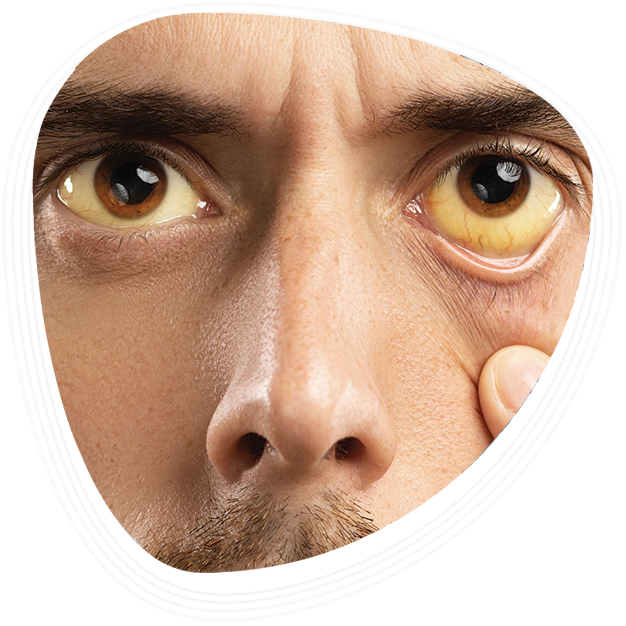
Yellowing of the Eyes (Icterus): Yellowing of the whites of the eyes is often the earliest and most noticeable sign of jaundice.
Yellowing of the Skin: As bilirubin levels rise, the skin may develop a yellow discolouration that is often most noticeable in natural light.
Dark-Coloured Urine: Urine may appear dark yellow, amber, or tea-coloured due to excess bilirubin being excreted by the kidneys.
Pale or Clay-Coloured Stools: Stools may become pale when bilirubin is unable to reach the intestines because of a blockage in the bile ducts.
Itching (Pruritus): Some patients develop persistent itching, particularly when bile flow is obstructed.
Fatigue and Weakness: Jaundice is often accompanied by tiredness, weakness, reduced appetite, and a general feeling of being unwell.
Fever and Chills: Fever with jaundice may indicate an underlying infection or inflammation and requires medical evaluation.
Abdominal Pain: Pain in the upper right side of the abdomen may suggest gallstones, liver inflammation, or bile duct obstruction.
Nausea and Vomiting: Digestive symptoms such as nausea and vomiting commonly occur in liver-related illnesses that cause jaundice.
Confusion or Excessive Drowsiness: Changes in mental status can indicate severe liver dysfunction and require urgent medical attention.
As jaundice can result from a wide range of conditions affecting the liver, bile ducts, blood, or pancreas, any persistent or unexplained yellowing of the eyes or skin should be evaluated by a medical professional. Early diagnosis helps identify the underlying cause and allows treatment to begin before complications develop.
What Causes Jaundice?
Jaundice develops when the normal process of bilirubin production, liver processing, or bile excretion is disrupted. Identifying the underlying cause is essential, as treatment depends on whether the problem originates in the blood, liver, or bile ducts. Common causes of jaundice include:
Viral Hepatitis
Hepatitis A, B, C, D, and E can inflame and damage liver cells, reducing the liver's ability to process bilirubin effectively.
Alcohol-Related Liver Disease
Long-term alcohol consumption can damage the liver and lead to conditions such as alcoholic hepatitis and cirrhosis, both of which may cause jaundice.
Non-Alcoholic Fatty Liver Disease (NAFLD)
Advanced fatty liver disease, particularly non-alcoholic steatohepatitis (NASH) and cirrhosis, can impair liver function and result in jaundice.
Gallstones in the Common Bile Duct (Choledocholithiasis)
Gallstones can block the flow of bile, causing jaundice along with dark urine, pale stools, abdominal pain, and, in some cases, infection.
Pancreatic Cancer and Other Bile Duct Obstructions
Tumours involving the pancreas, bile ducts, or surrounding structures can obstruct bile flow and cause progressive jaundice.
Primary Biliary Cholangitis and Primary Sclerosing Cholangitis
These inflammatory conditions damage the bile ducts and can lead to chronic jaundice, itching, and progressive liver disease.
Drug-Induced Liver Injury
Certain medications, supplements, and herbal preparations can damage the liver or interfere with bile flow, resulting in jaundice.
Haemolytic Anaemia
Conditions such as sickle cell disease, thalassaemia, G6PD deficiency, and autoimmune haemolytic anaemia can cause rapid breakdown of red blood cells, leading to excess bilirubin production.
Liver Cirrhosis
Advanced scarring of the liver can significantly impair bilirubin processing and bile excretion, making jaundice a common feature of decompensated liver disease.
Neonatal Haemolytic Disease
Blood group incompatibility between the mother and baby, including Rh and ABO incompatibility, can cause excessive breakdown of red blood cells and severe jaundice in newborns.
Risk Factors for Jaundice
Certain factors can increase the likelihood of developing conditions that may lead to jaundice. These include:
Excessive Alcohol Consumption
Long-term heavy alcohol use increases the risk of liver inflammation, cirrhosis, and other liver disorders that can cause jaundice.
Obesity and Metabolic Conditions
Obesity, type 2 diabetes, high cholesterol, and metabolic syndrome increase the risk of non-alcoholic fatty liver disease (NAFLD), a common cause of liver-related jaundice.
Exposure to Viral Hepatitis
Unprotected sexual contact, sharing needles, exposure to infected blood, and inadequate vaccination can increase the risk of hepatitis B and C infection.
Poor Food and Water Hygiene
Consuming contaminated food or water increases the risk of hepatitis A and hepatitis E, particularly in areas with inadequate sanitation.
Use of Certain Medications and Herbal Supplements
Some medicines and unregulated herbal preparations can increase the risk of liver injury and jaundice.
Family History of Liver or Blood Disorders
Inherited conditions affecting the liver or red blood cells may increase the likelihood of developing jaundice.
Travel to Endemic Regions
Travelling to areas where hepatitis A, hepatitis E, or malaria are common may increase the risk of infection-related jaundice.
Newborn Risk Factors
Prematurity, blood group incompatibility between mother and baby, and certain neonatal conditions increase the risk of significant jaundice in newborns.
Prevention of Jaundice
While not all causes of jaundice can be prevented, many can be reduced through vaccination, healthy lifestyle choices, and appropriate medical care. Key preventive measures include:
Hepatitis A and B Vaccination
Vaccination against hepatitis A and B is one of the most effective ways to prevent infectious causes of jaundice. Hepatitis B vaccination is recommended for all infants and for unvaccinated adults at risk, while hepatitis A vaccination may be advised for travellers to endemic regions.
Safe Food, Water, and Hygiene Practices
Hepatitis A and E are commonly spread through contaminated food and water. Drinking safe water, maintaining good hand hygiene, and avoiding contaminated or undercooked food can significantly reduce the risk of infection.
Responsible Alcohol Consumption
Limiting alcohol intake and avoiding alcohol altogether in individuals with existing liver disease can help prevent alcohol-related liver damage and jaundice.
Safe Medication Use
Taking medications only as prescribed, avoiding unnecessary self-medication, and exercising caution with herbal supplements can reduce the risk of drug-induced liver injury.
Management of Underlying Liver and Blood Disorders
Regular monitoring and appropriate treatment of chronic liver diseases, fatty liver disease, and haemolytic disorders can help reduce the risk of developing jaundice.
Malaria Prevention During Travel
Travellers to malaria-endemic regions should follow recommended preventive measures, including antimalarial prophylaxis and protection against mosquito bites.
Neonatal Jaundice Screening and Early Care
Adequate feeding during the first days of life, timely bilirubin screening for at-risk newborns, and prompt treatment when required can help prevent severe neonatal jaundice and its complications.
Diagnosis of Jaundice
Accurate diagnosis of the underlying cause of jaundice is essential, as treatment varies depending on whether the problem originates in the blood, liver, or bile ducts. At Graphic Era Hospital, patients have access to a comprehensive diagnostic pathway, with specialist evaluation and interpretation at every stage. Here’s how jaundice is diagnosed at Graphic Era Hospital:
Clinical Assessment
- Medical History: Assessment of symptoms, medication use, alcohol intake, travel history, and any existing liver, blood, or biliary disorders that may contribute to jaundice.
- Symptom Review: Evaluation of associated symptoms such as abdominal pain, fever, itching, dark urine, pale stools, weight loss, or fatigue to help identify the underlying cause.
- Physical Examination: Examination of the skin, eyes, abdomen, and other clinical signs to assess the severity of jaundice and guide further investigations.
Laboratory Investigations
- Serum Bilirubin Testing: Measures total, direct, and indirect bilirubin levels to confirm jaundice and help identify its type.
- Liver Function Tests (LFTs): Assess liver enzymes and proteins to evaluate liver health and identify patterns suggestive of liver inflammation, injury, or bile duct obstruction.
- Complete Blood Count (CBC) and Peripheral Smear: Help detect blood disorders, haemolytic anaemia, and infections that may contribute to jaundice.
- Viral Hepatitis Testing: Performed when hepatitis is suspected as the underlying cause of jaundice.
- Coagulation Profile: Tests such as PT and INR help assess the liver's ability to produce clotting factors and can indicate the severity of liver dysfunction.
Imaging Investigations
- Abdominal Ultrasound: Often the first imaging test performed for jaundice. It helps evaluate the liver, gallbladder, bile ducts, and pancreas, and can identify gallstones, bile duct dilatation, and other structural abnormalities.
- MRCP (Magnetic Resonance Cholangiopancreatography): Provides detailed, non-invasive imaging of the bile ducts and pancreatic ducts and is particularly useful when bile duct obstruction is suspected.
- CT Scan of the Abdomen: May be recommended when a tumour, complex biliary disease, or other abdominal pathology is suspected.
- ERCP (Endoscopic Retrograde Cholangiopancreatography): Used to diagnose and treat certain bile duct conditions. It can help remove bile duct stones, relieve blockages, and place stents when required.
- Liver Biopsy: In selected cases, a liver biopsy may be performed to evaluate liver inflammation, fibrosis, or other conditions when the diagnosis remains uncertain after initial investigations.
Understanding Bilirubin Levels:
- Normal Bilirubin Levels in Adults: A total serum bilirubin level below 1.2 mg/dL is generally considered normal in adults. Jaundice typically becomes visible when bilirubin levels rise above approximately 2.5 to 3 mg/dL.
- Normal Bilirubin Levels in Newborns: Bilirubin levels in newborns are assessed differently from adults. Treatment decisions are based on the baby's age, gestational age, bilirubin level, and associated risk factors. At Graphic Era Hospital, paediatric specialists use established clinical guidelines to determine whether treatment such as phototherapy is required.
- Direct and Indirect Bilirubin: Measuring direct (conjugated) and indirect (unconjugated) bilirubin helps doctors identify whether jaundice is related to increased red blood cell breakdown, liver disease, or bile duct obstruction.
Why Choose Graphic Era Hospital for Jaundice Treatment in Dehradun

Specialist-Led Evaluation : Jaundice is assessed by experienced gastroenterologists, hepatologists, internal medicine specialists, and paediatricians when required. Every patient undergoes a structured evaluation to identify the underlying cause and guide appropriate treatment.

Advanced Diagnostic Support : The hospital offers a complete in-house diagnostic pathway, including bilirubin testing, liver function assessment, ultrasound, CT imaging, MRCP, and ERCP. This enables timely diagnosis and treatment without unnecessary delays.

Multidisciplinary Care : Our specialists work closely across gastroenterology, hepatology, oncology, haematology, paediatrics, and internal medicine to manage both straightforward and complex causes of jaundice through a coordinated care approach.
Treatment of Jaundice at Graphic Era Hospital
Jaundice is treated by addressing its underlying cause. The most appropriate treatment depends on whether the jaundice is related to liver disease, bile duct obstruction, increased breakdown of red blood cells, or neonatal conditions. At Graphic Era Hospital, our gastroenterology, hepatology, paediatric, and internal medicine teams develop personalised treatment plans based on the cause and severity of jaundice.
Treatment of Hepatic Jaundice
- Management of Viral Hepatitis: Treatment may include antiviral medications, supportive care, and regular monitoring, depending on the type and severity of hepatitis.
- Management of Alcohol-Related Liver Disease: Complete alcohol cessation, nutritional support, and treatment of complications are essential components of care.
- Treatment of Drug-Induced Liver Injury: When jaundice is caused by a medication or supplement, the offending agent is identified and discontinued under medical supervision.
- Management of Fatty Liver Disease and Cirrhosis: Treatment focuses on lifestyle modification, management of metabolic risk factors, regular monitoring, and treatment of complications associated with advanced liver disease.
- Management of Acute Liver Failure: Patients with severe liver dysfunction may require intensive monitoring, specialised supportive care, and, in selected cases, evaluation for liver transplantation.
Treatment of Obstructive Jaundice
- ERCP for Bile Duct Stones and Blockages: ERCP is commonly used to remove bile duct stones, relieve obstructions, and restore normal bile flow.
- Biliary Stenting: Stents may be placed to relieve bile duct obstruction caused by strictures or tumours.
- Gallbladder Surgery (Cholecystectomy): Patients with gallstone-related jaundice may require gallbladder removal to prevent recurrent obstruction.
- Surgical Treatment of Biliary and Pancreatic Tumours: When appropriate, surgery may be performed to remove tumours causing obstructive jaundice.
- Management of Cholangitis: Patients with bile duct infections require prompt treatment with antibiotics and procedures to relieve the obstruction.
Treatment of Pre-Hepatic Jaundice
- Management of Haemolytic Anaemia: Treatment is directed at the underlying blood disorder responsible for excessive red blood cell breakdown.
- Treatment of Malaria and Other Infections: Appropriate therapy is provided when jaundice develops as a complication of infection.
- Blood Transfusion Support: In selected patients with severe anaemia, blood transfusions may be required as part of treatment.
Treatment of Neonatal Jaundice
- Phototherapy: Phototherapy is the most common treatment for neonatal jaundice and helps lower bilirubin levels safely and effectively.
- Feeding Support and Monitoring: Adequate feeding and close monitoring help prevent bilirubin levels from rising to unsafe levels.
- Exchange Transfusion: In severe cases that do not respond adequately to phototherapy, exchange transfusion may be required.
- Treatment of the Underlying Cause: Where neonatal jaundice is caused by infection, blood group incompatibility, or another medical condition, treatment is directed at the underlying problem.
Dietary Guidance During Jaundice
During recovery, patients are encouraged to follow a balanced diet that includes fruits, vegetables, whole grains, and lean sources of protein.
- Avoid alcohol completely during treatment and recovery.
- Limit fatty, fried, and highly processed foods.
- Maintain adequate hydration.
- Follow any dietary recommendations provided by your treating doctor or dietitian.
The appropriate treatment for jaundice depends entirely on its cause. Early diagnosis allows treatment to begin promptly and helps prevent complications associated with liver disease, bile duct obstruction, and severe bilirubin elevation.
Complications of Untreated Jaundice
Without timely diagnosis and treatment, jaundice can lead to serious complications, particularly when it is severe, prolonged, or caused by an underlying liver or biliary disorder. Early evaluation and appropriate treatment can help prevent many of these complications.
Kernicterus in Newborns
Severe untreated neonatal jaundice can cause bilirubin to accumulate in the brain, resulting in permanent neurological damage. Potential consequences include hearing loss, developmental delays, movement disorders, and cerebral palsy. Prompt diagnosis and treatment can prevent this complication.
Acute Liver Failure
Severe liver disease caused by conditions such as viral hepatitis, drug-induced liver injury, or alcoholic hepatitis can progress to acute liver failure, a life-threatening condition requiring urgent specialist care.
Cirrhosis and Chronic Liver Disease
Untreated liver conditions that cause recurrent or persistent jaundice can lead to progressive scarring of the liver, eventually resulting in cirrhosis, portal hypertension, and liver failure.
Acute Cholangitis
Obstruction of the bile ducts can lead to infection within the biliary system. This condition may cause fever, abdominal pain, and worsening jaundice and requires urgent medical treatment.
Sepsis
Severe infections associated with jaundice can spread throughout the body and lead to sepsis, a potentially life-threatening medical emergency.
Biliary Cirrhosis
Long-standing obstruction or damage to the bile ducts can cause progressive liver injury and scarring, resulting in biliary cirrhosis and its associated complications.
Delayed Diagnosis of Cancer
In some cases, jaundice may be caused by pancreatic, bile duct, or other gastrointestinal cancers. Delayed evaluation can allow these conditions to progress, potentially limiting treatment options and affecting outcomes.
Top Jaundice Treatments
- Antiviral Therapy for Viral Hepatitis
- ERCP with Stone Extraction
- Biliary Stenting
- Cholecystectomy (Gallbladder Removal Surgery)
- Phototherapy for Neonatal Jaundice
- Exchange Transfusion for Severe Neonatal Jaundice
- Management of Haemolytic Anaemia
- Treatment of Acute Liver Failure
- Management of Fatty Liver Disease and Cirrhosis
- Surgical Treatment for Biliary and Pancreatic Malignancies
Blog




Frequently Asked Questions
What is jaundice and why does it occur?
Jaundice is a yellowing of the skin, eyes, and mucous membranes caused by a build-up of bilirubin in the blood. It occurs when bilirubin is produced faster than the body can process it, when liver function is impaired, or when bile flow is blocked. Jaundice is a sign of an underlying condition rather than a disease itself and requires medical evaluation to identify the cause.
Is jaundice a serious condition?
The severity of jaundice depends on its underlying cause. Some cases, such as mild viral infections or physiological neonatal jaundice, may resolve with appropriate treatment. Others, including acute liver failure, bile duct obstruction, severe infections, or advanced liver disease, can be serious and require urgent medical attention. Any new-onset jaundice should be evaluated by a doctor.
What is the treatment for jaundice?
There is no single treatment for jaundice. Management depends on the underlying cause and may include antiviral medications, treatment of liver disease, removal of bile duct stones, phototherapy for newborns, or treatment of blood disorders. At Graphic Era Hospital, treatment is guided by a thorough diagnostic evaluation.
How long does it take to recover from jaundice?
Recovery time varies depending on the cause. Some forms of jaundice resolve within a few weeks, while others associated with chronic liver disease or cancer may require long-term treatment and monitoring. Your doctor can provide a more accurate recovery timeline after determining the underlying cause.
Can jaundice spread from one person to another?
Jaundice itself is not contagious. However, some conditions that cause jaundice, such as hepatitis A, hepatitis B, hepatitis C, and hepatitis E, can be transmitted from one person to another. The risk of transmission depends on the specific underlying condition.
What foods should be avoided during jaundice?
Alcohol should be avoided completely during jaundice and recovery. It is also advisable to limit fatty, fried, heavily processed foods and follow a balanced diet that includes fruits, vegetables, whole grains, lean protein, and adequate fluids. Dietary recommendations may vary depending on the underlying cause of jaundice.
Which doctor should I consult for jaundice?
Jaundice is commonly evaluated by a gastroenterologist, hepatologist, or internal medicine specialist. Depending on the underlying cause, care may also involve paediatricians, haematologists, surgeons, or oncologists. At Graphic Era Hospital, patients benefit from a multidisciplinary team approach to diagnosis and treatment.
Where can I get jaundice treatment near me in Dehradun?
If you are experiencing symptoms such as yellowing of the eyes or skin, dark urine, pale stools, or unexplained fatigue, it is important to seek medical evaluation promptly. At Graphic Era Hospital, Dehradun, patients have access to specialist gastroenterology, hepatology, internal medicine, paediatric, diagnostic, and endoscopy services for the comprehensive evaluation and treatment of jaundice and its underlying causes.
 Emergency 24×7 : 1800 889 7351