
Chikungunya: Symptoms, Treatment, and When to Seek Medical Care
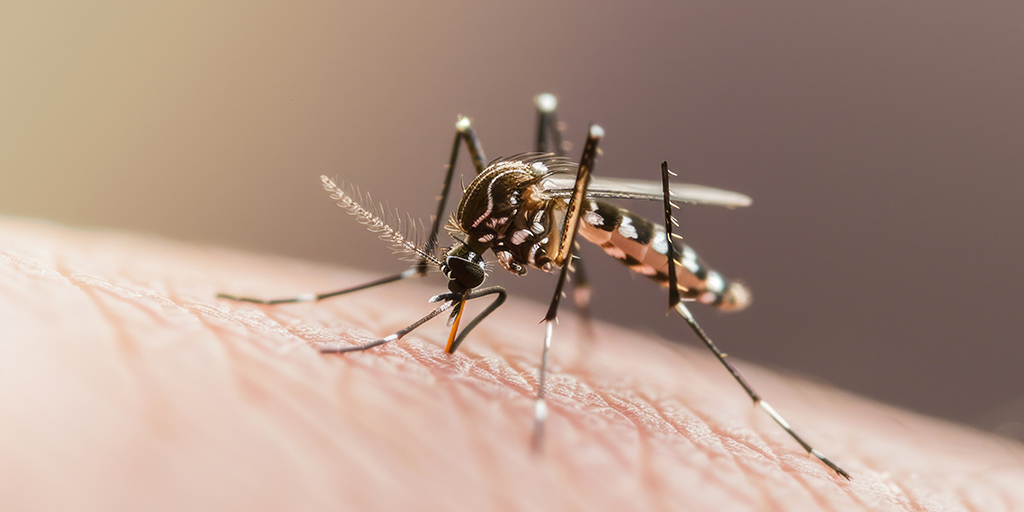
Chikungunya is a significant public health concern, particularly in tropical regions, where mosquito-borne infections are common. According to the WHO, over 445,000 suspected and confirmed chikungunya (CHIKV) disease cases and 155 deaths were reported across 40 countries between January and September 2025. In India alone, the burden remains notable. Between January and March 2025, more than 30,000 suspected cases and over 1,700 confirmed cases of chikungunya were reported, highlighting the continued risk of transmission and seasonal outbreaks.
Chikungunya is a mosquito-borne viral infection caused by the chikungunya virus, transmitted through the bite of infected Aedes mosquitoes. While many people recover within a week, the intensity of symptoms, especially joint pain, can significantly affect daily life and, in some cases, persist for weeks or longer.
In this article, we’ll cover the symptoms of chikungunya, how the disease is diagnosed, its treatments, and when it is important to seek medical care.
What is Chikungunya?
Chikungunya is a viral infection that spreads through mosquito bites. Once an infected mosquito bites a person, the virus enters the bloodstream and begins to multiply, leading to symptoms typically within three to seven days. The name “chikungunya” comes from a word that means “bent over,” describing the hunched posture people often develop due to intense joint pain during infection.
Unlike many infectious diseases, chikungunya is not contagious from person to person. However, the transmission cycle involves both humans and mosquitoes. When a mosquito bites an infected individual, it can acquire the virus and subsequently transmit it to others. This cycle explains why outbreaks can spread rapidly in densely populated areas.
Today, the chikungunya virus is present in more than 100 countries, making it a global health concern. In India, seasonal spikes are often linked to monsoon periods, when mosquito breeding increases significantly.
Chikungunya Causes and Transmission
Understanding chikungunya causes begins with recognising the role of mosquitoes. The infection is caused exclusively by the chikungunya virus, which is transmitted through the bite of infected Aedes mosquitoes, the same species responsible for dengue and Zika infections.
Certain environmental and lifestyle factors increase the risk of transmission.
- Stagnant water in and around homes, construction sites, and urban drainage systems provides ideal breeding grounds for mosquitoes.
- Travelling to areas with active outbreaks also raises the risk, particularly if preventive measures are not followed.
An important but often overlooked aspect of chikungunya transmission is that an infected individual can contribute to the spread of the disease indirectly. If a mosquito bites a person during the early phase of infection, it may pick up the virus and transmit it to others, sustaining the cycle within the community.
Common Symptoms of Chikungunya
Chikungunya symptoms usually begin suddenly, often within a few days of being bitten by an infected mosquito. While the intensity can vary from person to person, the illness typically presents with a combination of fever and joint-related discomfort that distinguishes it from other viral infections.
Early Symptoms
- High fever (sudden onset): Chikungunya fever often begins abruptly and can reach high temperatures within a short span. This sudden spike is usually one of the first warning signs.
- Severe joint pain (key differentiator): Joint pain in chikungunya is intense and can affect multiple joints simultaneously. It is often symmetrical and may significantly restrict movement.
- Headache: A persistent headache is common in the early phase and may accompany the fever, contributing to overall discomfort.
- Muscle pain and fatigue: Patients frequently experience body aches and a sense of exhaustion, which can make routine activities difficult.
Additional Symptoms
- Chikungunya rash: A skin rash may appear a few days after the onset of fever, usually spreading across the trunk and limbs.
- Nausea and vomiting: Some individuals may experience digestive discomfort, although this is usually mild.
- Swelling in joints: Inflammation around the joints may develop, adding to stiffness and pain.
Chikungunya vs Dengue: How to Tell the Difference
The confusion between chikungunya and dengue is a common concern, especially since both infections are transmitted by the same mosquito species. While they share certain symptoms, there are important differences that help guide diagnosis and management.
Both conditions present with high fever and general weakness, but chikungunya tends to cause more intense joint pain, while dengue is more closely associated with complications such as bleeding and low platelet counts.
| Feature | Chikungunya | Dengue |
| Joint Pain | Severe and persistent, often long-lasting | Mild to moderate |
| Bleeding Risk | Rare | Can be severe |
| Fever | High and sudden | High, may fluctuate |
| Recovery | Fever settles quickly, joint pain may persist | Can become severe in later stages |
Accurate differentiation between chikungunya and dengue is essential because treatment approaches differ. For instance, certain medications are avoided in dengue due to bleeding risk, which makes a timely chikungunya diagnosis through clinical evaluation and testing important.
How is Chikungunya Diagnosed?
Diagnosing chikungunya requires a careful combination of clinical assessment and laboratory testing. Since symptoms overlap with other viral fevers, especially dengue, confirmation through appropriate tests becomes important.
Clinical Evaluation Based on Symptoms
Doctors assess patterns such as high fever, joint pain, rash, and recent exposure to mosquito-prone areas to form an initial diagnosis.
Laboratory Confirmation: Blood Tests (PCR or Antibody Tests)
A chikungunya blood test helps confirm the presence of the virus or antibodies. PCR tests are useful in the early phase, while antibody tests help later.
When Testing is Recommended
Testing is usually advised when symptoms are severe, persistent, or when differentiation from dengue or other infections is necessary.
Chikungunya Treatment: What You Need to Know
Chikungunya treatment focuses on relieving symptoms and supporting recovery, as there is currently no specific antiviral medication available for the infection. Management approach includes:
- Adequate rest: Rest allows the immune system to respond effectively and reduces strain on the body.
- Hydration (fluids): Maintaining fluid intake helps prevent dehydration, especially during periods of high fever.
- Paracetamol for fever and pain: Paracetamol is commonly recommended to manage fever and mild pain safely. Avoid NSAIDs and aspirin (especially until dengue is ruled out). These medications may increase bleeding risk if the illness turns out to be dengue, so they are avoided initially.
Home Care
- Light, nutritious diet: Easily digestible and balanced meals support recovery and help maintain energy levels.
- Warm compress for joint pain: Applying warmth to affected joints may provide temporary relief from stiffness and discomfort.
Recovery Timeline: How Long Does Chikungunya Last?
Recovery from chikungunya varies between individuals, but most follow a predictable pattern. While fever subsides relatively quickly, joint-related symptoms may persist longer.
- Fever Phase: A Few Days
The high fever typically resolves within 2–5 days in most cases.
- Joint Pain: Weeks to Months in Some Cases
Joint pain in chikungunya may continue even after the fever settles, especially in older adults.
- Gradual Recovery Pattern
Energy levels and physical comfort improve slowly over time rather than immediately.
Long-Term Effects
Some patients experience lingering stiffness or discomfort, similar to inflammatory joint conditions.
Rare complications
- Eye-related issues
- Neurological symptoms
- Heart-related concerns
Role of Rehabilitation
In cases where mobility is affected, physical therapy can help restore movement and reduce stiffness over time.
Who is at Higher Risk of Complications?
While chikungunya is generally self-limiting, certain groups may experience more severe symptoms or prolonged recovery.
- Older adults (65+): Age-related factors may slow recovery and increase the likelihood of persistent joint pain.
- Newborns: Infants may be more vulnerable to complications and require closer monitoring.
- People with chronic conditions: Conditions such asdiabetes, high blood pressure, and heart disease may influence the body’s ability to cope with infection and recover efficiently.
When Should You Seek Medical Care?
Although many cases can be managed at home, certain warning signs should not be ignored, as they may indicate complications or the need for medical evaluation.
- Persistent high fever: Fever that does not resolve or worsens requires assessment.
- Severe joint pain affecting mobility: If pain limits movement significantly, medical guidance becomes important.
- Symptoms not improving after a few days: Lack of improvement may require further investigation or supportive care.
- Signs of complications (neurological, cardiac, or visual symptoms): Any unusual symptoms affecting the brain, heart, or vision should be evaluated promptly.
Chikungunya Prevention: How to Protect Yourself
Preventing chikungunya focuses on reducing mosquito exposure and controlling breeding environments. Since there is limited vaccine availability, prevention remains the most effective strategy.
Prevent Mosquito Bites
- Use repellents: Applying mosquito repellents helps reduce the risk of bites, especially during peak hours.
- Wear full-sleeve clothing: Covering exposed skin provides an added layer of protection.
- Use mosquito nets: Nets are particularly useful during sleep or in high-risk areas.
Reduce Breeding Grounds
- Avoid stagnant water: Water collected in containers, coolers, or open areas should be cleared regularly.
- Keep surroundings clean: Clean environments reduce mosquito breeding opportunities.
Home Protection
- Window screens and closed doors: Installing screens and keeping doors closed helps prevent mosquitoes from entering indoor spaces.
Travel Precautions
- Avoid outbreak regions or take protective measures: If travel is necessary, extra precautions should be taken to minimise exposure.
Conclusion: Early Care Can Make a Difference
Chikungunya is a manageable viral illness, but it should not be underestimated. Early recognition of chikungunya symptoms, timely chikungunya diagnosis, and supportive chikungunya treatment play a key role in ensuring a smooth recovery.
At Graphic Era Hospital, the focus remains on timely evaluation, accurate diagnosis, and patient-centred care to ensure safe recovery across age groups. If symptoms persist or worsen, seeking medical advice remains the safest approach. For further guidance or to book a consultation with an internal medicine specialist, you can call 1800 889 7351 (24×7).
Frequently Asked Questions
Is chikungunya dangerous?
Chikungunya is usually not life-threatening, but in some cases, especially among older adults or those with existing health conditions, complications can occur and require medical attention.
Can chikungunya be treated at home?
Mild chikungunya symptoms can often be managed at home with rest, fluids, and supportive care. However, consulting a doctor ensures proper chikungunya diagnosis and safe treatment.
Can chikungunya spread from person to person?
No, chikungunya disease does not spread directly between people. It requires a mosquito vector to transmit the chikungunya virus.
Why does chikungunya spread quickly?
Chikungunya spreads rapidly because the Aedes mosquito is common in urban environments, and the transmission cycle between humans and mosquitoes sustains outbreaks.
How is chikungunya different from dengue?
In the chikungunya vs dengue comparison, chikungunya causes more severe joint pain, while dengue is more associated with bleeding complications and platelet reduction.
Can chikungunya affect pregnancy or newborns?
Although rare, the chikungunya virus can be transmitted from mother to baby during childbirth, which is why medical supervision is important in such cases.
What is the best way to prevent chikungunya?
Chikungunya prevention focuses on avoiding mosquito bites, eliminating stagnant water, and maintaining clean surroundings.
How long does joint pain from chikungunya last?
Joint pain in chikungunya may last for weeks or even months in some individuals, requiring gradual recovery and sometimes physical therapy.
What helps in faster recovery in chikungunya?
Adequate rest, hydration, balanced chikungunya treatment food, and gradual return to activity help support faster recovery.
















 Emergency 24×7 : 1800 889 7351