
Treating Jaundice at Home: Common Myths vs. Medical Reality
Key Takeaways
- Jaundice is not a disease, but a symptom indicating an underlying liver, blood, or bile duct issue that needs proper diagnosis.
- Home care can support recovery, but jaundice cannot be effectively treated at home without identifying and addressing the root cause.
- Common symptoms like yellowing of eyes, dark urine, pale stools, fatigue, and abdominal discomfort should not be ignored.
- Medical evaluation through tests like LFTs, bilirubin levels, and imaging is essential for accurate diagnosis and safe treatment.
- Early medical intervention significantly improves recovery outcomes and helps prevent serious complications such as liver damage.
- Relying on myths, self-medication, or delayed treatment can worsen the condition; timely care and expert consultation are crucial.
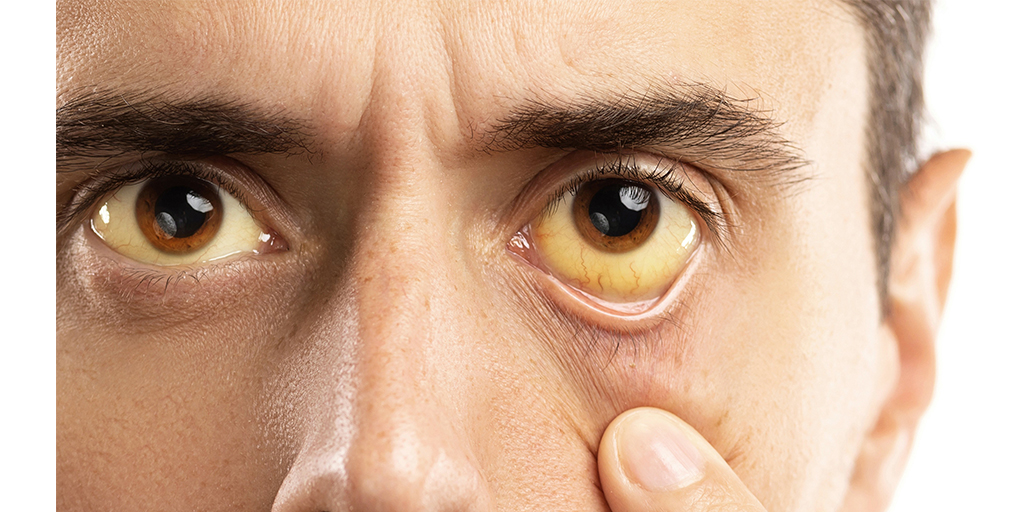
Jaundice typically raises immediate concerns as its symptoms are clearly visible, especially the yellowing of the eyes and skin. Despite that, delayed treatment is a common problem. A part of the blame for this delay goes to the myths surrounding jaundice and its management. In many Indian homes, traditional remedies and advice are passed down through generations, and while some of these may offer comfort, they often delay what truly helps recovery. The reality is that jaundice is not a disease itself, but a sign of an underlying health issue that needs attention. In this article, we will try to understand the difference between home care and medical treatment, to determine what actually ensures a safe and fast recovery.
What is Jaundice and What are its Risk Factors?
Jaundice occurs when there is a buildup of “bilirubin” – a yellow pigment produced during the normal breakdown of red blood cells. Normally, the liver processes bilirubin and removes it from the body through bile. But when this system is disrupted due to liver infection, fatty liver disease, or other digestive disorders, bilirubin starts to accumulate, leading to yellowing of the skin and eyes.
Common causes of bilirubin build-up include:
- Viral hepatitis (A, B, C, E)
- Alcohol-related liver disease
- Gallstones blocking bile flow
- Liver infections or inflammation
- Liver damage or cirrhosis
- Blood disorders causing excessive red cell breakdown
Each cause requires a different treatment approach, which is why self-diagnosis can be risky.
Common Symptoms Accompanying Jaundice
Jaundice often develops gradually, and in the beginning, the changes may be so mild that they go unnoticed. However, as the condition progresses, several other symptoms linked to digestive disorders and liver dysfunction may appear along with the yellowing of the skin and eyes. These include:
- Darkening of urine
- Pale or clay-coloured stools
- Persistent tiredness and weakness
- Reduced appetite
- Discomfort or pain in the abdominal area
- Itching in some individuals
These symptoms together often indicate that the liver or bile system needs medical attention and should not be ignored.
Prevention Tips
While not all causes are preventable, the risk of liver infection and fatty liver disease can be reduced by:
- Hepatitis vaccination (A and B)
- Safe drinking water and hygiene practices
- Limiting alcohol consumption
- Regular health check-ups for those at risk
- Avoiding self-medication
Prevention is always easier than treatment.
Can Jaundice Be Treated at Home?
This is one of the most often asked and misunderstood questions.
The honest answer is: jaundice cannot be “treated” at home in most cases.
Home care can support recovery, but it does not cure the underlying cause. For example, viral hepatitis may resolve with rest and diet, but only after proper diagnosis and monitoring. In obstructive or liver-damage-related jaundice, medical or even surgical treatment may be required.
Relying only on home remedies can delay diagnosis and sometimes worsen the condition.
What Medical Science Says About Jaundice Treatment
Medical science is very clear: jaundice is a symptom, not a standalone disease. It is often linked to conditions like fatty liver disease, hepatitis, or liver infections, and treatment always depends on identifying the root cause.
Doctors focus on:
- Why bilirubin levels are high
- Whether the liver is inflamed, infected, or damaged
- Whether bile flow is blocked
- Whether blood disorders are involved
Without this clarity, treatment cannot be effective or safe.
How is Jaundice Diagnosed and Treated Medically?
When a patient presents with symptoms of jaundice, doctors first focus on identifying the exact cause behind the yellowing of the skin and eyes. Since jaundice is a sign of an underlying condition rather than a disease itself, accurate diagnosis is essential before starting any treatment. Once the cause is confirmed, treatment is planned accordingly to ensure safe and effective recovery.
Diagnosis
- Liver Function Tests (LFTs): These tests assess how well the liver is working and help detect inflammation or damage.
- Bilirubin Level Tests: These measure the amount of bilirubin in the blood to confirm the severity of jaundice.
- Hepatitis Screening: These tests check for viral infections like hepatitis A, B, or C that may be affecting the liver.
- Ultrasound or Imaging Scans: Imaging helps identify gallstones, blockages, or structural issues in the liver and bile ducts.
- Urine and Blood Tests: These provide additional information about infection, liver health, and overall body function.
Treatment
- Antiviral Medications (for hepatitis treatment): These are used when jaundice is caused by viral liver infections.
- Antibiotics (if bile-related or liver infection is present): These help treat bacterial infections that may be affecting the liver or bile system.
- Procedures or Surgery (for gallstones or blockages): Medical intervention may be needed to remove obstructions in the bile flow.
- Liver-Supportive Care in Hospital Settings: Patients may receive fluids, nutrition support, and monitoring to help the liver recover.
- Lifestyle Modifications for Liver Disease Treatment Under Medical Supervision: Guidance on dietary changes, alcohol avoidance, and exercises for managing chronic liver diseases.
- Hospitalisation in Severe Cases: Close monitoring is required for severe liver infection and to prevent complications and ensure timely intervention if the condition worsens.
Safe Home Care Tips for Recovery
While home care cannot replace medical treatment, it plays an important supportive role in recovery:
- Take complete rest to reduce liver stress
- Drink plenty of fluids to stay hydrated
- Eat light, easily digestible meals
- Avoid alcohol completely
- Follow prescribed medications strictly
- Attend follow-up appointments
Think of home care as “supporting healing,” not replacing treatment.
Foods to Eat and Avoid During Jaundice
Diet plays an important role in recovery, comfort and liver support.
Foods that may help:
- Fresh fruits like papaya, apples, and bananas
- Simple home-cooked meals
- Lentils and light proteins
- Coconut water and oral rehydration fluids
- Steamed vegetables
Foods to avoid:
- Fried and oily foods
- Alcohol in any form
- Processed and packaged foods
- Very spicy meals
- Street food with questionable hygiene
A gentle diet helps reduce liver workload and supports recovery.
How Long Does Recovery Take?
Recovery from jaundice depends entirely on the cause:
- Viral hepatitis: usually 2–6 weeks
- Mild liver inflammation: varies
- Obstructive jaundice: improves after treatment of blockage
- Chronic liver conditions: long-term management required
What matters most is not delaying diagnosis, as early treatment leads to faster recovery.
When Should You See a Doctor?
Seek medical attention immediately if you notice:
- Rapid increase in yellowing
- Severe abdominal pain
- High fever or persistent vomiting
- Confusion or extreme weakness
- Very dark urine or pale stools
- Symptoms lasting more than a few days
Jaundice should never be ignored or self-managed for long.
Common Myths About Jaundice Treatment
Many beliefs around jaundice are passed down through generations. However, not all are medically correct.
- Myth: Sugarcane juice cures jaundice
There is no scientific evidence that it treats the cause. It may keep you hydrated, but does not cure liver disease. - Myth: Only diet can cure jaundice
Diet helps recovery, but cannot treat infections or blockages. - Myth: Jaundice is always harmless
It can indicate serious liver or bile duct disease. - Myth: Home remedies are enough
Delaying medical treatment can worsen outcomes. - Myth: Jaundice always means liver failure
Not always; many cases are reversible when treated early.
What NOT to Do During Jaundice
Equally important is avoiding harmful practices:
- Do not self-medicate or take unprescribed “liver tonics”
- Avoid alcohol completely
- Do not ignore persistent symptoms
- Do not rely solely on juices or detox trends
- Avoid delaying diagnostic tests
These steps help prevent complications and ensure safe recovery.
Possible Complications if Ignored
Untreated or delayed treatment of jaundice can lead to:
- Severe liver damage
- Liver failure
- Brain-related complications in advanced cases
- Spread of infection
- Long-term digestive and metabolic issues
This is why a timely medical evaluation is crucial.
Conclusion: The Right Care at the Right Time Matters
Jaundice can feel alarming, especially when symptoms appear suddenly. But with timely diagnosis and appropriate treatment, most cases recover completely. The key is not to rely on myths or delay medical attention.
If you or your loved one is experiencing symptoms of jaundice, early medical consultation makes a significant difference in recovery outcomes.
For comprehensive evaluation, accurate diagnosis, and advanced liver care, Graphic Era Hospital offers expert gastroenterology and hepatology support with a patient-first approach. Our team focuses on identifying the root cause of jaundice and providing personalised treatment plans in a safe clinical environment. To schedule a consultation, call 1800 889 7351 (24×7).
Frequently Asked Questions
Can jaundice be cured at home?
Mild cases may recover with rest and diet, but jaundice itself is not a condition that can be cured at home. Medical evaluation is essential to treat the underlying cause safely.
What is the fastest way to recover from jaundice?
The fastest recovery happens when the root cause is diagnosed early and treated appropriately. Rest, hydration, and a light diet support healing but do not replace medical care.
Is sugarcane juice good for jaundice?
Sugarcane juice may help with hydration and energy, but it does not treat liver infection or bile obstruction. It should never be considered a cure.
What foods help in jaundice recovery?
Fresh fruits, light home-cooked meals, fluids like coconut water, and easily digestible foods help support liver recovery during treatment.
How long does jaundice last?
It varies depending on the cause. Viral hepatitis may take 2–6 weeks, while other conditions may take longer, depending on treatment response.
When should I see a doctor for jaundice?
You should see a doctor immediately if you notice yellowing of eyes/skin, dark urine, abdominal pain, or symptoms that persist beyond a few days.
Can jaundice go away on its own?
Some mild viral cases may improve, but many types of jaundice require medical treatment. It is unsafe to assume it will resolve without evaluation.
Is jaundice dangerous if untreated?
Yes. If left untreated, it can lead to serious liver damage and complications. Early diagnosis significantly improves outcomes.
















 Emergency 24×7 : 1800 889 7351