
World Malaria Day 2026: Facts, Figures, and the Fight That Still Isn’t Over
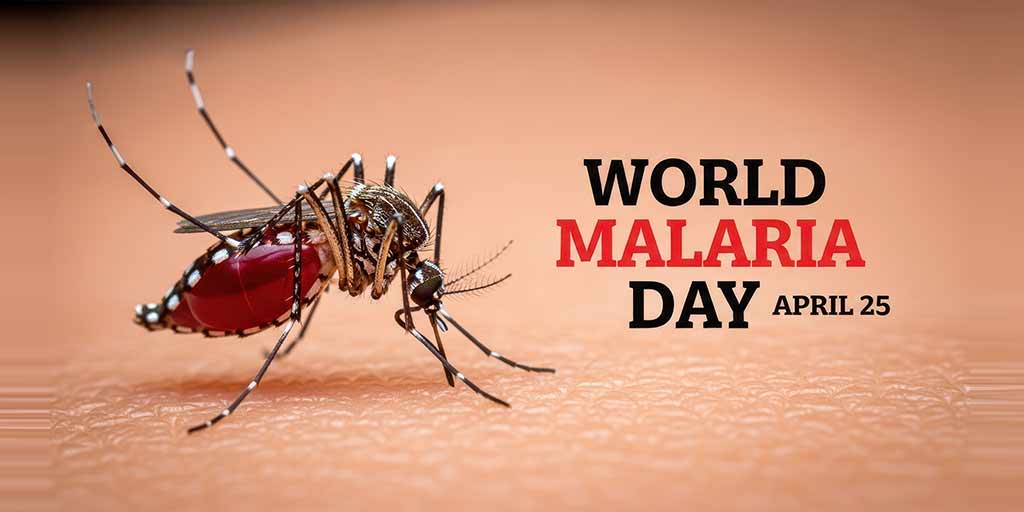
Quick Facts: World Malaria Day 2026
- Theme 2026: “Driven to End Malaria: Now We Can. Now We Must.” – WHO’s call to close the gap between what is possible and what is happening.
- The Reality: Over 600,000 people died of malaria globally in 2024. India, meanwhile, has cut its malaria cases by ~80% since 2015 – one of the most remarkable public health turnarounds of the decade.
- The Goal: India aims to be malaria-free by 2027 and achieve full elimination by 2030.
- Know the Signs: Sudden high fever, severe chills, headache, and muscle pain, especially after rain, travel, or mosquito exposure.
- Action: If you have a high fever, chills, or body aches, especially after travel or during the monsoon, get tested instead of guessing. Early diagnosis can save lives.
A Disease That Should Not Still Be Killing People, Yet Here We Are
Every year on 25 April, the world marks World Malaria Day, not as a celebration, but as a reckoning. A moment to measure the distance between where we are and where we need to be in the fight against one of humanity’s oldest, most persistent killers.
The distance, in 2026, is both narrower and wider than it looks. Narrower, because the progress over the past two decades is genuinely extraordinary: 2.3 billion cases averted, 14 million deaths prevented, and 47 countries now certified malaria-free since 2000. Wider, because the WHO World Malaria Report 2026 tells us that an estimated 282 million people still contracted malaria in 2024, and 610,000 of them died – the vast majority being children under five in sub-Saharan Africa, in a disease that is fully preventable and fully treatable.
That tension, extraordinary progress sitting alongside extraordinary failure, is precisely what the 2026 theme captures. “Driven to End Malaria: Now We Can. Now We Must.” is not a tagline. It is an argument. The tools exist. The science is there. The blueprint is written. What remains is the will, the funding, and the follow-through.
India’s story within this global narrative deserves attention, because it shows what political commitment, community reach, and sustained investment achieve when they work in tandem. It is also a story that is far from over.
World Malaria Day 2026: The Day, the Theme, and Why it Hits Different This Year
World Malaria Day was established by WHO Member States at the 60th World Health Assembly in May 2007 and first observed on 25 April 2008. It grew out of Africa Malaria Day, a regional observance held since 2001, and was elevated to a global platform to reflect the true scale of the challenge. The mandate was clear: provide education, build awareness, and sustain political and financial commitment for malaria prevention, control, and elimination worldwide.
Each year, the day anchors itself to a theme that reflects the most pressing priority of that moment. Looking at the arc of themes tells you everything about how the fight has evolved:
| Year | Theme |
| 2019-2021 | Zero Malaria Starts with Me |
| 2022 | Harness Innovation to Reduce the Malaria Disease Burden |
| 2023 | Time to Deliver Zero Malaria: Invest, Innovate, Implement |
| 2024 | Accelerating the Fight Against Malaria for a More Equitable World |
| 2025 | Malaria Ends with Us: Reinvest, Reimagine, Reignite |
| 2026 | Driven to End Malaria: Now We Can. Now We Must. |
Notice the shift in tone, from aspiration to urgency to something that reads almost like a demand. That shift is not accidental.
What the 2026 Theme is Really Saying
“Now We Can” refers to a specific set of breakthroughs that have fundamentally changed what is possible in malaria control:
- Two malaria vaccines – RTS,S/AS01 and R21/Matrix-M – now roll out across 25 countries, protecting millions of children for the first time in history.
- Next-generation insecticide-treated bed nets combining dual active ingredients (PBO and pyrethroids) work against mosquitoes that have developed resistance to standard nets. In 2024, 84% of nets shipped to Africa were these advanced nets – up from just 10% in 2019.
- Seasonal Malaria Chemoprevention now reaches 54 million children across 19 countries.
- Phase 3 results for ganaplacide-lumefantrine signal that the next generation of therapeutics is arriving. It is the first novel-acting treatment innovation in acute malaria since 1999.
“Now We Must” is where honesty comes in. Having the tools is not the same as using them. In 2024, global malaria funding reached $3.9 billion, less than half of the $9.3 billion needed to keep the response on track. That gap does not stay on a spreadsheet. It shows up as bed nets not delivered, tests not conducted, and treatments not reaching the people who need them most.
The 2026 theme, read together, is a call to match science with the will. We are closer to ending malaria than at any point in history. The question this World Malaria Day asks is whether that is close enough to act on.
That said, understanding why this fight matters starts with understanding the disease itself. What exactly is malaria, how does it move through a population, and why has it proven so difficult to eliminate?
What is Malaria and How Does it Spread?
Malaria is an acute, potentially life-threatening febrile illness caused by Plasmodium parasites. It is transmitted to humans through the bite of an infected female Anopheles mosquito. Once inside the body, the parasite travels to the liver, where it matures over 7 to 30 days before entering the bloodstream as merozoites, infecting and destroying red blood cells in repeating cycles. This cyclical destruction produces malaria’s characteristic fever pattern and, if left untreated, can lead to progressive organ failure, making severe malaria particularly dangerous.
The Five Plasmodium Species
| Species | Severity | Key Characteristic | India Relevance |
| P. falciparum | Most dangerous | Causes cerebral and severe malaria; fatal within 24 hrs if untreated | ~60% of India’s cases (2024) |
| P. vivax | Moderate | Lies dormant in the liver; causes relapses months later | India carries 46% of global P. vivax burden |
| P. malariae | Mild–Moderate | Causes quartan (72-hr) fever cycles | Uncommon in India |
| P. ovale | Mild | Similar to vivax; also causes relapses | Rare in India |
| P. knowlesi | Variable | Zoonotic; transmitted from macaque monkeys | Rare; found mainly in SE Asia |
India’s malaria profile is shaped by the coexistence of both dominant species. P. falciparum demands immediate clinical attention because of its rapid progression. P. vivax, while less acutely fatal, is more difficult to eliminate. Its dormant liver stage means a patient may appear fully recovered, only to relapse weeks or months later without any new mosquito exposure.
This is why India’s elimination strategy goes beyond treating the illness. It requires tracking and managing each case until complete resolution.
Transmission: How the Chain of Infection Works
- An infected female Anopheles mosquito bites a human and injects Plasmodium sporozoites into the bloodstream during feeding.
- The parasites travel to the liver and multiply silently during an incubation period of 10 to 30 days, depending on species.
- Mature parasites re-enter the bloodstream as merozoites, infect red blood cells, and multiply further.
- Infected cells rupture in synchronised cycles, releasing more parasites – triggering the characteristic fever and chills.
- A different mosquito bites this infected person, picks up gametocytes, and carries the parasite to the next host. The cycle continues.
Risk Factors and What This Means for Uttarakhand
Malaria transmission peaks where three conditions come together: warm temperatures, high humidity, and stagnant water that allows mosquitoes to breed. In India, this risk rises sharply from June through October, during the monsoon and post-monsoon months.
Uttarakhand occupies a nuanced position in this risk landscape. The higher hill districts generally report lower transmission compared to states such as Odisha, Chhattisgarh, and Jharkhand. However, the risk remains real in parts of the state, particularly in the Terai belt along the borders of Uttar Pradesh and Nepal. Here, cases tend to rise during and after the monsoon, when water accumulates in agricultural fields and low-lying areas.
A significant proportion of malaria risk in Uttarakhand is also imported. Migrant workers travelling from high-burden states for agriculture and construction, as well as residents returning from endemic regions, can introduce infections into the community.
This makes early screening, rapid diagnosis, and timely treatment essential. At Graphic Era Hospital, we recognise that behind every fever is a person who deserves a quick, clear answer. Whether you are a long-time resident, a returning traveller, or a worker far from home, our doors are open and our diagnostic team is ready.
Recognising Malaria: Symptoms and Who is Most at Risk
Malaria’s early symptoms often resemble those of many common illnesses, which makes delayed diagnosis and misdiagnosis a real risk. Recognising the signs early and knowing when to seek timely medical care can make the difference between a manageable condition and a serious medical emergency.
Symptom Progression at a Glance
| Stage | Symptoms | What to Do |
| Early (Days 1–3) | High-grade fever, severe chills and shivering, intense headache, muscle and joint pain, nausea, vomiting, fatigue | Visit a doctor immediately. Request a malaria test. |
| Progressing | Persistent or cyclical fever (every 48 or 72 hrs), increasing weakness, loss of appetite, mild jaundice | Do not self-medicate. Seek same-day medical review. |
| Severe / Emergency | Altered consciousness or confusion, seizures, difficulty breathing, jaundice (yellow eyes/skin), dark urine, absence of urination, extreme pallor | Emergency care required. Do not wait. |
Severe malaria, almost always caused by P. falciparum, is a medical emergency. Cerebral malaria, where parasites obstruct blood flow to the brain, carries a mortality rate of 15–20% even with treatment. Every hour of delay in reaching care increases the risk of permanent organ damage, coma, and death.
Who is Most at Risk?
While malaria can affect anyone exposed to infected mosquitoes, certain groups face a significantly higher risk of severe illness and death. These include:
- Children under five years of age: They account for nearly 73% of global malaria deaths. Their immune systems have not yet developed the partial protection seen in adults living in endemic regions.
- Pregnant women: Malaria during pregnancy increases the risk of anaemia, miscarriage, low birth weight, and maternal death. In 2023, an estimated 4 million pregnancies in sub-Saharan Africa were exposed to malaria infection.
- First-time travellers to endemic areas: Without prior exposure, travellers lack any degree of immunity, making infections more severe.
- Migrants and seasonal workers: Frequent movement between low- and high-transmission areas, often without consistent access to healthcare, increases vulnerability. This is a particularly relevant risk profile in regions such as Uttarakhand.
- People with HIV/AIDS or weakened immunity: Compromised immune systems increase the likelihood of severe infection and can affect treatment outcomes.
Diagnosis and Treatment: Act Fast, Act Right
Why Testing Before Treating is Non-Negotiable
Fever alone does not diagnose malaria. Its symptoms closely overlap with conditions such as dengue, typhoid, chikungunya, and other viral infections, each of which requires a different line of treatment. Starting treatment without confirmation can waste valuable time, lead to inappropriate medication, and contribute to the growing problem of antimalarial drug resistance.
The World Health Organization is clear on this: every suspected case must be confirmed with a parasitological test before treatment is started.
Diagnostic Methods
| Method | How it Works | Turnaround | Best Used For |
| Rapid Diagnostic Test (RDT) | Detects malaria antigens from a finger-prick blood sample | 15–20 minutes | Field settings, remote areas, rapid triage |
| Microscopy | Lab examination of stained blood smear under a microscope | 1–2 hours | Species identification and parasite quantification – the gold standard |
| PCR (Molecular) | Detects parasite DNA with high sensitivity | Several hours | Low-density infections, resistance monitoring, elimination settings |
At Graphic Era Hospital, our diagnostic laboratory runs both RDT and microscopy-based confirmation, supported by trained pathologists for accurate species identification. For travellers, migrants, or patients presenting with fever during the post-monsoon season, the Internal Medicine team ensures prompt evaluation with same-day results, because in malaria, every hour counts from the very beginning.
Malaria Prevention: What You Can Do Right Now
Malaria is preventable. And in India, prevention does not require expensive interventions or hard-to-access tools. Most of what works is simple, affordable, and available.
Sleep Under a Net
Anopheles mosquitoes feed between dusk and dawn. Sleeping under an insecticide-treated bed net (ITN) is one of the most effective ways to break that exposure. If you live in or are travelling to a high-transmission area, particularly during and after the monsoon, a net is not optional. It is your first line of defence.
Indoor Residual Spraying (IRS)
IRS involves spraying the interior walls of your home with insecticide, killing mosquitoes that rest on surfaces after feeding. It is a key component of India’s National Vector Control programme and is actively deployed in high-burden districts. If your area receives this service, ensure your home is accessible and cooperative during scheduled rounds.
Chemoprevention for Those Who Need it Most
For pregnant women in high-transmission regions, preventive antimalarial medication during pregnancy significantly reduces the risk of anaemia, low birth weight, and maternal complications. If you are pregnant and live in or plan to travel to a malaria-endemic area, speak to your doctor about what preventive care applies to you.
What About Vaccines?
Two malaria vaccines, RTS,S/AS01 and R21/Matrix-M, are now in active rollout across 25 countries in Africa, offering meaningful protection to young children in high-transmission settings. This is a landmark moment in global health.
For those in India, malaria vaccines are not yet part of the prevention toolkit. That does not make the progress any less significant. It simply means that while the world works toward broader access, our most reliable protection remains what has consistently worked: sleeping under a net, testing at the first sign of fever, and seeking treatment without delay.
Personal Steps That Make a Real Difference
- Apply a WHO-approved insect repellent containing DEET or picaridin on exposed skin during evening hours.
- Wear full-sleeve clothing and long trousers after sunset, especially outdoors or in wooded areas.
- Clear stagnant water around your home regularly. Coolers, flower pots, open containers, and blocked drains are all breeding grounds.
- If travelling to a high-burden state like Odisha, Chhattisgarh, or the northeastern states, consult a doctor about preventive medication before you leave.
- On returning from travel to an endemic area, report any fever to a doctor within 30 days, even if you took preventive medication.
Malaria in India: Progress, Promise, and the Work That Remains
India’s malaria story over the past decade is, without exaggeration, one of the great public health achievements in the country’s modern history. And it deserves to be framed as such.
| Indicator | 2015 | 2023 |
| Reported malaria cases | 11,69,261 | 2,27,564 |
| Reported malaria deaths | 384 | 83 |
| High-burden (Category 3) states | 10 | 2 |
| Districts reporting zero malaria cases | – | 122 |
Between 2015 and 2023, India cut its malaria case count by nearly 80% and reduced deaths from 384 to 83. In 2024, the WHO formally recognised India’s exit from the High Burden to High Impact (HBHI) group – a designation previously shared with countries like Nigeria and the Democratic Republic of Congo.
India is no longer just a participant in the fight against malaria. It is steadily emerging as a blueprint for how to defeat it, demonstrating that even a country of 1.4 billion people, with vast geographical and epidemiological diversity, can bend the curve when political will and healthcare infrastructure align.
This progress rests on a few critical pillars:
- National Framework for Malaria Elimination (NFME) 2016–2030: Provides a clear, time-bound strategy to eliminate malaria.
- Integrated Vector Management: Includes large-scale bed net distribution and indoor residual spraying to reduce transmission.
- Ayushman Bharat Integration: Expands access to malaria diagnosis and treatment through public health coverage.
- Test, Treat, and Track Approach: Ensures every case is identified, treated promptly, and monitored to prevent further spread.
- Capacity Building: Continued training of healthcare professionals strengthens on-ground response and surveillance.
The Work That Remains
The progress is real, and so are the challenges that remain. As of 2023, Mizoram and Tripura are the only states still classified as Category 3 (high-burden) in India. The country also carries nearly 46% of the global P. vivax malaria burden, a species whose relapsing nature makes elimination more complex and prolonged.
A new challenge is also emerging in urban settings. Anopheles stephensi, an insecticide-resistant mosquito species, has been detected in parts of India and is expanding its presence globally. Unlike traditional malaria vectors that thrive in rural or agricultural environments, this species breeds in urban water storage containers, making conventional control strategies less effective.
India’s targets are clear: zero indigenous malaria cases by 2027, and full elimination by 2030. Reaching these goals will require not only sustaining the strategies that have driven progress so far, but also adapting quickly to newer and evolving threats.
The Fight is Not Over, But it is Winnable
World Malaria Day 2026 arrives at a genuinely pivotal moment. The science has never been stronger. The tools, vaccines, next-generation bed nets, combination therapies, rapid diagnostics, have never been better. India has demonstrated, at a scale no one thought possible two decades ago, that malaria bends to sustained, coordinated effort.
What the 2026 theme asks of all of us, individually and collectively, is to match that scientific and programmatic progress with the urgency it deserves. “Now We Can” is already true. “Now We Must” is the part still being written.
For you, right now, the most important step is the simplest one: if you have a high fever, severe chills, a pounding headache, or deep muscle aches, particularly after rain, after travel, or after significant mosquito exposure, do not wait. Do not self-medicate. Get tested.
Malaria diagnosed on Day 1 is a manageable, treatable illness. Malaria left until Day 4 or 5 becomes a medical emergency. The only thing that separates those two outcomes is a blood test and a doctor’s assessment.
Consult Our Internal Medicine Team at Graphic Era Hospital
Experiencing fever, chills, or unexplained body aches? Our Internal Medicine specialists are equipped with rapid malaria diagnostics and microscopy-based species confirmation. We see patients from across Uttarakhand, including travellers and migrant workers presenting with post-exposure symptoms. Don’t wait for the fever to decide for you. Book your consultation today. Simply call 1800 889 7351 (24×7)
Frequently Asked Questions
What is the difference between malaria and dengue?
Both are mosquito-borne illnesses, but they differ in cause, transmission, and treatment. Malaria is caused by Plasmodium parasites spread by Anopheles mosquitoes, which bite at night. Dengue is caused by a virus transmitted by Aedes mosquitoes, which are active during the day.
Dengue often presents with rash, pain behind the eyes, and low platelet counts. Malaria typically causes cyclical fever, chills, and in severe cases, organ involvement. A blood test is the only way to distinguish between the two. Never assume. Always test.
Can malaria come back after treatment?
With P. falciparum, a full course of treatment usually clears the infection without relapse. However, P. vivax and P. ovale can return. These species form dormant liver stages (hypnozoites) that can reactivate weeks or months later, even without a new mosquito bite.
This is why treatment for P. vivax includes primaquine along with standard therapy, to clear the liver stage. If you have had P. vivax malaria before and develop fever again, inform your doctor promptly.
Is malaria a real risk in Dehradun and Uttarakhand?
Uttarakhand is not a high-endemic state, but the risk is real and often underestimated. The Terai belt sees seasonal transmission during and after the monsoon, while much of the urban risk in Dehradun is imported through migrant workers or returning travellers from high-burden areas.
If you or someone in your household has recently travelled or lives near a migrant workforce, any fever during the monsoon should be tested promptly rather than monitored at home.
Are malaria vaccines available in India?
Not currently. The two approved vaccines, RTS,S/AS01 and R21/Matrix-M, are rolling out across 25 countries in Africa, targeting P. falciparum in young children. Neither is approved for use in India. For travel to endemic states like Odisha, Chhattisgarh, or the northeast, the recommended approach is repellents, insecticide-treated bed nets, protective clothing, and doctor-prescribed chemoprophylaxis where appropriate. Consult our Internal Medicine team before travel to understand your personal risk and the right preventive protocol for your destination.
When should I go to the emergency room for malaria?
Seek emergency care immediately if a fever is accompanied by confusion, seizures, difficulty breathing, yellowing of the skin or eyes, dark or cola-coloured urine, or little to no urine output.
These are warning signs of severe malaria and require urgent medical attention, not home remedies or a pharmacy visit.





 Emergency 24×7 : 1800 889 7351