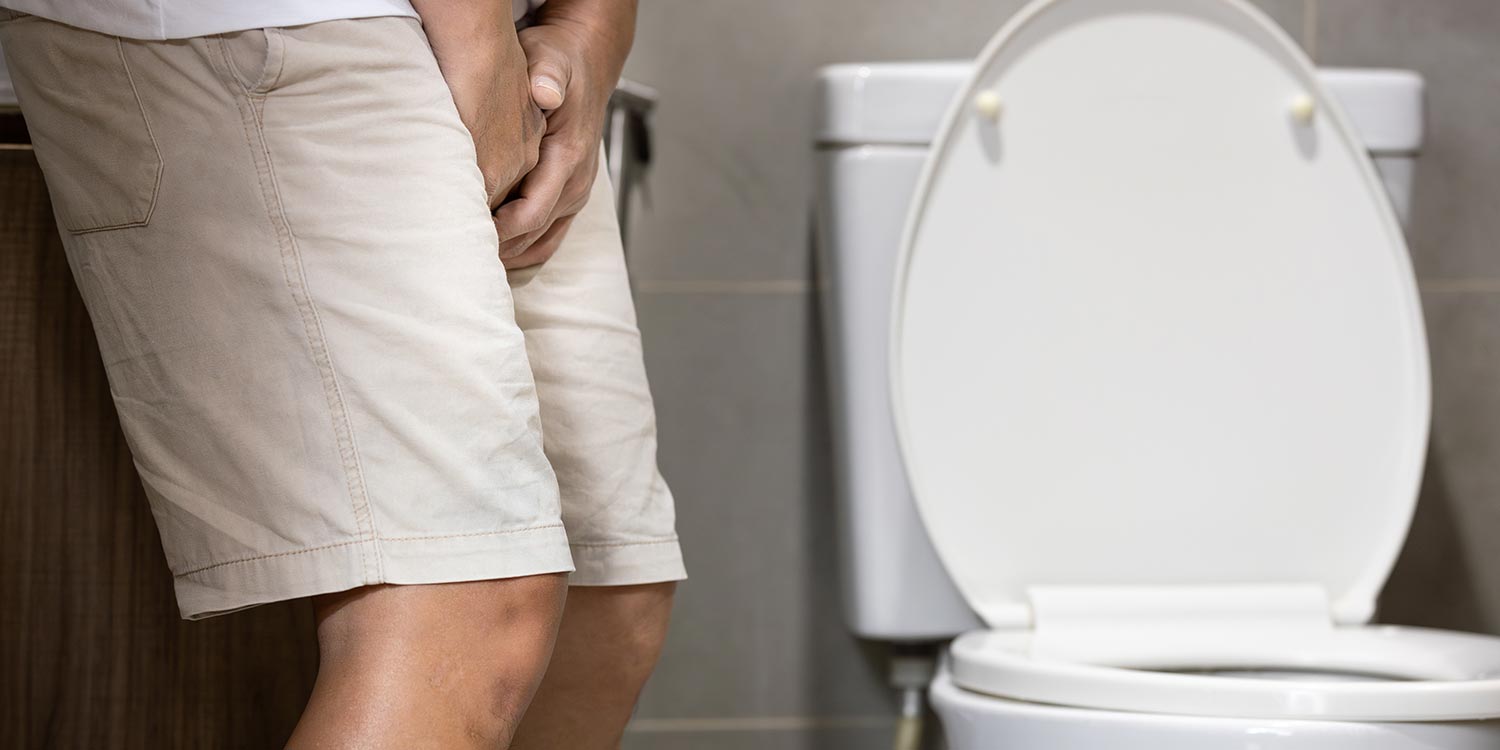
Sudden, severe scrotal pain can be alarming and may indicate a condition that requires immediate medical attention. Delays in treatment can increase the risk of complications, making early evaluation and prompt care essential for preserving testicular health.
At Graphic Era Hospital in Dehradun, such emergencies are managed with a time-sensitive and structured approach. The focus remains on rapid assessment, accurate diagnosis, and timely surgical intervention to restore blood flow and prevent long-term damage, ensuring patients receive the care they need without delay.
What is Testicular Torsion?
Testicular torsion, often referred to as a twisted testicle, occurs when the spermatic cord, which supplies blood to the testicle, becomes twisted and restricts or completely cuts off blood flow. This interruption can quickly damage the testicular tissue, making it a medical emergency that requires immediate treatment.

The condition can affect males at any age but is most commonly seen in adolescents and young adults. It often develops suddenly, without warning, and may occur during physical activity, sleep, or even minor movement. In some cases, individuals may have an underlying anatomical variation that makes the testicle more prone to twisting.
Rather than being a condition that can resolve on its own, testicular torsion requires urgent surgical intervention to untwist the cord and restore blood supply. The outcome largely depends on how quickly treatment is provided, with early intervention significantly improving the chances of saving the testicle.
Types of Testicular Torsion
Testicular torsion may present in different ways depending on how and when the twisting occurs. Understanding these variations helps guide timely diagnosis and appropriate treatment.
- Intravaginal Torsion - This is the most common type and typically affects adolescents and young adults. It occurs when the testicle twists within the tunica vaginalis, often due to a congenital condition known as the “bell clapper deformity”, where the testicle is more mobile than usual. This increased mobility makes it more prone to sudden twisting.
- Extravaginal Torsion - Seen mainly in newborns, this type occurs outside the tunica vaginalis and is often present at or shortly after birth. It develops due to incomplete attachment of the testicle within the scrotum, allowing the entire structure to rotate. Early recognition is important, although the approach to treatment may differ in neonates.
- Intermittent Testicular Torsion - In some cases, the spermatic cord may twist and then untwist on its own, leading to episodes of sudden testicular pain that resolve without intervention. Although symptoms may improve temporarily, this condition carries a risk of complete torsion in the future and usually requires preventive surgical fixation. Also, these episodes may sometimes be mistaken for other reasons for testicular pain, which is why proper evaluation is important.
Each type varies in presentation, but all forms require careful evaluation to prevent recurrence and protect long-term testicular function.
Symptoms of Testicular Torsion and When to See a Doctor
Testicular torsion usually presents with sudden and severe symptoms that can progress quickly. The intensity and onset often make it different from other causes of scrotal pain, which is why recognising the warning signs early is important. Common testicular torsion symptoms often overlap with other causes of testicular pain, but the sudden onset and severity are key distinguishing features.
Common symptoms include:
Sudden, Severe Scrotal Pain - Pain typically begins abruptly, often affecting one side of the scrotum. It may occur during activity, rest, or even sleep, and tends to worsen rapidly. Sudden testicular pain, especially on one side such as right testicular pain, should never be ignored.
- Scrotal Swelling and Tenderness - The affected side may become swollen, firm, and extremely sensitive to touch. The skin may also appear red or darker than usual.
- Abdominal or Groin Pain - Some individuals, especially younger boys, may initially complain of lower abdominal or groin pain rather than scrotal discomfort, which can delay recognition.
- Nausea and Vomiting - These symptoms commonly accompany severe pain and may be one of the early signs in acute cases.
- High-Riding or Abnormally Positioned Testicle - The affected testicle may appear elevated or lie at an unusual angle compared to the other side.
When to Seek Medical Attention
Testicular torsion is a medical emergency. Immediate evaluation is required if any of the following occur:
- Sudden onset of severe testicular or scrotal pain
- Swelling or redness of the scrotum
- Pain associated with nausea or vomiting
- A testicle that appears higher or differently positioned
- Recurrent episodes of similar pain, even if they resolve on their own
While not all scrotal pain causes are due to torsion, it is important to seek urgent care to rule out serious conditions. Also, early treatment, ideally within a few hours of symptom onset, significantly improves the chances of saving the testicle and preventing long-term complications.
What Causes Testicular Torsion?
Testicular torsion occurs when the testicle is able to rotate freely within the scrotum, allowing the spermatic cord to twist and block blood flow. This usually happens due to underlying structural or situational factors rather than a single identifiable cause. Understanding testicular torsion causes can help identify individuals who may be at higher risk and require early evaluation.
- Congenital Anatomical Variation (Bell Clapper Deformity) - In many individuals, the testicle is not firmly attached within the scrotum, allowing it to move more freely. This increases the risk of twisting, particularly during sudden movements or changes in position.
- Rapid Growth During Puberty - Adolescence is a common time for testicular torsion, as rapid growth may alter the way the testicles are positioned within the scrotum, making them more prone to rotation.
- Sudden Movements or Physical Activity - Activities involving quick movements, minor trauma, or even routine actions can sometimes trigger torsion in those who are already at risk.
- Sleep or Rest - Torsion can occur without any obvious trigger and may develop during sleep, which often leads to sudden awakening with severe pain.
- Previous Episodes of Intermittent Torsion - Individuals who have experienced episodes of pain that resolved on their own may have had partial twisting that corrected spontaneously. These cases carry a higher risk of a complete torsion in the future.
- Family History - A family history of testicular torsion or similar anatomical variations may increase susceptibility, suggesting a possible inherited predisposition.
- Cold Temperature Exposure - In some cases, exposure to cold may cause contraction of the cremaster muscle, which can contribute to twisting in individuals with underlying risk factors.
While these are specific causes of torsion, it is important to note that not all reasons for testicular pain are related to torsion, and proper diagnosis is essential.
Doctors Available


Why Choose Graphic Era Hospital, Dehradun, for Testicular Torsion Treatment

Rapid Emergency Response with Minimal Delays : Testicular torsion requires immediate attention, and the care pathway is designed to reduce time at every stage, from initial assessment to surgical intervention. Patients are prioritised as emergencies, ensuring that evaluation, diagnosis, and decision-making happen swiftly to maximise the chances of saving the testicle. With access to dedicated emergency care and rapid triage, patients presenting with sudden testicular pain receive timely attention without unnecessary waiting.

Experienced Urologists Managing Acute Cases : Care is led by skilled urologists who are well-versed in handling scrotal emergencies and making quick clinical decisions. Their experience allows for accurate assessment even in time-critical situations, ensuring that patients receive appropriate surgical management without unnecessary delays or uncertainty.

End-to-End Care with Surgical and Post-Operative Support : From emergency admission to surgery and recovery, patients receive continuous and coordinated care under one roof. The focus extends beyond immediate treatment to include monitoring, pain management, and guidance on recovery, helping reduce the risk of complications and supporting overall well-being.
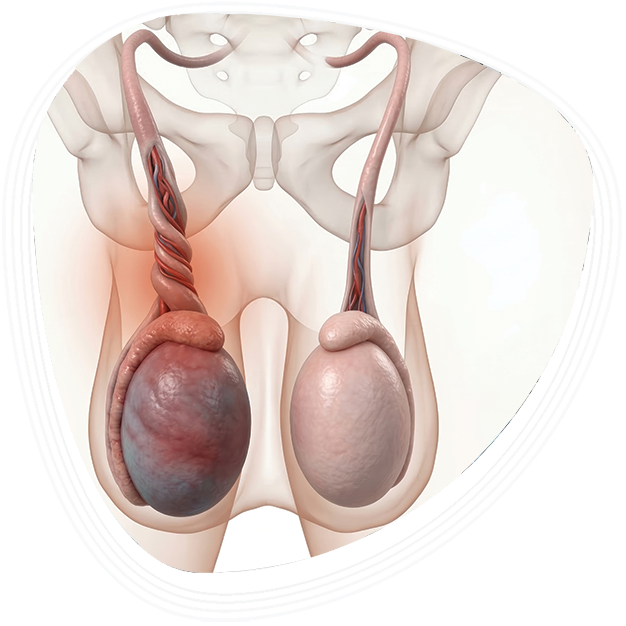
Testicular Torsion Care at Graphic Era Hospital: From Diagnosis to Treatment
Diagnostic Approach
Timely diagnosis is critical in testicular torsion, as delays can directly impact outcomes. At Graphic Era Hospital, Dehradun, evaluation is carried out rapidly, with the priority being to confirm the condition and proceed to treatment without unnecessary waiting.
- Clinical Assessment: A detailed history of sudden pain, its onset, and associated symptoms such as nausea or vomiting is taken. Physical examination focuses on identifying signs such as tenderness, swelling, and abnormal positioning of the testicle.
- Scrotal Ultrasound with Doppler: This imaging test helps assess blood flow to the testicles and can support the diagnosis when the presentation is unclear. However, if clinical suspicion is high, surgery is not delayed for imaging.
- Differential Diagnosis: Other causes of acute scrotal pain, such as infections or epididymitis, are considered and ruled out where possible, ensuring that urgent cases are identified correctly.
Treatment Approach
Testicular torsion is treated as a surgical emergency, and the primary goal is to restore blood flow as quickly as possible to prevent permanent damage.
- Emergency Surgical Detorsion: Surgery is performed to untwist the spermatic cord and restore circulation to the affected testicle. The viability of the testicle is assessed during the procedure.
- Orchiopexy (Fixation of Testicles): Once blood flow is restored, both testicles are usually fixed in place to prevent future episodes, even if only one side was affected.
- Orchiectomy (if Required): If the testicle has lost its blood supply for too long and is no longer viable, it may need to be removed. This decision is made carefully during surgery, based on the condition of the tissue.
- Post-Operative Care and Recovery: After surgery, patients are monitored for recovery, pain is managed, and guidance is provided on activity restrictions and follow-up care to ensure proper healing.
This structured and time-sensitive approach helps ensure that patients receive prompt, effective treatment aimed at preserving function and reducing long-term complications.
Testicular Torsion in Children and Adolescents
Testicular torsion is most commonly seen in children and adolescents, particularly during the early teenage years. The condition often develops suddenly and can be distressing for both the child and their family, making prompt recognition and immediate medical attention especially important.
- Sudden Onset and Atypical Presentation: Younger children may not always clearly describe scrotal pain and may instead complain of abdominal discomfort, nausea, or general uneasiness. This can sometimes delay recognition, which is why any unexplained, severe pain in this age group should be evaluated carefully.
- Higher Risk During Puberty: Rapid growth and developmental changes during puberty can increase the likelihood of torsion, particularly in those with underlying anatomical factors. Awareness during this stage helps ensure early identification and timely care.
- Need for Urgent Evaluation: In children and adolescents, delays can quickly affect testicular viability. Immediate medical assessment is essential if there is sudden pain, swelling, or associated symptoms such as vomiting.
- Parental Awareness and Early Action: Parents and caregivers play a key role in recognising warning signs and seeking prompt care. Symptoms such as persistent pain, swelling, or behavioural changes should not be ignored, even if they appear to improve temporarily.
- Favourable Outcomes with Early Treatment: When treated within a few hours of symptom onset, the chances of saving the testicle are significantly higher. Early intervention not only preserves function but also reduces the risk of long-term complications.
This age-specific approach highlights the importance of awareness, timely evaluation, and prompt treatment in ensuring the best possible outcomes.
Top Testicular Torsion Investigations and Treatments
- Emergency Clinical Evaluation
- Scrotal Ultrasound with Doppler
- Emergency Surgical Detorsion
- Orchiopexy (Bilateral Fixation)
- Orchiectomy (if Required)
- Post-Operative Monitoring and Follow-Up
Advanced Diagnostics & Technology
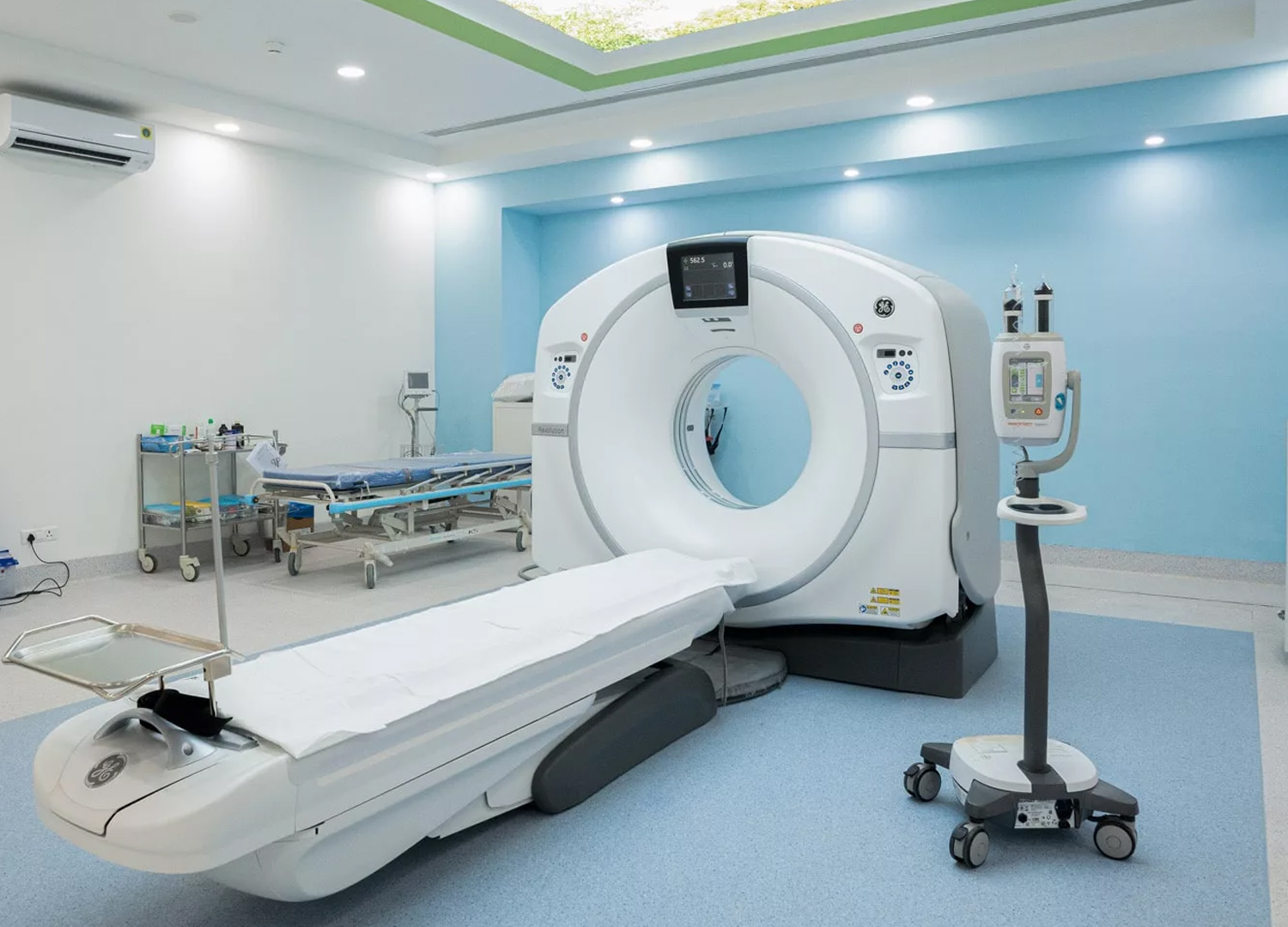
- Offers high-resolution imaging for detailed blood vessel analysis, aiding in accurate diagnosis and treatment planning.
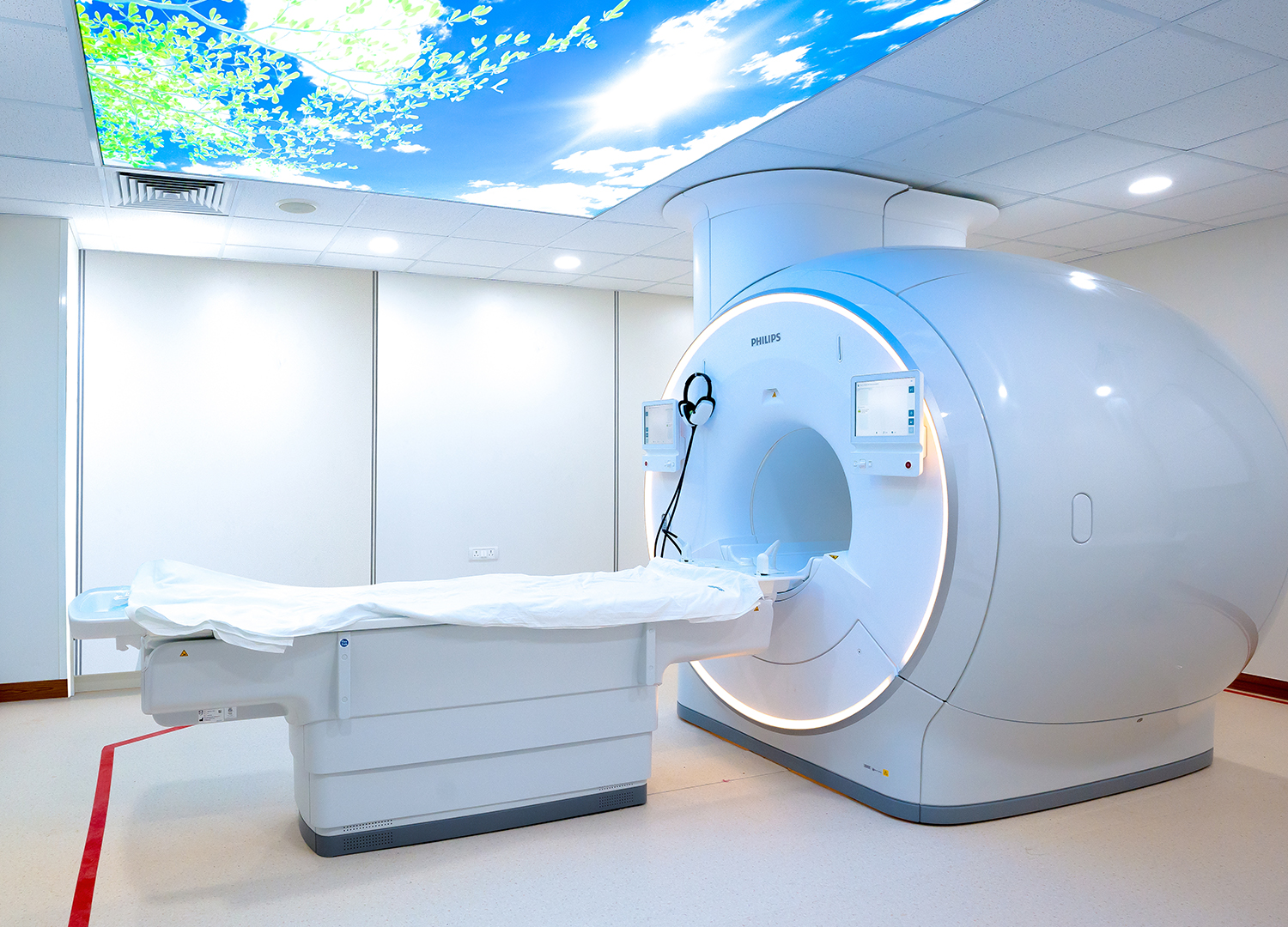
- Delivers advanced imaging with high resolution for clear, detailed views of soft tissues, ensuring precise diagnostics.
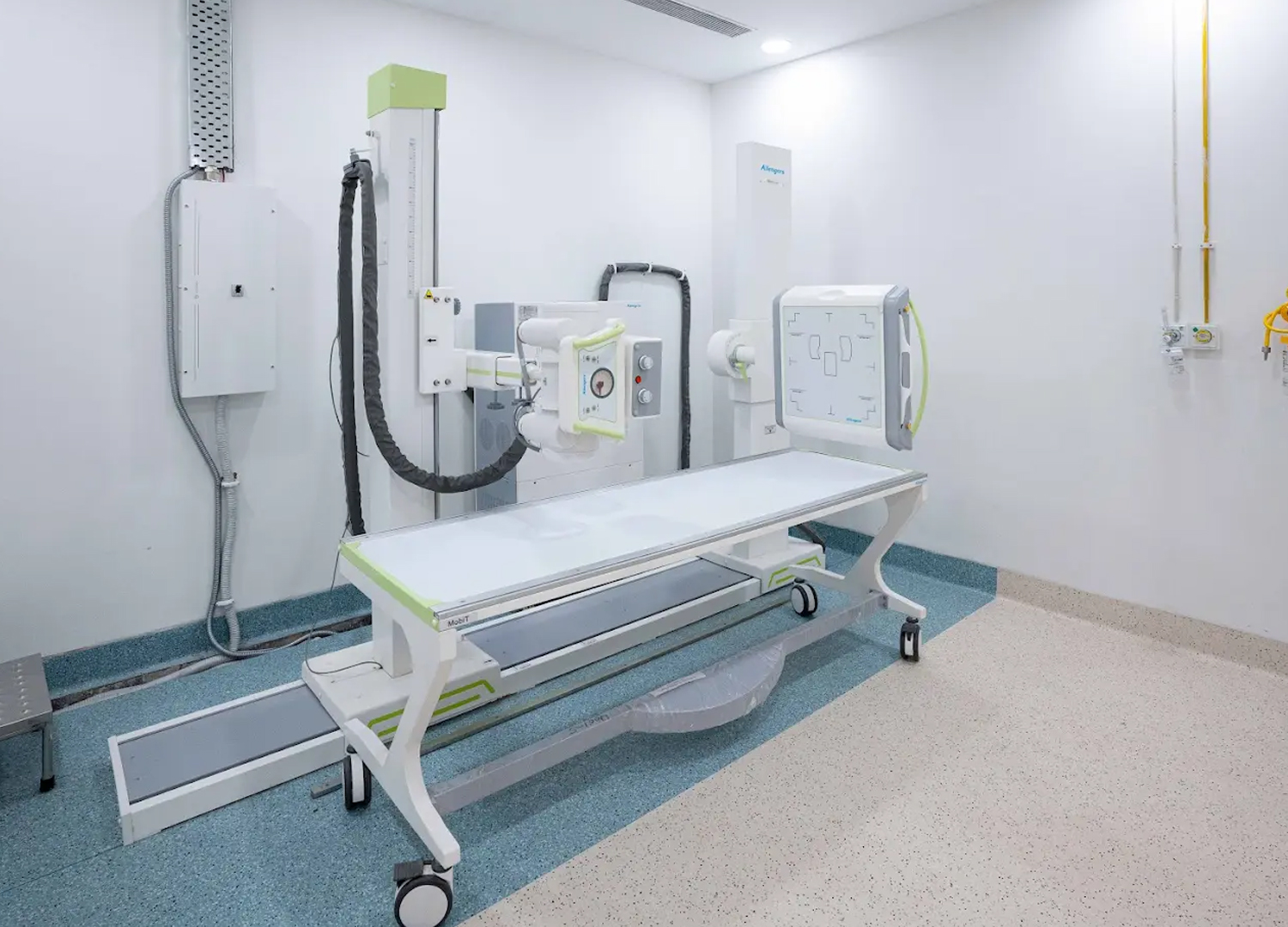
- Provides high-quality, detailed radiographic images for accurate diagnosis with minimal exposure to radiation.
Other Specialities


Patient Stories





Blog



Frequently Asked Questions (FAQs)
How quickly should surgery be done in testicular torsion?
Surgery is ideally performed within 4 to 6 hours of symptom onset for the best chances of saving the testicle. Delays beyond this window can increase the risk of permanent damage, although treatment is still attempted even if more time has passed.
Can testicular torsion affect fertility?
If treated promptly, most individuals maintain normal fertility. However, delayed treatment or loss of a testicle may have an impact, particularly if the other testicle is not functioning optimally.
Will having one testicle affect normal life?
In most cases, individuals with one healthy testicle continue to have normal hormone levels, sexual function, and fertility. The remaining testicle usually compensates effectively.
Is the surgery for testicular torsion safe?
The procedure is generally considered safe and is commonly performed as an emergency surgery. As with any operation, there are risks, but complications are relatively uncommon when managed by experienced specialists.
How long does recovery take after surgery?
Most patients recover within a few weeks. Light activities can usually be resumed earlier, while strenuous exercise and sports may need to be avoided for a longer period as advised by the doctor. The testicular torsion surgery recovery time may vary depending on the severity and timing of treatment.
Can testicular torsion happen again after treatment?
The risk of recurrence is very low after surgical fixation, as both testicles are typically secured in place during the procedure to prevent future twisting.
Are there any long-term complications to watch for?
Most individuals recover well without long-term issues. In some cases, there may be reduced size of the affected testicle or mild discomfort, which can be monitored during follow-up visits.
Is all testicular pain a sign of torsion?
No, not all cases of testicular pain are due to torsion. There are several reasons for testicular pain, including infections, injury, or other scrotal conditions, which is why proper medical evaluation is important.
How is testicular torsion diagnosed in an emergency?
Diagnosis is primarily based on clinical evaluation and symptoms. A testicular torsion diagnosis may be supported by imaging such as a testicular torsion ultrasound, but treatment is not delayed if suspicion is high.
How do I book an appointment at Graphic Era Hospital?
You can book an appointment through the hospital’s website, call 1800-889-7351, or visit the outpatient department for assistance with scheduling a consultation.