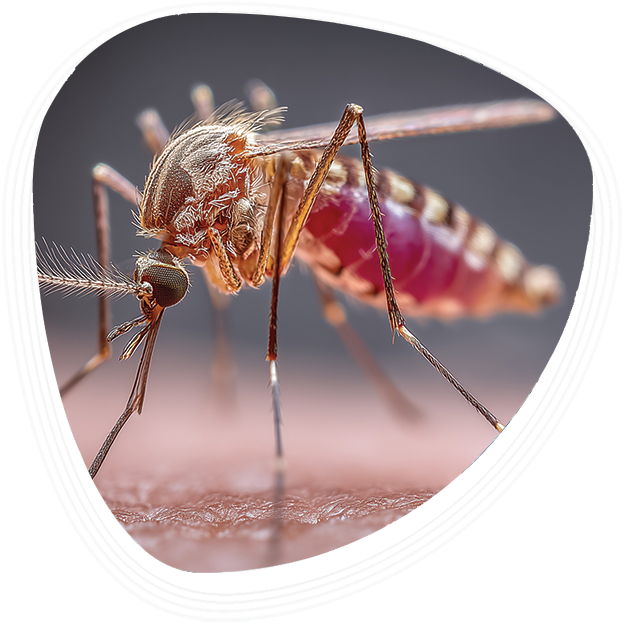
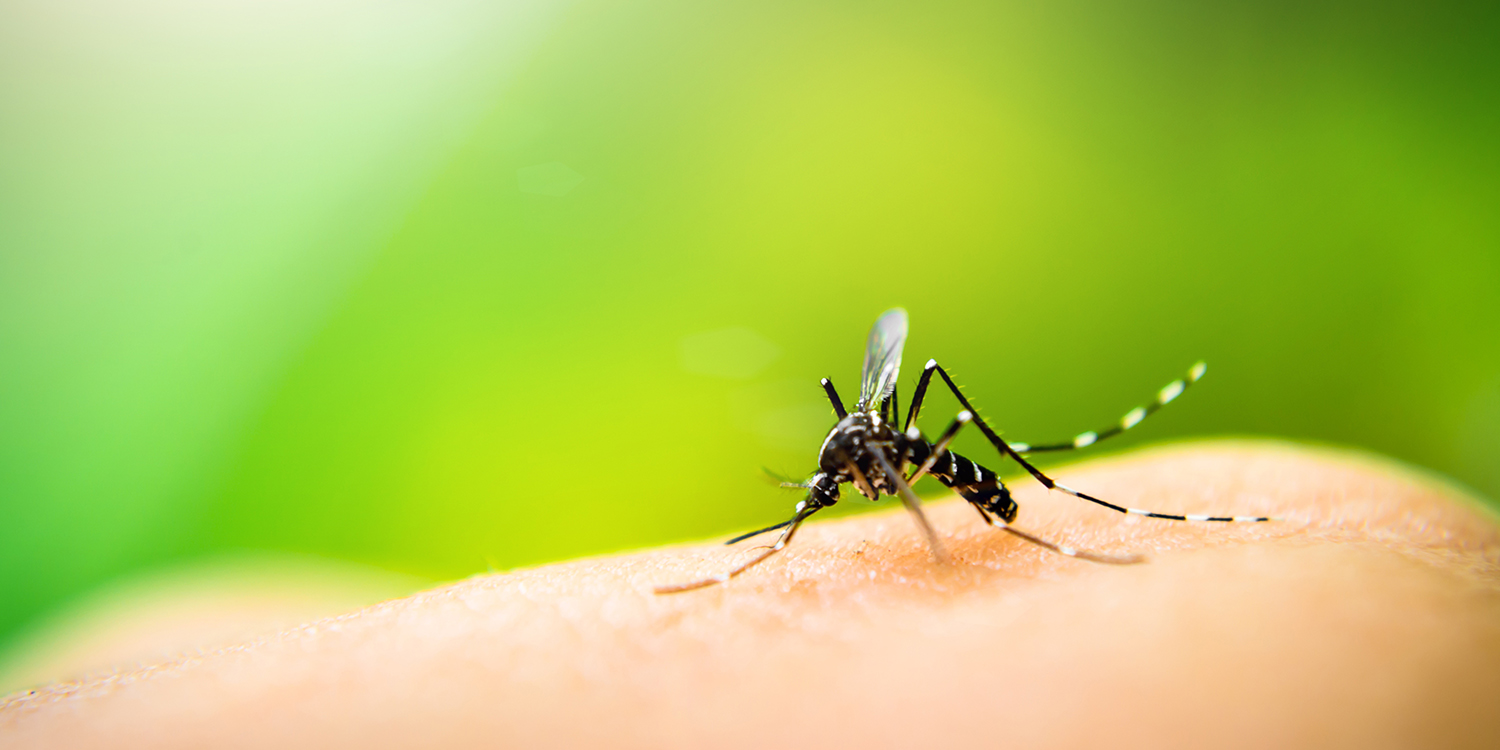
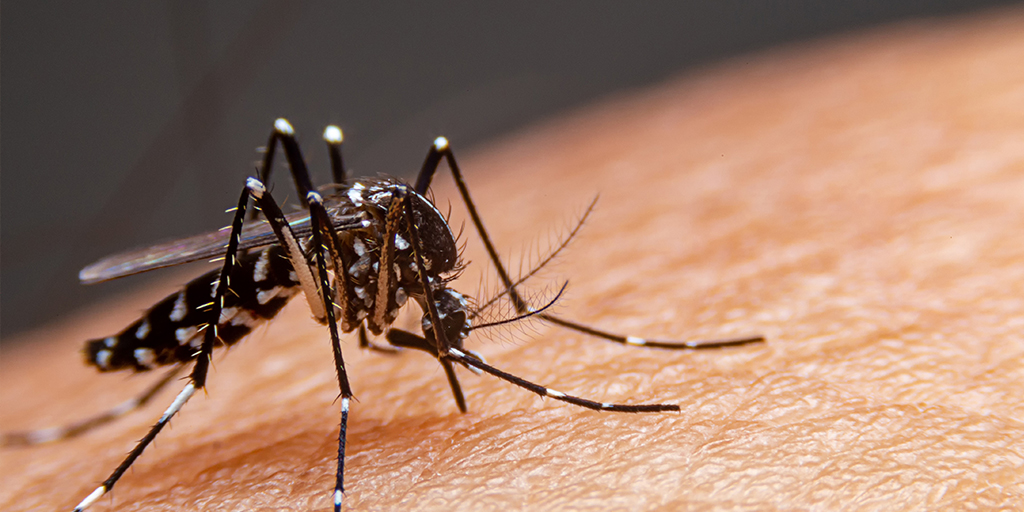
Malaria is a mosquito-borne infectious disease caused by Plasmodium parasites, transmitted through the bite of infected female Anopheles mosquitoes. While it is a preventable and treatable condition, delayed diagnosis or inadequate treatment can lead to serious complications, particularly in vulnerable populations such as children, pregnant women, and individuals with weakened immunity.
At Graphic Era Hospital, Dehradun, malaria treatment is guided by accurate diagnosis, parasite identification, and evidence-based medical protocols. Our physicians, infectious disease specialists, and critical care teams work in coordination to ensure timely intervention, effective parasite clearance, and prevention of complications. With access to advanced diagnostic facilities and round-the-clock care, the hospital focuses on delivering safe, prompt, and patient-centred treatment.
When is Malaria Treatment Recommended?
Doctors Available




Why Choose Graphic Era Hospital for Malaria Treatment?
When it comes to malaria treatment, timely care and clinical expertise can make a critical difference. Graphic Era Hospital, Dehradun, is recognised as one of the most trusted centres for the diagnosis and management of malaria. Here’s why patients and their families choose us.

Specialised Clinical Expertise : Our team of physicians and infectious disease specialists brings extensive experience in managing both uncomplicated and severe malaria. From early diagnosis to advanced care, treatment plans are guided by established national and international protocols, ensuring that patients receive appropriate, evidence-based care at every stage of the condition.

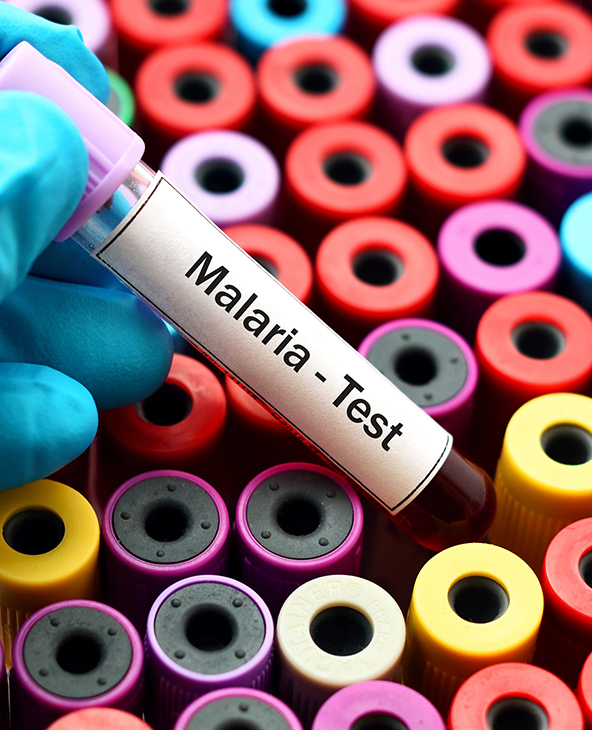
Advanced Diagnostic Capabilities : Effective malaria treatment begins with accurate and timely diagnosis. Our diagnostic facilities include peripheral smear microscopy, rapid antigen testing, and comprehensive blood investigations, allowing precise identification of the parasite species and disease severity. This enables targeted treatment decisions and reduces the risk of complications.

24/7 Emergency and Critical Care Support : Malaria can progress rapidly in severe cases, requiring immediate medical attention. Our emergency and intensive care units are equipped to provide round-the-clock monitoring, intravenous therapies, and organ support when needed. This ensures that patients with complications receive prompt and continuous care in a controlled clinical setting.
Malaria Diagnosis & Monitoring at Graphic Era Hospital
Effective malaria management begins with accurate and timely diagnosis, followed by continuous monitoring to assess treatment response and detect complications early. At Graphic Era Hospital, Dehradun, a structured diagnostic approach supported by advanced laboratory facilities ensures precise identification of the infection and close tracking of recovery.
The diagnostic pathway includes:
- Peripheral Blood Smear Examination: This is considered the gold standard for malaria diagnosis. A microscopic examination of the blood helps detect the presence of malaria parasites and accurately identify the specific Plasmodium species, which is essential for selecting the most appropriate treatment.
- Rapid Diagnostic Tests (RDTs): RDTs provide quick detection of malaria antigens in the blood, allowing for early diagnosis, especially in emergency situations. These tests are particularly useful when immediate treatment decisions are required.
- Complete Blood Count (CBC): A CBC helps assess key parameters such as haemoglobin levels and platelet count. It plays an important role in identifying anaemia and thrombocytopenia, which are commonly associated with malaria.
- Liver and Kidney Function Tests: These tests evaluate how well the liver and kidneys are functioning. Since malaria can affect multiple organs, monitoring these parameters helps detect early signs of organ involvement or complications.
- Electrolyte Monitoring: Electrolyte levels are closely monitored, especially in moderate to severe cases. Imbalances can occur due to infection or dehydration and may require timely correction to maintain overall stability.
- Repeat Blood Tests: Follow-up blood tests are conducted after initiating treatment to confirm parasite clearance and ensure that the infection has been effectively treated, reducing the risk of relapse or complications.
Malaria Recovery & Follow-Up Care
Recovery from malaria requires continued monitoring even after symptoms improve, as incomplete treatment or relapse can occur in certain cases.
Post-treatment care includes:
- Symptom Monitoring: Ensuring complete resolution of fever and associated symptoms
- Follow-Up Blood Tests: To confirm parasite clearance
- Medication Compliance Review: Ensuring the full treatment course is completed
- Nutritional Support: To aid recovery from weakness and anaemia
- Hydration Management: Maintaining adequate fluid intake
- Monitoring for Relapse: Especially in P. vivax infections
- Patient Education: Guidance on preventing mosquito bites and future infections
Top Malaria Treatment Services at Graphic Era Hospital
- Artemisinin-based combination therapy (ACT)
- Oral and intravenous antimalarial treatment
- Management of severe malaria complications
- Diagnostic testing including smear and rapid tests
- Supportive care and hospital-based monitoring
- Post-treatment follow-up and relapse prevention
Internal Medicine Conditions Treated at Graphic Era Hospital
At Graphic Era Hospital, our Department of General Medicine specializes in diagnosing and managing a wide range of acute and chronic medical conditions. Our expert general physicians provide evidence-based treatments and preventive healthcare solutions to ensure overall well-being.
Advanced Diagnostics & Technology
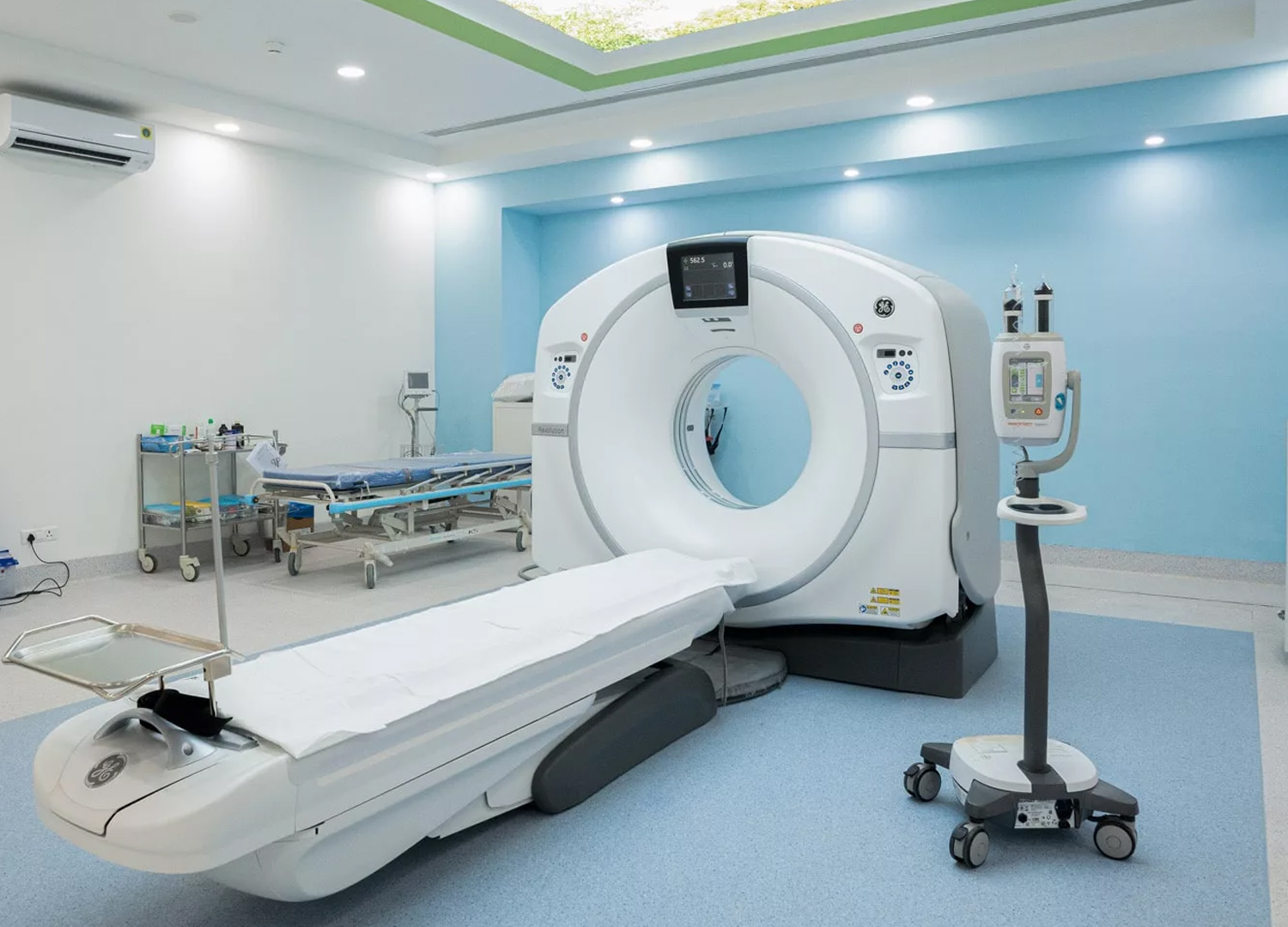
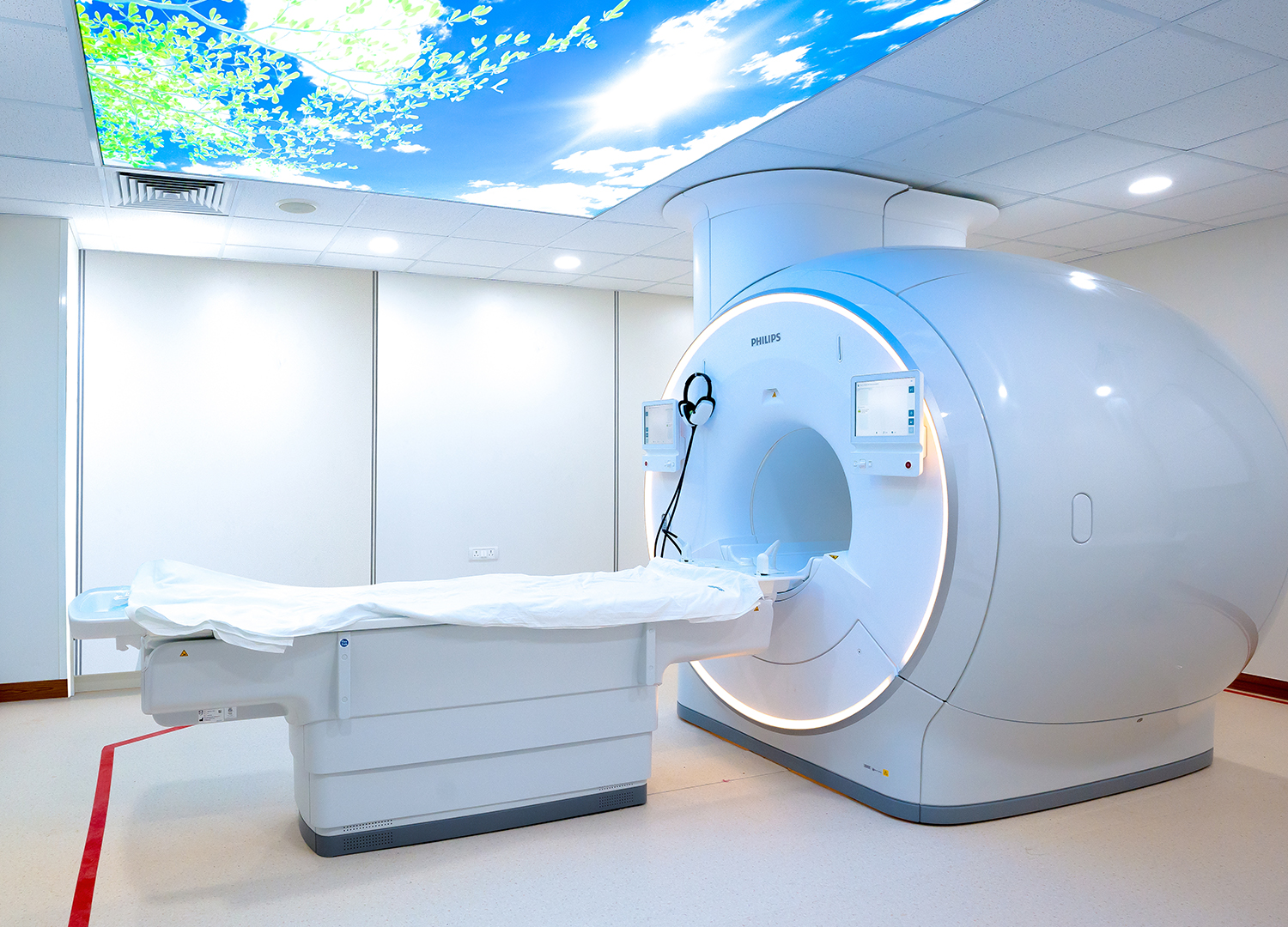
- Offers high-resolution imaging for detailed blood vessel analysis, aiding in accurate diagnosis and treatment planning.
- Delivers advanced imaging with high resolution for clear, detailed views of soft tissues, ensuring precise diagnostics.
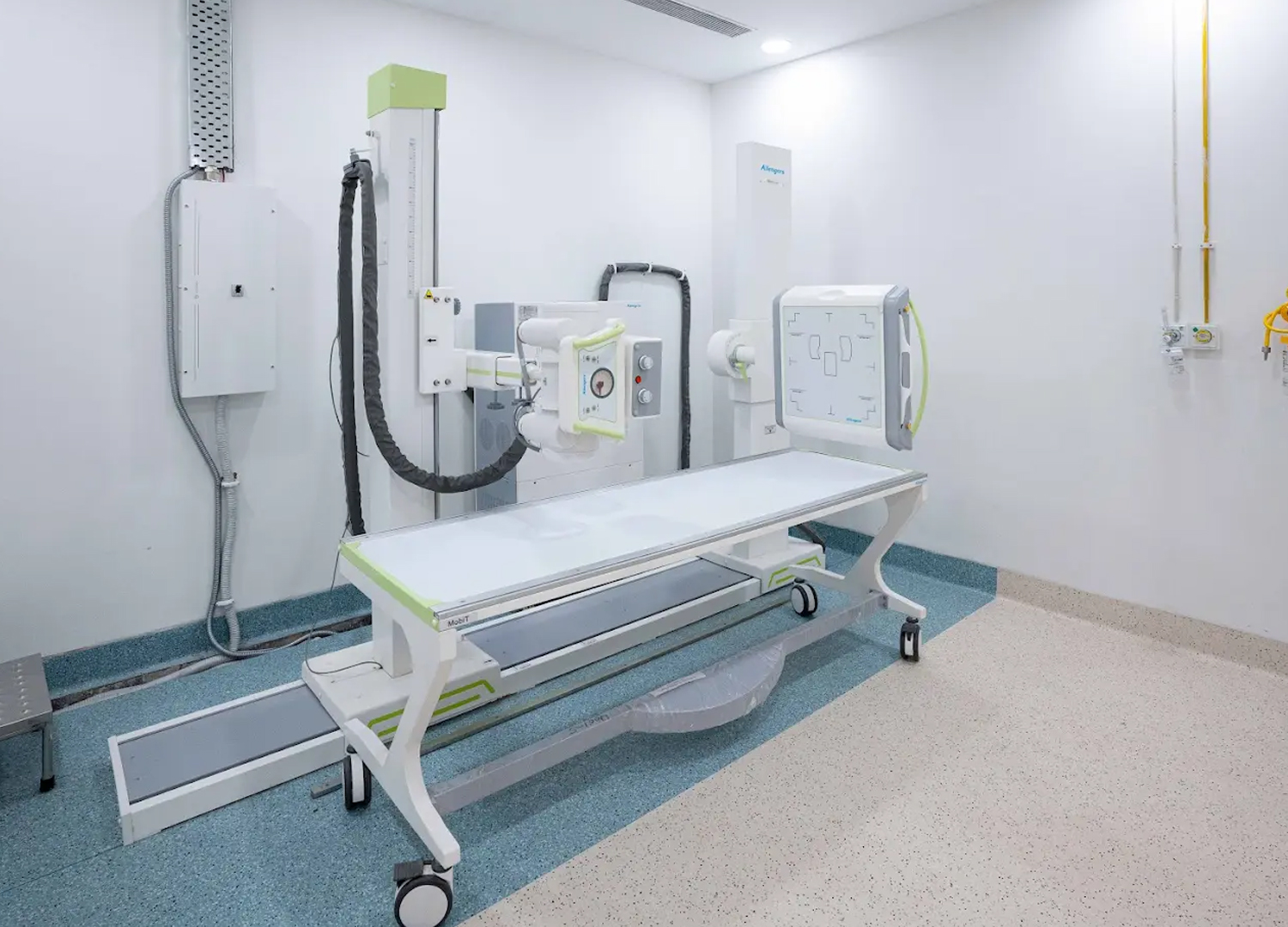
- Provides high-quality, detailed radiographic images for accurate diagnosis with minimal exposure to radiation.
Other Specialities


Patient Stories





Blog




Frequently Asked Questions (FAQs)
What are the causes of malaria?
Malaria is caused by Plasmodium parasites that enter the bloodstream through the bite of an infected female Anopheles mosquito. Once inside the body, the parasites multiply in the liver and infect red blood cells, leading to symptoms such as fever, chills, and fatigue.
What are the risk factors of malaria?
The risk of malaria increases when individuals live in or travel to malaria-prone areas, especially in tropical and subtropical regions. Other risk factors include weakened immunity, pregnancy, young age (children), and lack of preventive measures such as mosquito protection.
Is malaria contagious from person to person?
No, malaria is not contagious and does not spread through casual contact. It is transmitted through the bite of an infected mosquito. However, in rare cases, it can spread through blood transfusion, organ transplant, or from mother to child during pregnancy.
What tablets or medications are used for malaria treatment?
Malaria treatment typically involves antimalarial medications, which may include artemisinin-based combination therapies (ACTs), chloroquine (in specific cases), and primaquine for certain types of malaria. The choice of medication depends on the type of parasite, severity of the infection, and patient-specific factors.
Is there a vaccine available for malaria?
Malaria vaccines have been developed and are being introduced in certain high-risk regions, primarily for children. However, vaccination is not yet widely available or used as a standalone preventive measure. Protective steps such as mosquito control and early treatment remain essential.
When should you consult malaria doctors?
You should consult a doctor if you experience symptoms such as high fever, chills, sweating, headache, or fatigue, especially after travelling to or living in a malaria-prone area. Early consultation helps in timely diagnosis and effective treatment, reducing the risk of complications.
Can malaria be prevented effectively?
Yes, malaria prevention includes using mosquito repellents, sleeping under insecticide-treated bed nets, wearing protective clothing, and avoiding areas with stagnant water. In high-risk regions, preventive medications may also be recommended in certain cases.
How do I know if I have malaria or just a viral fever?
Malaria often presents with cyclical fever, chills, and sweating, but symptoms can overlap with viral infections. A blood test is essential for confirmation.
Is malaria completely curable?
Yes, malaria is curable when diagnosed early and treated with the appropriate medications.
Can malaria become serious if untreated?
Yes. Untreated malaria, especially P. falciparum, can lead to severe complications affecting the brain, kidneys, and other organs.
How long does it take to recover from malaria?
Most patients begin to improve within a few days of treatment, but full recovery may take one to two weeks depending on severity.
Can malaria come back after treatment?
Certain types, such as P. vivax, can relapse due to dormant liver stages, which is why additional medication may be required.
Is hospitalisation always required for malaria?
No. Mild cases can be treated at home with oral medication, while severe cases require hospital care.
Can malaria be prevented?
Yes. Preventive measures include using mosquito repellents, sleeping under nets, and avoiding stagnant water where mosquitoes breed.