Sciatica pain can make everyday activities such as sitting, walking, sleeping, or working uncomfortable and frustrating. When nerve pain begins to interfere with routine life, timely and appropriate treatment becomes essential. At Graphic Era Hospital, orthopaedic surgeons focus on understanding how sciatica is affecting each individual and identifying the exact cause of nerve irritation. Treatment is planned to relieve pain, improve movement, and help individuals return to daily activities. Through accurate diagnosis, evidence-based medical care, and guided physiotherapy, the goal is to support steady recovery and long-term relief rather than short-term symptom control.
Understanding Sciatica and When to Seek Medical Care
Sciatica occurs when the sciatic nerve, the longest nerve in the body, running from the lower back through the hips and down each leg, becomes irritated or compressed. This pressure may result from a slipped disc, age-related spinal changes, prolonged sitting due to desk-based work, tight or strained muscles, or narrowing of the spinal canal. In women, factors such as age-related bone density loss, post-menopausal changes, and degenerative spinal conditions may further increase the risk of nerve compression. Early medical evaluation is important to prevent prolonged nerve irritation and functional limitation. Common signs that indicate the need for medical care include:
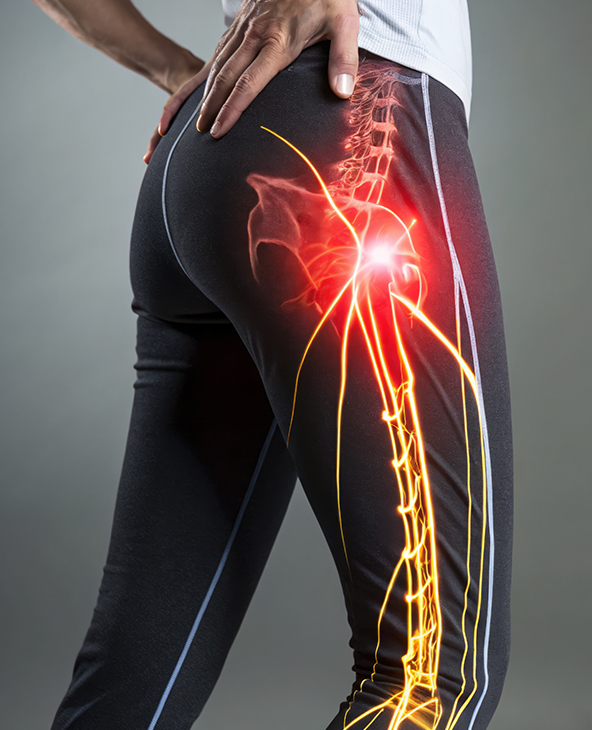
- Sharp or burning pain radiating from the lower back to the leg
- Pain that worsens with sitting, bending, or prolonged standing
- Tingling, numbness, or weakness in the leg or foot
- Pain on one side of the lower back or buttock
- Difficulty walking or maintaining balance due to nerve pain
- Worsening symptoms despite rest or basic pain relief
- Sciatica pain associated with back injury
- Recurrent episodes of nerve pain in the leg
How is Sciatica Diagnosed at Graphic Era Hospital?
Accurate diagnosis is important to understand what is pressing on the sciatic nerve and causing pain. Since sciatica symptoms can resemble other spine or nerve conditions, a detailed assessment helps ensure the right treatment approach. At Graphic Era Hospital, orthopaedic surgeons use a combination of physical evaluation and advanced imaging to assess nerve involvement and overall spinal health. The diagnostic process typically includes:
- Clinical Examination: The orthopaedic surgeon checks posture, spine movement, leg mobility, reflexes, and pain patterns to understand how the nerve is affected.
- Neurological Assessment: Sensation, muscle strength, and nerve response in the legs and feet are evaluated to detect nerve irritation or weakness.
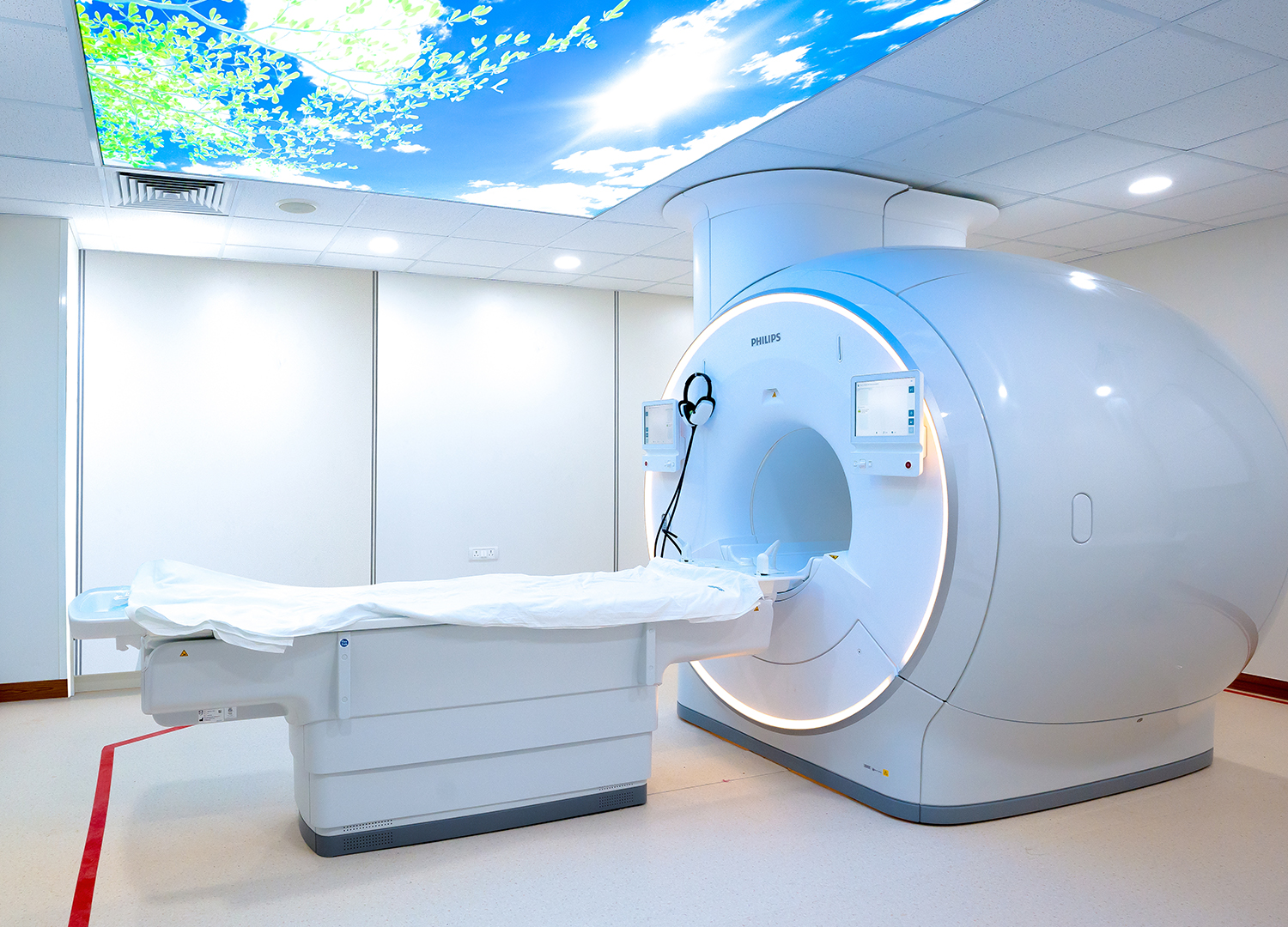
- MRI Scan: MRI provides detailed images of the spine to identify slipped discs, nerve compression, spinal degeneration, or soft tissue issues.
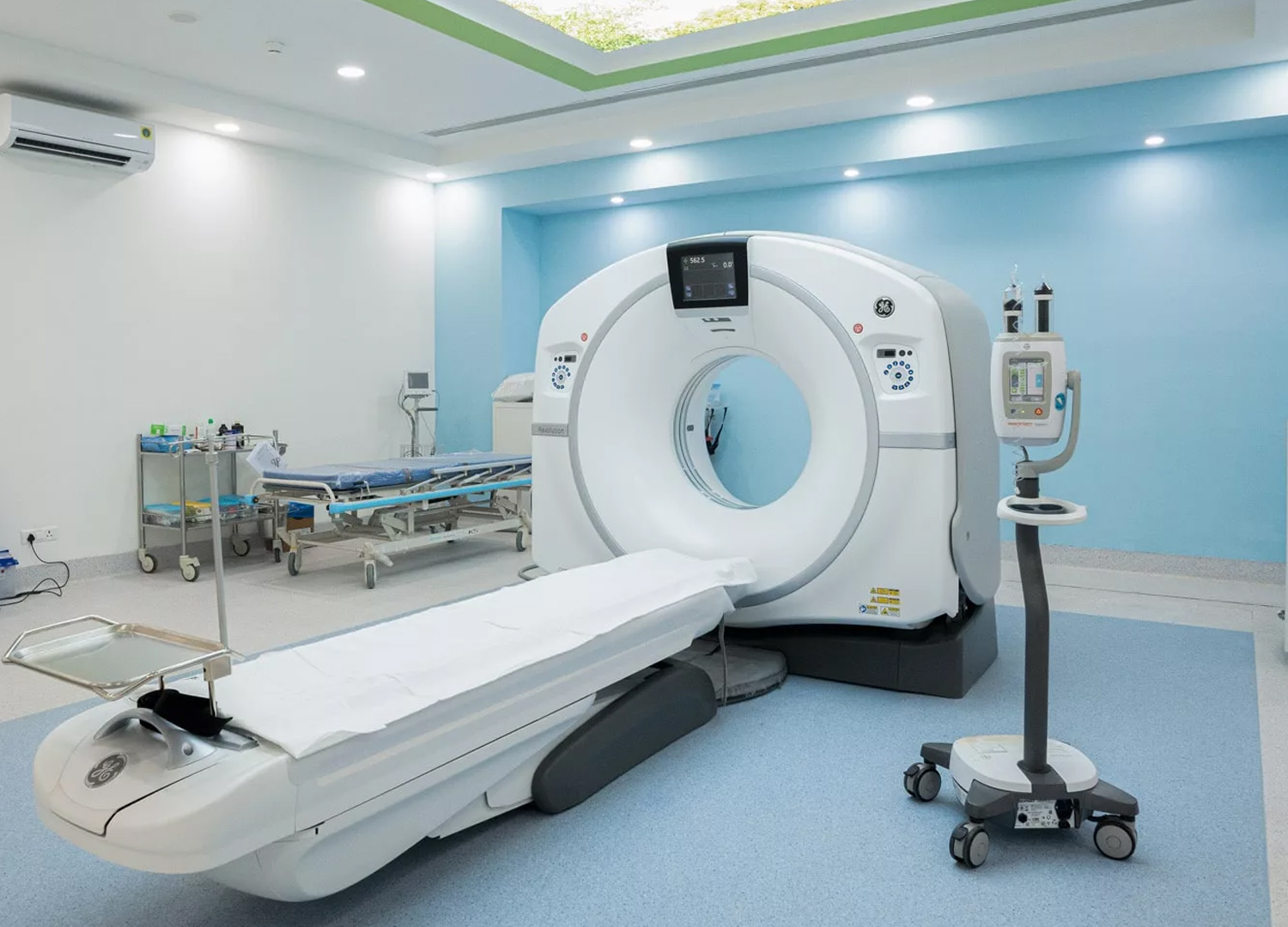
- CT Scan (when required): CT imaging helps assess bone-related causes of nerve pressure, especially if MRI is not suitable.
- Posture and Gait Analysis: Walking pattern and body alignment are assessed to identify mechanical strain contributing to sciatic nerve pain.
- Evaluation for Related Spine Conditions: Conditions such as lumbar disc disease or spinal stenosis are assessed to rule out contributing factors.
Sciatica Treatment Options at Graphic Era Hospital
Sciatica treatment aims to relieve pressure on the sciatic nerve, reduce inflammation, ease pain, and restore comfortable movement. The treatment approach depends on how severe the symptoms are, what is causing the nerve irritation, and how the body responds to initial care. At Graphic Era Hospital, orthopaedic surgeons follow a step-by-step approach to ensure safe and effective recovery. Here’s how sciatica is treated at Graphic Era Hospital:
- Medication Therapy: Pain relievers, anti-inflammatory medicines, and muscle relaxants are used to reduce nerve irritation, control inflammation, and ease discomfort during the recovery phase.
- Physiotherapy and Rehabilitation: Guided physiotherapy focuses on stretching tight muscles, strengthening the back and core, and correcting posture to reduce pressure on the sciatic nerve.
- Sciatica-Specific Exercises: Specially designed exercises improve flexibility of the lower back, hips, and legs, helping the nerve heal and lowering the risk of future flare-ups.
- Heat and Cold Therapy: Cold packs help reduce swelling and inflammation, while heat therapy relaxes tight muscles that may be pressing on the nerve.
- Lifestyle and Activity Modification: Advice on posture, lifting techniques, sitting habits, and daily activities helps prevent repeated nerve strain and supports long-term relief.
- Interventional Pain Management (when required): Image-guided injections may be considered for individuals with persistent sciatica pain that does not respond adequately to medication and structured physiotherapy. These procedures aim to reduce nerve inflammation and support symptom relief.
- Surgical Referral (when necessary): Surgical evaluation may be advised in cases of progressive nerve compression associated with significant weakness, sensory loss, or functional impairment, or when symptoms persist despite comprehensive conservative treatment. Assessment is conducted by spine surgeons or neurosurgeons to determine suitability and timing.
Doctors Available

Dr. Noel Sukhjit Singh
Senior Consultant and Head
Orthopaedics
Experience: 16 Years
Book An Appointment







Why Choose Graphic Era Hospital for Sciatica Treatment?
At Graphic Era Hospital, sciatica care focuses on identifying the root cause of nerve pain and providing structured treatment that supports long-term recovery. Each treatment plan is designed to relieve pain, restore mobility, and reduce the risk of recurrence. From accurate diagnosis to guided rehabilitation, care is delivered with a clear focus on function, safety, and sustained improvement. Here’s why people across Uttarakhand trust Graphic Era Hospital for medical care:

Experienced Orthopaedic Surgeons : Orthopaedic surgeons at Graphic Era Hospital have extensive experience in diagnosing and treating spine and nerve-related conditions, including sciatica. Their expertise in assessing spinal alignment, disc pathology, and nerve compression allows them to accurately identify the underlying cause of sciatic pain rather than just managing symptoms. By focusing on precision and appropriateness of treatment, the team helps relieve pain effectively while restoring mobility, function, and long-term spinal health.

Advanced Diagnostic and Rehabilitation Support : The hospital uses modern diagnostic tools such as MRI and CT scans to accurately identify disc-related issues, spinal changes, or nerve involvement. Supervised physiotherapy and rehabilitation programmes focus on targeted exercises, posture correction, and movement training to ensure effective recovery and prevent future flare-ups.

Trusted, Ethical, and Safe Orthopaedic Care : As India’s first medical college hospital accredited under the 6th Edition of NABH standards, Graphic Era Hospital follows strict protocols for patient safety, ethical practice, and clinical quality. Individuals receive clear guidance throughout diagnosis, treatment, rehabilitation, and follow-up care, ensuring a well-coordinated and reliable recovery process.
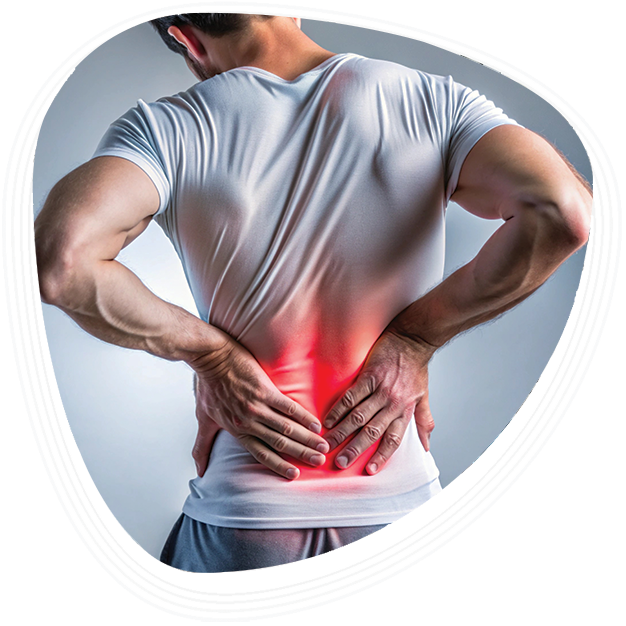
Living with Sciatica: Managing Daily Activities and Recovery
Living with sciatica can affect routine activities such as sitting, walking, sleeping, and working, particularly during flare-ups. Alongside medical treatment and physiotherapy, small daily adjustments play an important role in supporting nerve recovery and preventing symptom worsening. Here’s how people living sciatica can manage daily activities and recovery:
Manage Daily Movement Safely
Avoiding prolonged sitting, changing positions frequently, and using chairs with proper back support help reduce pressure on the sciatic nerve. Gentle movement through the day supports circulation and prevents stiffness.
Sleep Comfortably with Sciatica
Sleeping on a firm mattress and maintaining a neutral spine position help reduce night-time discomfort. Placing a pillow under the knees when lying on the back, or between the legs when lying on the side, may provide additional support.
Return to Work and Routine Activities
Gradually resuming daily tasks helps prevent sudden strain on the lower back. Individuals with desk-based jobs benefit from ergonomic seating and regular movement breaks, while those with physically demanding work should follow medical guidance on activity modification.
Follow Physiotherapy and Recovery Plans
Consistent physiotherapy exercises support muscle strength, flexibility, and nerve healing. Adhering to prescribed routines plays a key role in long-term recovery and recurrence prevention.
Understand Recovery Expectations
Recovery timelines vary depending on the cause and severity of sciatica. Acute cases often improve within weeks, while persistent symptoms may require ongoing management and follow-up care.
Preventing Sciatica and Supporting Long-Term Spine Health
Preventing sciatica focuses on reducing strain on the lower spine, maintaining flexibility, and adopting daily habits that protect the sciatic nerve. Here’s how to prevent sciatica and support long-term spine health:
Maintain Good Posture and Ergonomics
Correct sitting, standing, and lifting techniques help distribute weight evenly across the spine and reduce pressure on the lower back and sciatic nerve. Using supportive chairs, adjusting workstations, and avoiding slouched posture are especially important for individuals with desk-based routines.
Strengthen Core and Back Muscles
Strong core and back muscles provide stability to the spine and help protect spinal discs and nerves. Regular strengthening exercises, guided by a physiotherapist when needed, reduce the likelihood of nerve compression and recurrent sciatica episodes.
Stay Physically Active
Low-impact activities such as walking, stretching, swimming, or gentle yoga improve flexibility, enhance blood flow, and keep the spine mobile. Staying active prevents stiffness and helps maintain healthy nerve function.
Avoid Prolonged Sitting
Sitting for long periods increases pressure on the lower spine. Taking short movement breaks, changing positions frequently, and stretching during the day help reduce nerve irritation and support spinal comfort.
Manage Body Weight
Maintaining a healthy body weight reduces excess load on the spine and surrounding muscles. This lowers strain on spinal structures and helps prevent nerve compression associated with sciatica.
Top Sciatica Treatments Available at Graphic Era Hospital
- Conservative sciatica pain management
- Physiotherapy and nerve mobilisation exercises
- Medication-based sciatica treatment
- Interventional pain procedures
- Spine-related surgical evaluation when required
Advanced Diagnostics & Technology
- Offers high-resolution imaging for detailed blood vessel analysis, aiding in accurate diagnosis and treatment planning.
- Delivers advanced imaging with high resolution for clear, detailed views of soft tissues, ensuring precise diagnostics.
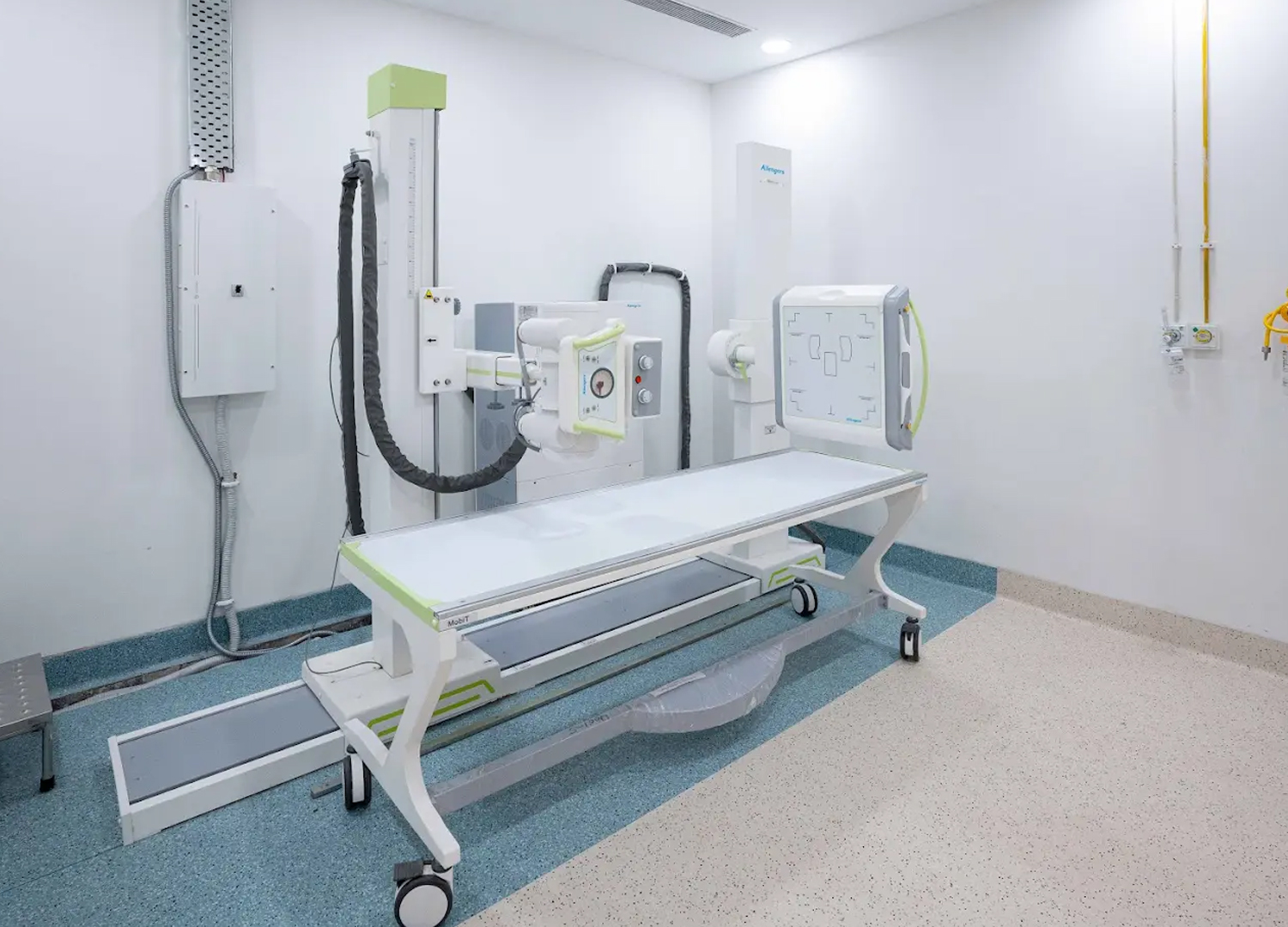
- Provides high-quality, detailed radiographic images for accurate diagnosis with minimal exposure to radiation.
Other Specialities


Patient Stories





Blog



Inflammatory Arthritis Explained: From Symptoms to Management

Understanding Frozen Shoulder: Causes, Symptoms, and Treatments

Frequently Asked Questions (FAQs)
What causes sciatica pain?
Sciatica pain usually occurs due to pressure on the sciatic nerve from disc herniation, spinal degeneration, muscle spasm, or narrowing of the spinal canal.
What are common symptoms of sciatica?
Symptoms include radiating leg pain, tingling, numbness, burning sensations, or weakness, often affecting one side of the body.
Is sciatica the same as back pain?
No. Sciatica is nerve-related pain that travels down the leg, while back pain may remain localised.
Can physiotherapy help sciatica?
Yes. Physiotherapy plays a key role in relieving nerve pressure, improving flexibility, and preventing recurrence.
How long does sciatica take to heal?
Many cases improve within a few weeks with proper treatment, while chronic cases may require longer management.
Are sciatica exercises safe?
Yes, when guided by a physiotherapist. Incorrect exercises may worsen symptoms.
When is surgery needed for sciatica?
Surgery is considered when severe nerve compression causes persistent pain, weakness, or loss of function.
Can sciatica recur?
Yes. Poor posture, weak core muscles, or untreated spine issues can lead to recurrence.
Is sciatica treatment available in Dehradun?
Yes. Graphic Era Hospital provides comprehensive sciatica evaluation and treatment through orthopaedic surgeons and physiotherapy support.
Who should I consult for sciatica pain?
Individuals with persistent sciatica pain should consult an orthopaedic surgeon for proper diagnosis and treatment planning.