Restless Leg Syndrome is a neurological condition characterised by an uncomfortable urge to move the legs, often accompanied by sensations such as tingling, crawling, or pulling, particularly during periods of rest or at night. These symptoms can interfere with sleep, lead to persistent fatigue, and affect overall quality of life. At Graphic Era Hospital in Dehradun, we offer comprehensive evaluation and long-term management for individuals experiencing symptoms suggestive of Restless Leg Syndrome. The focus is on identifying underlying causes such as iron deficiency, neurological factors, or associated medical conditions, followed by personalised treatment planning, including lifestyle measures and medical therapy aimed at reducing symptom frequency and improving overall quality of life.
When is Restless Leg Syndrome Treatment Recommended?
Restless Leg Syndrome treatment is recommended when symptoms become frequent, disrupt sleep, or interfere with daily functioning. Early evaluation and management help reduce symptom severity, improve sleep quality, and address any underlying causes contributing to the condition. At Graphic Era Hospital, Dehradun, treatment is usually advised in the following situations:

- Persistent urge to move the legs, especially during rest or at night
- Uncomfortable sensations such as tingling, crawling, or pulling in the legs
- Sleep disturbances or difficulty falling and staying asleep
- Daytime fatigue or reduced concentration due to poor sleep
- Symptoms that worsen over time or increase in frequency
- Relief of symptoms only with movement, such as walking or stretching
- Iron deficiency or low ferritin levels associated with symptoms
- Presence of chronic conditions such as kidney disease, diabetes, or neurological disorders
- Use of medications that may trigger or worsen symptoms
- Family history of Restless Leg Syndrome with similar symptoms
Things to Know Before Starting Restless Leg Syndrome Treatment
Restless Leg Syndrome management often requires a combination of lifestyle adjustments, correction of underlying factors, and, in some cases, long-term medical therapy. Since symptoms can vary in severity and may fluctuate over time, understanding the nature of the condition and treatment approach is important for effective control and improved quality of life. Before beginning treatment, it is important to keep the following points in mind:
- Symptoms often worsen during periods of rest, particularly in the evening or at night
- Identifying and correcting underlying causes such as iron deficiency is essential Lifestyle factors, including sleep habits and physical activity, play a significant role in symptom control
- Caffeine, alcohol, and certain medications may aggravate symptoms
- Treatment may require long-term management rather than short-term relief
- Medications, when prescribed, aim to reduce symptom frequency and improve sleep quality
- Regular follow-up helps monitor treatment response and adjust therapy as needed
- Sleep hygiene practices are an important part of overall management
- Symptoms may fluctuate over time and require periodic reassessment
Restless Leg Syndrome Diagnosis at Graphic Era Hospital, Dehradun
Accurate diagnosis is essential to distinguish Restless Leg Syndrome from other neurological or sleep-related conditions and to identify any underlying causes contributing to symptoms. At Graphic Era Hospital, we follow a structured and evidence-based approach to ensure precise evaluation before initiating treatment. Diagnostic services include:
- Clinical Evaluation: Detailed assessment of symptoms, including urge to move the legs, timing, triggers, and relief with movement
- Neurological Examination: Evaluation to rule out other neurological conditions that may present with similar symptoms
- Iron Studies (Serum Ferritin Levels): Assessment of iron deficiency, a common and treatable cause of symptoms
- Blood Tests: Screening for conditions such as kidney dysfunction, diabetes, or nutritional deficiencies
- Sleep Assessment: Evaluation of sleep patterns and disturbances associated with the condition
- Medication Review: Identification of drugs that may trigger or worsen symptoms
Restless Leg Syndrome Treatment at Graphic Era Hospital, Dehradun
Restless Leg Syndrome management focuses on reducing symptom severity, improving sleep quality, and addressing underlying causes that may be contributing to the condition. At Graphic Era Hospital, treatment plans are tailored based on symptom frequency, severity, associated conditions, and individual response to therapy. A combination of lifestyle measures and medical management is used to achieve sustained symptom control. Treatment includes:
- Lifestyle Modification and Sleep Hygiene: Establishing regular sleep patterns, maintaining physical activity, and avoiding triggers such as caffeine and alcohol
- Iron Supplementation Therapy: Correction of low ferritin levels to reduce symptom severity in individuals with iron deficiency
- Dopaminergic Medications: Medicines that help regulate dopamine activity and reduce the urge to move the legs
- Alpha-2-delta Ligands: Medications such as gabapentin or pregabalin used to manage sensory symptoms and improve sleep
- Muscle Relaxants and Sedatives: Used in selected cases to promote sleep and reduce discomfort
- Management of Underlying Conditions: Treatment of associated disorders such as kidney disease, diabetes, or peripheral neuropathy
- Adjustment of Triggering Medications: Review and modification of drugs that may worsen symptoms
- Behavioural Therapy and Relaxation Techniques: Supportive approaches to reduce symptom perception and improve sleep quality
- Management of Refractory Cases: Specialised care for individuals with persistent or severe symptoms despite standard treatment
Doctors Available

Why Choose Graphic Era Hospital for Restless Leg Syndrome Treatment?
Selecting the right hospital for managing Restless Leg Syndrome is important, as effective care requires accurate diagnosis, identification of underlying causes, and long-term symptom management. At Graphic Era Hospital, care is delivered through a structured and evidence-based approach focused on improving sleep quality and overall well-being. Here’s why patients trust Graphic Era Hospital for Restless Leg Syndrome treatment:

Expert Sleep Care : The sleep team is experienced in diagnosing and managing movement and sleep-related disorders, including Restless Leg Syndrome and its atypical presentations.

Accurate and Evidence-Based Diagnosis : Evaluation is based on clinical criteria supported by laboratory testing and, where required, sleep studies to confirm the condition and rule out similar disorders.

Comprehensive, Individualised Treatment Planning : Treatment is tailored according to symptom severity, underlying causes, and response to therapy, ensuring appropriate and effective care.

Restless Leg Syndrome Monitoring & Long-Term Care Services
Restless Leg Syndrome often requires ongoing monitoring to ensure sustained symptom control, improved sleep quality, and early identification of any changes in severity or underlying causes. Structured follow-up plays an important role in adjusting treatment and preventing recurrence or progression of symptoms. Monitoring services include:
- Repeat Iron Studies: To assess ferritin levels and ensure adequate correction of iron deficiency
- Treatment Response Evaluation: Monitoring changes in symptom frequency, severity, and sleep quality
- Medication Review: Periodic assessment to optimise dosage and minimise side effects
- Sleep Pattern Assessment: Evaluation of sleep quality and identification of persistent disturbances
- Screening for Associated Conditions: Monitoring for conditions such as kidney disease, diabetes, or neuropathy
- Assessment of Lifestyle Factors: Review of sleep habits, activity levels, and potential triggers
- Follow-Up Neurological Evaluation: Ongoing clinical assessment to track disease progression or improvement
Potential Complications of Restless Leg Syndrome
While Restless Leg Syndrome is not life-threatening, untreated or poorly managed symptoms can significantly impact sleep, daily functioning, and overall quality of life. Over time, persistent symptoms may lead to several complications, including:
- Chronic sleep deprivation
- Daytime fatigue and reduced concentration
- Mood disturbances such as anxiety or irritability
- Reduced work productivity and daily performance
- Increased risk of associated sleep disorders such as periodic limb movement disorder
- Worsening of underlying medical conditions contributing to symptoms
- Dependence on medications in long-term or severe cases
Early diagnosis, identification of underlying causes, and structured management help reduce these complications and improve long-term outcomes.
Top Restless Leg Syndrome Treatments at Graphic Era Hospital, Dehradun
- Lifestyle modification and sleep hygiene optimisation
- Iron supplementation therapy for low ferritin levels
- Dopaminergic medications to regulate movement-related symptoms
- Alpha-2-delta ligands for sensory discomfort and sleep improvement
- Management of underlying medical conditions
- Medication review and adjustment to reduce symptom triggers
- Behavioural therapy and relaxation techniques
- Specialised management for refractory or severe cases
Advanced Diagnostics & Technology
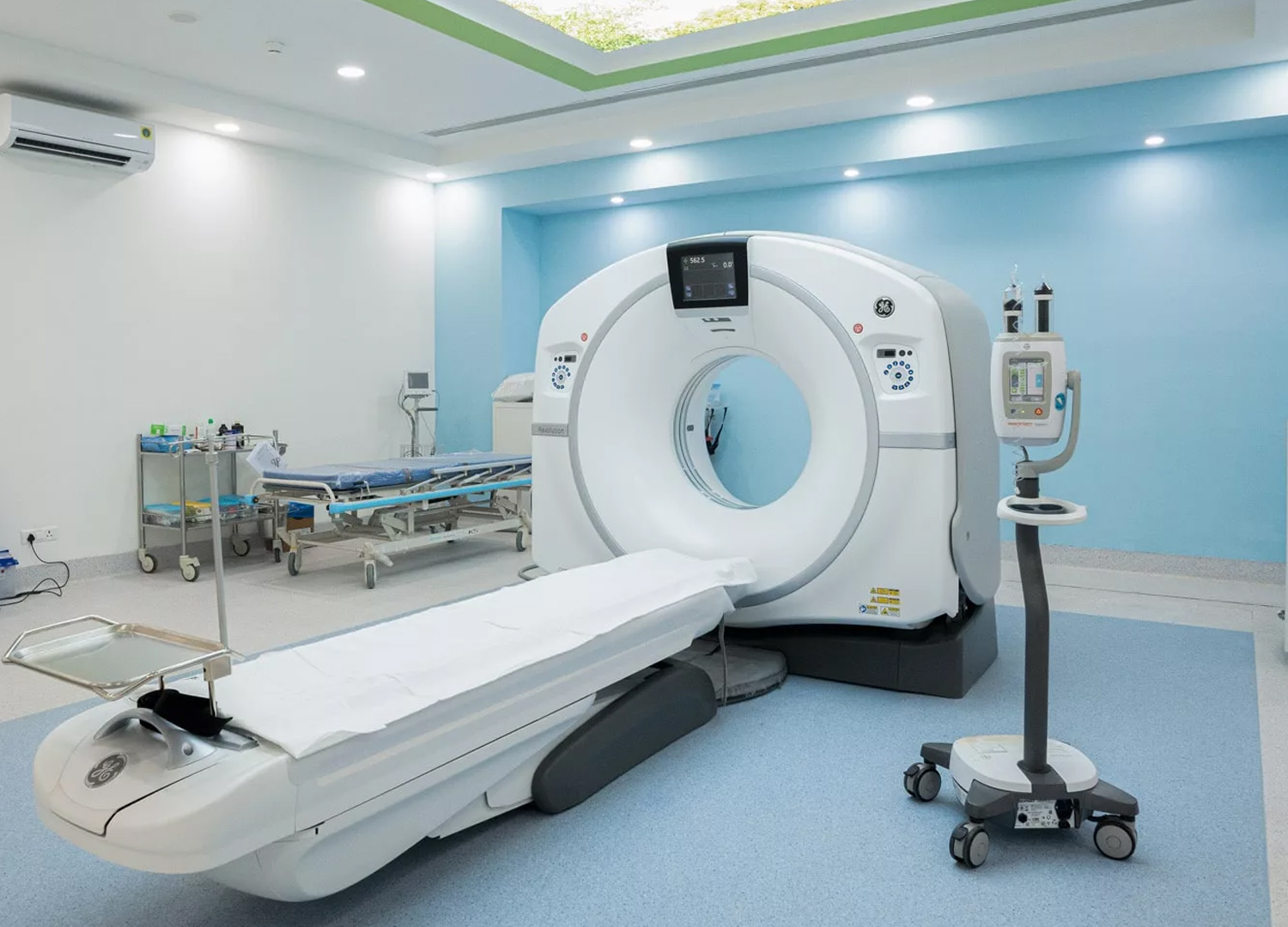
- Offers high-resolution imaging for detailed blood vessel analysis, aiding in accurate diagnosis and treatment planning.
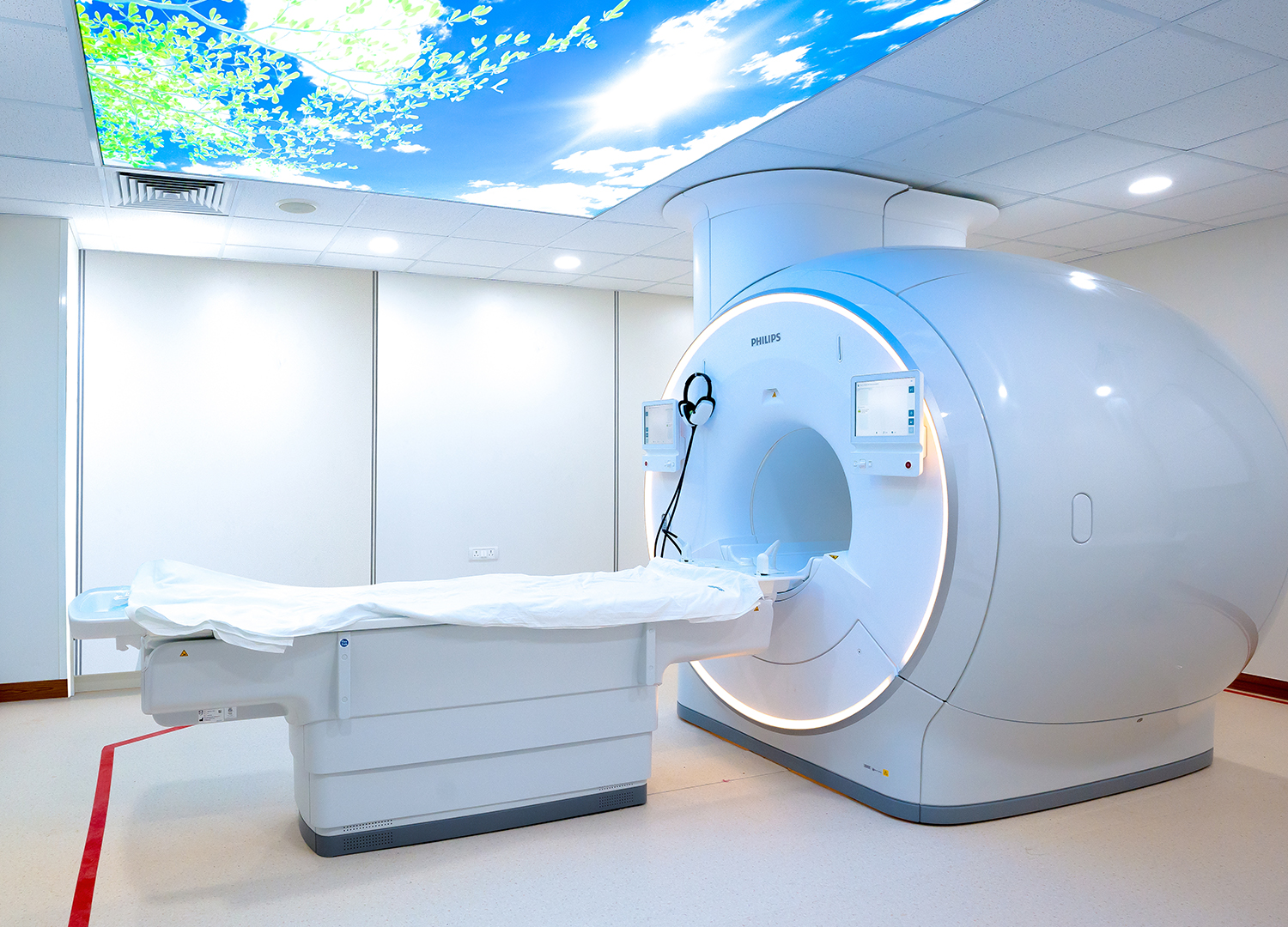
- Delivers advanced imaging with high resolution for clear, detailed views of soft tissues, ensuring precise diagnostics.
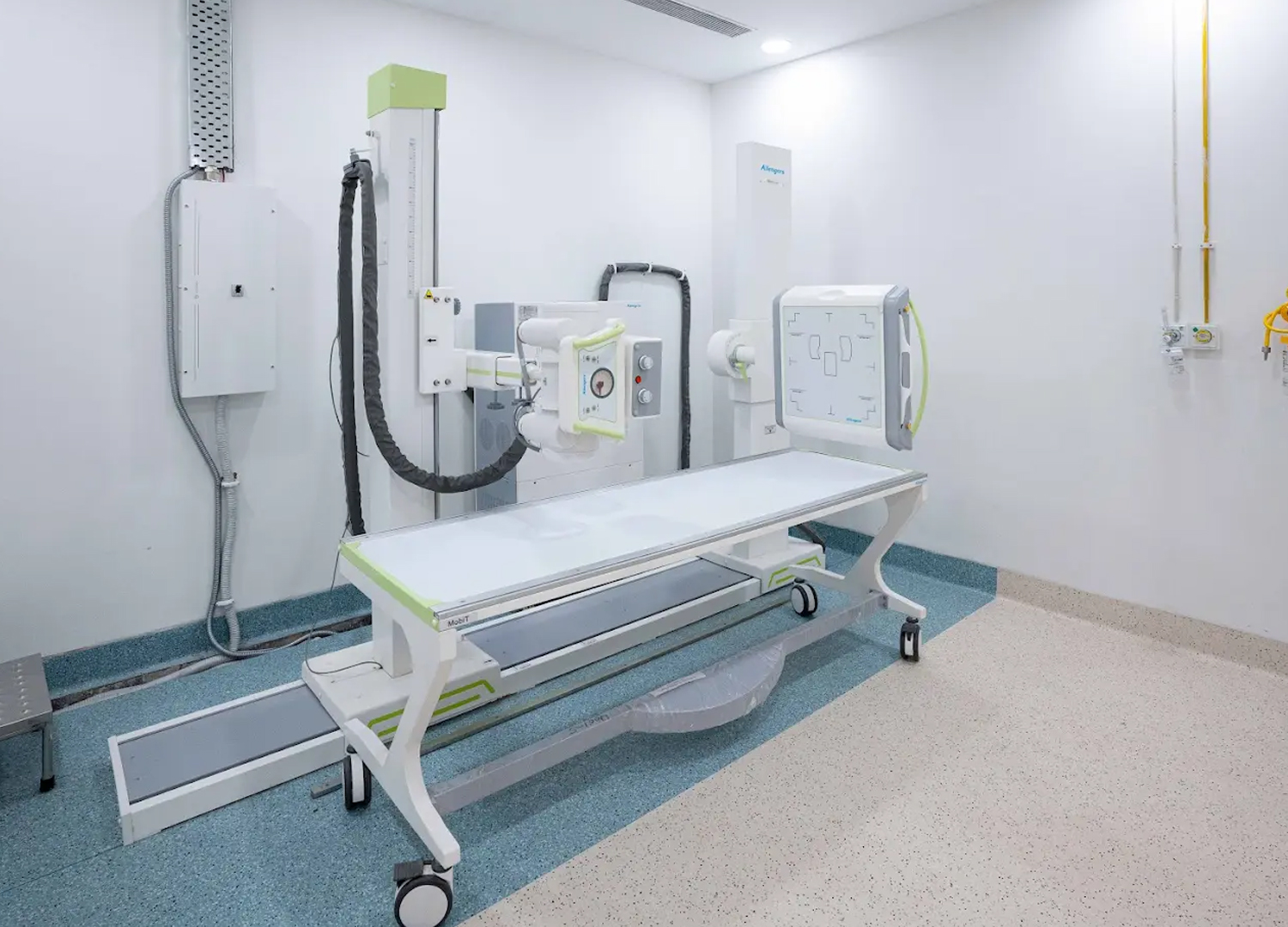
- Provides high-quality, detailed radiographic images for accurate diagnosis with minimal exposure to radiation.
Other Specialities


Patient Stories





Blog










Frequently Asked Questions (FAQs)
What are the common symptoms of Restless Leg Syndrome?
Common symptoms include an uncontrollable urge to move the legs, especially during rest, along with uncomfortable sensations such as tingling, crawling, or pulling. Symptoms are often worse in the evening or at night and improve with movement.
What causes Restless Leg Syndrome?
The condition may be linked to iron deficiency, dopamine imbalance, genetic factors, or underlying conditions such as kidney disease or diabetes. In some cases, no clear cause is identified.
Is Restless Leg Syndrome a serious condition?
While not life-threatening, it can significantly affect sleep and quality of life if not managed properly. Persistent symptoms may lead to fatigue and reduced daily functioning.
Can Restless Leg Syndrome be cured?
There is no permanent cure in most cases, but symptoms can be effectively managed with appropriate treatment and lifestyle adjustments.
Does Restless Leg Syndrome affect sleep?
Yes, symptoms commonly occur at night and can interfere with falling asleep or staying asleep, leading to poor sleep quality.
What helps relieve symptoms of Restless Leg Syndrome?
Movement, stretching, massage, and correcting underlying issues such as iron deficiency can help reduce symptoms. Medical treatment may be required in moderate to severe cases.
Can diet affect Restless Leg Syndrome?
Nutritional deficiencies, particularly low iron levels, can worsen symptoms. Maintaining a balanced diet and correcting deficiencies is an important part of management.
Is Restless Leg Syndrome hereditary?
A family history may be present in some cases, indicating a genetic component, particularly when symptoms begin at a younger age.
When should medical attention be sought?
Evaluation is recommended when symptoms are frequent, disrupt sleep, or interfere with daily activities, or when they worsen over time.
Can medications worsen Restless Leg Syndrome?
Yes, certain medications such as antihistamines, antidepressants, or antipsychotics may aggravate symptoms in some individuals. A medical review helps identify and adjust such triggers.