Chikungunya is a mosquito-borne viral infection that primarily causes high fever and severe joint pain, often affecting daily mobility and overall well-being. While most cases are self-limiting, the intensity of symptoms and the risk of prolonged joint discomfort make timely medical care essential.
At Graphic Era Hospital, Dehradun, chikungunya treatment focuses on accurate diagnosis, symptom management, and supportive care tailored to each patient’s condition. Our physicians, infectious disease specialists, and diagnostic teams work together to monitor disease progression, manage complications, and support recovery through a structured and patient-centred approach.
What Causes Chikungunya?
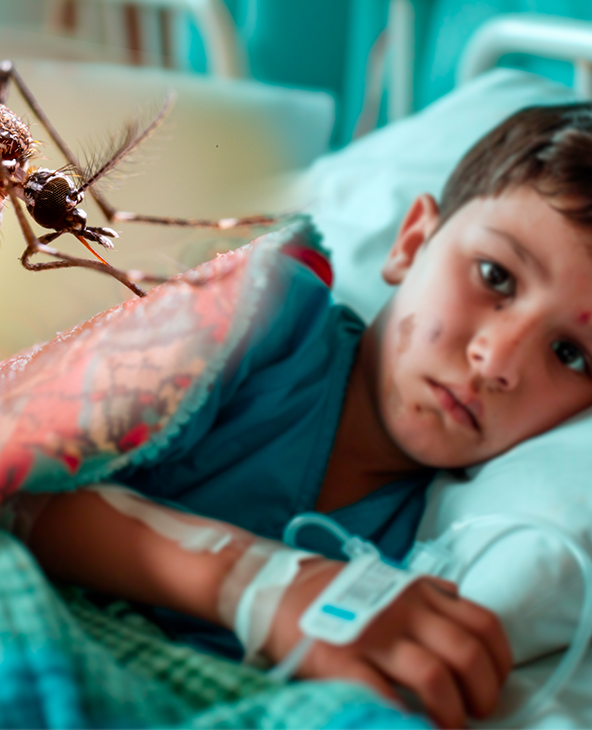
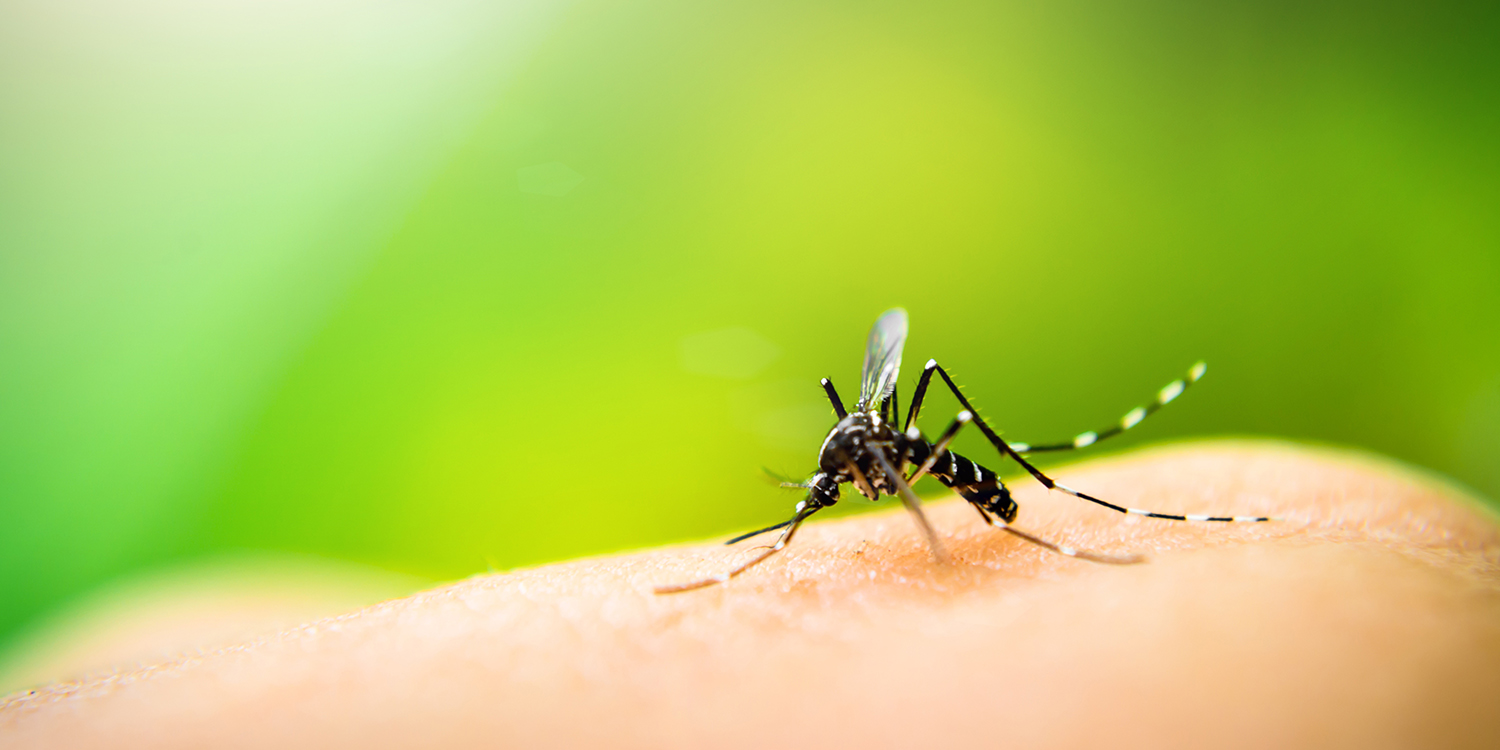
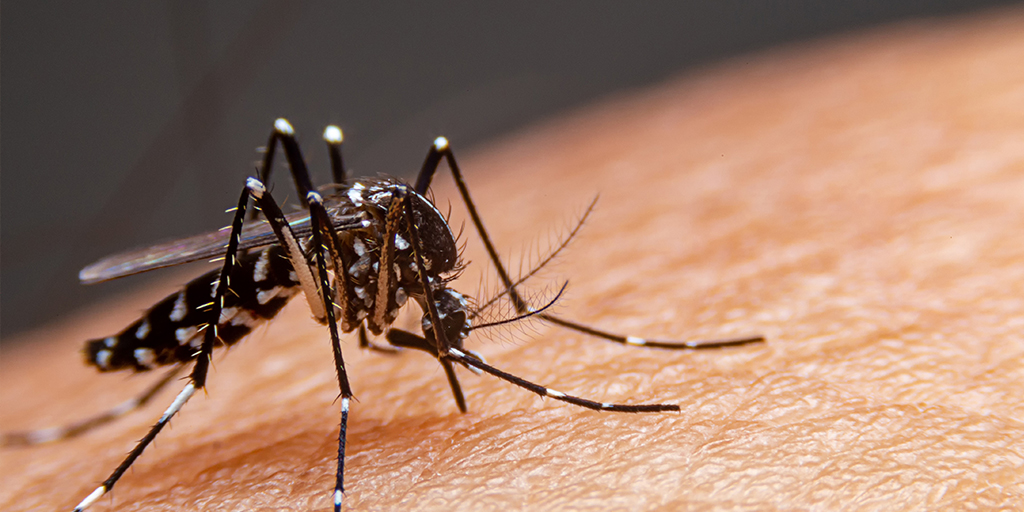
Chikungunya is caused by a virus transmitted to humans through the bite of infected mosquitoes, primarily Aedes aegypti and Aedes albopictus. These mosquitoes typically bite during the daytime, especially in the early morning and late afternoon.
Doctors Available




Why Choose Graphic Era Hospital, Dehradun, for Chikungunya Treatment?
Effective management of chikungunya requires timely diagnosis, careful monitoring, and a structured approach to symptom relief. At Graphic Era Hospital, care is designed to ensure patient safety, comfort, and optimal recovery.

Experienced Specialists : Our team of physicians and infectious disease specialists has extensive experience in diagnosing and managing mosquito-borne viral infections, including chikungunya. With a strong focus on clinical accuracy and patient-centred care, they ensure that each patient receives appropriate evaluation, symptom management, and continuous monitoring based on their individual condition.

Precision Diagnosis : Early and precise diagnosis is essential to distinguish chikungunya from other infections with similar symptoms, such as dengue. With access to advanced laboratory testing and experienced clinicians, the hospital ensures reliable diagnosis, enabling timely initiation of supportive care and reducing the risk of complications.

Holistic Care : Chikungunya management extends beyond initial symptom relief. From controlling fever and joint pain to maintaining hydration and monitoring recovery, patients receive comprehensive care throughout their treatment journey. For those with persistent joint symptoms, structured follow-up, rehabilitation support, and specialist guidance help restore mobility and improve overall quality of life.
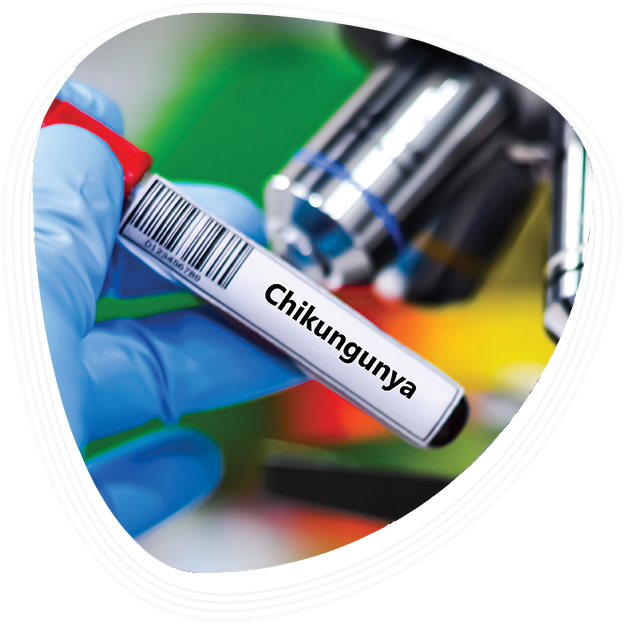
Chikungunya Diagnosis & Evaluation at Graphic Era Hospital, Dehradun
Accurate diagnosis is essential to ensure appropriate management and to distinguish chikungunya from other infections with similar symptoms.
The diagnostic approach includes:
- Clinical Evaluation: Assessment of symptoms such as fever, joint pain, and rash
- Blood Tests: Detection of chikungunya virus antibodies (IgM/IgG)
- Complete Blood Count (CBC): To evaluate overall health and rule out complications
- Differential Diagnosis: Testing to exclude dengue, malaria, or other viral infections
Chikungunya Recovery & Follow-Up Care
Recovery from chikungunya may vary from a few days to several weeks, depending on the severity of symptoms and the patient’s overall health. Ongoing care is important, especially for those with lingering joint pain.
Post-treatment care includes:
- Gradual Return to Activity: Avoiding strain while regaining strength
- Joint Care and Mobility Exercises: To reduce stiffness and improve flexibility
- Pain Management Support: Continued treatment for persistent joint discomfort
- Hydration and Nutrition Monitoring: Supporting overall recovery
- Regular Follow-Up Visits: To assess recovery and manage any long-term effects
Top Chikungunya Treatment Services at Graphic Era Hospital, Dehradun
- Fever and symptom management
- Pain and inflammation control
- Hydration therapy (oral and IV)
- Diagnostic blood testing
- Hospital-based care for moderate to severe cases
- Long-term joint pain management and rehabilitation
Internal Medicine Conditions Treated at Graphic Era Hospital
At Graphic Era Hospital, our Department of General Medicine specializes in diagnosing and managing a wide range of acute and chronic medical conditions. Our expert general physicians provide evidence-based treatments and preventive healthcare solutions to ensure overall well-being.
Advanced Diagnostics & Technology
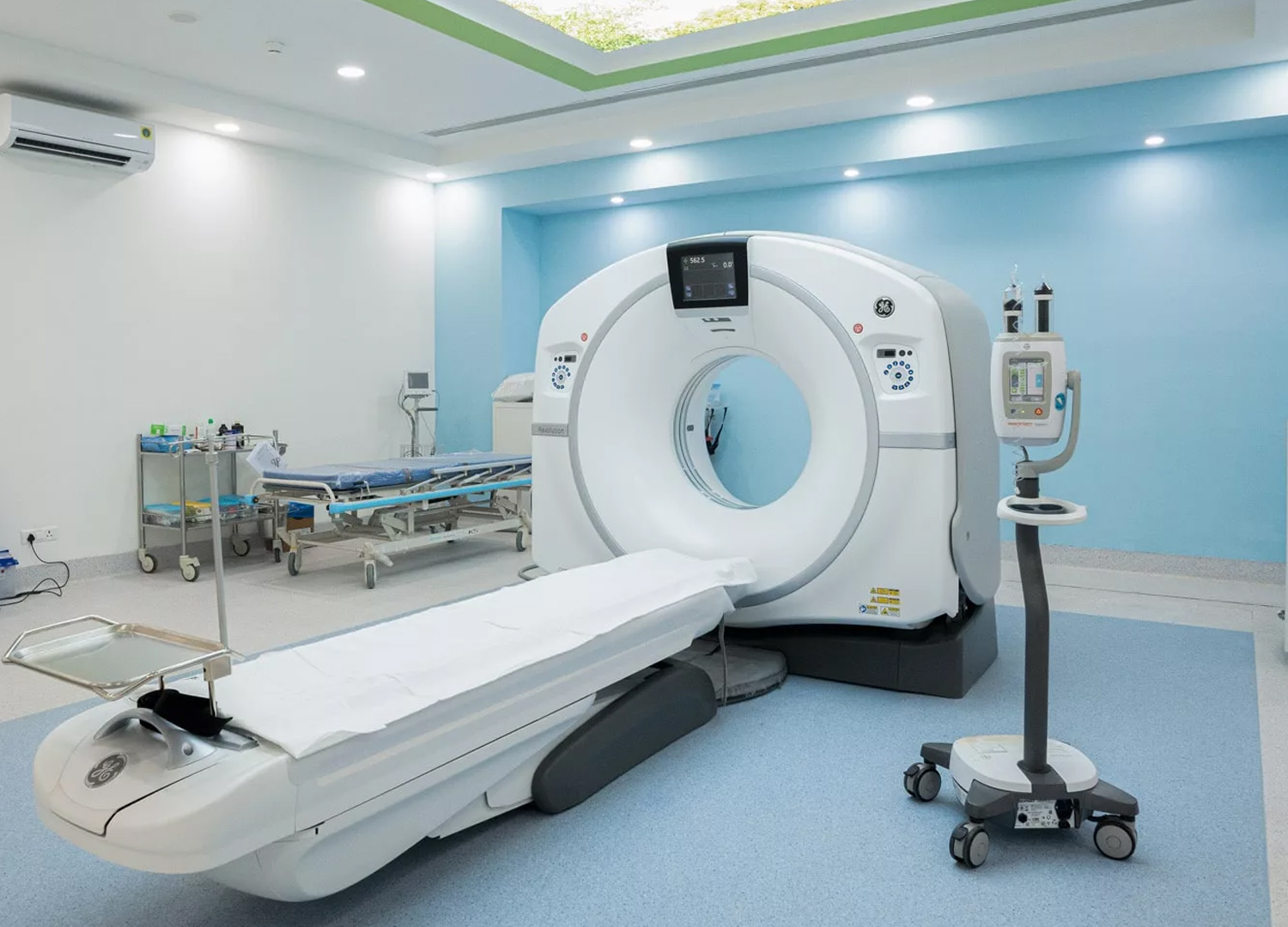
- Offers high-resolution imaging for detailed blood vessel analysis, aiding in accurate diagnosis and treatment planning.
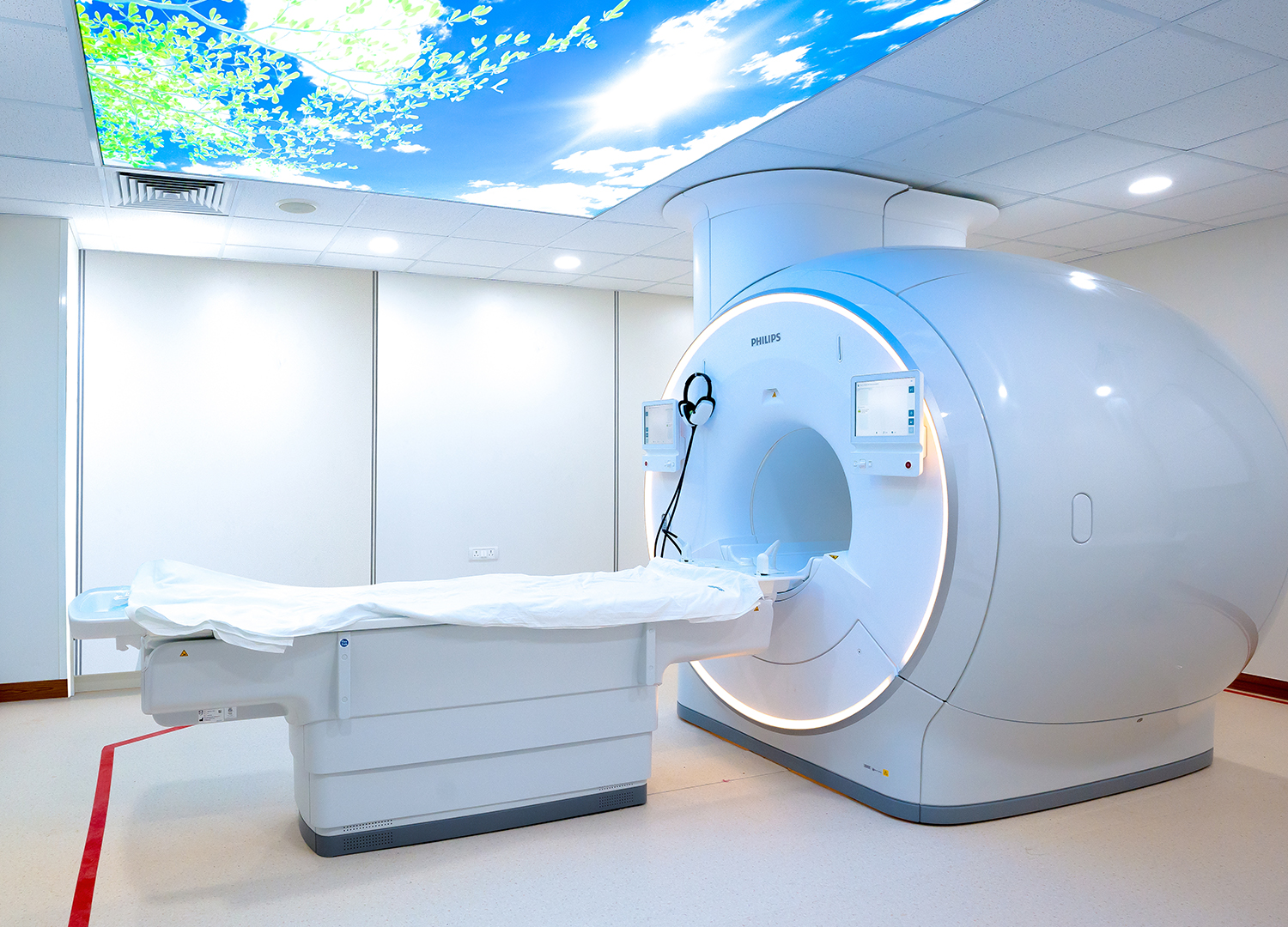
- Delivers advanced imaging with high resolution for clear, detailed views of soft tissues, ensuring precise diagnostics.
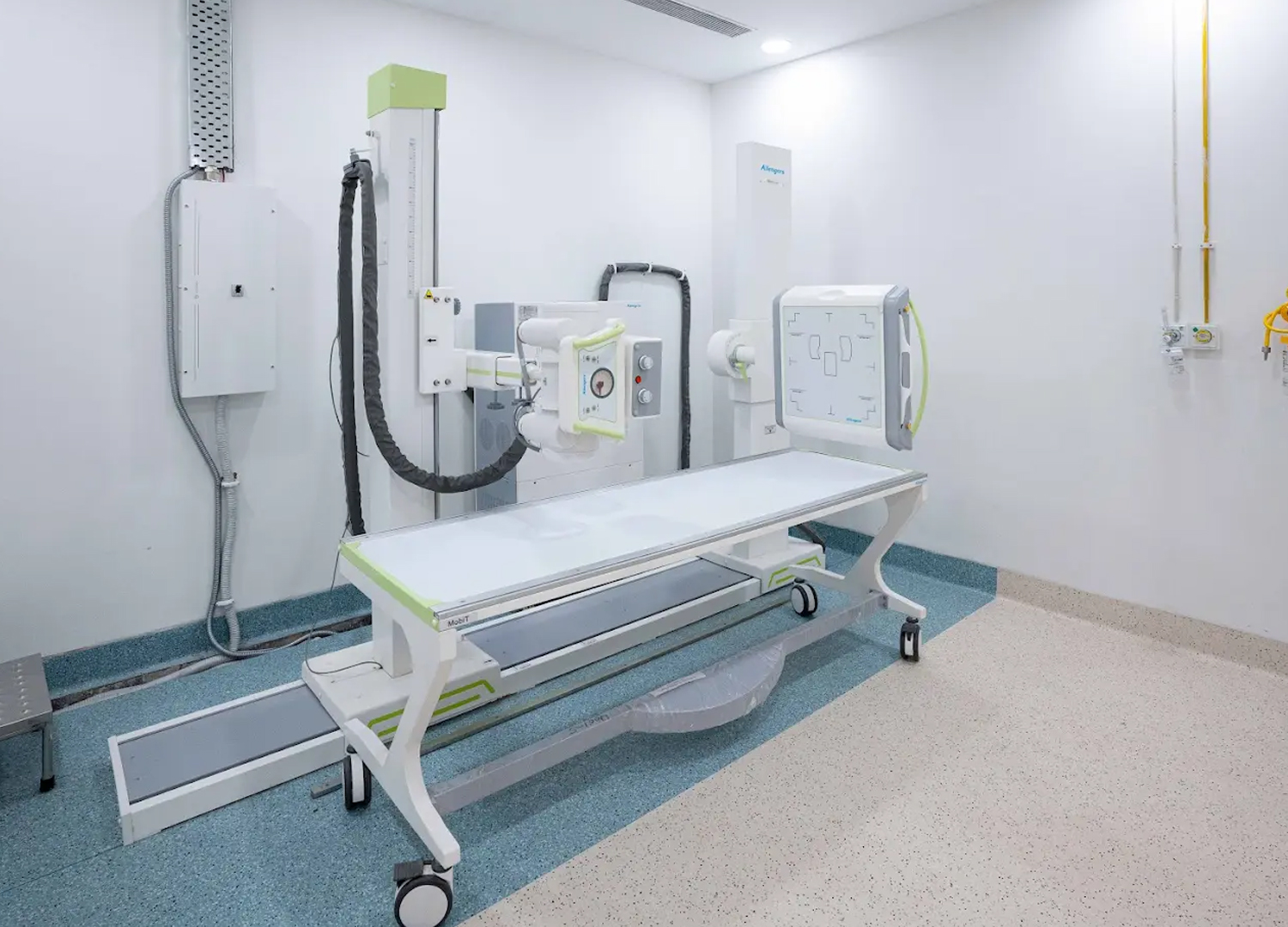
- Provides high-quality, detailed radiographic images for accurate diagnosis with minimal exposure to radiation.
Other Specialities


Patient Stories




Blog






Frequently Asked Questions (FAQs)
How long does chikungunya last?
Most patients recover from the initial symptoms such as fever within 1–2 weeks. However, joint pain and stiffness may persist for several weeks or even months in some individuals. Recovery time varies depending on the severity of the infection and the patient’s overall health.
Is chikungunya dangerous?
Chikungunya is rarely life-threatening, but it can cause significant discomfort due to severe joint pain and fatigue. In certain cases, especially among older adults or individuals with underlying health conditions, symptoms may be more severe or prolonged. Timely medical care helps manage symptoms and reduce the risk of complications.
Can chikungunya be cured completely?
There is no specific antiviral cure for chikungunya, but most patients recover fully with supportive care. Treatment focuses on relieving symptoms such as fever and joint pain while supporting the body’s natural recovery process. Some individuals may experience lingering joint discomfort that requires continued management.
How is chikungunya different from dengue?
Although both are mosquito-borne infections, chikungunya is primarily associated with intense joint pain, while dengue is more commonly linked to a drop in platelet count and bleeding complications. The symptoms may overlap initially, making accurate diagnosis important. Blood tests help differentiate between the two conditions and guide appropriate care.
Do all patients need hospitalisation?
No, most cases of chikungunya can be managed at home with rest, hydration, and medication for symptom relief. However, hospitalisation may be required for patients with severe symptoms, dehydration, or existing medical conditions. Doctors assess each case individually to determine the need for hospital-based care.
Can joint pain from chikungunya become chronic?
Yes, in some cases, joint pain may persist for months after the initial infection. This condition can resemble arthritis and may require ongoing treatment, physiotherapy, and lifestyle modifications. Early management and follow-up care can help reduce the impact on mobility and daily activities.
How can chikungunya be prevented?
Prevention focuses on avoiding mosquito bites through the use of repellents, protective clothing, and mosquito nets. Eliminating stagnant water around homes and maintaining clean surroundings can help reduce mosquito breeding. Community awareness and preventive measures play an important role in controlling the spread of the infection.
Is chikungunya a communicable disease?
Yes, chikungunya is a communicable disease, but it does not spread directly from person to person through casual contact. It is transmitted through the bite of infected mosquitoes that carry the virus. Controlling mosquito exposure is key to preventing its spread.
Can chikungunya occur without fever?
In some cases, individuals may experience chikungunya without a high fever, especially in the later stages of the infection. Joint pain, fatigue, and weakness may still persist even after the fever subsides. This can sometimes delay diagnosis if symptoms are mild or atypical.
Is there a vaccine available for chikungunya?
Currently, there is no widely available vaccine for chikungunya in routine clinical use. Prevention primarily relies on protecting against mosquito bites and reducing exposure. Ongoing research continues to explore vaccine development for better long-term control.
Can chikungunya affect daily mobility?
Yes, the joint pain associated with chikungunya can significantly affect movement and daily activities. Patients may experience difficulty walking, gripping objects, or performing routine tasks. With proper care and gradual rehabilitation, mobility usually improves over time.
Who is at higher risk of complications from chikungunya?
Older adults, infants, and individuals with conditions such as diabetes or high blood pressure may be at higher risk of prolonged or severe symptoms. These patients may require closer monitoring and medical supervision. Early consultation helps manage risks more effectively.