The Ultimate Guide to Iron-Deficiency Anaemia: Causes, Diagnosis, and Treatment
Iron-deficiency anemia is one of the most common nutritional and blood-related disorders worldwide, yet many people live with the condition without realising it until the symptoms begin affecting their daily life. In India, it continues to affect a large number of women, children, adolescents, and even working adults due to factors such as poor dietary intake, blood loss, increased nutritional demands, or underlying medical conditions. When left untreated for a long time, iron-deficiency anemia can affect physical health, immunity, cognitive function, and overall quality of life.
To help you recognise the symptoms early and understand when to seek medical attention, this guide explains everything you need to know about iron-deficiency anaemia, including its causes, symptoms, diagnosis, treatment options, and preventive measures.
Iron-Deficiency Anaemia at a Glance
- What it is: A condition where the body lacks enough iron to produce healthy haemoglobin and red blood cells.
- Why it matters: The world’s most common nutritional deficiency, affecting millions globally and a large proportion of women and children in India.
- Key symptoms: Fatigue, pale skin, dizziness, breathlessness, brittle nails, and poor concentration.
- Who is at risk: Women, pregnant women, children, adolescents, vegetarians, and people with chronic blood loss or poor iron absorption.
- When to seek help: Persistent tiredness, pallor, or unexplained weakness should not be ignored and may require a blood test.
What is Iron-Deficiency Anaemia?
To understand iron-deficiency anaemia, it is important to understand the role of iron in the body. Iron is an essential mineral required for the production of haemoglobin, the protein in red blood cells that carries oxygen from the lungs to tissues and organs throughout the body. When the body does not have enough iron, it cannot produce sufficient healthy haemoglobin or red blood cells.
As iron levels fall, red blood cells become smaller and paler than normal, a pattern known as microcytic hypochromic anaemia. These cells carry less oxygen, which reduces oxygen delivery to tissues and organs. This is what leads to common symptoms such as fatigue, weakness, shortness of breath, dizziness, and difficulty concentrating.
Iron also supports several other important body functions, including energy production, immune function, muscle health, and DNA synthesis. As a result, iron deficiency can affect overall health and well-being beyond just causing tiredness.
Iron Deficiency vs. Iron-Deficiency Anaemia
Although the terms are often used interchangeably, iron deficiency and iron-deficiency anaemia are not the same.
Iron deficiency occurs when the body’s iron stores become low, but haemoglobin levels may still remain within the normal range. At this stage, symptoms may be mild or absent, and many people may not realise they are iron deficient.
Iron-deficiency anaemia develops when iron stores become severely depleted and haemoglobin levels fall below normal. This reduces the blood’s oxygen-carrying capacity and leads to more noticeable symptoms.
According to the World Health Organization (WHO), anaemia is generally defined as haemoglobin levels below:
- 13 g/dL in adult men
- 12 g/dL in non-pregnant women
- 11 g/dL in pregnant women and children in certain age groups
The Three Stages of Iron-Deficiency Anaemia
Iron-deficiency anaemia develops gradually as the body’s iron stores continue to decline over time. The condition typically progresses through three stages, moving from early iron depletion to clinically significant anaemia.
| Stage | What Happens | Common Lab Findings | Possible Symptoms |
| Stage 1: Iron Depletion | Iron stores in the body begin to fall, but red blood cell production remains normal. | Low serum ferritin; haemoglobin usually normal. | Usually no symptoms. |
| Stage 2: Iron-Deficient Erythropoiesis | Iron stores become exhausted, affecting red blood cell production. | Very low ferritin, falling serum iron, rising TIBC, borderline haemoglobin. | Mild fatigue, low energy, poor concentration. |
| Stage 3: Iron-Deficiency Anaemia | Haemoglobin levels fall below normal, reducing oxygen delivery in the body. | Low ferritin, low serum iron, high TIBC, low haemoglobin and MCV. | Fatigue, pallor, dizziness, breathlessness, headaches, palpitations. |
Good to Know: Iron deficiency is often diagnosed only after anaemia develops because the earlier stages may cause few or no noticeable symptoms. This is why routine screening is important for high-risk groups such as pregnant women, children, adolescent girls, and people with chronic illnesses.
Causes of Iron-Deficiency Anaemia
Iron-deficiency anaemia develops when the body loses more iron than it absorbs or when iron requirements remain consistently higher than intake over a prolonged period. While poor dietary intake is a common reason, the underlying cause is not always nutritional. Identifying the exact cause is essential for proper treatment and long-term correction.
Inadequate Dietary Intake
This is one of the most common causes in India, particularly among children, adolescents, and economically vulnerable populations. Diets low in iron-rich foods, or diets predominantly based on plant-derived non-haem iron without adequate absorption-enhancing foods, may fail to meet the body’s daily iron requirements. Vegetarian dietary patterns can increase the risk of iron deficiency because non-haem iron is absorbed less efficiently than haem iron found in animal-based foods.
Chronic Blood Loss
Chronic blood loss is one of the leading causes of iron-deficiency anaemia in adults, especially in women of reproductive age. Although the body naturally loses small amounts of iron every day, persistent blood loss can deplete iron stores much faster than they can be replenished through diet.
Common causes include:
- Heavy menstrual bleeding (menorrhagia): One of the most common causes of iron-deficiency anaemia in women. Prolonged or heavy menstrual cycles can gradually reduce iron stores over time.
- Gastrointestinal bleeding: Conditions such as peptic ulcers, gastritis, inflammatory bowel disease, haemorrhoids, colorectal polyps, and colorectal cancer can cause chronic blood loss through the digestive tract, sometimes without visible symptoms. This is an important cause in adult men and post-menopausal women and often requires further evaluation.
- Urinary tract bleeding: Less common, but blood loss through the urinary tract due to kidney stones, infections, or certain urinary conditions may contribute to iron deficiency.
Malabsorption
In some people, the body may not absorb iron properly despite adequate dietary intake. Iron absorption mainly occurs in the upper small intestine, and several medical conditions can interfere with this process.
These include:
- Coeliac disease
- Crohn’s disease involving the small intestine
- Atrophic gastritis
- Previous bariatric or gastric bypass surgery
- Chronic Helicobacter pylori infection, which can affect stomach acidity and reduce iron absorption
Increased Physiological Demand
Certain stages of life significantly increase the body’s iron requirements.
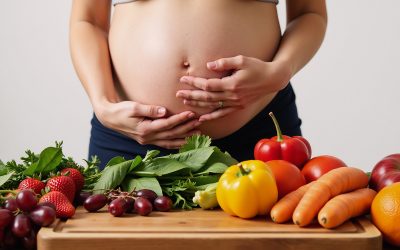
- Pregnancy: Iron needs rise substantially during pregnancy to support the growing foetus, placenta, and increased maternal blood volume. Without adequate supplementation, many women may develop iron deficiency during pregnancy.
- Infancy and early childhood: Rapid growth during the first two years of life increases iron requirements. After six months of age, breast milk alone may not provide sufficient iron, making iron-rich complementary foods important.
- Adolescence: Growth spurts during adolescence increase iron needs, particularly in girls after the onset of menstruation.
Important Note: In adult men and post-menopausal women, iron-deficiency anaemia without an obvious explanation should not be assumed to be dietary alone. Doctors often investigate for hidden gastrointestinal blood loss, including colorectal disease, before confirming the cause.
Who is Most at Risk?
Although iron-deficiency anaemia can affect anyone, certain groups are more vulnerable due to higher iron requirements, blood loss, dietary patterns, or growth-related demands. These groups benefit the most from early screening and regular monitoring.
Women of Reproductive Age
Women of reproductive age are among the highest-risk groups because of menstrual blood loss. Heavy menstrual bleeding over time can gradually deplete iron stores, especially when dietary intake or supplementation is inadequate. Many women adapt to symptoms such as fatigue, weakness, or low energy without realising they may be iron deficient.
Iron deficiency can also affect concentration, exercise tolerance, and hair health even before anaemia develops.
Pregnant Women
Iron requirements increase significantly during pregnancy to support the growing foetus, placenta, and increased maternal blood volume. Iron-deficiency anaemia during pregnancy has been associated with maternal fatigue, reduced immunity, preterm birth, and low birth weight. This is why iron and folic acid supplementation is routinely recommended during pregnancy.
Infants and Young Children
Rapid growth during infancy and early childhood increases the body’s iron needs. Inadequate iron intake during this stage can affect cognitive development, attention span, learning ability, immunity, and physical growth. Early diagnosis and timely treatment are particularly important in children.
Adolescent Girls
Adolescent girls are at increased risk because of rapid growth, the onset of menstruation, and irregular eating habits. Iron deficiency during adolescence can affect physical stamina, concentration, academic performance, and overall well-being.
Vegetarians and Vegans
People following vegetarian or vegan diets may have a higher risk of iron deficiency because plant-based foods contain non-haem iron, which is absorbed less efficiently than haem iron from animal sources. Without proper meal planning, iron intake and absorption may remain inadequate over time.
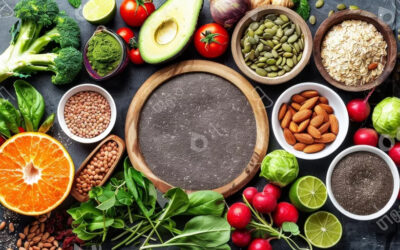
Diet Tip: Pairing iron-rich vegetarian foods such as lentils, spinach, beans, and fortified cereals with Vitamin C-rich foods such as amla, oranges, tomatoes, or lemon can improve iron absorption significantly.
Symptoms of Iron-Deficiency Anaemia
Symptoms of iron-deficiency anaemia usually develop gradually as iron stores decline and haemoglobin levels fall. In the early stages, the symptoms may be mild and easy to overlook. As the deficiency progresses, they become more noticeable and can begin affecting daily functioning.
| Symptom | Why It Happens | Commonly Seen In |
| Persistent fatigue and weakness | Reduced oxygen delivery to muscles and tissues | Mild to severe deficiency |
| Pale skin or pale inner eyelids | Lower haemoglobin reduces the normal red colour of blood | Moderate to severe anaemia |
| Shortness of breath during activity | The body works harder to deliver oxygen | Moderate to severe anaemia |
| Dizziness or lightheadedness | Reduced oxygen supply to the brain | Moderate anaemia onwards |
| Cold hands and feet | Reduced circulation to peripheral tissues | Mild to moderate anaemia |
| Brittle or spoon-shaped nails (koilonychia) | Iron deficiency affects nail growth and structure | Chronic deficiency |
| Hair fall and dry hair | Iron is important for healthy hair follicle function | Chronic deficiency |
| Pica | Cravings for non-food items such as ice, clay, chalk, or raw rice | Severe deficiency |
| Restless legs syndrome | Iron deficiency may affect dopamine-related brain pathways | Can occur at any stage |
| Headaches | Reduced oxygen supply may trigger blood vessel changes in the brain | Mild to moderate anaemia |
| Poor concentration or brain fog | Reduced oxygen delivery affects cognitive function | Even mild deficiency |
| Rapid or irregular heartbeat | The heart pumps harder to compensate for low haemoglobin | Moderate to severe anaemia |
Good to Know: Symptoms such as fatigue, headaches, poor concentration, and weakness are often mistaken for stress, lack of sleep, or overwork. A complete blood count (CBC) and serum ferritin test are commonly used to identify iron deficiency and confirm the diagnosis.
Iron-Deficiency Anaemia in Children
Children are particularly vulnerable to iron deficiency because iron plays a vital role in growth, brain development, and immune function. Deficiency during infancy and early childhood, especially within the first two years of life, can affect cognitive development, learning ability, behaviour, and physical growth. In some cases, developmental effects may persist even after iron levels are corrected.
In India, childhood anaemia remains highly prevalent, making early recognition and timely intervention especially important.
Parents should watch for the following signs in infants and young children:
- Pale skin, lips, inner eyelids, or nail beds
- Persistent tiredness or low energy
- Reduced interest in play or physical activity
- Poor appetite or slow weight gain
- Frequent infections or delayed recovery from illness
- Delayed developmental milestones such as sitting, walking, or speaking
- Irritability, poor attention span, or difficulty sleeping
Doctors may recommend haemoglobin screening during infancy and early childhood, particularly for children at higher risk, such as premature infants, children with poor dietary intake, or infants who do not receive adequate iron-rich complementary foods after six months of age.
Important Note: After six months, breast milk alone may not meet a baby’s increasing iron requirements. Introducing iron-rich complementary foods and giving iron supplementation when advised are important steps in preventing iron-deficiency anaemia during early childhood.
How Is Iron-Deficiency Anaemia Diagnosed?
Diagnosing iron-deficiency anaemia involves a combination of clinical evaluation and blood investigations. Doctors assess symptoms, medical history, dietary habits, menstrual history, and any possible sources of blood loss before confirming the diagnosis through laboratory tests.
The following investigations are commonly used:
Complete Blood Count (CBC)
A CBC is usually the first test performed. It helps measure haemoglobin levels and evaluate the size and appearance of red blood cells. In iron-deficiency anaemia, haemoglobin levels are low, and red blood cells are typically smaller than normal (microcytic).
Serum Ferritin
Serum ferritin is one of the most important tests for assessing iron stores in the body. Low ferritin levels are often the earliest indicator of iron deficiency, sometimes even before haemoglobin levels begin to fall.
Serum Iron and Total Iron-Binding Capacity (TIBC)
Serum iron measures the amount of circulating iron in the blood, while TIBC reflects the blood’s capacity to transport iron. In iron-deficiency anaemia, serum iron levels are usually low and TIBC levels are elevated.
Peripheral Blood Smear
This test involves examining blood cells under a microscope. In iron-deficiency anaemia, red blood cells often appear smaller and paler than normal.
Additional Investigations
If the underlying cause of iron deficiency is unclear, doctors may recommend further investigations to identify possible sources of blood loss or poor iron absorption.
These may include:
- Stool occult blood test for hidden gastrointestinal bleeding
- Upper GI endoscopy or colonoscopy in selected adults
- Coeliac disease screening
- Helicobacter pylori testing
- Other tests based on symptoms and clinical findings
| Test | What It Evaluates | Typical Finding in Iron-Deficiency Anaemia |
| Haemoglobin (CBC) | Oxygen-carrying protein in red blood cells | Low |
| MCV (CBC) | Average red blood cell size | Low |
| Serum Ferritin | Iron stores in the body | Low |
| Serum Iron | Circulating iron levels | Low |
| TIBC | Iron transport capacity | Elevated |
| Transferrin Saturation | Amount of iron bound for transport | Low |
| Peripheral Blood Smear | Red blood cell appearance | Small, pale red blood cells |
At Graphic Era Hospital, our Clinical Haematology department and advanced diagnostic laboratory provide comprehensive evaluation and testing for iron-deficiency anaemia, helping patients receive timely diagnosis and personalised treatment.
Treatment of Iron-Deficiency Anaemia
Effective treatment of iron-deficiency anaemia involves two important steps: correcting the iron deficiency and identifying the underlying cause. Treating only the low iron levels without addressing the reason behind the deficiency can lead to recurrence.
Treating the Underlying Cause
The underlying cause of iron deficiency must be identified and managed appropriately.
- Heavy menstrual bleeding may require evaluation and treatment by a gynaecologist.
- Gastrointestinal bleeding may need endoscopic evaluation and treatment.
- Conditions affecting iron absorption, such as coeliac disease or Helicobacter pylori infection, require targeted medical management.
Without treating the root cause, iron supplementation alone may provide only temporary improvement.
Oral Iron Supplements
Oral iron supplementation is the first-line treatment for most people with iron-deficiency anaemia. Commonly used preparations include ferrous sulphate, ferrous gluconate, and other iron formulations.
The following measures can improve treatment effectiveness and tolerability:
- Iron is absorbed best on an empty stomach, although taking it with food may reduce stomach discomfort.
- Taking iron with a Vitamin C-rich drink such as orange juice may improve absorption.
- Tea, coffee, dairy products, calcium supplements, and antacids can reduce iron absorption and are best avoided close to iron intake.
- Common side effects include constipation, nausea, abdominal discomfort, and dark stools. Adjusting the formulation or dosing schedule may help improve tolerance.
Haemoglobin levels often begin improving within a few weeks, but iron supplementation usually continues for several months after haemoglobin normalises to fully replenish iron stores.
Important Note: Symptoms often improve before iron stores recover completely. Stopping supplements too early is a common reason for recurrence.
Intravenous (IV) Iron Therapy
Intravenous iron may be recommended when oral supplements are ineffective, poorly tolerated, or when rapid correction is required.
IV iron is commonly used in:
- Severe iron deficiency
- Malabsorption disorders
- Intolerance to oral iron
- Late pregnancy requiring faster correction
- Certain chronic inflammatory conditions
Iron infusions are given under medical supervision in a clinical setting.
Blood Transfusion
Blood transfusion is usually reserved for severe anaemia causing significant symptoms or medical instability. While transfusions can rapidly increase haemoglobin levels, they do not correct the underlying iron deficiency and are not a substitute for iron replacement therapy.
Diet for Iron-Deficiency Anaemia: What to Eat and What to Avoid
Diet plays an important role in supporting the treatment and prevention of iron-deficiency anaemia. Although dietary changes alone may not correct moderate or severe anaemia quickly, they help improve iron intake, support recovery, and reduce the risk of recurrence over time.
Iron-Rich Foods
| Food | Approximate Iron Content (per 100 g) | Type of Iron |
| Liver (chicken or lamb) | 6–10 mg | Haem iron |
| Red meat (mutton or beef) | 2.5–3.5 mg | Haem iron |
| Cooked lentils (dal) | 3–3.5 mg | Non-haem iron |
| Tofu | 2.5–3 mg | Non-haem iron |
| Cooked spinach | 3.5 mg | Non-haem iron |
| Pumpkin seeds | 8–9 mg | Non-haem iron |
| Fortified breakfast cereals | 4–8 mg | Non-haem iron |
| Rajma (kidney beans) | 2–2.5 mg | Non-haem iron |
| Sesame seeds (til) | 14 mg | Non-haem iron |
| Dried apricots | 2.7 mg | Non-haem iron |
Foods That Improve Iron Absorption
Vitamin C helps the body absorb non-haem iron more effectively. Pairing iron-rich foods with Vitamin C-rich foods can significantly improve iron absorption.
Helpful options include:
- Amla
- Oranges and citrus fruits
- Lemon juice
- Tomatoes
- Bell peppers
- Guava
Foods and Substances That Reduce Iron Absorption
Some foods and substances can interfere with iron absorption when consumed close to iron-rich meals or supplements.
These include:
- Tea and coffee: Tannins may reduce iron absorption significantly.
- Calcium-rich foods and supplements: Calcium competes with iron absorption.
- Phytates in grains and legumes: These may reduce absorption, although soaking and sprouting can help lower phytate levels.
- Antacids and acid-reducing medicines: Reduced stomach acidity can affect iron absorption.
Indian Diet Tips
Simple dietary habits can improve iron absorption over time:
- Add lemon juice to dal, sabzi, or salads.
- Include tomatoes or amla with meals.
- Soak rajma, chana, and lentils before cooking to improve iron availability.
- Avoid tea or coffee for at least one hour after meals.
- Use traditional iron cookware such as iron kadai or tawa, which may slightly increase the iron content of food during cooking.
Prevention of Iron-Deficiency Anaemia
Preventing iron-deficiency anaemia is most effective when high-risk groups are identified early and appropriate nutritional and medical measures are followed consistently.
Dietary Diversification During Infancy
After six months of age, infants require additional dietary iron beyond breast milk alone. Introducing iron-rich complementary foods such as mashed lentils, fortified cereals, green vegetables, and other age-appropriate iron-containing foods helps support healthy growth and prevent deficiency.
Iron and Folic Acid Supplementation During Pregnancy
Pregnant women are routinely advised iron and folic acid supplementation to meet increased nutritional demands during pregnancy. Regular intake throughout pregnancy and the postpartum period helps reduce the risk of maternal anaemia and associated complications.
Routine Screening for High-Risk Groups
Regular haemoglobin and iron status testing can help detect deficiency before significant anaemia develops. Screening may be especially important for:
- Women of reproductive age
- Pregnant women
- Adolescent girls
- Infants and young children
- People with chronic medical conditions or heavy blood loss
Managing Heavy Menstrual Bleeding
Women with prolonged or heavy menstrual bleeding should seek medical evaluation, as untreated blood loss can lead to recurring iron deficiency. Treating the underlying gynaecological condition is important for long-term prevention.
Food Fortification and Balanced Diet
Iron-fortified foods such as fortified cereals, wheat flour, and rice can help improve iron intake at the population level. Maintaining a balanced diet with iron-rich foods and Vitamin C-rich foods also supports healthy iron levels over time.
When to See a Haematologist
Most cases of iron-deficiency anaemia are initially diagnosed and treated by a general physician or paediatrician. However, referral to a haematologist may be necessary in certain situations, especially when the anaemia is severe, recurrent, or not responding to treatment.
You may need specialist evaluation if:
- Haemoglobin levels do not improve after 4 to 6 weeks of adequate iron supplementation
- Oral iron supplements are poorly tolerated despite trying different formulations
- Iron-deficiency anaemia keeps returning after treatment
- Iron-deficiency anaemia develops in an adult male or post-menopausal woman without an obvious cause
- An underlying blood disorder or complex medical condition is suspected
- Intravenous iron therapy is required
- Additional investigations are needed to identify the cause of persistent anaemia
At Graphic Era Hospital, our Clinical Haematology department provides comprehensive evaluation and management for recurrent and complex anaemia, including advanced diagnostics and iron infusion services for patients across all age groups.
Final Words
Iron-deficiency anaemia is one of the most common yet overlooked nutritional deficiencies, often developing gradually before symptoms become noticeable. Left untreated, it can affect daily energy levels, physical stamina, concentration, immunity, and overall well-being. In children and pregnant women, the impact can be even more significant.
The good news is that iron-deficiency anaemia can usually be identified through simple blood tests and managed effectively with the right treatment and dietary changes. Recognising the symptoms early and seeking timely medical advice can help prevent long-term health effects and improve quality of life.
If you have been experiencing persistent fatigue, breathlessness, dizziness, or unexplained weakness, consider getting evaluated. To consult a haematologist or schedule an assessment at Graphic Era Hospital, call 1800 889 7351 (24×7).
Frequently Asked Questions
What are the early signs of iron-deficiency anaemia?
Early signs may include constant tiredness, weakness, headaches, dizziness, poor concentration, reduced stamina, cold hands and feet, and hair fall. Many people ignore these symptoms thinking they are due to stress, lack of sleep, or a busy routine.
Can iron-deficiency anaemia be treated completely?
Yes. In most cases, iron-deficiency anaemia can be treated successfully with iron supplements, dietary changes, and treatment of the underlying cause. However, if the reason behind the deficiency is not addressed, the condition may return.
Can someone have iron deficiency without anaemia?
Yes. Iron levels can become low even before haemoglobin drops enough to cause anaemia. At this stage, people may still experience symptoms such as fatigue, hair fall, low energy, and difficulty concentrating. A serum ferritin test can help detect early iron deficiency.
Which foods are good sources of iron?
Iron-rich foods include green leafy vegetables, lentils, rajma, beans, tofu, pumpkin seeds, sesame seeds, fortified cereals, red meat, liver, poultry, and fish. Taking these foods with Vitamin C-rich foods such as lemon, amla, oranges, or tomatoes can improve iron absorption.
How long does it take to recover from iron-deficiency anaemia?
Most people start feeling better within a few weeks of treatment, and haemoglobin levels usually improve within 6 to 8 weeks. However, iron supplements are often continued for several months to fully restore iron stores and prevent the deficiency from returning.
Where can I get treatment for iron-deficiency anaemia in Dehradun or Uttarakhand?
If you are looking for iron-deficiency anaemia treatment near you in Dehradun or Uttarakhand, Graphic Era Hospital offers comprehensive evaluation, blood investigations, iron infusion services, and specialist care through its Clinical Haematology department. Patients experiencing symptoms such as fatigue, weakness, dizziness, or low haemoglobin can consult specialists for accurate diagnosis and personalised treatment. To consult a haematologist or schedule an assessment at Graphic Era Hospital, simply call 1800 889 7351 (24×7).



 Emergency 24×7 : 1800 889 7351