Leg pain and cramping while walking are often dismissed as simple signs of aging, but this could be an early warning sign of Peripheral Artery Disease (PAD), a condition that occurs when narrowed arteries restrict vital blood flow to the limbs, usually the legs in males. It can also manifest in females, particularly post-menopausal women, as color changes and pain in the fingers on exposure to cold. If left undiagnosed and not managed in time, PAD can progress to affect mobility and overall heart health, which makes early diagnosis and proactive management important.
At Graphic Era Hospital, Dehradun, we offer a comprehensive approach to vascular health. Our cardiothoracic and vascular specialists are dedicated to the early diagnosis and advanced treatment of PAD. Using state-of-the-art diagnostic imaging and a range of personalized therapies, from lifestyle management and medication to minimally invasive interventions, our specialists work to restore blood flow, relieve pain, and prevent future complications, helping patients regain mobility and live a healthier, more active life.
Understanding Peripheral Artery Disease and When to Seek Care

Peripheral Artery Disease (PAD) occurs when arteries supplying blood to the limbs become narrowed due to the gradual buildup of fatty deposits along the arterial walls. This reduced blood flow limits the oxygen and nutrients reaching muscles and tissues, most commonly affecting the legs. PAD is often associated with underlying vascular conditions and shares risk factors with heart disease and stroke, making it an important marker of overall cardiovascular health.
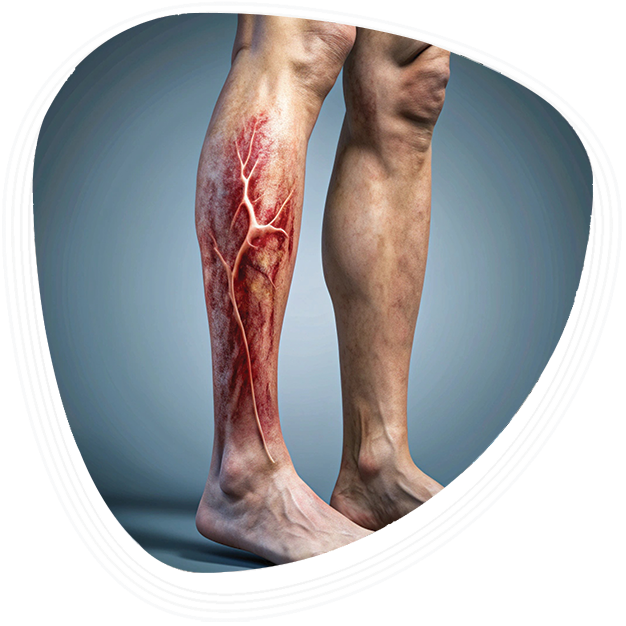
In many individuals, PAD progresses slowly, and early symptoms may be mild or intermittent. Discomfort in the legs while walking, numbness, or a feeling of heaviness may initially improve with rest, leading many people to delay medical evaluation. However, as the disease advances, reduced circulation can result in persistent pain, poor wound healing, skin changes, and increased susceptibility to infections.
Common signs that indicate the need for medical attention include:
- Intermittent Claudication: Muscle pain or cramping in the calves, thighs, or buttocks that starts during exercise (like walking) and stops with rest.
- Leg Numbness or Weakness: A sensation of heaviness in the legs, sometimes described as the legs “giving way”
- Temperature Changes: One foot or lower leg feeling noticeably colder than the other.
- Skin Discoloration: Skin on the legs and hands turning pale, bluish, or reddish when hanging down.
- Rest Pain: A burning or aching sensation in the feet or toes that occurs even while resting, often worsening at night.
- Slow-Healing Wounds: Sores, ulcers, or cuts on the toes or feet that take a long time to heal or do not heal at all.
- Physical Changes: Shiny skin on the legs, loss of leg hair, or thickened, slow-growing toenails.
How Peripheral Artery Disease (PAD) is Diagnosed at Graphic Era Hospital
As Peripheral Artery Disease (PAD) may be subtle or misleading in early stages, diagnosis relies on objective vascular assessments rather than symptoms alone. At Graphic Era Hospital, PAD diagnosis follows a systematic and patient-focused approach, ensuring both early-stage disease and advanced vascular involvement are identified accurately.
Diagnostic evaluation typically includes:
Comprehensive Clinical Evaluation
The process begins with a detailed medical history and physical examination. Specialists look for physical indicators such as:
- Weak or absent pulses in the legs or feet.
- "Whooshing" sounds (bruits) over the arteries heard through a stethoscope.
- Visible signs of poor circulation, such as shiny skin or slow-healing wounds.
Laboratory Tests
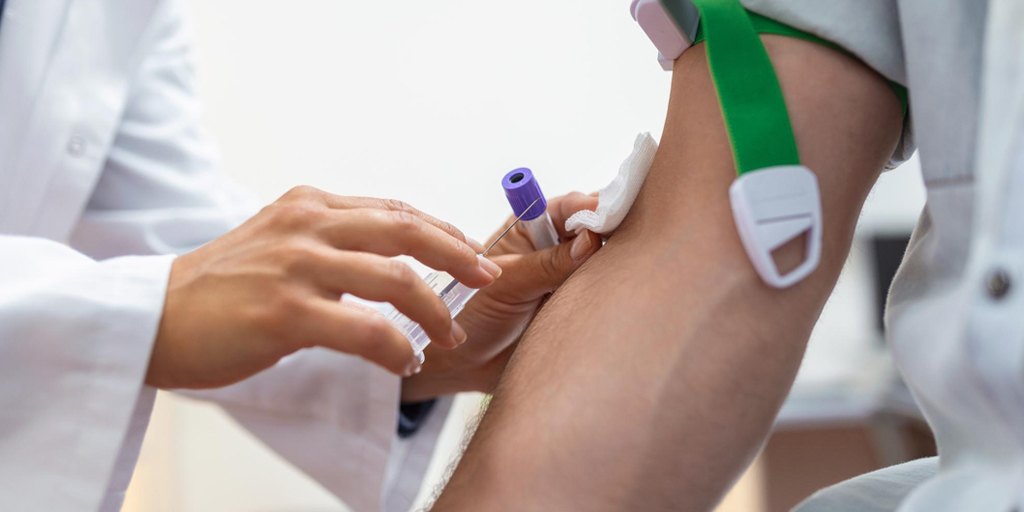
While physical tests confirm the presence of a blockage, blood tests are essential for identifying the underlying conditions contributing to the disease. These tests help specialists manage the "root causes" of PAD:
- Lipid Profile: To measure cholesterol and triglyceride levels, which are the primary components of arterial plaque.
- Blood Sugar and HbA1c: To screen for diabetes, a major risk factor that can accelerate arterial damage.
- Kidney Function Tests: To assess overall health and ensure the safety of contrast dyes used in certain imaging procedures.
Non-Invasive Diagnostic Tests
For most patients, non-invasive testing provides a clear picture of blood flow without the need for surgery:
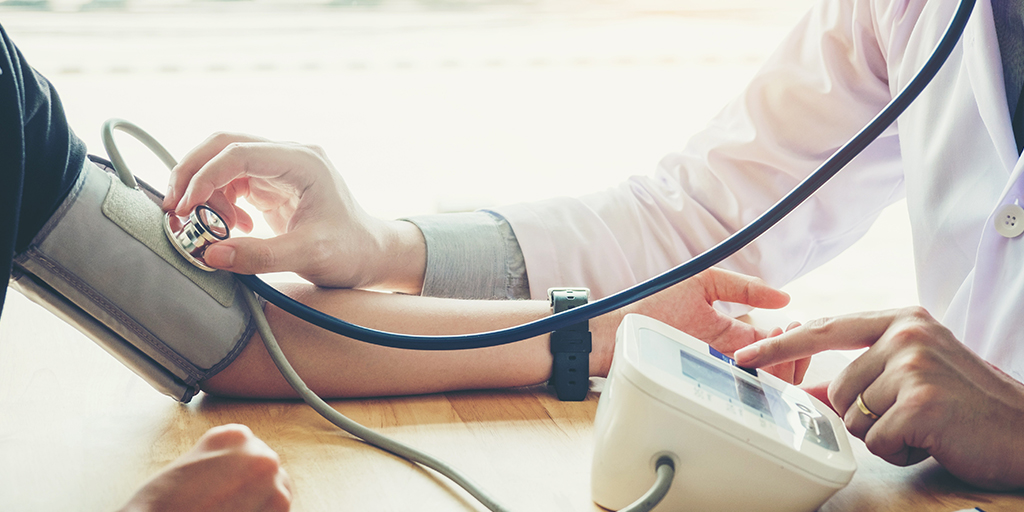
- Ankle-Brachial Index (ABI): The most common test for PAD, which compares the blood pressure measured at the ankle with the blood pressure measured at the arm. A significant difference between the two can confirm the presence of PAD.
- Doppler Ultrasound: High-frequency sound waves are used to visualize the structure of the arteries and measure the speed of blood flow, helping to pinpoint specific areas of narrowing.
- Treadmill Test (Exercise ABI): This test measures how the circulatory system responds to physical activity, helping to diagnose cases where symptoms only appear during exertion.
Advanced Imaging Tests
When detailed mapping of the blockages is required, especially for surgical planning, the hospital utilizes state-of-the-art imaging:
- CT Angiography (CTA): A specialized scan using a 128-slice CT scanner to create detailed, 3D images of the blood vessels.
- Cardiac MRI / MRA: Advanced imaging that provides high-resolution views of the vascular system without using X-rays.
- Digital Subtraction Angiography (DSA): Performed in our advanced Cath Lab, this is the "gold standard" for visualizing blood vessels with extreme clarity, often used just before or during a treatment procedure.
Peripheral Artery Disease Treatment and Management at Graphic Era Hospital, Dehradun
Treatment for peripheral artery disease is tailored to the severity of symptoms, extent of arterial narrowing, overall health status, and the impact of the condition on daily mobility and quality of life. Management focuses not only on improving blood flow to the affected limbs but also on reducing cardiovascular risk and preventing long-term complications through a structured, stepwise approach.
At Graphic Era Hospital, care for peripheral artery disease combines medical management, lifestyle-based interventions, and procedural treatment when required. Patients are supported through regular monitoring and follow-up to assess response to treatment and adjust the care plan as the disease evolves.
Active Monitoring for Early or Mild Disease
In individuals with minimal symptoms or early-stage disease, immediate intervention may not be necessary. Doctors may recommend close observation with periodic assessment of walking capacity, symptom progression, and vascular health. This approach helps avoid unnecessary procedures while ensuring timely escalation of care if symptoms worsen.
Medical Management and Ongoing Monitoring
Medications play a central role in managing peripheral artery disease. Treatment may include drugs that improve blood flow, prevent clot formation, and reduce cholesterol levels, along with therapies aimed at controlling blood pressure and blood sugar. Regular follow-up allows doctors to evaluate treatment effectiveness, monitor side effects, and modify therapy as needed.
Lifestyle and Symptom Management
Supportive measures form an important part of treatment and are often initiated alongside medical therapy. These may include supervised or structured walking programmes, guidance on physical activity, and measures to protect foot and skin health. Lifestyle interventions help improve functional capacity, reduce symptom burden, and support long-term vascular health.
Minimally Invasive Endovascular Procedures (When Indicated)
When symptoms persist despite medical management or when blood flow is significantly compromised, minimally invasive procedures may be recommended. These interventions aim to restore circulation with shorter recovery times and reduced tissue disruption. Depending on arterial anatomy and disease severity, treatment options may include balloon angioplasty, stent placement, or other catheter-based techniques.
Surgical Management for Advanced Peripheral Artery Disease
Surgical treatment is considered in cases of severe arterial blockage, critical limb ischemia, or when minimally invasive options are not suitable. Procedures are designed to bypass or remove blocked segments of arteries and improve blood supply to the affected limb. The choice of surgery is based on careful evaluation of disease extent, limb viability, and overall patient health.
Management of Peripheral Artery Disease–Related Complications
Treatment also addresses complications arising from prolonged reduced blood flow, such as non-healing ulcers, infections, tissue damage, or rest pain. Early identification and targeted management of these issues are essential to prevent limb loss and maintain mobility.
Why Choose Graphic Era Hospital for Peripheral Artery Disease Treatment

Multidisciplinary Team : Care is delivered by a coordinated team that includes vascular surgeons, cardiologists, interventional specialists, radiologists, and physicians experienced in managing cardiovascular risk factors. This collaborative approach ensures that both limb-related symptoms and underlying vascular health are addressed, allowing treatment plans to be tailored to disease severity, overall health, and long-term outcomes.

Advanced Diagnostic Capabilities : The hospital is equipped with modern diagnostic facilities that support accurate evaluation of peripheral artery disease across all stages. Structured assessment using non-invasive vascular testing, Doppler studies, and advanced imaging enables precise identification of arterial narrowing, assessment of blood flow, and informed treatment planning while minimising unnecessary procedures.

Comprehensive Treatment Options : Treatment at Graphic Era Hospital spans conservative management, medical therapy, minimally invasive endovascular procedures, and surgical intervention when required. This range of options allows care to be individualised based on symptom burden, arterial anatomy, and disease progression, with a focus on restoring circulation, preventing complications, and preserving mobility.
Preventing Disease Progression and Supporting Long-Term Vascular Health
Preventing the progression of Peripheral Artery Disease focuses on improving blood circulation, protecting artery health, and reducing strain on the cardiovascular system. With consistent lifestyle measures and medical guidance, many patients are able to slow disease progression and maintain mobility. Here’s how PAD progression can be prevented while supporting long-term vascular health:
Stay Physically Active With Regular Walks
Regular walking helps improve circulation in the legs and encourages the development of alternate blood pathways around narrowed arteries. Supervised or structured walking programmes are especially effective in reducing leg pain and increasing walking distance over time.
Quit Smoking
Smoking significantly accelerates artery narrowing and worsens PAD symptoms. Quitting smoking is one of the most important steps in slowing disease progression and protecting blood vessels from further damage.
Manage Key Cardiovascular Risk Factors
Effective control of diabetes, high blood pressure, and high cholesterol helps reduce ongoing injury to the arteries. Long-term vascular health depends on maintaining these risk factors within recommended ranges through medication, diet, and regular monitoring.
Maintain a Heart-Healthy Diet
A balanced diet rich in fruits, vegetables, whole grains, and lean proteins supports artery health and reduces plaque buildup. Limiting saturated fats, salt, and processed foods helps improve circulation and overall cardiovascular function.
Prioritise Foot and Skin Care
Reduced blood flow increases the risk of slow-healing wounds and infections, particularly in the feet. Daily foot inspection, proper footwear, and early care for cuts or sores help prevent complications and preserve limb health.
Top Peripheral Artery Disease Services Available at Graphic Era Hospital
- Comprehensive vascular evaluation and risk assessment
- Medical management for PAD and cardiovascular risk factors
- Supervised exercise and walking-based therapy guidance
- Minimally invasive endovascular procedures when indicated
- Surgical evaluation for advanced or complex PAD
- Management of PAD-related ulcers, infections, and limb complications
- Long-term follow-up and preventive vascular care
Blog



Heart Attack: Symptoms and Treatment


Increased Heart Rate: Causes, Risks, and When to Seek Medical Attention
Frequently Asked Questions (FAQs)
What causes peripheral artery disease?
Peripheral artery disease is most commonly caused by atherosclerosis, a condition in which fatty deposits (plaque) build up inside the arteries and narrow them. This reduces blood flow to the limbs, especially the legs. Factors such as smoking, diabetes, high cholesterol, high blood pressure, and ageing contribute to the gradual damage of arterial walls and plaque formation.
Who is at risk of developing peripheral artery disease?
PAD can affect anyone, but the risk is higher in individuals who:
- Smoke or use tobacco
- Have diabetes, high blood pressure, or high cholesterol
- Are over the age of 50
- Have a family history of cardiovascular disease
- Lead a physically inactive lifestyle
People with heart disease or a history of stroke are also more likely to develop PAD.
What are the stages of PAD?
Peripheral artery disease progresses through stages, depending on the severity of blood flow restriction:
- Asymptomatic: No noticeable symptoms, despite the presence of arterial blockage.
- Claudication: Leg pain, cramping, or fatigue that begins during walking or exercise and improves with rest.
- Critical Limb Ischemia (CLI): Severe reduction in blood flow causing persistent pain even at rest, along with non-healing sores or ulcers.
- Acute Limb Ischemia (ALI): A sudden and complete blockage of blood flow to a limb. This is a medical emergency requiring immediate treatment.
Is peripheral artery disease a serious condition?
Yes. PAD is a serious condition because it indicates widespread artery disease and increases the risk of heart attack, stroke, limb damage, and infection. If left untreated, advanced PAD can lead to chronic pain, tissue loss, or even amputation. Early diagnosis and treatment significantly reduce these risks.
How is peripheral artery disease treated?
Treatment depends on disease severity and symptoms. Management may include:
- Lifestyle changes such as regular walking and tobacco cessation
- Medications to improve blood flow, reduce clot risk, and control cholesterol, blood pressure, and diabetes
- Minimally invasive procedures like angioplasty or stent placement
- Surgical procedures for severe blockages or critical limb ischemia
Most patients benefit from a combination of these approaches.
Can PAD be cured or reversed?
PAD is generally not curable, but it is manageable. While existing arterial narrowing cannot always be reversed, treatment can slow progression, relieve symptoms, improve mobility, and prevent complications. Long-term control of risk factors plays a key role in disease man agement.
Does PAD increase the risk of heart attack or stroke?
Yes. PAD is a marker of systemic atherosclerosis, meaning similar plaque buildup may be present in the heart and brain arteries. Individuals with PAD have a significantly higher risk of heart attack and stroke, which is why comprehensive cardiovascular care is essential.
How long does recovery take after PAD treatment or surgery?
Recovery time varies depending on the type of treatment:
- Medical and lifestyle-based treatment: Improvement may be gradual over weeks to months.
- Minimally invasive procedures: Most patients resume normal activities within a few days to a week.
- Surgical treatment: Recovery may take several weeks, depending on overall health and procedure complexity.
What is the success rate of catheter ablation?
Success rates vary by arrhythmia type, but for conditions like supraventricular tachycardia or atrial flutter, catheter ablation can have success rates of over 90%.
Who is the best doctor for arrhythmia in Graphic Era Hospital?
Arrhythmia cases are handled by our experienced electrophysiologists and interventional cardiologists, who work together to provide expert, individualised care.
How long does it take to recover from arrhythmia treatment?
Recovery depends on the treatment type. Most patients return to normal activities within a few days to weeks after device implantation or catheter ablation.
 Emergency 24×7 : 1800 889 7351