Typhoid fever remains a significant health concern in India, particularly in regions where water and food contamination can increase the risk of infection. Caused by the Salmonella typhi bacteria, typhoid can lead to prolonged fever, weakness, abdominal discomfort, and serious complications if not treated promptly.
At Graphic Era Hospital, Dehradun, typhoid is managed through a timely and evidence-based approach focused on accurate diagnosis and effective medical care. With access to advanced diagnostic facilities, experienced physicians, and supportive inpatient care when required, the hospital ensures that patients receive the right treatment at the right time. The emphasis is on early intervention, careful monitoring, and complete recovery, helping reduce the risk of complications and recurrence.
What is Typhoid?
Doctors Available




Why Choose Graphic Era Hospital for Typhoid Treatment?

Specialist-Led Diagnosis and Antibiotic Management: Typhoid management at Graphic Era Hospital is led by experienced internal medicine specialists who are well-versed in infectious diseases. Rather than relying on empirical treatment alone, antibiotic selection is carefully guided by the patient’s clinical presentation, prevailing local resistance patterns, and laboratory sensitivity reports. This evidence-based approach helps minimise the risk of treatment failure, reduces the chances of antibiotic resistance, and lowers the likelihood of relapse. Each treatment plan is individualised, ensuring that patients receive the most appropriate therapy from the outset.

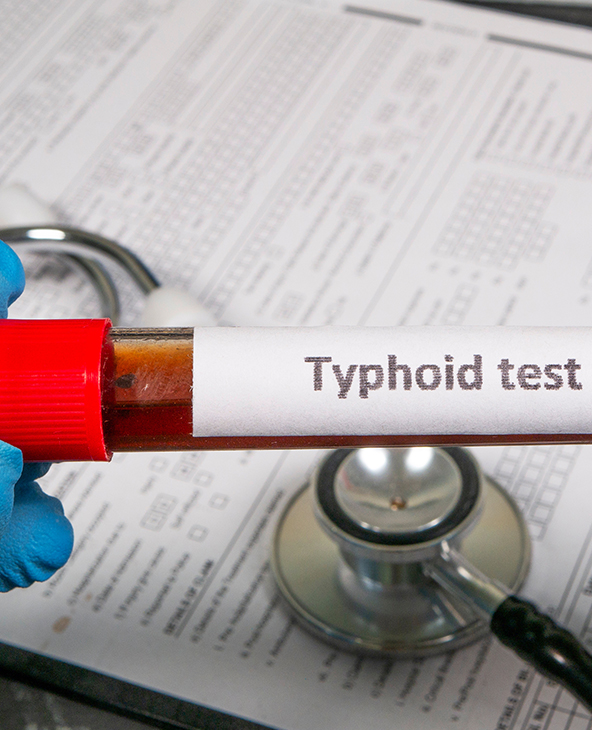
Comprehensive In-House Diagnostic Capability: Early and accurate diagnosis is central to effective typhoid management. Graphic Era Hospital offers a full spectrum of diagnostic investigations within the hospital itself, including blood culture, Widal test, Typhidot, and complete blood count. Having these facilities available in-house eliminates delays associated with external laboratory referrals and enables faster clinical decision-making. Prompt availability of results allows doctors to initiate targeted treatment early, improving recovery outcomes and reducing the risk of complications.

Multidisciplinary Management of Complicated Cases: Typhoid can affect multiple organs, particularly in advanced or untreated cases, making coordinated care essential. At Graphic Era Hospital, the internal medicine team works in close collaboration with gastroenterologists, hepatologists, general surgeons, and critical care specialists to manage complex presentations. Conditions such as intestinal perforation, typhoid hepatitis, and encephalopathy are handled through a comprehensive and coordinated approach. This ensures that every patient benefits from integrated expertise across specialties, leading to safer management and better clinical outcomes.
Typhoid Care at Graphic Era Hospital: From Diagnosis to Recovery
Diagnostic Approach
Early and accurate diagnosis is central to determining the severity of typhoid fever and selecting the most appropriate antibiotic treatment. At Graphic Era Hospital, Dehradun, physicians follow a structured diagnostic pathway to ensure timely confirmation and effective management. The following investigations are used to evaluate suspected typhoid:
- Blood Culture: This is the gold standard for diagnosing typhoid fever. A blood sample is cultured to identify Salmonella typhi and determine its antibiotic sensitivity. This helps guide definitive treatment. The test is most accurate during the first week of illness.
- Widal Test: A serological test that measures antibodies against Salmonella typhi antigens in the blood. It serves as a supportive diagnostic tool, particularly when culture facilities are not immediately available. Results are always interpreted in conjunction with clinical findings.
- Typhidot Test: A rapid serological test that detects IgM and IgG antibodies against Salmonella typhi. It provides quicker results than culture and is useful in early diagnosis when there is strong clinical suspicion.
- Complete Blood Count (CBC): This test evaluates white blood cell count, platelet levels, and haemoglobin. Common findings in typhoid include leucopaenia, anaemia, and thrombocytopaenia, which support the clinical diagnosis.
- Liver Function Tests: Typhoid fever can affect liver function. Elevated liver enzymes are commonly seen and require monitoring, especially in prolonged illness or when hepatic involvement is suspected.
- Abdominal Ultrasound: Imaging is used in selected cases to assess complications. It helps detect enlargement of the liver and spleen, gallbladder involvement, or the presence of free fluid in the abdomen, which may indicate intestinal perforation in advanced cases.
Treatment Approach
Typhoid treatment is individualised based on the severity of illness, the patient’s age, and antibiotic sensitivity results. At Graphic Era Hospital, Dehradun, the focus is on timely intervention, targeted therapy, and careful monitoring to ensure complete recovery and prevent recurrence. The treatment approach includes:
- Antibiotic Therapy: Antibiotics form the cornerstone of typhoid treatment. Commonly used options include fluoroquinolones, third-generation cephalosporins, and azithromycin. The choice of antibiotic is guided by local resistance patterns and laboratory sensitivity results rather than empirical selection alone. Completing the full prescribed course, typically lasting seven to fourteen days, is essential to eliminate the infection, prevent relapse, and reduce the risk of a carrier state.
- Fever and Symptom Management: Managing fever and discomfort is an important part of supportive care. Paracetamol is used to control fever and body aches. Aspirin and ibuprofen are avoided due to the increased risk of gastrointestinal bleeding in typhoid. Patients are advised adequate rest, along with regular monitoring of temperature and overall condition.
- Hydration and Nutritional Support: Maintaining proper hydration is critical, especially in patients experiencing diarrhoea, vomiting, or prolonged fever. Oral fluids are encouraged whenever possible. In cases where oral intake is insufficient or dehydration is evident, intravenous fluids are administered. Nutritional support is also emphasised to aid recovery and maintain strength during illness.
- Hospitalisation for Severe Cases: Patients presenting with persistent high fever despite initial treatment, altered consciousness, signs suggestive of intestinal perforation, or significant gastrointestinal bleeding require hospital admission. In such cases, treatment involves intravenous antibiotics, continuous monitoring, and specialist-led care.
- Surgical Management of Complications: Severe typhoid can lead to complications that require surgical intervention. Intestinal perforation is the most serious of these and requires emergency surgery. At Graphic Era Hospital, the general surgery team is available round the clock to manage such situations promptly, ensuring timely intervention and improved patient outcomes.
Post-Recovery Guidance
Recovery from typhoid does not end with symptom resolution. Careful follow-up and lifestyle measures are essential to ensure complete recovery, prevent relapse, and reduce the risk of transmission to others. At Graphic Era Hospital, patients are guided through the recovery phase with clear, practical advice. The following measures are recommended after treatment:
- Completion of the Full Antibiotic Course: Patients must complete the entire prescribed course of antibiotics, even if symptoms improve earlier. This ensures complete eradication of the bacteria and significantly reduces the risk of relapse or persistent infection.
- Follow-Up Testing for Carrier State: In certain individuals, particularly those involved in food handling or healthcare, follow-up stool cultures may be advised. This helps confirm bacterial clearance and rule out a chronic carrier state that can contribute to ongoing transmission.
- Gradual Return to Normal Diet: Diet should be reintroduced gradually. Patients are advised to begin with light, easily digestible foods and progress to a regular diet as appetite improves and bowel function stabilises.
- Vaccination and Preventive Counselling: Patients and their families may receive guidance on typhoid vaccination, especially if there is a risk of future exposure. This is particularly important for those planning travel to areas where typhoid is more common.
- Hygiene and Sanitation Practices: Maintaining strict personal and household hygiene is essential during and after recovery. Proper handwashing, safe food handling, and access to clean drinking water help prevent reinfection and protect close contacts from exposure.
Top Typhoid Tests and Treatments
- Blood Culture and Sensitivity Testing
- Widal Test
- Typhidot Test (IgM and IgG)
- Complete Blood Count (CBC)
- Liver Function Tests
- Abdominal Ultrasound
- Stool Culture
- Urine Culture
- Fluoroquinolone Antibiotic Therapy
- Third-Generation Cephalosporin Therapy
- Azithromycin Therapy
- Intravenous Antibiotic Administration
- Oral Rehydration Therapy
- Intravenous Fluid Replacement
- Antipyretic Therapy
- Nutritional Support and Dietary Management
- Surgical Management of Intestinal Perforation
- Typhoid Vaccination
Typhoid-Related Conditions Managed at Graphic Era Hospital
Advanced Diagnostics & Technology
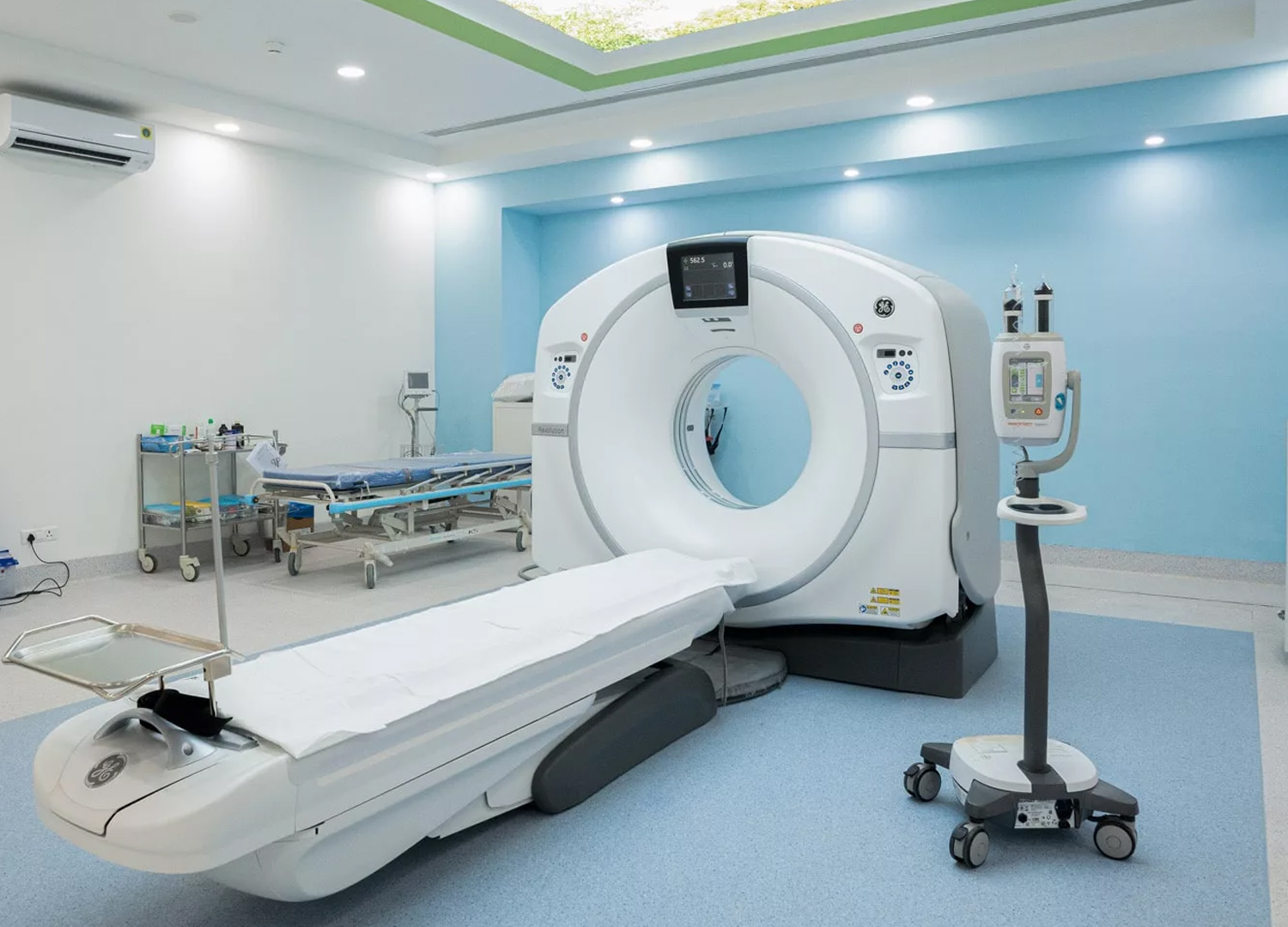
- Offers high-resolution imaging for detailed blood vessel analysis, aiding in accurate diagnosis and treatment planning.
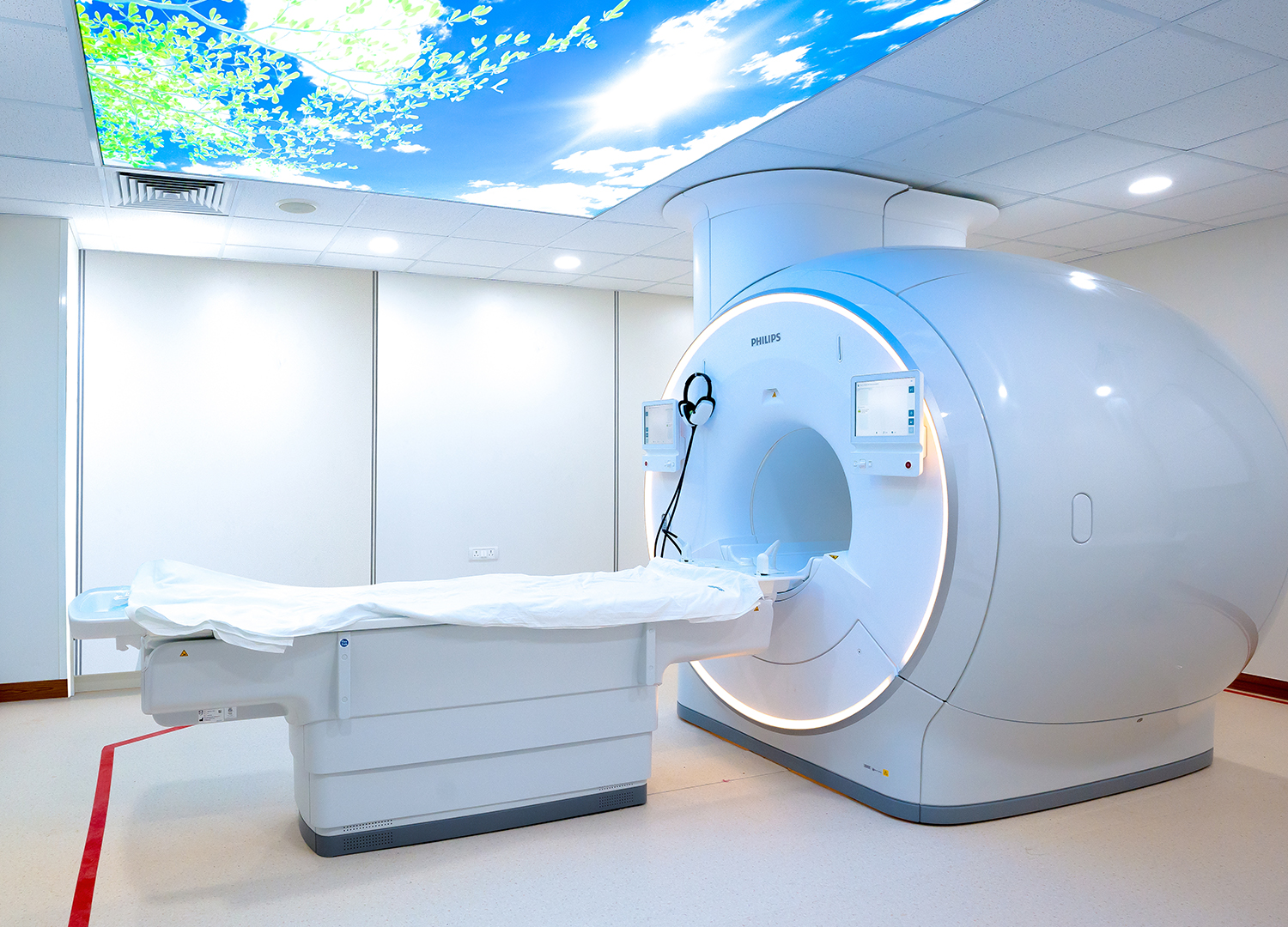
- Delivers advanced imaging with high resolution for clear, detailed views of soft tissues, ensuring precise diagnostics.
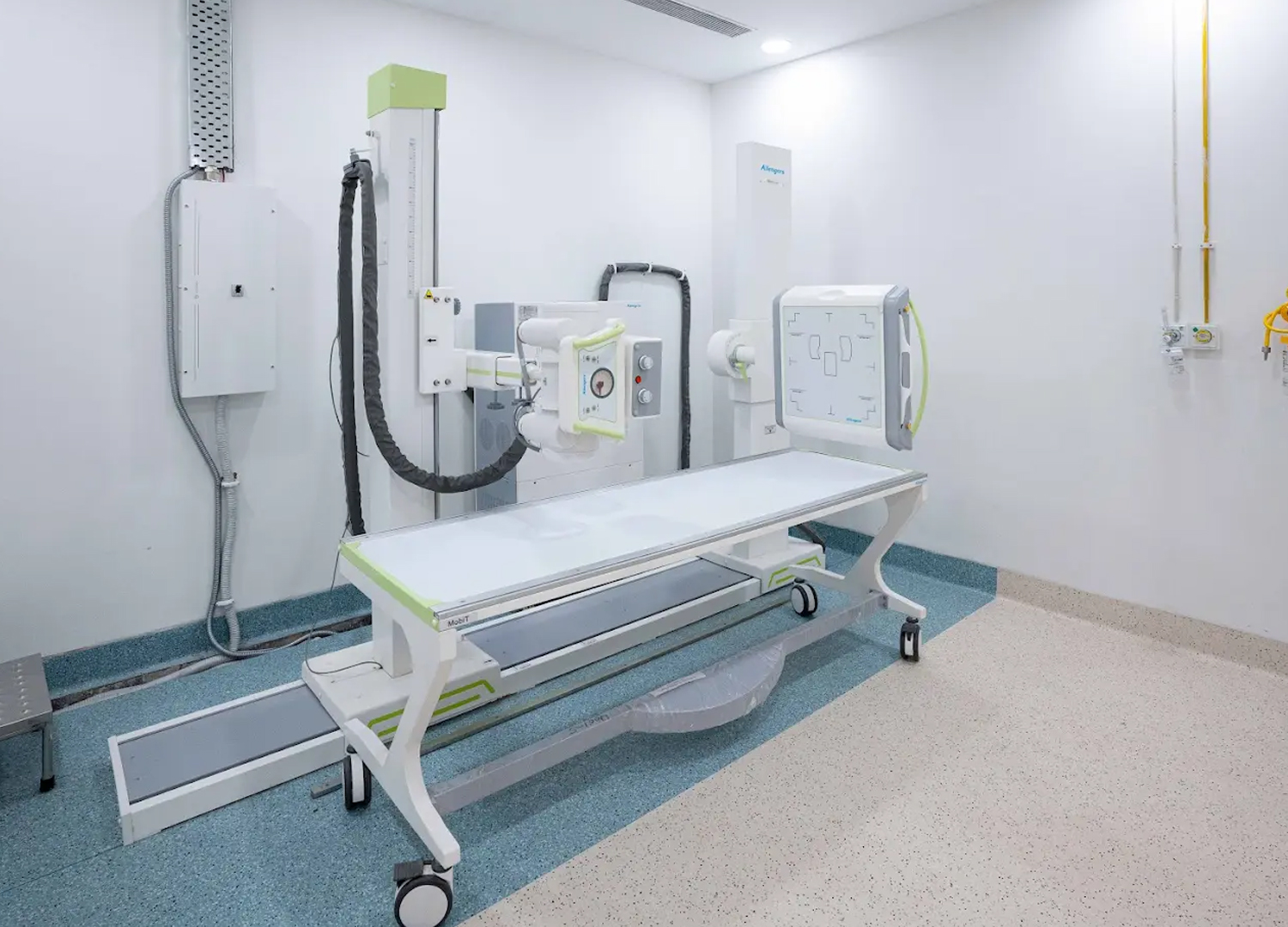
- Provides high-quality, detailed radiographic images for accurate diagnosis with minimal exposure to radiation.
Other Specialities


Patient Stories




Blog





Frequently Asked Questions (FAQs)
How long does typhoid treatment take?
A standard course of antibiotic treatment for uncomplicated typhoid typically lasts seven to 14 days depending on the antibiotic used and the patient’s clinical response. Completing the full course is essential even after symptoms resolve, as stopping early significantly increases the risk of relapse and carrier state.
What should I eat during typhoid fever?
During typhoid, easily digestible, low-fibre foods are recommended, including boiled rice, khichdi, bananas, boiled potatoes and well-cooked vegetables. Adequate fluid intake is critical. Spicy, oily, raw and high-fibre foods should be avoided until full recovery. Our team provides personalised dietary guidance based on the patient’s symptoms and stage of illness.
Can typhoid come back after treatment?
Yes. Relapse occurs in approximately 10 percent of typhoid cases, typically two to three weeks after apparent recovery. It usually presents with milder symptoms than the initial episode and responds to a further course of antibiotics. Regular follow-up after completing treatment helps detect relapse early.
Is typhoid vaccine available and effective?
Typhoid vaccines are available and recommended for individuals travelling to endemic regions, household contacts of confirmed typhoid cases and high-risk groups. While vaccination significantly reduces the risk of infection, it does not provide complete protection and should be combined with food and water hygiene precautions. Our team provides vaccination counselling and administration at Graphic Era Hospital.
When does typhoid require hospitalisation?
Hospitalisation is recommended when fever is very high and unresponsive to initial treatment, when the patient is unable to tolerate oral fluids or medications, or when signs of complications such as severe abdominal pain, rectal bleeding or altered consciousness are present. Our team assesses each patient individually to determine whether inpatient or outpatient management is appropriate.
How do I book an appointment at Graphic Era Hospital for typhoid treatment?
You can book an appointment through our website, call 1800-889-7351, or visit the outpatient department directly. Our team will assist you in scheduling your consultation at the earliest available slot.
How is typhoid different from other fevers?
Typhoid fever is characterised by a sustained high fever that rises gradually over the first week, along with headache, abdominal symptoms, and marked fatigue. Unlike malaria or dengue, the fever pattern does not typically rise and fall sharply. A confirmed diagnosis requires laboratory testing, such as blood culture or serological tests, as symptoms alone are not sufficient for accuracy.