Congenital diaphragmatic hernia (CDH) is a serious condition present at birth that can significantly affect a baby’s breathing and overall stability in the early stages of life. As it impacts lung development, many babies require immediate medical attention and carefully coordinated care soon after diagnosis.
CDH is sometimes detected during routine prenatal scans, giving families and medical teams time to plan ahead. However, when it is identified only at birth, prompt intervention and specialised neonatal care are essential to stabilise the newborn.
At Graphic Era Hospital, the management of congenital diaphragmatic hernia follows a structured, multidisciplinary approach. Care focuses on stabilising breathing, supporting lung function, and planning timely surgical repair based on the baby’s condition. With advanced neonatal care facilities, specialised surgical expertise, and continuous monitoring, treatment is designed to improve outcomes and support each child through recovery.
What is Congenital Diaphragmatic Hernia (CDH)?
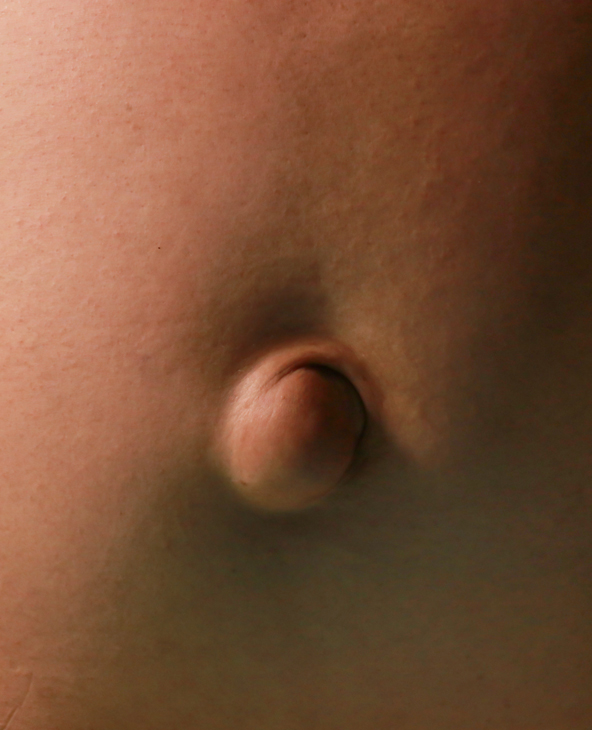
Congenital Diaphragmatic Hernia is a condition present at birth in which there is an abnormal opening in the diaphragm, the muscle that separates the chest cavity from the abdomen and plays a key role in breathing. This opening allows abdominal organs such as the stomach, intestines, and sometimes the liver to move into the chest cavity.
As the chest space is occupied by these organs, the lungs do not have enough room to develop fully during pregnancy. This leads to underdeveloped lungs, a condition known as Pulmonary Hypoplasia, which directly affects the baby’s ability to breathe effectively after birth.
The severity of CDH can vary from one child to another. In some cases, the condition is identified during pregnancy, while in others, it becomes apparent immediately after birth due to breathing difficulties. Understanding how CDH affects lung development helps parents recognise why early medical support and timely treatment are essential for a safe recovery.
Causes and Risk Factors
Congenital Diaphragmatic Hernia develops during pregnancy when the diaphragm does not form completely as the baby grows in the womb. The diaphragm is meant to fully separate the chest and abdominal cavities, but in CDH, a gap remains, allowing abdominal organs to move into the chest and affect normal lung development.
In most cases, there is no single identifiable reason why this happens. It is considered a developmental condition, meaning it occurs as part of how the baby’s body forms before birth rather than due to anything done during pregnancy. This can be reassuring for parents, as CDH is not caused by routine activities, diet, or lifestyle choices.
Certain factors may be associated with a higher likelihood of CDH, although they are not always present:
- Genetic influences or chromosomal abnormalities in some cases
- Association with other congenital conditions affecting the heart, lungs, or digestive system
- Early disruptions in fetal development that affect how organs and structures form
It is important to understand that many babies diagnosed with CDH have no clear risk factors. The focus, therefore, remains on early detection, careful monitoring, and timely medical care to support the baby’s breathing and overall development.
Symptoms of Congenital Diaphragmatic Hernia
Congenital Diaphragmatic Hernia most often presents immediately after birth, as the baby may struggle to breathe due to underdeveloped lungs. The symptoms are closely linked to how much the lungs are affected and how much space is occupied by abdominal organs in the chest.
In Newborns
- Difficulty breathing soon after birth
- Rapid or laboured breathing
- Bluish discolouration of the skin (low oxygen levels)
Clinical Indicators Observed by Doctors
- A sunken or less prominent abdomen, as abdominal organs have shifted into the chest
- Reduced or uneven breath sounds on one side of the chest
- Increased effort in breathing, including chest retractions
Warning Signs Requiring Immediate Medical Attention
- Severe respiratory distress
- Poor oxygen levels despite support
- Difficulty in feeding or maintaining stability
These symptoms require urgent medical evaluation, as CDH affects both breathing and oxygen delivery to the body. Early recognition and prompt supportive care play a critical role in stabilising the baby and preparing for further treatment.
When Should Parents Seek Medical Care?
Congenital Diaphragmatic Hernia typically requires medical attention either during pregnancy or immediately after birth, and in both situations, timely care is essential.
During pregnancy, CDH may be suspected on a routine ultrasound. If identified, further evaluation and planning for delivery at a centre with specialised neonatal care become important to ensure immediate support after birth.
After birth, the condition usually presents with breathing difficulty. A newborn may breathe rapidly, appear distressed, or develop a bluish skin tone due to low oxygen levels. These signs require urgent medical attention and immediate care in a neonatal intensive care unit (NICU).
Early recognition and prompt medical support allow doctors to stabilise the baby safely and plan the next steps in treatment, helping reduce the risk of complications during this critical phase.
Doctors Available

Prof. Dr. Rupa Dalmia Singh
Senior Consultant & HOD
Paediatrics
Experience: 27 Years
Book An Appointment



Dr. Deep Shikha Baranwal
Consultant
Paediatric, Paediatric Nephrology
Experience: 7 Years
Book An Appointment

Why Choose Graphic Era Hospital for CDH Treatment in Dehradun
Choosing the right hospital for managing Congenital Diaphragmatic Hernia (CDH) is an important decision, as it directly influences the level of care a newborn receives during a critical phase. The condition requires not only timely intervention but also access to specialised facilities and a team experienced in handling complex neonatal cases. At Graphic Era Hospital, care is designed around these essential requirements, with a focus on ensuring that every aspect of treatment, from initial stabilisation to recovery, is handled with precision and continuity. Here’s what sets us apart in the management of CDH:

Advanced Neonatal Intensive Care (NICU) Support : Newborns with CDH often require immediate respiratory assistance after birth. The hospital is equipped with advanced NICU facilities, including ventilatory support and continuous monitoring, to stabilise and support babies during this critical phase.

Experienced Paediatric Surgical Expertise : Surgical repair is carried out by a team experienced in managing complex neonatal conditions. Each case is individually assessed to determine the optimal timing and surgical approach, ensuring careful and precise intervention.

Integrated Multidisciplinary Care and Prenatal Planning : Care is delivered through close coordination between neonatologists, paediatric surgeons, anaesthetists, and nursing teams. When diagnosed during pregnancy, families are also supported with counselling and delivery planning to ensure immediate and appropriate care at birth.
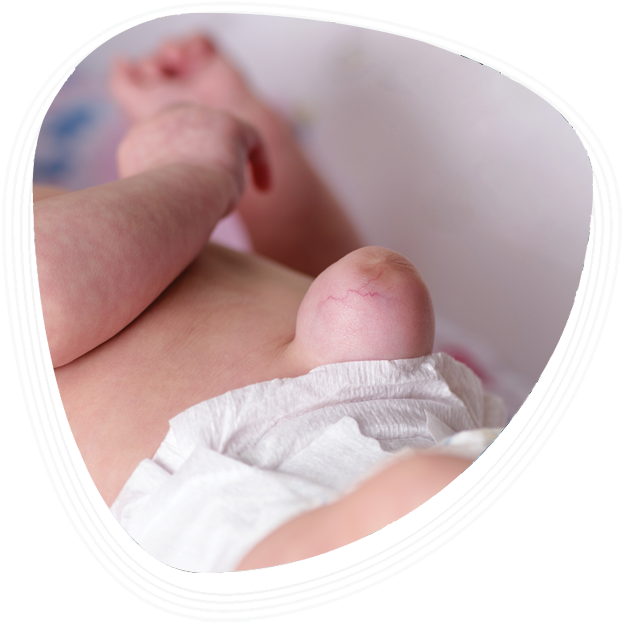
Congenital Diaphragmatic Hernia (CDH) Treatment: From Diagnosis to Recovery
Management of Congenital Diaphragmatic Hernia involves a carefully planned sequence of care, beginning with early diagnosis, followed by stabilisation, surgical repair, and ongoing recovery support. Each stage is essential to ensure the baby’s safety and long-term well-being.
Diagnosis
Prenatal Diagnosis
In many cases, CDH is detected during routine pregnancy ultrasounds. These scans help identify the position of abdominal organs and assess how the lungs are developing. Early diagnosis allows doctors and families to plan delivery at a centre equipped for specialised neonatal care.
Postnatal Diagnosis
If not detected before birth, CDH is usually identified immediately after delivery due to breathing difficulties. A clinical examination is followed by imaging, such as a chest X-ray, to confirm the diagnosis and understand the severity of the condition and 2D ECHO for associated heart defects and status of pulmonary vessels .
Initial Stabilisation (Critical Phase)
Before surgery, the primary focus is on stabilising the baby’s breathing and overall condition.
- Respiratory support using oxygen or mechanical ventilation
- Careful monitoring of heart and lung function
- Supportive measures to maintain oxygen levels and circulation
This phase is crucial because surgery is performed only after the baby is stable enough to tolerate the procedure safely.
Surgical Treatment
Once stabilised, surgery is performed to correct the defect in the diaphragm.
- The displaced abdominal organs are gently moved back into the abdomen
- The opening in the diaphragm is repaired
- In larger defects, a patch or mesh may be used to strengthen the repair
The surgical approach is typically open in newborns, although minimally invasive techniques may be considered in selected cases.
Recovery and Long-Term Care
Recovery after CDH surgery varies depending on the severity of the condition and the baby’s overall health.
- Continued care in the NICU to support breathing and feeding
- Gradual improvement in lung function over time
- Monitoring growth, development, and respiratory health
Some babies may require longer follow-up to ensure that lung development and overall growth remain on track. Families are guided at each step to help them understand the recovery process and care needs at home.
Top Procedures and Investigations for CDH
- Prenatal Ultrasound – Helps detect CDH during pregnancy and assess organ position and lung development
- Fetal Assessment (Lung Evaluation) – Evaluates the extent of lung development and severity of the condition
- Chest X-ray – Confirms diagnosis after birth and shows the position of abdominal organs in the chest
- Neonatal Intensive Care Monitoring – Continuous monitoring of breathing, oxygen levels, and vital parameters
- Ventilator Support – Provides respiratory assistance in babies with breathing difficulty
- CDH Surgical Repair – Corrects the diaphragmatic defect and repositions abdominal organs
- Patch Repair (for Large Defects) – Strengthens the diaphragm when primary closure is not possible
- Post-Surgical Follow-Up and Monitoring – Tracks recovery, lung function, and overall development
Advanced Diagnostics & Technology
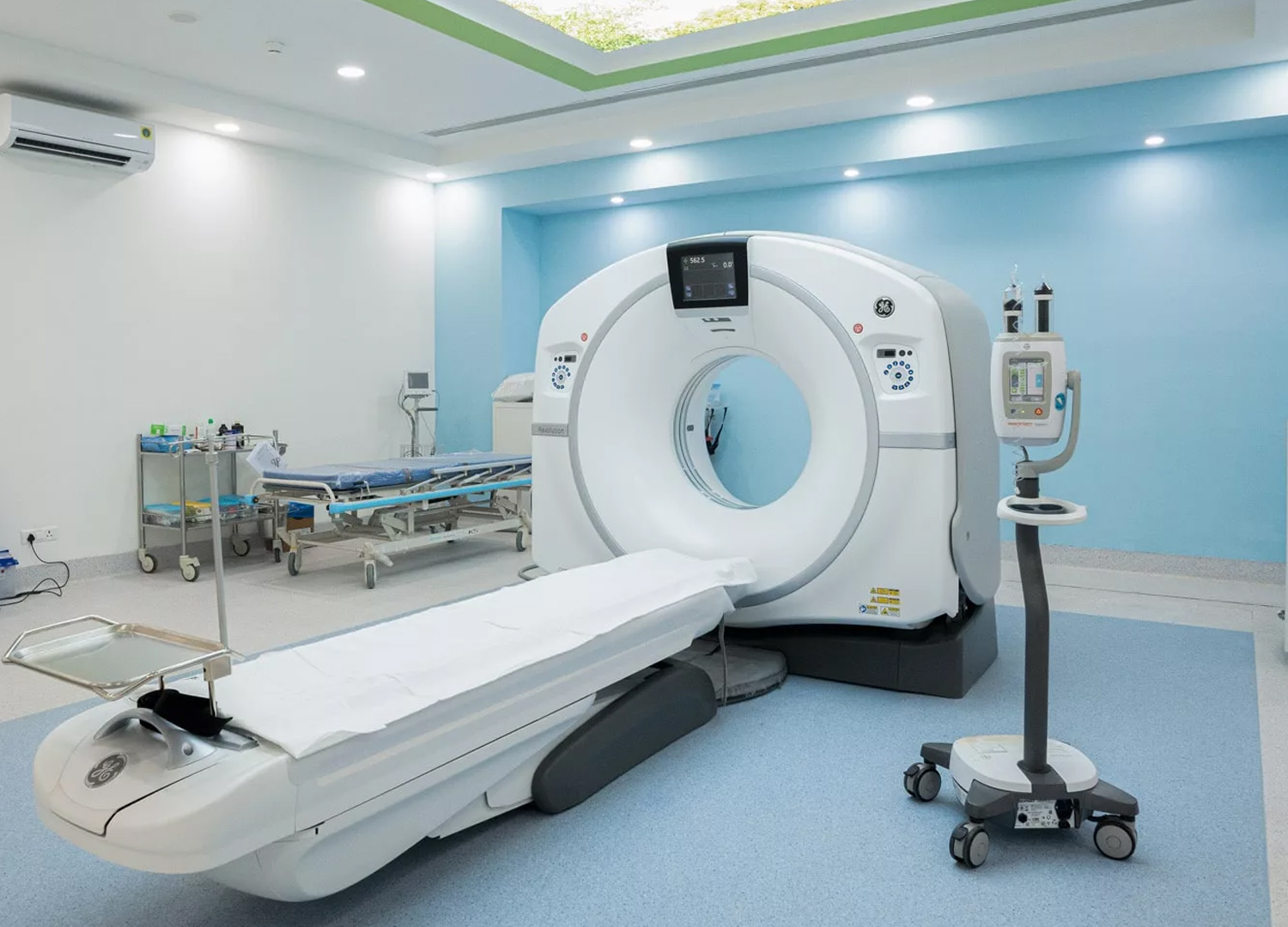
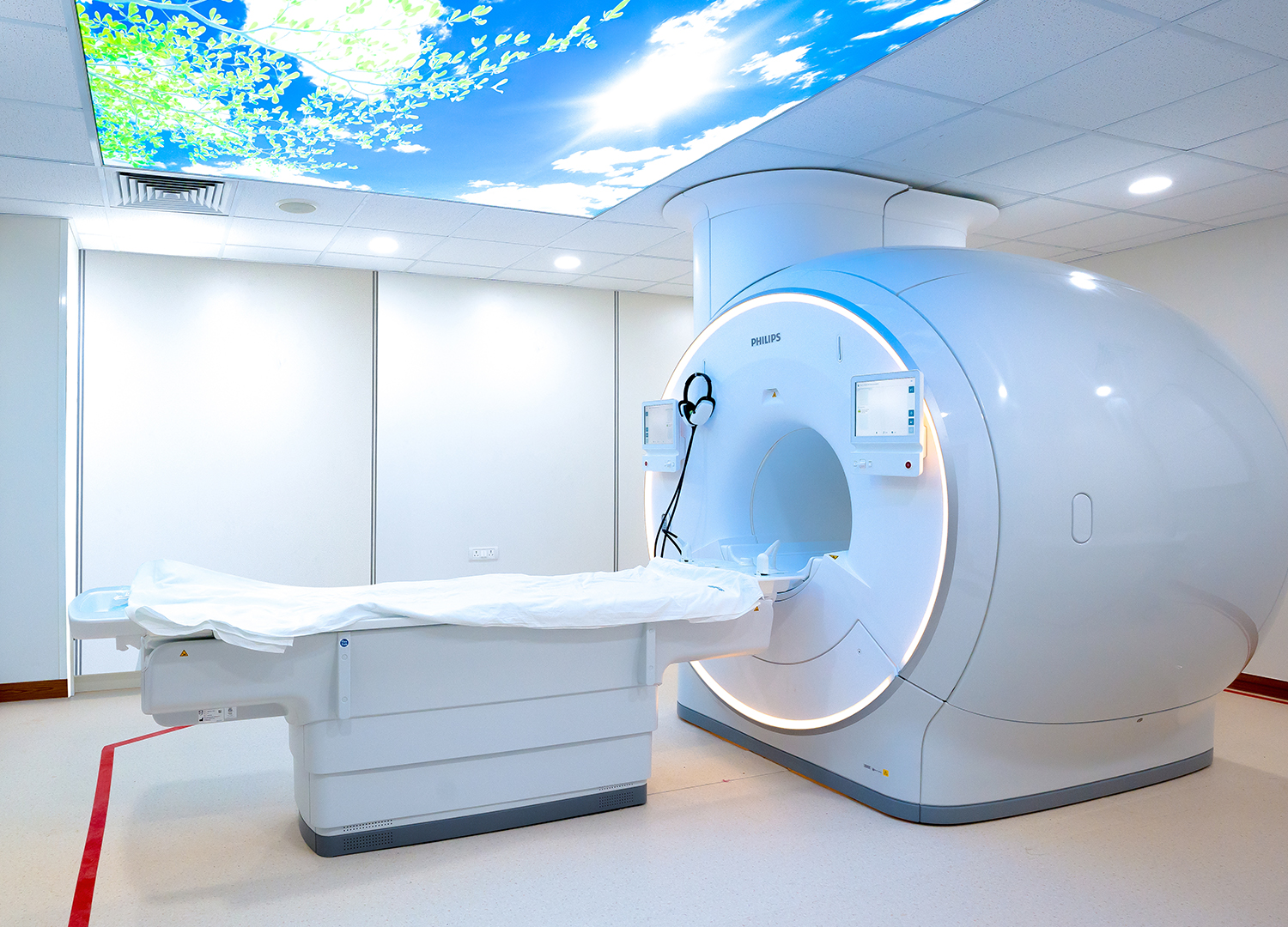
- Offers high-resolution imaging for detailed blood vessel analysis, aiding in accurate diagnosis and treatment planning.
- Delivers advanced imaging with high resolution for clear, detailed views of soft tissues, ensuring precise diagnostics.
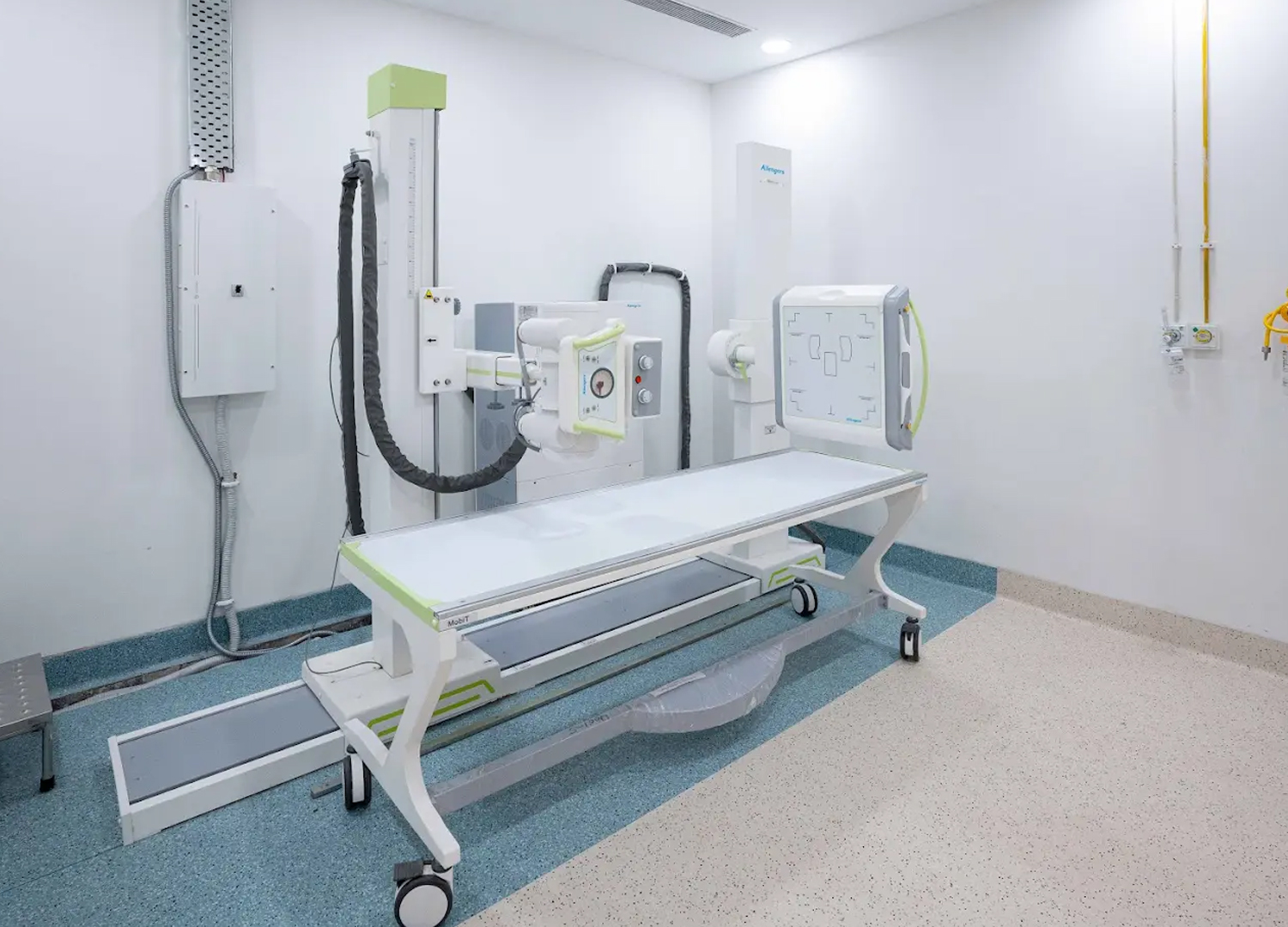
- Provides high-quality, detailed radiographic images for accurate diagnosis with minimal exposure to radiation.
Other Specialities


Patient Stories





Blog








Frequently Asked Questions (FAQs)
Can babies with CDH lead a normal life after treatment?
Many babies go on to lead healthy lives, especially with timely treatment and proper follow-up. However, recovery may vary depending on lung development, and some children may need ongoing monitoring for breathing, growth, or feeding.
How long does a baby usually stay in the NICU after CDH surgery?
The duration varies based on the severity of the condition and how well the baby responds to treatment. Some babies may need a few weeks of care, while others may require a longer stay for respiratory support and monitoring.
Will my baby have breathing problems in the future?
Some children may experience mild to moderate respiratory issues as they grow, especially if lung development was significantly affected. Regular follow-ups help monitor and manage any long-term concerns effectively.
Is CDH likely to occur again in future pregnancies?
In most cases, CDH occurs sporadically and the risk of recurrence is low. However, your doctor may recommend genetic counselling or additional monitoring in future pregnancies as a precaution.
Can CDH affect feeding or growth after birth?
Yes, some babies may initially face feeding difficulties or slower weight gain. With medical guidance, nutritional support, and gradual progression, most children improve over time.
What kind of follow-up care is needed after discharge?
Follow-up typically includes monitoring lung function, growth, feeding, and overall development. Regular paediatric and specialist visits help ensure the child continues to progress well.
Are there any long-term complications parents should be aware of?
Some children may have ongoing concerns such as respiratory sensitivity, reflux, or developmental delays. Early monitoring and intervention help manage these effectively.
How can parents prepare emotionally and practically for CDH treatment?
It can be an overwhelming experience. Staying informed, maintaining regular communication with the care team, and seeking support from family or counselling services can help parents cope during this phase.
How do I book an appointment at Graphic Era Hospital for congenital diaphragmatic hernia treatment?
You can book an appointment through the hospital’s website, call 1800-889-7351, or visit the outpatient department directly. The team will assist you in scheduling your consultation at the earliest.