Fever is one of the most common health concerns affecting individuals across all age groups. It is a natural response of the body’s immune system, which can indicate various underlying disorders such as dengue, malaria, typhoid, or other conditions that require medical attention. At Graphic Era Hospital, Dehradun, we provide comprehensive care for fever, offering accurate diagnosis and personalised treatment for both adults and children. With advanced diagnostic facilities and experienced doctors, the hospital ensures timely and appropriate care across mild to severe cases, including high temperature fever and recurrent infections.
What is Fever?
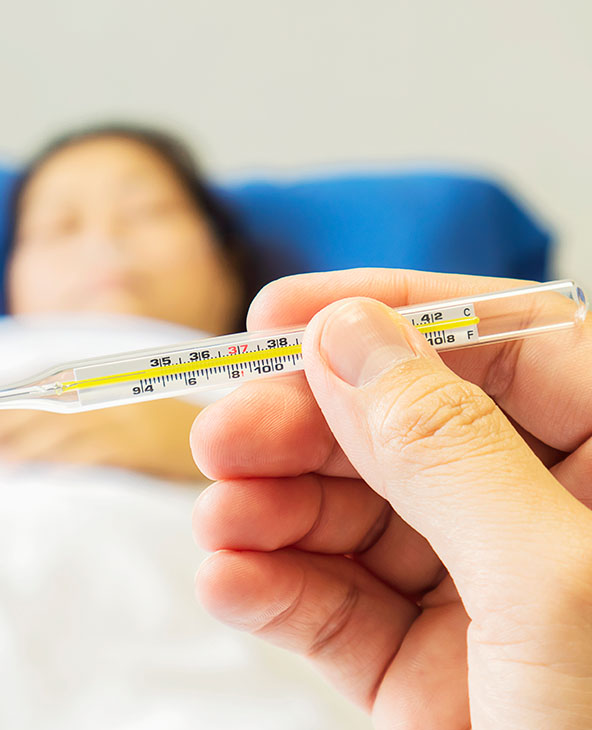
Fever refers to a temporary rise in body temperature, usually above 37.5°C (99.5°F). It is not a disease in itself but a symptom indicating that the immune system is actively fighting off harmful pathogens such as viruses or bacterial infections.
A persistent high fever may be associated with viral infections, typhoid fever, or conditions such as dengue. Understanding what fever is and its underlying cause is essential for selecting the right fever medicine or treatment approach.
How Does Fever Manifest and What are the Associated Symptoms?
Fever can present differently in each individual, depending on the underlying cause and severity. At Graphic Era Hospital, doctors assess symptoms carefully to guide accurate fever diagnosis and treatment. Common symptoms of fever include:
High Temperature Fever
A persistent rise in body temperature above normal levels is the primary sign. In severe cases, high fever may exceed 39°C and require immediate attention.
Headaches
Fever often leads to headaches due to dehydration, inflammation, or increased body temperature affecting blood flow.
Body Aches and Weakness
Muscle pain and fatigue are common in viral infections and conditions requiring viral fever treatment.
Chills and Sweating
Patients may experience alternating chills and sweating as the body attempts to regulate temperature.
Loss of Appetite
Reduced hunger is common as the body prioritises fighting infection over digestion.
Dehydration
Fever increases fluid loss, leading to dehydration, which may worsen symptoms if not managed properly.
Symptoms Linked to Specific Viral Conditions:
In infections like dengue, fever may be accompanied by severe body pain, rash, eye discomfort, and a drop in platelet count.
Menstrual Cycle Changes (in some women)
Fever may temporarily affect the menstrual cycle, especially when associated with infections or stress on the body.
Causes of Fever
Fever can arise from a wide range of medical conditions. Identifying the causes of fever is essential for effective treatment.
- Viral Infections: These are the most frequent cause of fever and include conditions requiring viral fever treatment, such as influenza.
- Bacterial Infections: Serious infections like typhoid fever or urinary tract infections often lead to sustained high fever and need targeted antibiotics.
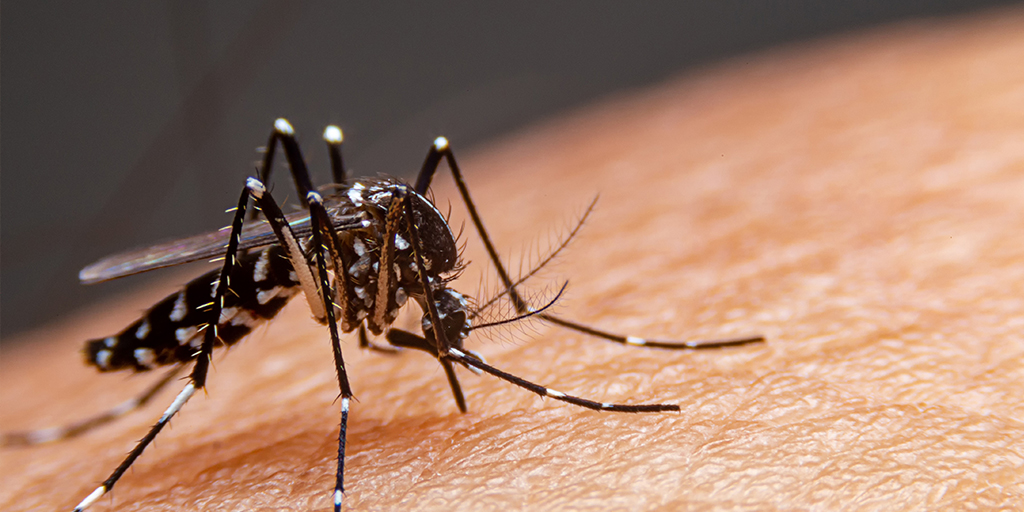
- Dengue and Other Vector-Borne Diseases: Mosquito-borne illnesses present with distinct symptoms and require prompt medical care.
- Dehydration: Lack of fluids can disrupt body temperature regulation and may worsen fever.
- Inflammatory Conditions: Certain autoimmune or inflammatory disorders may also cause recurring fever.
How to Reduce Fever
To manage fever, a combination of medical care and supportive measures is required that helps the body recover while keeping symptoms under control. The goal is not only to reduce temperature but also to address discomfort and prevent complications.
- Use of Prescribed Fever Medicine: Medicines such as paracetamol are commonly used to lower body temperature and relieve associated discomfort such as headaches and body aches. Dosage should always follow medical advice, especially for children.
- Adequate Hydration: Fever increases fluid loss through sweating, which can quickly lead to dehydration. Regular intake of water, oral rehydration solutions, soups, and fluids helps maintain electrolyte balance and supports recovery.
- Rest and Recovery: The body’s immune system functions more effectively when energy is conserved. Adequate rest allows the body to focus on fighting the underlying infection.
- Temperature Regulation Measures: Wearing light, breathable clothing and maintaining a well-ventilated, comfortable room temperature helps prevent overheating. Avoid excessive layering, which may trap heat.
- Regular Monitoring of Temperature: Tracking temperature at regular intervals helps identify patterns such as persistent high fever over 102°F (38.9°C) or fluctuations that may indicate worsening infection.
- Nutritional Support: Light, easily digestible meals help maintain energy levels without putting strain on digestion, which is often affected during fever.
Home remedies for fever, such as lukewarm sponging, may provide temporary relief but do not address the underlying cause. Persistent symptoms or recurring fever should always be evaluated by a doctor to ensure appropriate treatment.
When to Consult a Doctor for Fever
Although many cases of fever resolve with basic at-home care, certain patterns and symptoms indicate the need for medical evaluation. Early consultation ensures timely fever diagnosis and helps prevent complications, especially in vulnerable groups.
Adults
- Fever above 39°C (102°F): A sustained high temperature may indicate a more serious infection, such as bacterial infections, dengue, or typhoid fever.
- Fever lasting more than 3 days: Persistent fever without improvement often requires further investigation to identify the underlying cause.
- Severe symptoms: Symptoms such as headaches, confusion, or persistent vomiting may suggest systemic involvement or complications that need urgent attention.
Children
- Infants below 3 months with any fever: Even a mild fever in newborns can indicate a serious infection and should be evaluated immediately.
- Temperature above 38°C in young children: Younger children are more vulnerable to rapid changes in body temperature and require closer monitoring.
- Fever in children with additional symptoms: Irritability, rash, refusal to eat, excessive sleepiness, or difficulty waking may signal underlying conditions requiring prompt care.
Emergency Signs (All Age Groups)
- Difficulty breathing or chest discomfort: May indicate respiratory infection or systemic illness.
- Seizures or convulsions: Particularly concerning in cases of high fever, especially in children.
- Persistent dehydration: Reduced urine output, dry mouth, or dizziness suggests significant fluid loss.
- Unusual behaviour, lethargy, or altered consciousness: These signs may indicate serious infection affecting the brain or other organs.
- Recurrent or unexplained fever: Repeated episodes of fever without a clear cause require detailed evaluation.
Seeking timely care ensures accurate diagnosis, appropriate fever treatment or antibiotic therapy when needed, and reduces the risk of complications associated with untreated fever.
Complications of Fever
If not managed appropriately, fever can lead to complications, particularly in children, older adults, and individuals with underlying health conditions. At Graphic Era Hospital, early diagnosis and timely intervention play a crucial role in preventing these risks.
- Severe Dehydration: Prolonged fever increases fluid loss, which can disrupt electrolyte balance and impact overall recovery.
- Febrile Seizures in Children: Sudden spikes in high fever may trigger seizures in young children, requiring immediate medical attention.
- Progression of Underlying Infections: Untreated infections may worsen over time, especially in conditions such as typhoid fever or bacterial illnesses.
- Organ-Related Complications: In certain cases, infections like dengue or severe bacterial infections may affect vital organs if not treated promptly.
With structured monitoring, accurate diagnosis, and personalised fever treatment, the clinical team at Graphic Era Hospital focuses on preventing complications and supporting safe recovery at every stage.
Doctors Available




Why Choose Graphic Era Hospital for Fever Treatment

Expertise in All Types of Fever : At Graphic Era Hospital, the clinical team manages a wide spectrum of fever-related conditions, ranging from routine viral infections and fever in adults and children to complex illnesses such as typhoid fever and dengue. Doctors evaluate with clinical precision, recognising that symptoms and risks vary across age groups. Each case is assessed individually to understand the underlying cause rather than relying on generalised treatment. This ensures that care is both accurate and aligned with the patient’s specific condition and recovery needs.

Comprehensive Diagnostic and Treatment Pathways : We follow a structured approach to fever diagnosis, combining clinical evaluation with advanced laboratory investigations. From identifying bacterial infections to detecting vector-borne diseases, each step is designed to determine the exact cause of fever. This allows doctors to move beyond symptomatic relief and provide targeted fever treatment. The integration of diagnostics with treatment planning helps reduce recovery time, prevent complications, and ensure that even cases of persistent or unexplained fever are addressed thoroughly.

Patient-Centred Care and Continuous Monitoring : Patient safety and comfort remain central to the care approach, particularly in cases of high temperature fever or recurrent illness. Continuous monitoring of inpatients allows doctors to track changes in temperature, hydration levels, and overall condition. The care plan also focuses on supportive measures such as fluid balance, nutrition, and rest to strengthen the immune system. With a coordinated team and modern infrastructure, the hospital ensures that patients receive consistent attention from diagnosis through recovery.

Diagnosing and Treating Fever at Graphic Era Hospital
Diagnostic Approach
At Graphic Era Hospital, diagnosing fever involves a systematic and evidence-based approach to identify the underlying cause rather than treating symptoms alone. Doctors begin with a detailed clinical evaluation, followed by targeted investigations based on symptom patterns, duration of fever, and patient history.
Targeted investigations are then advised to confirm the diagnosis:
- Blood Tests: Comprehensive tests such as Complete Blood Count (CBC), inflammatory markers (CRP, Procalcitonin), and platelet counts help detect infections, assess immune response, and differentiate between viral and bacterial causes.
- Dengue and Malaria Screening: In regions where mosquito-borne infections are prevalent, tests for conditions such as dengue and malaria are prioritised for early detection and monitoring.
- Urine Analysis: Helps identify urinary tract infections , a common yet often overlooked source of fever, particularly in children and older adults.
- Blood Culture: Recommended in persistent or high-grade fever to identify bacterial infections and guide targeted antibiotic therapy.
- Imaging Tests (If Required): Chest X-rays or abdominal ultrasound may be used when the source of infection is not immediately evident or when organ involvement is suspected.
- RT-PCR and Viral Tests (When Indicated): Used in specific cases to confirm viral infections and guide management decisions.
Continuous monitoring, including temperature trends and platelet levels (especially in suspected dengue), forms an essential part of the diagnostic process to track disease progression and response to treatment.
Treatment Approach
Treatment at Graphic Era Hospital focuses on both controlling symptoms and addressing the root cause of fever, ensuring a balanced and effective recovery process.
- Fever Management: Medications such as paracetamol are used to reduce body temperature and relieve discomfort.
- Viral Fever Treatment: Focuses on hydration, rest, and immune support.
- Antibiotic Therapy: Used only in confirmed bacterial infections.
- Fluid and Electrolyte Management: IV fluids help restore balance.
-
Severity-Based Care:
- Mild cases are managed with outpatient care
- Moderate cases require observation
- Severe cases may need hospitalisation
- Emergency and Supportive Care: Oxygen therapy and monitoring in critical situations.
Special attention is given to vulnerable groups such as children, older adults, and individuals with weakened immunity, where early intervention plays a crucial role in preventing complications.
Top Fever Treatments
- Antipyretic Therapy (Paracetamol)
- Pain Relief and Symptom Management
- Oral Rehydration Therapy
- Intravenous (IV) Fluid Therapy
- Antibiotic Therapy
- Antiviral Therapy
- Antimalarial Treatment
- Platelet Transfusion Therapy
- Nutritional Support Therapy
- Electrolyte Correction and Management
- Oxygen Therapy
- Inpatient Fever Management and Hospitalisation
Preventing Fever
Fever often signals an underlying infection, many of which are preventable with simple precautions.
- Maintain Hygiene: Regular handwashing and clean surroundings reduce infection risk.
- Stay Hydrated: Adequate fluid intake helps regulate body temperature.
- Boost Immune System: A balanced diet , proper sleep, and exercise help strengthen immunity.
- Protect Against Mosquito Bites: Use repellents and nets.
For accurate diagnosis and personalised care, consult the specialists.at Graphic Era Hospital, where expert-led evaluation ensures timely and appropriate treatment for all types of fever.
Top Fever Treatments and Investigations
- Complete Blood Count (CBC)
- Dengue NS1 Antigen Test
- Dengue IgM/IgG Antibody Test
- Widal Test for Typhoid
- Malaria Parasite Test (Peripheral Smear / Rapid Test)
- Liver Function Test (LFT)
- Kidney Function Test (KFT)
- Urine Routine Examination
- Blood Culture
- C-Reactive Protein (CRP)
- Procalcitonin Test
- ESR (Erythrocyte Sedimentation Rate)
- Chest X-ray
- RT-PCR (for viral infections, if indicated)
- Antipyretics (Paracetamol)
- Pain relievers
- Oral rehydration and fluids
- Intravenous (IV) fluids
- Antiviral medications
- Antibiotics
- Antimalarial medications
- Nutritional support
- Electrolyte management
- Oxygen support (if required)
- Hospitalisation for severe cases
Advanced Diagnostics & Technology
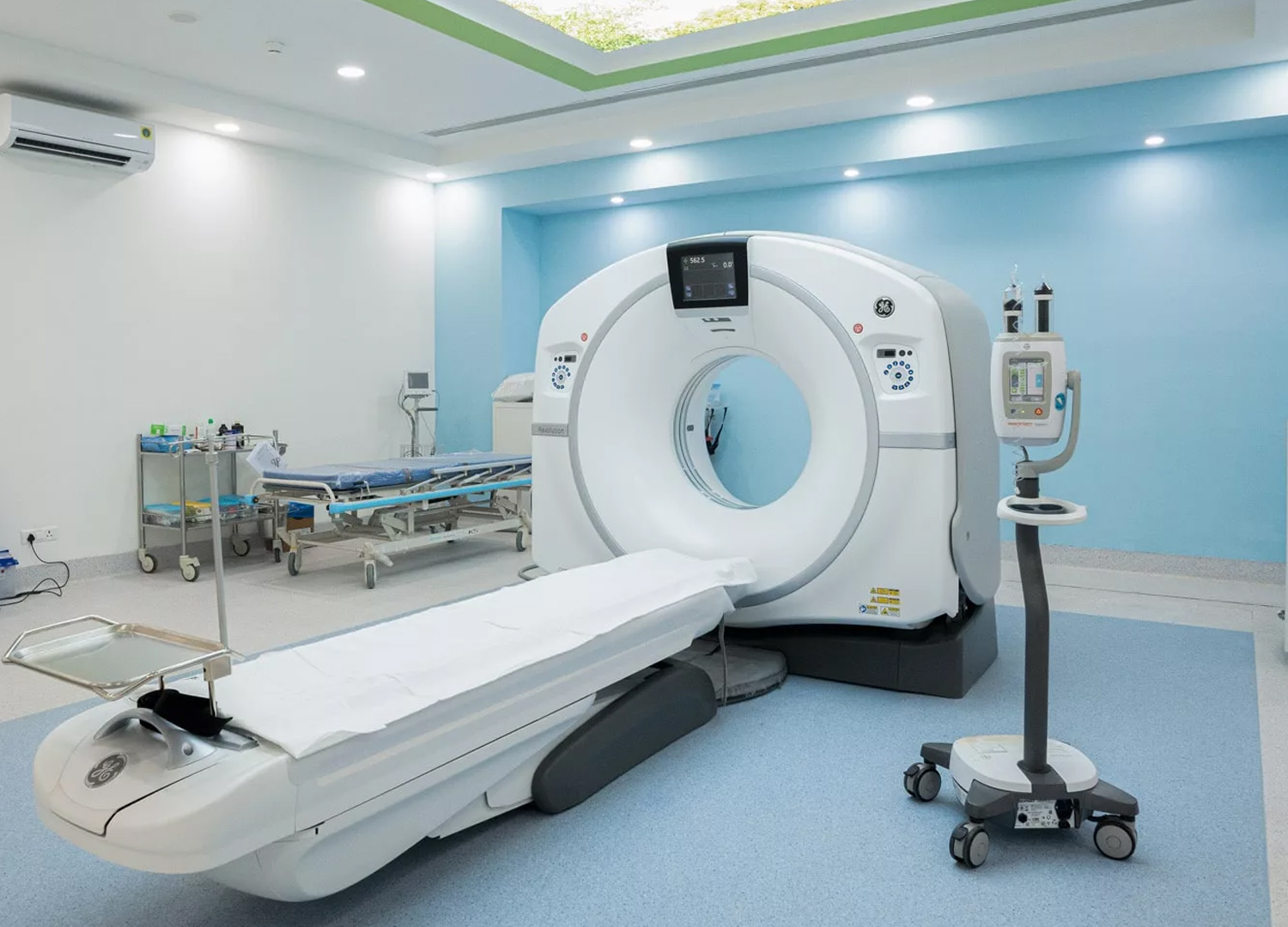
- Offers high-resolution imaging for detailed blood vessel analysis, aiding in accurate diagnosis and treatment planning.
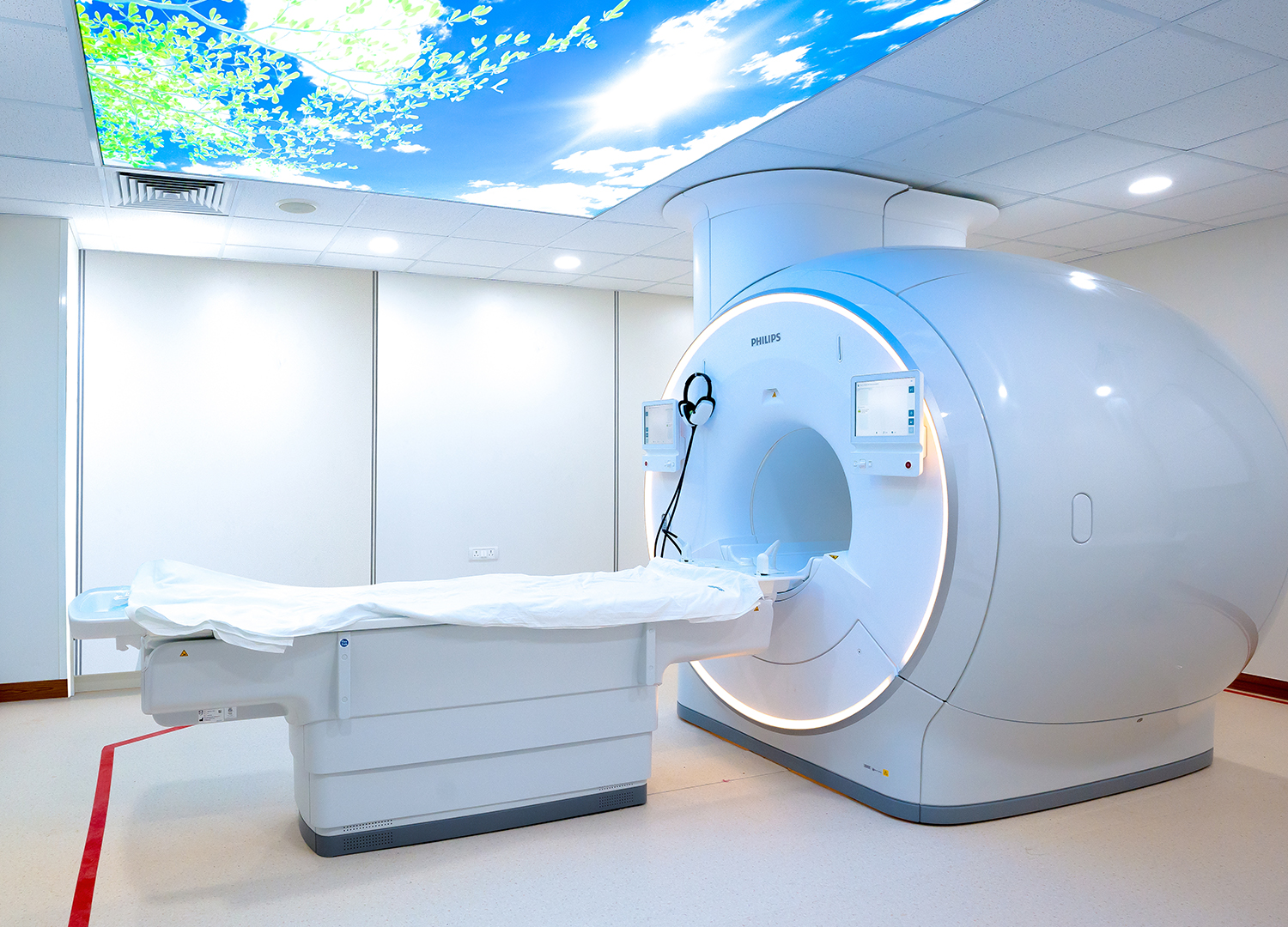
- Delivers advanced imaging with high resolution for clear, detailed views of soft tissues, ensuring precise diagnostics.
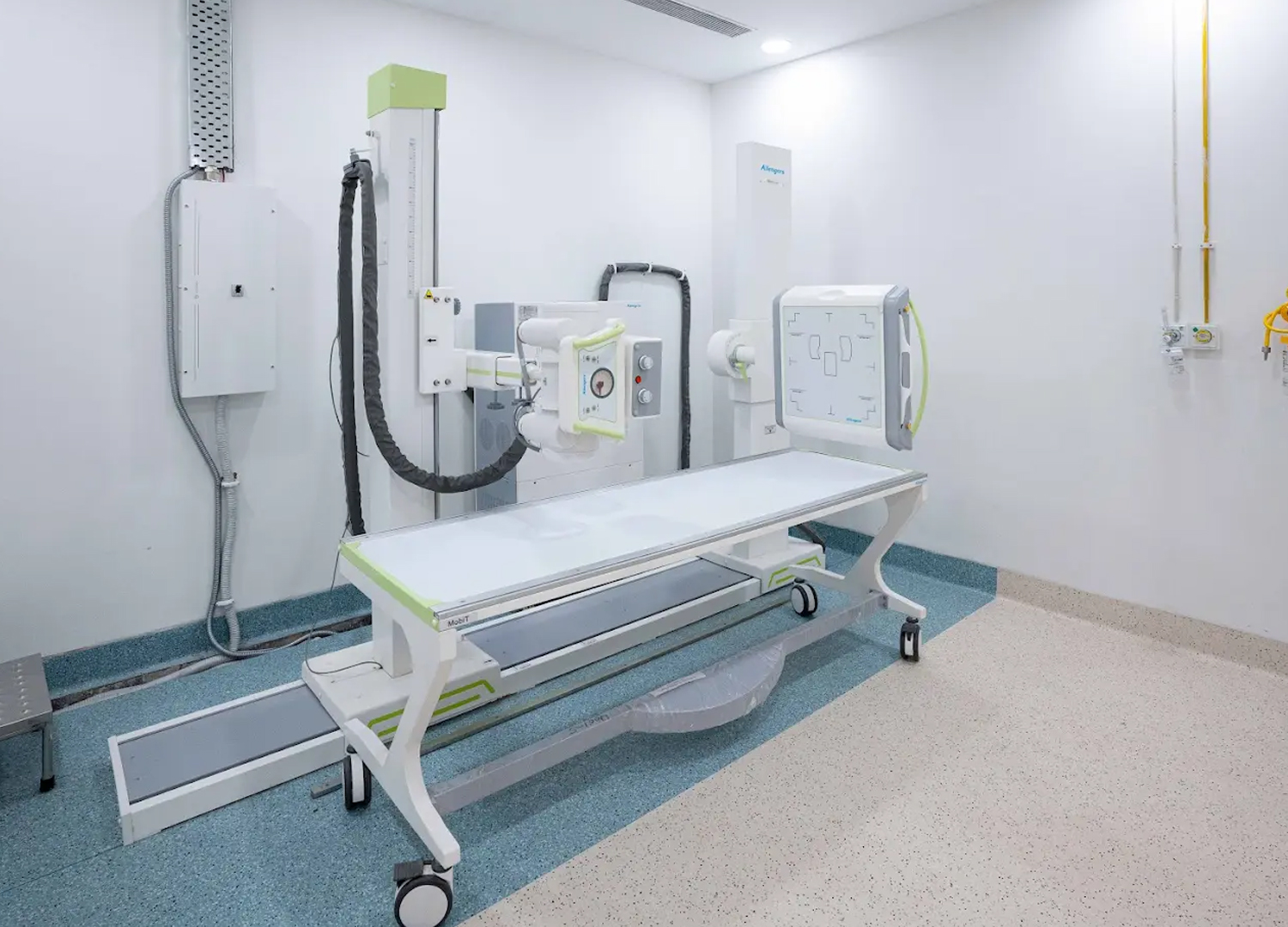
- Provides high-quality, detailed radiographic images for accurate diagnosis with minimal exposure to radiation.
Other Specialities


Patient Stories





Blog







Frequently Asked Questions (FAQs)
What is fever, and when should I be concerned?
Fever is a rise in body temperature, usually triggered by infection or inflammation as part of the body’s immune response. It becomes a concern when it turns into a high fever, lasts beyond 2–3 days, or is associated with symptoms such as confusion, severe weakness, or persistent vomiting. In such cases, timely consultation with an expert at Graphic Era Hospital is recommended.
How to reduce fever at home safely?
Mild fever can often be managed with prescribed fever medicine, adequate hydration, rest, and temperature monitoring. Supportive care helps the body recover while keeping discomfort under control. However, if symptoms persist or worsen, it is important to seek medical advice rather than relying only on home remedies for reducing fever.
What are the common symptoms of dengue fever?
Dengue fever symptoms typically include high fever, severe joint and muscle pain, headaches, and sometimes rash or eye discomfort. These symptoms may worsen quickly, making early detection important. If dengue is suspected, prompt consultation at Graphic Era Hospital helps ensure timely diagnosis and appropriate care.
What is the best treatment for viral fever?
Viral fever treatment focuses on supportive care, including rest, hydration, and medication to control symptoms like fever and headaches. Since antibiotics are not effective against viruses, treatment supports the immune system in clearing the infection naturally and preventing complications such as dehydration. Medical supervision may be needed in moderate to severe cases.
When does fever become an emergency?
Fever becomes an emergency when it is accompanied by seizures, difficulty breathing, persistent vomiting, or altered consciousness. These signs may indicate serious underlying conditions requiring immediate care. Visiting Graphic Era Hospital without delay can help ensure rapid assessment and stabilisation.
Can fever in children be dangerous?
Yes, fever in children can become serious, especially in infants or when associated with dehydration, seizures, or lethargy. Children may not always express symptoms clearly, which makes close monitoring essential. Early consultation at Graphic Era Hospital helps prevent complications and ensures safe recovery.
What are fever dreams, and are they serious?
Fever dreams are vivid, intense, or unusual dreams that occur when body temperature is elevated. They are generally harmless but often indicate a high fever or disturbed sleep due to illness. If accompanied by persistent fever or confusion, medical evaluation is advisable.
Is 102°F a very high fever?
A temperature of 102°F (38.9°C) is considered a high fever, especially in children and older adults. While it may occur with common infections, it should be monitored closely for associated symptoms such as dehydration or weakness. If it persists or worsens, seeking evaluation at Graphic Era Hospital is advisable.
What are the types of fever?
Fever can be classified based on its pattern and underlying cause, such as viral fever, bacterial fever (including typhoid fever), and intermittent or recurrent fever. Some fevers follow specific patterns, such as continuous, remittent, or periodic fever, which help in clinical diagnosis. Identifying the type of fever plays an important role in selecting the right treatment approach.
How to measure fever accurately?
Fever can be measured using a digital thermometer placed orally, under the arm, or rectally in infants. Oral temperature is commonly used in adults, while axillary measurement is often preferred for children. Regular monitoring helps track trends, and consistent readings above normal should be evaluated by a doctor.