Benign Prostatic Hyperplasia (BPH) is a condition that typically develops gradually, with urinary symptoms becoming more noticeable and disruptive over time. What may start as mild changes in urination can eventually interfere with comfort, routine activities, and overall wellbeing. At Graphic Era Hospital, Dehradun, we provide comprehensive, patient-centred care for men living with BPH. Using advanced diagnostic tools and personalised treatment plans, our team of urologists focuses on relieving symptoms, preventing complications, and improving long-term urinary health in patients diagnosed with benign prostatic hyperplasia.
Understanding Benign Prostatic Hyperplasia and When to Seek Care
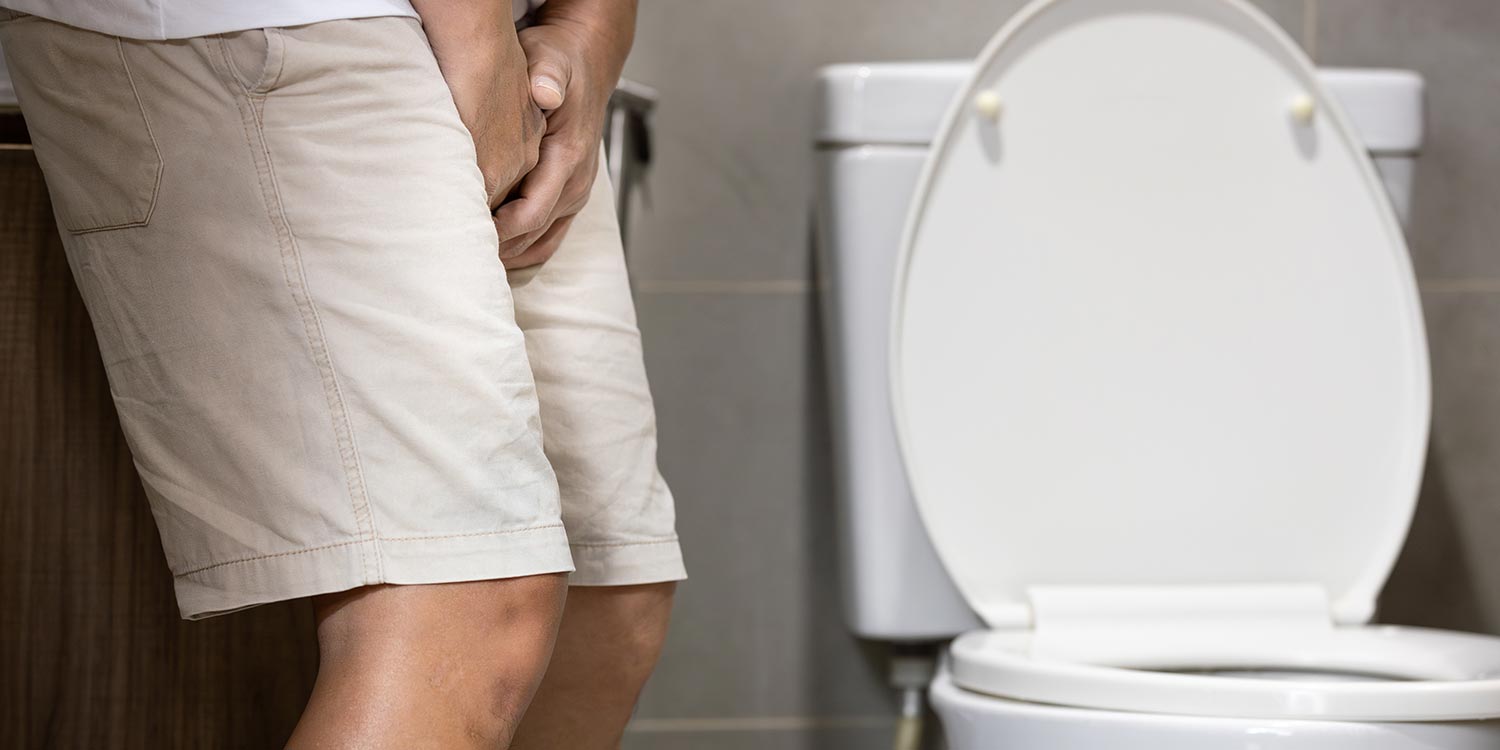
Benign Prostatic Hyperplasia refers to non-cancerous enlargement of the prostate gland, most commonly seen in men over the age of 50. While BPH is not cancer and does not increase prostate cancer risk, progressive enlargement can obstruct urine flow and strain the bladder. Symptoms often develop gradually and may initially be mild, which is why many men delay seeking care. However, early evaluation helps prevent complications such as urinary retention, infections, or bladder damage.
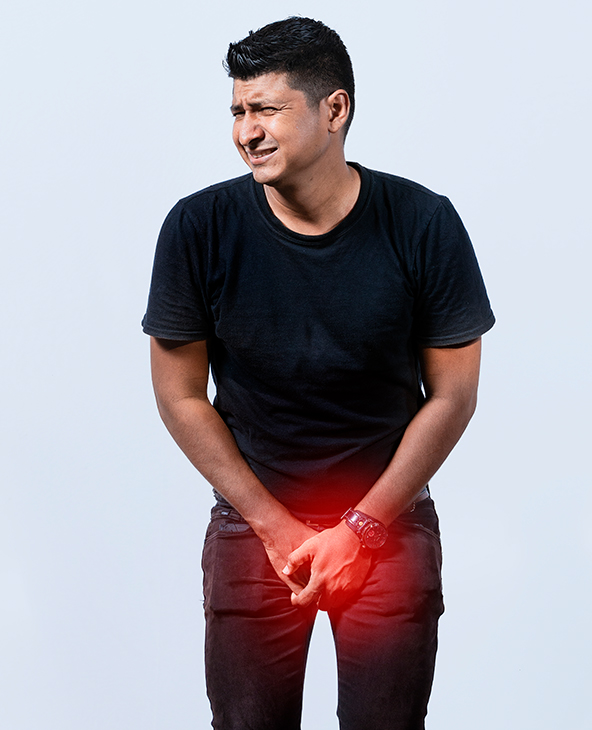
Common signs that indicate the need for medical attention include:
- Frequent urge to urinate, especially at night
- Weak or interrupted urine stream
- Difficulty starting urination
- Feeling of incomplete bladder emptying
- Dribbling at the end of urination
- Straining while passing urine
- Sudden inability to urinate (acute urinary retention)
- Recurrent urinary tract infections
Types of Benign Prostatic Hyperplasia (BPH)
Benign Prostatic Hyperplasia can present in different patterns depending on which part of the prostate enlarges and how it affects urine flow. Understanding these variations helps explain why symptoms differ between individuals and why treatment approaches may vary.
Transitional Zone Enlargement
This is the most common pattern of BPH. Enlargement occurs around the urethra, directly affecting urine flow and leading to symptoms such as weak stream, straining, and incomplete bladder emptying.
Median Lobe Enlargement
In some men, the central portion of the prostate grows upward into the bladder neck. Even when the prostate is not significantly enlarged overall, this type can cause pronounced urinary obstruction and sudden urinary retention.
Lateral Lobe Enlargement
Here, the side portions of the prostate enlarge and compress the urethra from both sides. Symptoms often progress gradually and may worsen over time if not addressed.
Mixed or Diffuse Enlargement
Some individuals develop enlargement involving multiple areas of the prostate. This can result in a combination of obstructive and irritative urinary symptoms and often requires more detailed evaluation to guide treatment.
Why this matters for treatment
The type and pattern of prostate enlargement influence symptom severity, response to medications, and suitability for minimally invasive or surgical procedures. At Graphic Era Hospital, diagnostic evaluation focuses not only on prostate size but also on the pattern of enlargement and its functional impact on the bladder.
How Benign Prostatic Hyperplasia is Diagnosed at Graphic Era Hospital
Accurate diagnosis is essential to confirm BPH, assess symptom severity, and rule out other conditions that may cause similar urinary problems. Since symptoms do not always correlate with prostate size, a structured evaluation helps determine the most appropriate treatment approach. At Graphic Era Hospital, diagnosis is carried out through a combination of clinical assessment and targeted investigations, which typically includes the following:
- Clinical Assessment: Review of urinary symptoms, medical history, medication use, and overall health
- Digital Rectal Examination (DRE): Assesses prostate size, shape, and consistency
- Urine Tests: Rule out infection or blood in urine
- Prostate-Specific Antigen (PSA) Test (when indicated): Helps assess prostate health and exclude malignancy concerns
- Ultrasound (Abdomen or Prostate): Evaluates prostate size, bladder condition, and residual urine after voiding
- Uroflowmetry: Measures urine flow rate to assess obstruction severity
- Post-Void Residual Urine Measurement: Determines how well the bladder empties
BPH Treatment and Management at Graphic Era Hospital
Treatment for Benign Prostatic Hyperplasia (BPH) is individualised based on the severity of urinary symptoms, prostate size and anatomy, overall health, and the extent to which symptoms affect daily life. While some individuals may require only careful monitoring, others benefit from medical or procedural intervention to relieve obstruction and prevent complications. At Graphic Era Hospital, care follows a structured, stepwise, and patient-centric approach, supported by regular follow-up and reassessment.
Active Monitoring for Mild Symptoms
For individuals with mild or non-bothersome symptoms, immediate treatment may not be necessary. Doctors may recommend active monitoring, which includes regular assessment of urinary symptoms, bladder emptying, and prostate health. This approach helps avoid unnecessary intervention while ensuring timely treatment if symptoms progress.
Medical Management and Ongoing Monitoring
Medications are often the first line of treatment for moderate symptoms. These may include drugs that relax the muscles of the prostate and bladder neck to improve urine flow, medications that gradually reduce prostate size, or combination therapy when symptoms persist. In selected cases, medicines that also address associated erectile symptoms may be considered. Regular monitoring allows doctors to assess response, manage side effects, and modify treatment when required.
Lifestyle and Symptom Management
Supportive measures form an important part of BPH care and may include guidance on fluid intake timing, bladder habits, and avoidance of substances that aggravate urinary symptoms. These measures are particularly useful in early or moderate BPH and help improve day-to-day comfort alongside medical treatment.
Minimally Invasive Procedures (When Indicated)
When medications do not provide adequate relief or are not well tolerated, minimally invasive procedures may be recommended. These treatments aim to reduce obstruction with shorter recovery times and reduced impact on surrounding tissues. Depending on prostate size and anatomy, options may include:
- Laser procedures, such as Holmium Laser Enucleation of the Prostate (HoLEP) or Photoselective Vaporisation of the Prostate (PVP)
- Transurethral Incision of the Prostate (TUIP) for selected cases with smaller prostates
- Prostatic urethral lift (UroLift) to relieve obstruction without tissue removal
- Water vapour thermal therapy (Rezum), which uses steam to reduce excess prostate tissue
- Aquablation therapy, a water-jet–based technique guided by imaging in suitable cases
The choice of procedure is guided by symptom severity, prostate structure, and patient preference.
Surgical Management for Advanced BPH
Surgical treatment is considered for severe symptoms, recurrent urinary retention, bladder stones, repeated infections, or kidney involvement. Procedures are designed to remove or reduce obstructing prostate tissue and restore urine flow. Common surgical options include:
- Transurethral Resection of the Prostate (TURP)
- Laser enucleation procedures for larger prostates
- Open or minimally invasive prostate surgery in selected advanced cases
The specific approach is chosen after careful evaluation of prostate size, overall health, and long-term treatment goals.
Management of BPH-Related Complications
Treatment also focuses on addressing complications that may arise from prolonged urinary obstruction, such as urinary tract infections, bladder dysfunction, bleeding, or acute urinary retention. Early identification and targeted management help reduce hospitalisation risk and support sustained urinary health.
Doctors Available


Why Choose Graphic Era Hospital for Benign Prostatic Hyperplasia Treatment?
Managing BPH requires careful assessment, timely intervention, and long-term follow-up to ensure sustained symptom relief and urinary health. At Graphic Era Hospital, care is guided by medical expertise, ethical practice, and patient safety.

Experienced Urology Team : Care is led by urologists experienced in diagnosing and managing all stages of BPH. Treatment plans are designed to address symptoms while considering age, lifestyle, and overall health.

Advanced Diagnostic and Treatment Facilities : The hospital is equipped with modern imaging, urodynamic testing, and surgical facilities that support accurate diagnosis and safe treatment across disease severity levels.

Trusted, Ethical, and Safe Medical Care : As India’s first medical college hospital accredited under the 6th Edition of NABH standards, Graphic Era Hospital follows stringent protocols for patient safety, transparency, and quality care throughout diagnosis, treatment, and follow-up.

Preventing Symptom Worsening and Supporting Long-Term Urinary Health
While BPH cannot always be prevented, certain measures help reduce symptom severity, prevent complications, and support bladder health alongside medical care.
- Monitoring Urinary Symptoms: Early reporting of changes helps prevent acute urinary retention
- Managing Associated Conditions: Control of diabetes and neurological conditions supports bladder function
- Avoiding Symptom-Aggravating Substances: Limiting caffeine, alcohol, and unnecessary medications reduces urinary irritation
- Regular Follow-Up: Ongoing evaluation helps track prostate growth and treatment effectiveness
Top Benign Prostatic Hyperplasia Treatments Available at Graphic Era Hospital
- Benign prostatic hyperplasia evaluation and diagnosis
- Medical management of prostate enlargement
- Minimally invasive BPH procedures
- Surgical treatment for advanced prostate obstruction
- Management of urinary retention and BPH-related complications
Advanced Diagnostics & Technology
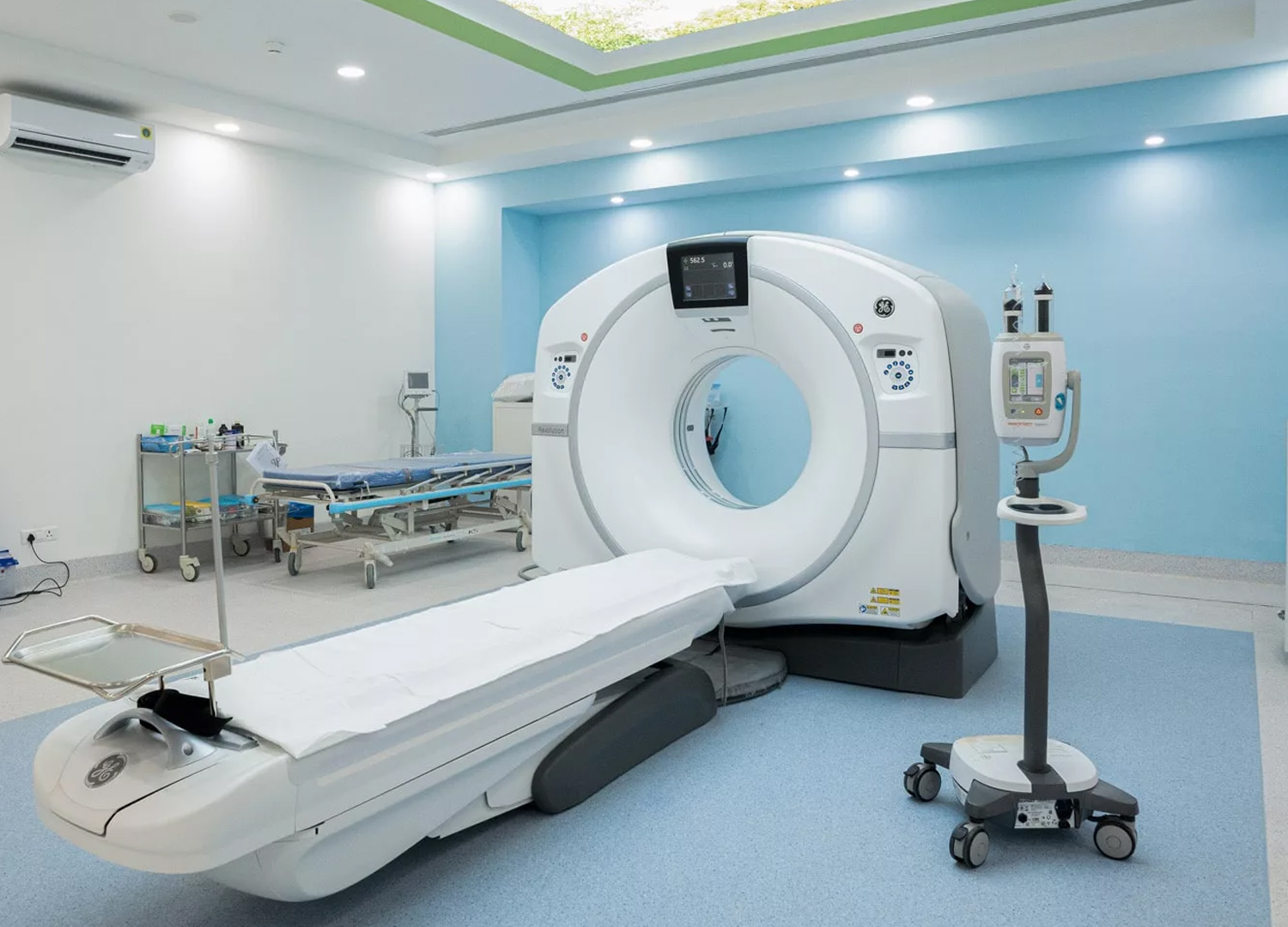
- Offers high-resolution imaging for detailed blood vessel analysis, aiding in accurate diagnosis and treatment planning.
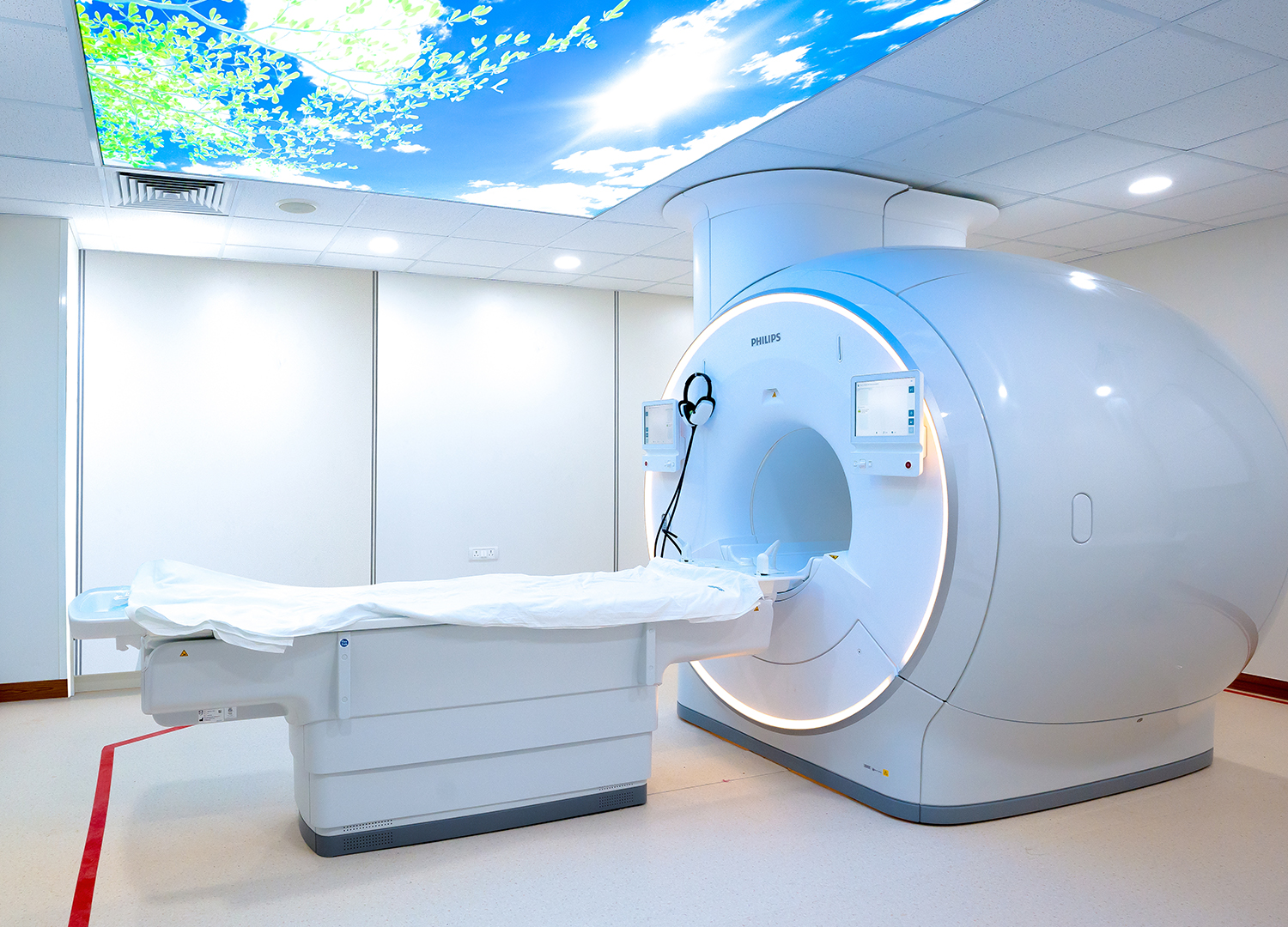
- Delivers advanced imaging with high resolution for clear, detailed views of soft tissues, ensuring precise diagnostics.
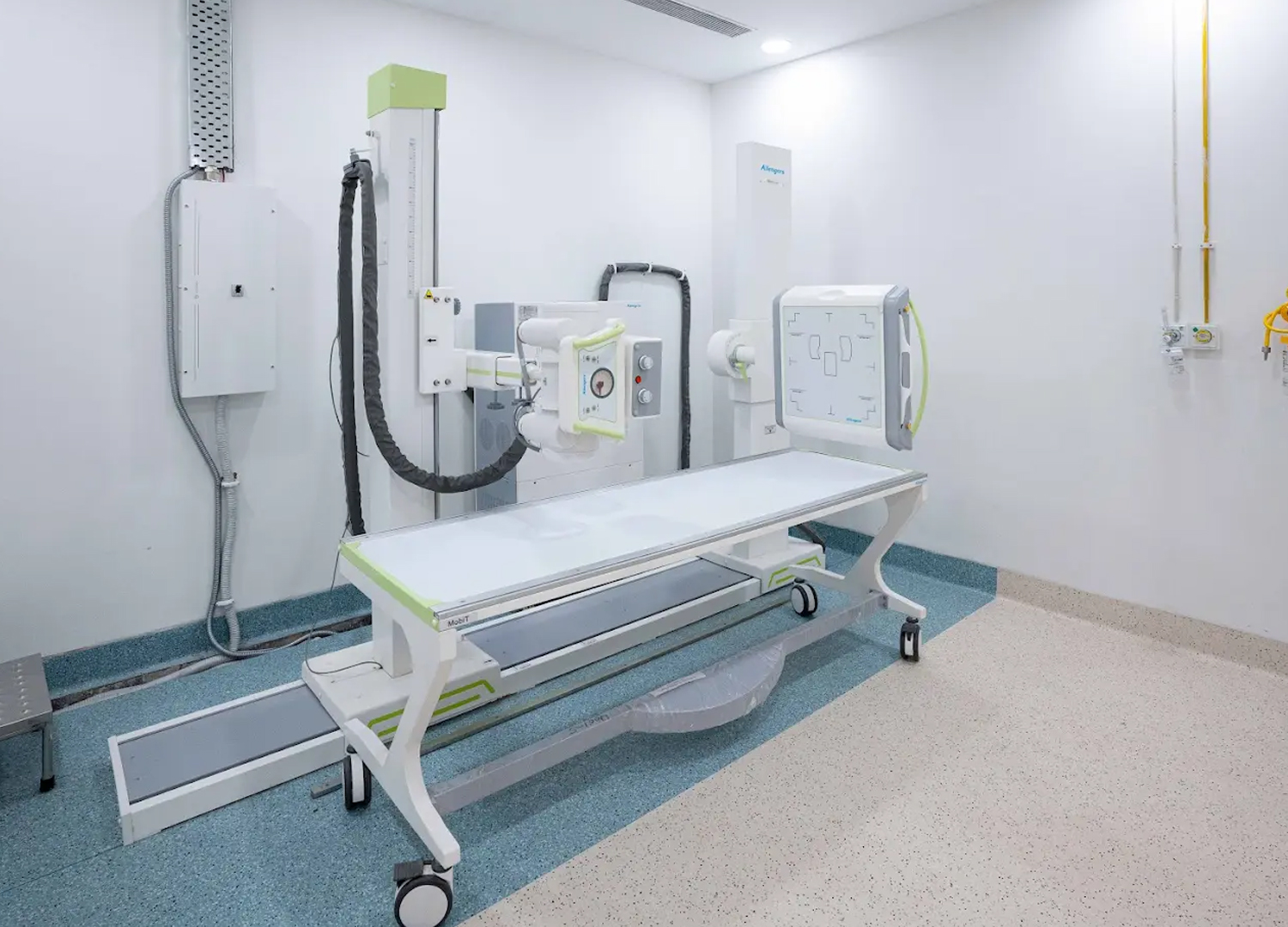
- Provides high-quality, detailed radiographic images for accurate diagnosis with minimal exposure to radiation.
Other Specialities


Patient Stories





Blog







Frequently Asked Questions (FAQs)
Why do men develop benign prostatic hyperplasia?
Benign Prostatic Hyperplasia develops primarily due to age-related hormonal changes that affect prostate tissue growth. As men age, changes in testosterone and related hormones can stimulate gradual prostate enlargement. While BPH is a common part of ageing, the extent of enlargement and symptom severity vary between individuals.
How common is benign prostatic hyperplasia in ageing men?
Benign Prostatic Hyperplasia is very common in older men. Many men begin to show prostate enlargement after the age of 50, and the likelihood increases with age. While not all men develop bothersome symptoms, a significant proportion experience urinary changes that may require medical evaluation or treatment over time.
Is benign prostatic hyperplasia a serious condition?
Benign Prostatic Hyperplasia itself is not cancerous and is not life-threatening. However, if left untreated, progressive obstruction can lead to complications such as urinary retention, infections, bladder damage, or kidney involvement. Early assessment and appropriate management help prevent these outcomes and maintain quality of life.
What post-treatment care is required after BPH treatment or surgery?
Post-treatment care depends on the type of treatment received. It may include short-term catheter care, medications to support healing, activity modifications, and follow-up visits to assess urine flow and bladder function. Regular follow-up helps monitor recovery, manage temporary symptoms, and ensure long-term treatment success.
What is the cost of benign prostate enlargement treatment near me?
The cost of BPH treatment varies depending on the severity of symptoms, type of treatment required (medication, minimally invasive procedure, or surgery), hospital stay, and individual health factors. A detailed evaluation allows doctors to recommend appropriate options, after which cost estimates can be discussed transparently with the care team.
What causes benign prostatic hyperplasia?
The exact cause of Benign Prostatic Hyperplasia is not fully understood, but it is strongly linked to ageing and hormonal changes within the prostate. Gradual cell growth in the prostate over time leads to enlargement, which may eventually affect urine flow. Genetic factors may also influence why some men develop more significant enlargement than others.
What are the risk factors for developing benign prostatic hyperplasia?
Several factors increase the likelihood of developing BPH, including increasing age, family history of prostate conditions, obesity, sedentary lifestyle, and metabolic conditions such as diabetes. Certain medications and long-term hormonal changes may also contribute to prostate enlargement and symptom progression.
Can benign prostatic hyperplasia and prostate cancer occur together?
Yes. Benign Prostatic Hyperplasia and prostate cancer are separate conditions, but they can occur at the same time. This is why proper evaluation, including clinical examination and appropriate testing, is important to rule out malignancy when urinary symptoms are present.
Does prostate size always determine the severity of symptoms?
No. The severity of urinary symptoms does not always correlate with prostate size. Some men with relatively small prostates may experience significant obstruction, while others with larger prostates may have minimal symptoms. Functional impact on urine flow and bladder emptying is a key factor in treatment decisions.
How is the most appropriate treatment option for BPH decided?
Treatment decisions are based on symptom severity, pattern of prostate enlargement, response to medications, overall health, and patient preferences. Doctors consider both clinical findings and quality-of-life impact when recommending medical, minimally invasive, or surgical options.
Can BPH symptoms return after treatment?
In some cases, symptoms may recur over time, particularly after medical treatment or certain minimally invasive procedures. Regular follow-up helps detect changes early and allows timely adjustment of treatment if needed.
Does treatment for BPH affect sexual function?
Some treatments for BPH may affect ejaculation or sexual function, while others have minimal impact. The potential effects depend on the type of treatment chosen, and doctors discuss these considerations in advance to support informed decision-making.
How long does recovery take after BPH procedures or surgery?
Recovery time varies depending on the type of treatment. Minimally invasive procedures often allow quicker recovery, while surgical treatments may require a longer healing period. Doctors provide personalised guidance on activity levels and recovery expectations.