A noticeable bulge around the belly button, especially during coughing, bending, or lifting, may indicate an umbilical hernia. In some cases, the condition remains mild for a long time, while in others it may progressively lead to pain, swelling, or trapped abdominal tissue. Timely medical evaluation is important, particularly when the swelling increases in size, causes pain, or begins interfering with daily activities.
At Graphic Era Hospital in Dehradun, umbilical hernia treatment is planned through a patient-specific and severity-based approach. Our specialists carefully assess the size of the hernia, associated symptoms, underlying risk factors, and the likelihood of complications before recommending the most appropriate treatment. From careful monitoring in selected cases to advanced surgical repair using minimally invasive techniques, the focus remains on relieving discomfort, preventing recurrence, and supporting a safe recovery with long-term abdominal wall strength.
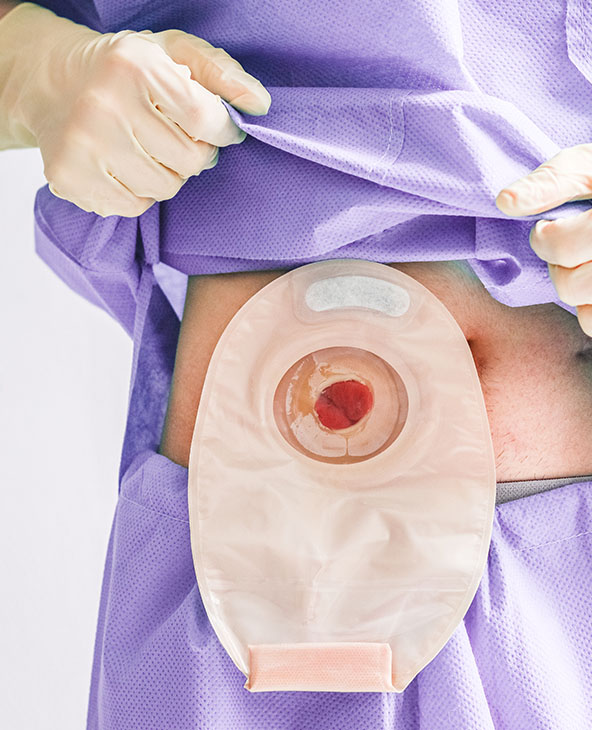
What is an Umbilical Hernia?
An umbilical hernia occurs when a portion of the intestine, fatty tissue, or abdominal lining pushes through a weak area in the muscles near the belly button. This leads to a visible swelling or bulge around the navel, which may become more noticeable while coughing, lifting heavy objects, straining, or standing for long periods. The condition can affect both children and adults, although the underlying causes and treatment approach may differ between age groups.
In infants, an umbilical hernia develops when the opening in the abdominal wall, through which the umbilical cord passes before birth, does not close completely after delivery. Many childhood umbilical hernias close naturally as the abdominal muscles strengthen over time. In adults, however, umbilical hernias are more commonly linked to increased pressure within the abdomen caused by factors such as obesity, pregnancy, chronic coughing, fluid accumulation, or repeated heavy lifting.
Umbilical hernias are generally classified based on their size, symptoms, and severity:
- Reducible Umbilical Hernia: The bulge can be gently pushed back into the abdomen or may disappear while lying down. These hernias are often less urgent but still require medical evaluation and monitoring.
- Irreducible Umbilical Hernia: The swelling cannot be pushed back into place because the tissue becomes trapped within the hernia opening. This may increase the risk of complications and often requires surgical repair.
- Strangulated Umbilical Hernia: A serious condition in which the blood supply to the trapped tissue becomes restricted. It can cause severe pain, redness, vomiting, and abdominal tenderness, and requires emergency medical attention.
- Congenital and Acquired Umbilical Hernias: Congenital umbilical hernias are present from birth and are commonly seen in infants and young children. Acquired umbilical hernias develop later in life due to weakening of the abdominal wall or persistent abdominal pressure.
Symptoms of Umbilical Hernia and When to See a Doctor
The symptoms of an umbilical hernia can vary depending on the size of the hernia, the amount of tissue involved, and whether complications are present. In many cases, the first noticeable sign is a soft swelling or bulge near the belly button that becomes more prominent while coughing, laughing, standing, or straining. Some people may experience only mild discomfort, while others develop persistent pain or pressure that interferes with daily activities.
Common symptoms include:
- Visible Bulge Near the Navel: A swelling around the belly button is the most common symptom. It may flatten while lying down and become more noticeable during physical activity or abdominal strain.
- Pain or Discomfort: Some individuals experience aching, heaviness, or tenderness around the hernia site, especially while lifting objects, bending, coughing, or standing for extended periods.
- Burning or Pressure Sensation: A feeling of pulling, pressure, or burning around the abdomen may develop as the hernia enlarges or abdominal pressure increases.
- Swelling That Gradually Increases in Size: Umbilical hernias may slowly enlarge over time, particularly when the abdominal wall continues to weaken.
- Digestive Symptoms in Complicated Cases: If part of the intestine becomes trapped, symptoms such as nausea, vomiting, abdominal bloating, or difficulty passing stools may occur and require urgent medical attention.
When to Seek Medical Attention
Although some umbilical hernias remain stable for long periods, certain symptoms should never be ignored:
- Sudden or severe abdominal pain
- Redness, warmth, or tenderness around the swelling
- Persistent nausea or vomiting
- A hernia that becomes hard or cannot be pushed back in
- Fever along with abdominal symptoms
- Rapid increase in the size of the swelling
Early medical evaluation helps determine whether the hernia can be monitored safely or requires surgical repair to prevent complications such as obstruction or strangulation.
What Causes Umbilical Hernia?
An umbilical hernia develops when pressure inside the abdomen pushes tissue through a weak area in the abdominal wall near the belly button. In some people, this weakness is present from birth, while in others it develops gradually over time due to repeated strain or weakening of the abdominal muscles. Several factors can increase the likelihood of developing an umbilical hernia or make an existing hernia worse.
- Weakness in the Abdominal Wall: A naturally weak area around the navel can allow abdominal tissue to protrude outward. In infants, this usually occurs when the opening left by the umbilical cord does not close completely after birth.
- Obesity or Excess Weight: Excess body weight places constant pressure on the abdominal muscles, increasing the risk of hernia formation and enlargement over time.
- Pregnancy: Pregnancy stretches the abdominal wall and increases pressure within the abdomen, making umbilical hernias more common in women, particularly after multiple pregnancies.
- Heavy Lifting and Physical Strain: Repeated lifting of heavy objects or activities that strain the abdominal muscles can weaken the tissue around the navel and contribute to hernia development.
- Chronic Coughing: Persistent coughing caused by smoking, lung disease, or long-term respiratory conditions repeatedly increases abdominal pressure and may worsen an existing weakness.
- Chronic Constipation or Straining: Frequent straining while passing stools can place stress on the abdominal wall and increase the likelihood of developing a hernia.
- Fluid Accumulation in the Abdomen: Conditions that cause fluid build-up inside the abdomen, such as liver disease, can significantly increase abdominal pressure and contribute to hernia formation.
- Previous Abdominal Surgery: Surgical procedures near the abdomen may weaken surrounding muscles or tissues, increasing the risk of developing a hernia later.
- Premature Birth and Low Birth Weight: In infants, umbilical hernias are more commonly seen in babies born prematurely or with low birth weight because the abdominal muscles may not have fully developed before birth.
Understanding the underlying cause of an umbilical hernia helps guide treatment decisions and also reduces the risk of recurrence after repair.
Doctors Available

Dr. Sachin Dev Munjal
Senior Consultant and Head
Gastroenterology, Hepatology and Advanced Endoscopy
Experience: 15 Years
Book An Appointment
Why Choose Graphic Era Hospital, Dehradun, for Umbilical Hernia Treatment

Expertise in Treating Simple and Complex Umbilical Hernias : Graphic Era Hospital manages a wide range of umbilical hernia cases, from small uncomplicated hernias to larger or recurrent hernias that require advanced surgical planning. Each case is assessed carefully to understand the severity of the condition, associated symptoms, and the risk of complications before treatment is recommended.

Seamless Care from Evaluation to Recovery : Patients receive comprehensive care throughout every stage of treatment, including diagnosis, surgical planning, hospital care, and post-operative follow-up. Having all essential services available within the hospital helps ensure timely treatment, better coordination, and a smoother experience for both patients and families.

Minimally Invasive Hernia Repair Options : Where suitable, laparoscopic techniques are used to repair the hernia through smaller incisions, helping reduce pain, shorten recovery time, and lower post-surgical discomfort. The focus remains on safe hernia repair, strengthening the abdominal wall, and supporting a faster return to daily activities.
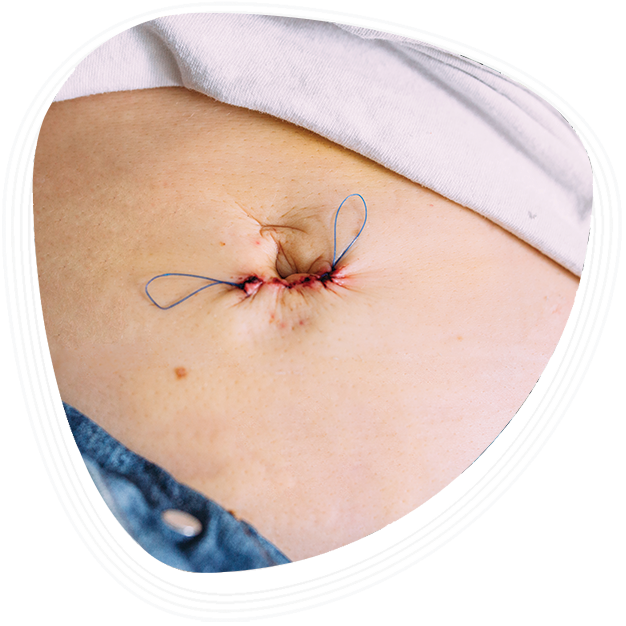
Umbilical Hernia Treatment at Graphic Era Hospital: From Diagnosis to Recovery
Diagnostic Approach
Effective treatment begins with understanding the size of the hernia, the symptoms it is causing, and the risk of complications. At Graphic Era Hospital, patients are evaluated through a structured approach that helps confirm the diagnosis and guide the most appropriate treatment plan.
Clinical Examination
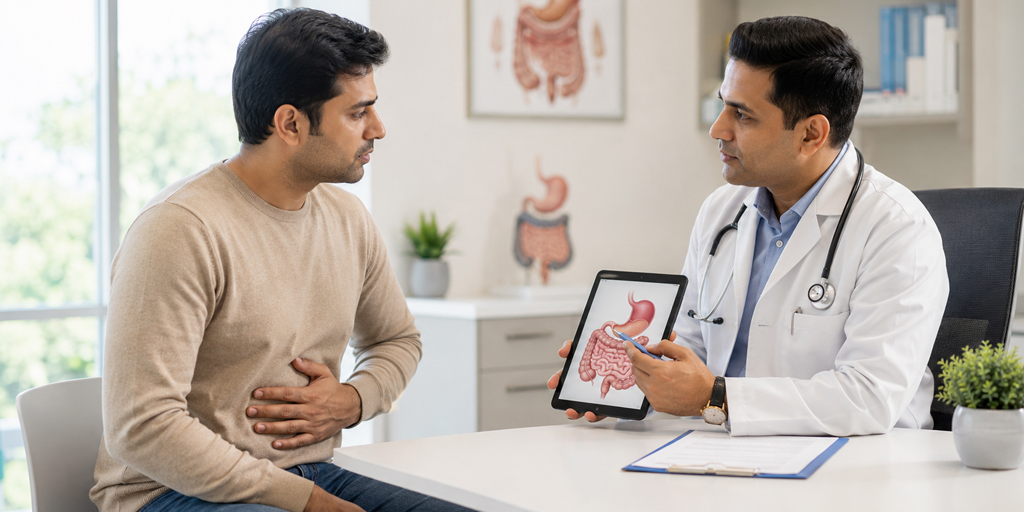
The doctor examines the swelling near the belly button and may ask the patient to stand, cough, or strain gently to make the hernia more prominent. This helps assess the size of the hernia, whether it can be pushed back into the abdomen, and whether there are signs of trapped tissue or complications.
Imaging Tests
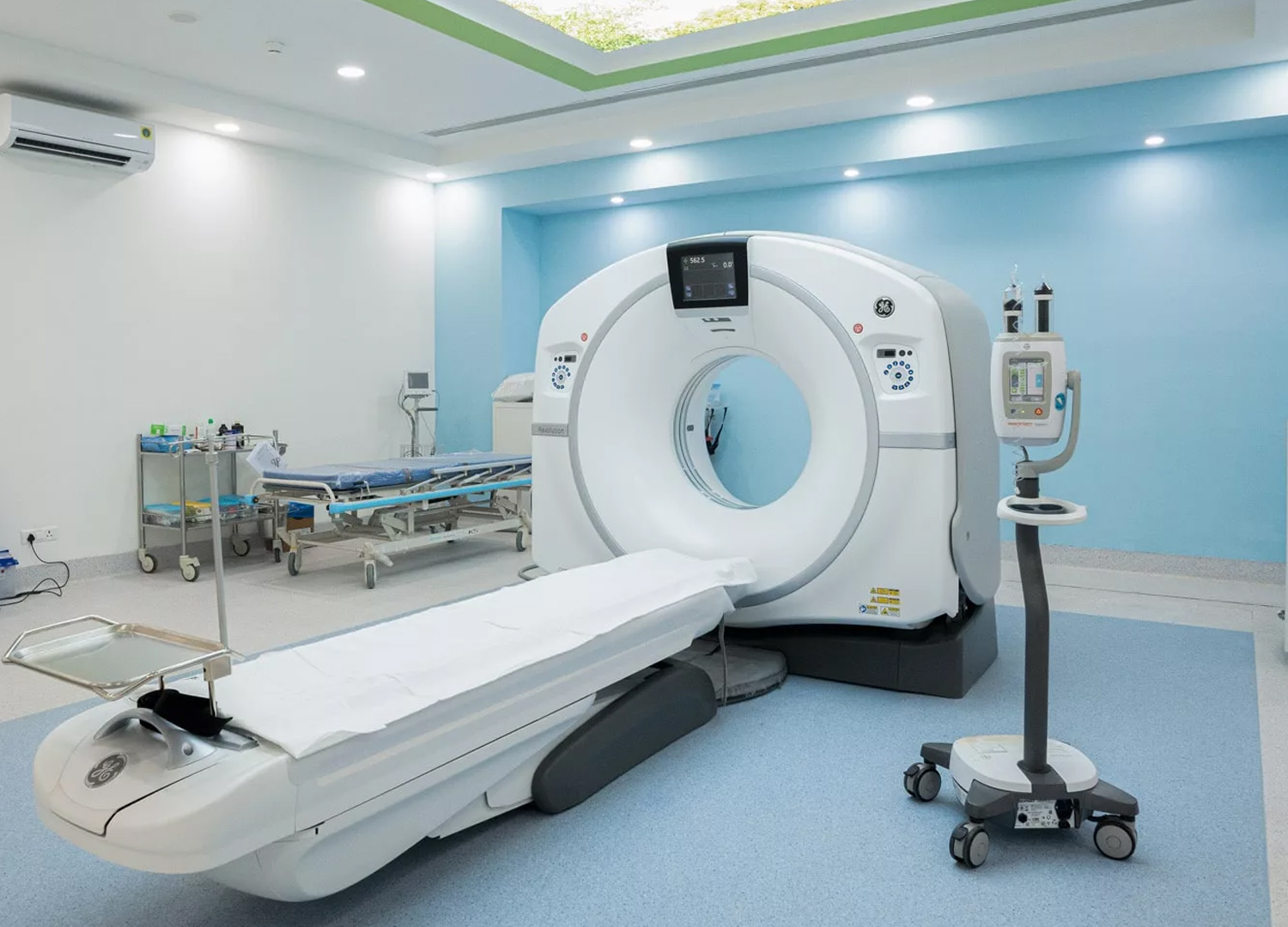
In cases where the diagnosis is unclear or the hernia appears large, recurrent, or complicated, imaging tests such as ultrasound or CT scan may be advised. These investigations help determine the contents of the hernia, the size of the abdominal wall defect, and the best surgical approach.
Assessment of Overall Health
Before planning treatment, factors such as age, obesity, previous abdominal surgeries, chronic cough, pregnancy history, and other medical conditions are carefully reviewed. This helps ensure that treatment is safe, suitable, and planned according to the patient’s overall health.
Treatment Approach
Umbilical hernias in adults generally require surgical repair, particularly when symptoms are present or the hernia is increasing in size. The treatment approach depends on the severity of the condition, risk of complications, and the patient’s individual needs.
Open Umbilical Hernia Repair
This procedure involves making a small incision near the belly button, returning the protruding tissue to its normal position, and repairing the weakened abdominal wall. In many adult cases, surgical mesh is used to strengthen the area and reduce the risk of recurrence.
Laparoscopic (Minimally Invasive) Hernia Repair
Laparoscopic repair is performed through small incisions using specialised instruments and a camera. This approach may help reduce post-operative pain, minimise scarring, and support quicker recovery in selected patients.
Mesh Reinforcement
For many patients, mesh is used to provide additional support to the abdominal wall after repair. This helps strengthen the weakened area and lowers the likelihood of the hernia returning in the future.
Emergency Hernia Surgery
If the hernia becomes strangulated or obstructed, urgent surgery may be necessary to restore blood supply to the trapped tissue and prevent serious complications.
Recovery and Aftercare
Recovery after umbilical hernia surgery is usually smooth when treatment is performed at the right time and followed by proper post-operative care. At Graphic Era Hospital, patients receive continuous guidance and recovery support aimed at promoting safe healing and helping them return comfortably to daily life.
Short Hospital Stay
Many umbilical hernia procedures require only a short hospital stay, depending on the type of surgery performed and the patient’s overall condition.
Managing Pain and Discomfort
Mild discomfort around the surgical site is common in the first few days after surgery and is managed with prescribed medication. Symptoms usually improve gradually as healing progresses.
Returning to Daily Activities
Light activities such as walking are encouraged soon after surgery. However, heavy lifting, intense exercise, and activities that strain the abdominal muscles should be avoided for a few weeks based on medical advice.
Wound Care and Recovery Guidance
Patients are provided with clear instructions on keeping the surgical area clean, recognising signs of infection, and following precautions that support proper healing.
Follow-Up and Long-Term Monitoring
Scheduled follow-up visits help monitor recovery, assess wound healing, and identify any early signs of recurrence or complications, ensuring better long-term outcomes.
Top Umbilical Hernia Investigations and Treatments
Investigations
- Clinical Hernia Examination
- Abdominal Ultrasound
- CT Scan for Complex or Recurrent Hernias
- Pre-Surgical Blood Tests
- Evaluation for Associated Conditions such as Obesity or Chronic Cough
Treatments
- Observation and Follow-Up for Selected Cases
- Open Umbilical Hernia Repair
- Laparoscopic Umbilical Hernia Repair
- Mesh Hernia Repair
- Emergency Hernia Surgery for Strangulated Hernias
- Post-Surgical Rehabilitation and Recovery Guidance
Advanced Diagnostics & Technology
- Offers high-resolution imaging for detailed blood vessel analysis, aiding in accurate diagnosis and treatment planning.
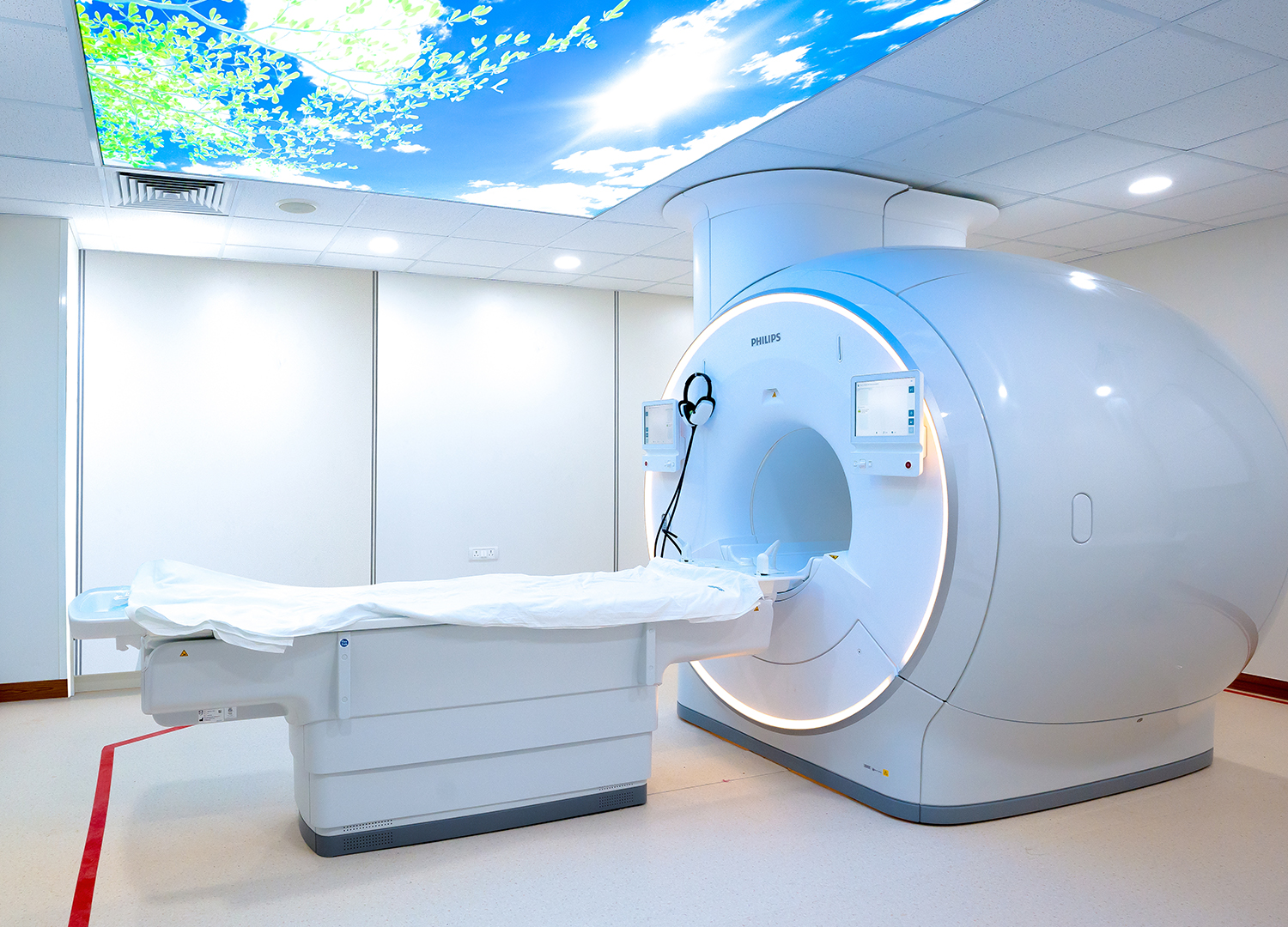
- Delivers advanced imaging with high resolution for clear, detailed views of soft tissues, ensuring precise diagnostics.
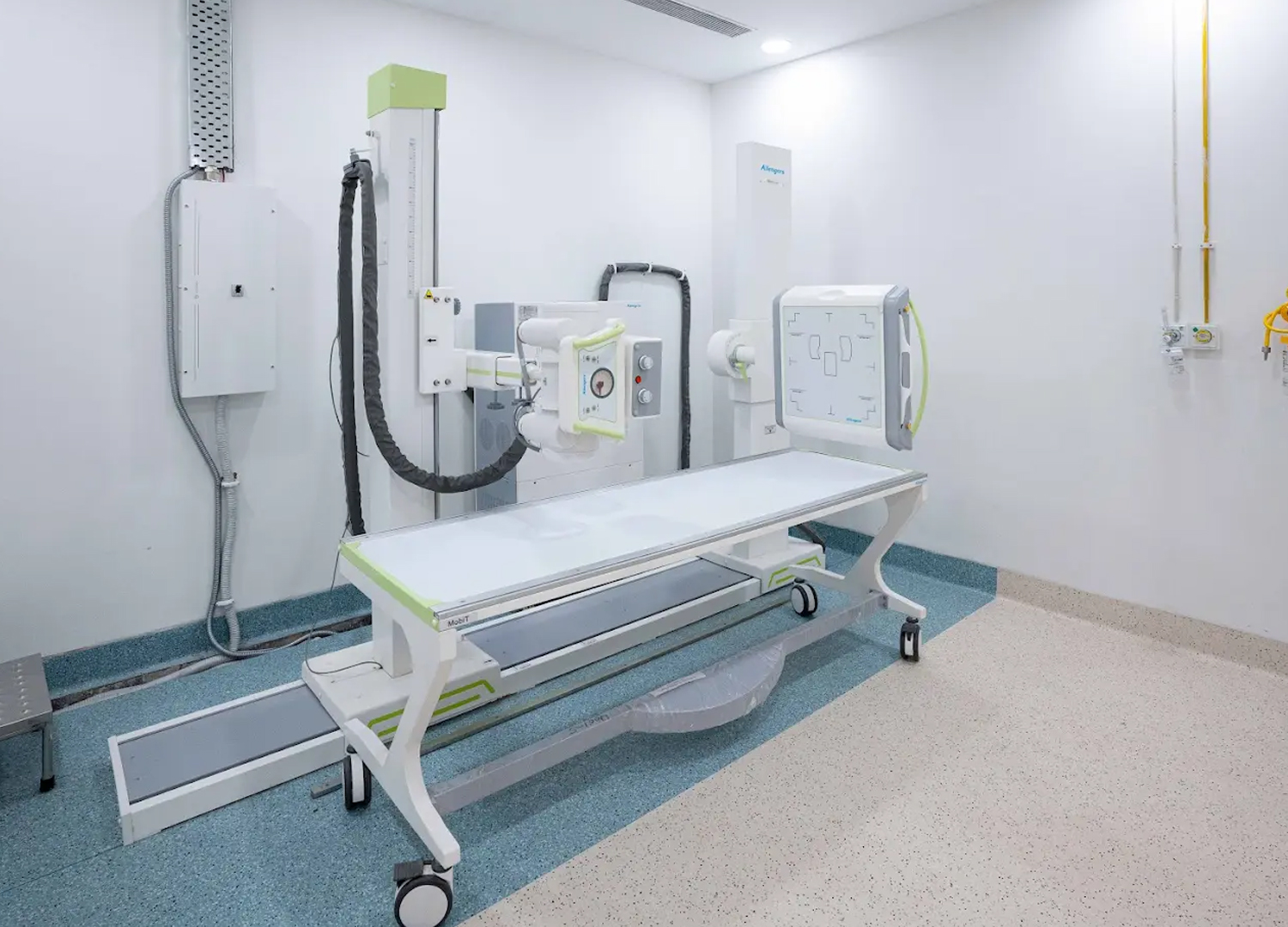
- Provides high-quality, detailed radiographic images for accurate diagnosis with minimal exposure to radiation.
Other Specialities


Patient Stories





Blog








Frequently Asked Questions (FAQs)
Can an umbilical hernia heal on its own?
In infants and young children, small umbilical hernias may close naturally as the abdominal muscles strengthen with age. In adults, however, umbilical hernias usually do not resolve on their own and may gradually enlarge over time.
Is surgery always necessary for an umbilical hernia?
Not always. Small and painless hernias may sometimes be monitored, particularly in children. Surgery is generally recommended when the hernia causes pain, enlarges, becomes trapped, or carries a higher risk of complications.
What happens if an umbilical hernia is left untreated?
An untreated hernia may increase in size and become more uncomfortable over time. In some cases, tissue or intestine may become trapped within the hernia, leading to obstruction or strangulation, which can become a medical emergency.
Is umbilical hernia surgery safe?
Umbilical hernia repair is a commonly performed procedure and is generally considered safe when planned appropriately. The surgical approach depends on factors such as hernia size, symptoms, and the patient’s overall health.
How long does recovery take after hernia surgery?
Recovery time varies depending on the type of surgery and the individual patient. Many people are able to return to light activities within a few days, although heavy lifting and strenuous activity may need to be avoided for several weeks.
Can an umbilical hernia return after surgery?
There is a possibility of recurrence, particularly if there is ongoing abdominal strain, obesity, chronic cough, or poor abdominal muscle support. Following post-operative instructions and lifestyle guidance can help reduce this risk.
What are the warning signs of a strangulated hernia?
Severe pain, redness around the swelling, vomiting, fever, abdominal tenderness, or a hernia that becomes hard and cannot be pushed back in may indicate strangulation and require immediate medical attention.
How do I book an appointment at Graphic Era Hospital for umbilical hernia treatment?
You can book an appointment online through the hospital website or call 1800-889-7351 for assistance. Patients who prefer consulting from home may also schedule a virtual consultation by selecting a specialist through the hospital’s Virtual Consultation Portal.