Posterior urethral valve (PUV) is a birth condition that affects male babies. It occurs when improper canalization occurs during development of the urethra (the tube that carries urine out of the body) and blocks the normal flow of urine from the bladder. If not diagnosed and treated early, PUV can affect the bladder, kidneys, and urinary tract and may lead to long-term complications.
At Graphic Era Hospital in Dehradun, PUV is managed by a team of experienced paediatric surgeons and urologists within a dedicated paediatric care department. The team provides comprehensive care, including antenatal counselling, neonatal surgical treatment, long-term urological follow-up, and specialised kidney care for children with kidney involvement.
Types of Posterior Urethral Valves
Posterior urethral valves are classified into different types based on the location and pattern of the abnormal tissue causing the blockage. Understanding the type of valve helps doctors assess the severity of the obstruction and plan the most appropriate treatment. At Graphic Era Hospital, paediatric specialists use imaging tests and endoscopic evaluation to confirm the diagnosis and guide treatment.
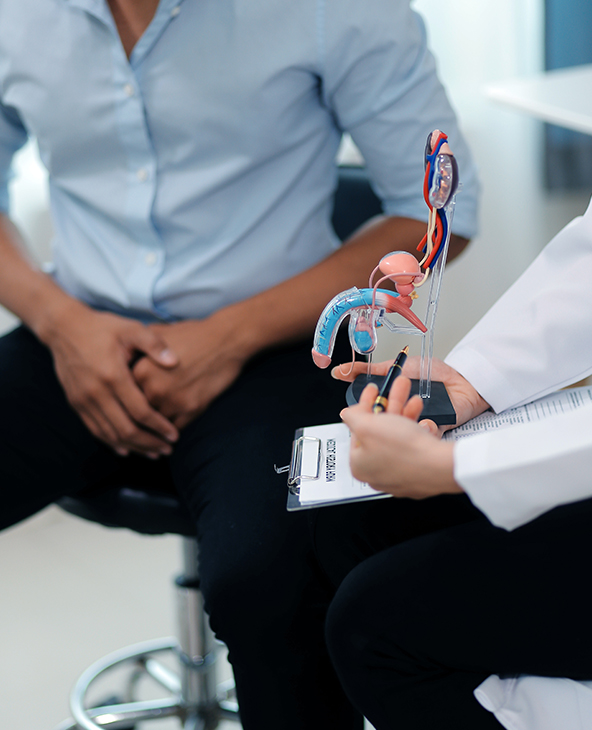
Type I (Most Common)
This is the most common type of posterior urethral valve and accounts for the vast majority of cases. It causes blockage of urine flow and can affect the bladder, ureters, and kidneys if left untreated.
Type II
This type was previously included in the classification system but is now considered a normal anatomical variation and does not cause significant urinary obstruction.
Type III
This less common type causes obstruction due to a membrane-like tissue within the urethra. The severity of symptoms can vary depending on the degree of blockage.
Symptoms of Posterior Urethral Valve
The symptoms of posterior urethral valve (PUV) can vary depending on the severity of the blockage and the child's age. Some cases are detected during pregnancy through routine ultrasound scans, while others become apparent after birth or during early childhood.
During Pregnancy (Antenatal Presentation)
- Enlarged kidneys (hydronephrosis) detected on a foetal ultrasound
- Reduced amniotic fluid levels in severe cases
- Enlarged bladder or a dilated urethra seen on ultrasound
- Thickening of the bladder wall due to urinary obstruction
In Newborns and Infants
- Weak, slow, or dribbling urinary stream
- Difficulty passing urine or urinary retention
- Swelling of the abdomen due to an enlarged bladder or kidneys
- Recurrent urinary tract infections (UTIs)
- Poor feeding, poor weight gain, or excessive tiredness
- Signs of kidney dysfunction in severe cases
In Older Children
- Poor bladder control or daytime urinary leakage after toilet training
- Frequent urinary tract infections
- Slow or interrupted urine flow
- Frequent urination or difficulty emptying the bladder completely
- Kidney problems detected during medical evaluation
What Causes Posterior Urethral Valve?
Posterior urethral valve (PUV) is a birth condition that develops before a baby is born. It occurs when abnormal canalization occurs in the urethra during foetal development, creating a blockage that restricts the normal flow of urine from the bladder.
The exact cause of PUV is not fully understood, but the condition is present from birth and is not caused by anything a mother does or does not do during pregnancy.
Key facts about PUV include:
- Develops Before Birth: PUV occurs during the early stages of foetal development when the urinary tract is forming.
- Affects Only Boys: The condition occurs only in male children because it affects a part of the urinary tract found only in boys.
- Blocks the Flow of Urine: The abnormal tissue partially or completely blocks urine flow, causing pressure to build up in the bladder and urinary tract.
- Can Affect the Bladder and Kidneys: If left untreated, the blockage can damage the bladder, ureters, and kidneys over time.
- May Affect Kidney Development: In severe cases, the obstruction can interfere with normal kidney development before birth and affect long-term kidney function.
- No Proven Genetic Cause: Although PUV can occasionally occur in more than one family member, no specific genetic cause has been identified.
Doctors Available


Why Choose Graphic Era Hospital for Posterior Urethral Valve Treatment?
Posterior urethral valve requires timely diagnosis, specialised treatment, and long-term follow-up to protect a child's bladder and kidney health. At Graphic Era Hospital, children with PUV receive comprehensive care from diagnosis through recovery and ongoing monitoring. Our approach is built on:

Specialist Paediatric Urology and Surgical Expertise : At Graphic Era Hospital, posterior urethral valve is managed by experienced paediatric surgeons with expertise in treating congenital urinary tract conditions in children. From antenatal counselling and neonatal treatment to long-term follow-up, every child receives an individualised care plan based on the severity of the condition and overall kidney and bladder health.

Comprehensive Diagnostic and Treatment Facilities : Accurate diagnosis is essential for effective treatment of posterior urethral valve. Graphic Era Hospital offers advanced diagnostic facilities, including ultrasound, voiding cystourethrogram (VCUG), nuclear medicine scans, and cystoscopy, all under one roof. This helps ensure timely diagnosis, detailed evaluation, and appropriate treatment planning. Antenatally detected cases are supported through counselling and coordinated post-birth assessment.

Multidisciplinary Care for Long-Term Management : Children with posterior urethral valve often require ongoing monitoring even after treatment. At Graphic Era Hospital, paediatric surgeons work closely with paediatricians, urologists, and kidney specialists to provide comprehensive care. This team-based approach helps monitor bladder and kidney function, manage any long-term concerns, and support the child’s health and development as they grow.
Diagnosing and Treating Posterior Urethral Valve at Graphic Era Hospital
Early diagnosis and timely treatment are essential to protect bladder and kidney function in children with posterior urethral valve. At Graphic Era Hospital, our specialists use advanced diagnostic tools and personalised treatment plans to ensure the best possible outcomes for every child.
Diagnostic Approach
Accurate diagnosis is essential to assess the severity of the blockage and its impact on the bladder and kidneys. At Graphic Era Hospital, our specialists use a combination of imaging tests and clinical evaluation to confirm the diagnosis and plan the most appropriate treatment.
The diagnostic process may include:
- Antenatal Ultrasound: PUV may be suspected during pregnancy if routine ultrasound scans show enlarged kidneys, an enlarged bladder, or other signs of urinary obstruction.
- Postnatal Ultrasound: After birth, an ultrasound helps assess the kidneys, bladder, and urinary tract and determine the extent of the blockage.
- Voiding Cystourethrogram (VCUG): This specialised imaging test uses contrast dye to evaluate the bladder and urethra during urination and is one of the most important tests for confirming PUV.
- Cystoscopy: A thin camera is passed through the urethra to directly view the blockage. This procedure can also be used to treat the valve during the same session.
- Kidney Function Tests: Blood tests are performed to assess how well the kidneys are working and to monitor kidney health over time.
- Nuclear Medicine Scans: In selected cases, specialised scans may be recommended to evaluate kidney function and identify any long-term kidney damage.
- Urodynamic Studies: These tests may be used in older children to assess bladder function and guide long-term management when urinary symptoms persist after treatment.
Treatment Approach
The treatment of posterior urethral valve focuses on relieving the blockage, protecting kidney function, and supporting healthy bladder function as the child grows. The treatment plan depends on the child's age, symptoms, and the severity of the condition.
Treatment options may include:
- Initial Urinary Drainage: In newborns with significant urinary obstruction, a catheter may be used to drain urine from the bladder and relieve pressure on the urinary tract before further treatment.
- Endoscopic Valve Ablation: This is the main treatment for posterior urethral valve. Using a small camera and specialised instruments, the abnormal tissue causing the blockage is removed to restore normal urine flow.
- Vesicostomy: In some newborns who are too small or medically unstable for immediate valve ablation, a temporary opening may be created in the bladder to allow urine to drain until definitive treatment can be performed.
- Management of Vesicoureteric Reflux (VUR): Some children with PUV develop backward flow of urine from the bladder to the kidneys. This may be managed with medication, monitoring, or additional treatment if required.
- Bladder Function Management: Some children may continue to experience bladder problems after treatment. Depending on the child's needs, treatment may include medications, bladder training, or other specialised interventions.
- Long-Term Follow-Up Care: Children with PUV require regular follow-up to monitor kidney health, bladder function, blood pressure, growth, and overall development. Ongoing care helps identify and manage any long-term complications at an early stage.
Top PUV Investigations and Treatments
- Antenatal Ultrasound for Foetal Hydronephrosis
- Postnatal Renal and Bladder Ultrasound
- Voiding Cystourethrogram (VCUG)
- Cystoscopy and Endoscopic Valve Ablation
- Laser Valve Ablation
- Urethral Catheterisation for Acute Relief
- Suprapubic Catheterisation
- Vesicostomy
- DMSA Renal Scintigraphy
- Urodynamic Studies
- Serum Creatinine and Renal Function Monitoring
- Antibiotic Prophylaxis for UTI Prevention
- Anticholinergic Therapy for Bladder Dysfunction
- Clean Intermittent Catheterisation (CIC)
- Vesicoureteric Reflux Surveillance and Management
- Bladder Augmentation Surgery
- Long-Term Nephrology and Urology Follow-Up
Conditions Associated With Posterior Urethral Valve Treated at Graphic Era Hospital
Advanced Diagnostics & Technology
- Offers high-resolution imaging for detailed blood vessel analysis, aiding in accurate diagnosis and treatment planning.
- Delivers advanced imaging with high resolution for clear, detailed views of soft tissues, ensuring precise diagnostics.
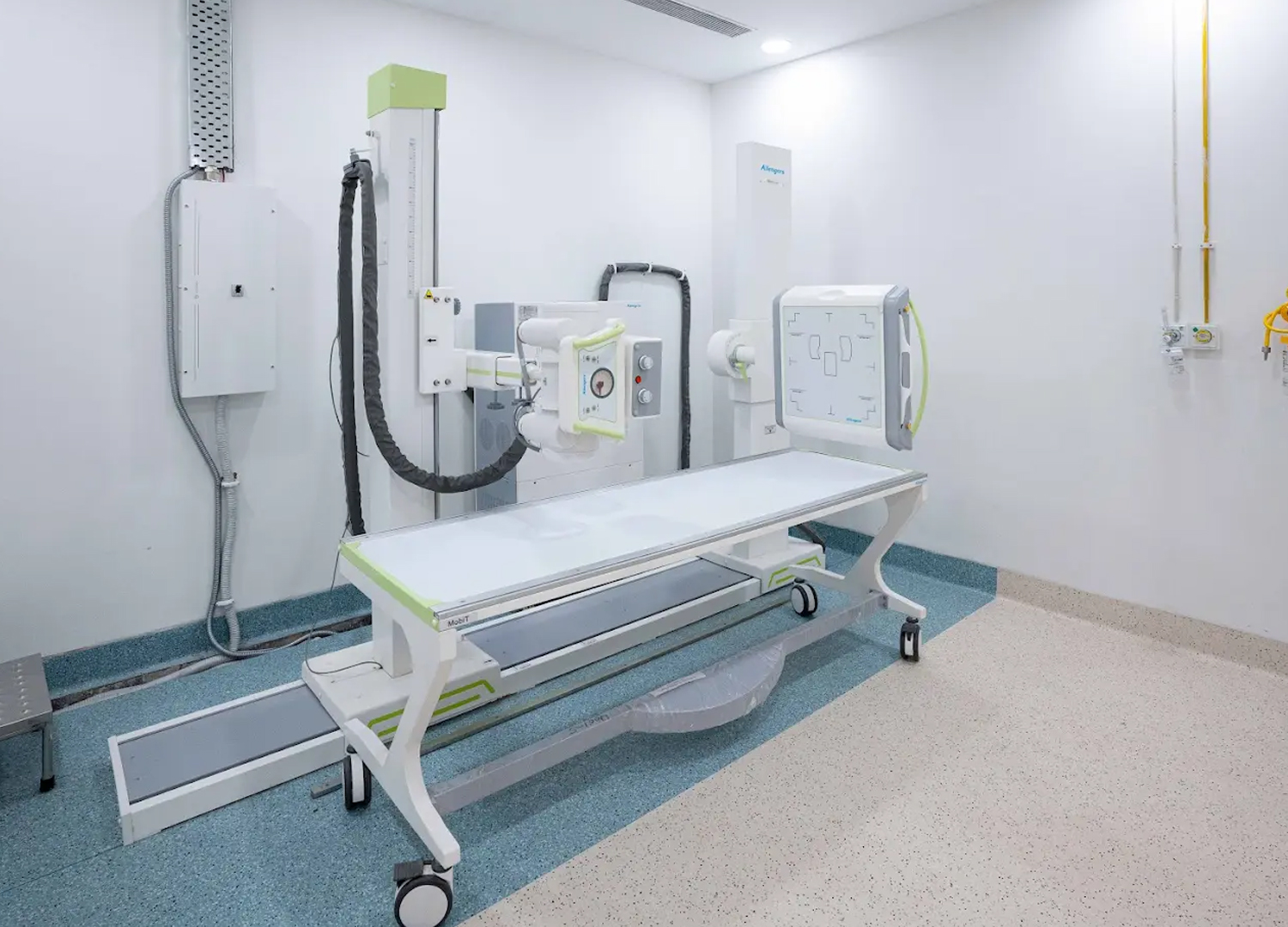
- Provides high-quality, detailed radiographic images for accurate diagnosis with minimal exposure to radiation.
Other Specialities


Patient Stories





Blog





Frequently Asked Questions (FAQs)
Can posterior urethral valve be cured?
The blockage caused by posterior urethral valve can be treated with surgery. However, some children may continue to require long-term monitoring of bladder and kidney function.
Is posterior urethral valve a serious condition?
Yes. If left untreated, PUV can damage the bladder and kidneys. Early diagnosis and treatment help reduce the risk of long-term complications.
At what age is posterior urethral valve diagnosed?
Many cases are detected before birth through routine ultrasound scans. Others are diagnosed during infancy or early childhood when urinary symptoms or recurrent infections develop.
Is surgery necessary for posterior urethral valve?
Yes. Surgery is usually required to remove the blockage and restore normal urine flow. The type and timing of treatment depend on the child’s age and condition.
Can posterior urethral valve be detected before birth?
Yes. PUV is often identified during pregnancy through routine ultrasound scans that show abnormalities in the baby’s urinary tract.
What are the early signs of posterior urethral valve in newborns?
Common signs include a weak urinary stream, difficulty passing urine, abdominal swelling, recurrent urinary infections, and poor weight gain.
How is posterior urethral valve diagnosed?
Diagnosis typically involves ultrasound, a voiding cystourethrogram (VCUG), cystoscopy, and kidney function tests to assess the urinary tract and kidneys.
Does posterior urethral valve affect girls?
No. Posterior urethral valve occurs only in boys because it affects a part of the urinary tract that is present only in males.
Where can I get posterior urethral valve treatment in Dehradun?
Graphic Era Hospital offers specialised diagnosis, treatment, and long-term follow-up care for children with posterior urethral valve in Dehradun.