Viral fever is one of the most common reasons people seek medical attention, particularly during seasonal changes and outbreak periods. While most cases improve with rest, adequate hydration, and basic symptom management, some viral infections can progress rapidly, causing high fever, dehydration, breathing difficulties, or complications that require prompt medical care.
Knowing when to monitor at home and when to seek medical evaluation can make a significant difference in recovery outcomes. At Graphic Era Hospital, Dehradun, patients with viral fever receive a thorough clinical assessment to identify the underlying infection, rule out conditions such as dengue, malaria, or bacterial illness, and determine the most appropriate course of treatment, from outpatient care to hospital-based management for severe cases.
What is Viral Fever?
Viral fever is not a disease in itself but a symptom, a rise in body temperature that occurs when the body’s immune system responds to a viral infection. Depending on the virus involved, the infection may affect the respiratory tract, digestive system, or other organs, which is why the accompanying symptoms can vary considerably from one person to another.

Common viral infections that cause fever include influenza, the common cold, COVID-19, dengue, and chikungunya, among others. Most cases improve within a few days with adequate rest and supportive care. However, because bacterial and parasitic infections can present with symptoms similar to viral fever, a medical evaluation is important when the fever persists, worsens, or is accompanied by warning signs, to identify the underlying cause and ensure the right treatment is given.
Symptoms of Viral Fever and When to See a Doctor
Symptoms of viral fever vary depending on the virus involved, the individual's age, immune status, and overall health. While many people experience mild symptoms that resolve with supportive care, others may develop more severe illness requiring medical attention.
Common Symptoms of Viral Fever
- High or Fluctuating Fever: Viral fever may range from a mild low-grade temperature to a high-grade fever that fluctuates throughout the day. In some infections, the fever rises sharply, breaks with sweating, and returns, which can itself point to the underlying illness.
- Chills and Sweating: Many individuals experience chills or shivering as the fever develops, followed by sweating as the body temperature begins to fall.
- Headache: Mild to severe headaches are common and may occur alongside fever and body aches.
- Body Aches, Joint Pain, and Weakness: Generalised muscle pain, joint discomfort, and a feeling of weakness are frequently associated with viral infections.
- Fatigue: Persistent tiredness and reduced energy levels are common, even after the fever starts to improve.
- Sore Throat and Cough: Viral infections affecting the respiratory tract may cause a sore throat, dry or productive cough, and discomfort while swallowing.
- Runny or Blocked Nose: Nasal congestion, sneezing, or a runny nose often occur in viral respiratory infections.
- Loss of Appetite: Reduced appetite during illness may contribute to weakness if adequate nutrition and hydration are not maintained.
- Nausea, Vomiting, or Diarrhoea: Certain viral infections affecting the digestive system may cause gastrointestinal symptoms in addition to fever.
When to See a Doctor
Although many cases of viral fever resolve within a few days, medical evaluation is recommended if any of the following develop:
- Fever that persists for more than 1-2 days or repeatedly returns
- Very high or high-grade fever that does not improve with prescribed medication
- Difficulty breathing or persistent chest pain
- Signs of dehydration, dizziness, or reduced urine output
- Severe headache, persistent vomiting or inability to keep fluids down
- Confusion, excessive drowsiness, or seizures
- A widespread rash or bleeding accompanied by fever
- Severe abdominal pain or persistent diarrhoea
- Fever in infants, older adults, pregnant women, or individuals with weakened immune systems
Early medical evaluation helps identify the underlying cause of the fever, rule out serious infections such as dengue, malaria, or bacterial illnesses, and ensure timely treatment to prevent complications.
Common Viral Infections That Can Cause Viral Fever
Viral fever is not a specific disease but a symptom that can occur as the body's immune system responds to various viral infections. While many viral illnesses cause self-limiting fever that resolves with supportive care, others may require closer monitoring or disease-specific treatment. Identifying the underlying viral infection is therefore an important part of planning appropriate care.
- Influenza (Flu): Influenza viruses commonly cause sudden fever, chills, body aches, headache, sore throat, cough, and fatigue. Symptoms usually develop rapidly and may be more severe in older adults, young children, and individuals with chronic medical conditions.
- Common Cold Viruses: Viruses such as rhinoviruses and certain coronaviruses can cause mild fever, particularly in children, along with a runny nose, sneezing, sore throat, and cough.
- COVID-19: COVID-19 may present with fever, cough, sore throat, fatigue, headache, loss of taste or smell, and breathing difficulties. The severity of illness can vary from mild symptoms to serious complications requiring hospital care.
- Dengue: Dengue is a mosquito-borne viral infection that typically causes high fever, severe headache, muscle and joint pain, pain behind the eyes, skin rash, and low platelet counts. Prompt diagnosis is important to identify warning signs and prevent complications.
- Chikungunya: Another mosquito-borne viral illness, chikungunya often causes sudden fever accompanied by severe joint pain, muscle aches, headache, rash, and fatigue. Joint pain may persist for weeks or even months in some individuals.
- Viral Gastroenteritis: Viruses affecting the digestive system can cause fever along with nausea, vomiting, diarrhoea, abdominal cramps, and dehydration. Supportive care and fluid replacement play an important role in recovery.
- Other Seasonal Viral Infections: Several other viruses can also cause fever, especially during seasonal outbreaks. Depending on the virus involved, symptoms may affect the respiratory tract, digestive system, skin, or other parts of the body, making accurate diagnosis essential for appropriate treatment.
Key Risk Factors for Viral Fever
Certain seasonal and environmental factors can increase the likelihood of viral infections, particularly during the monsoon months:
- Monsoon weather: Higher humidity, warm temperatures, and frequent rainfall help some viruses survive and spread more easily.
- Mosquito breeding: Stagnant water after rains increases breeding of Aedes mosquitoes, raising the risk of viral illnesses such as dengue and chikungunya.
- Crowded indoor spaces: People tend to spend more time indoors during rainy weather, increasing transmission of respiratory viruses through coughing, sneezing, and close contact.
- Unsafe drinking water and poor sanitation: Heavy rains can contaminate water supplies, increasing the risk of water-borne viral infections such as hepatitis A and E.
- Weakened immunity or chronic illnesses: Young children, older adults, pregnant women, and individuals with conditions such as diabetes, asthma, kidney disease, or weakened immune systems are more likely to develop severe illness.
- Poor hygiene practices: Infrequent handwashing, consuming unhygienic food, or drinking untreated water increases the chance of infection.
Reducing the Risk of Viral Fever
The following precautions can help lower the risk of viral infections, particularly during the monsoon season:
- Washing hands frequently
- Drinking boiled, filtered, or otherwise safe water
- Avoiding stagnant water around the home and using mosquito repellents or bed nets
- Wearing long sleeves and full-length clothing when mosquitoes are active
- Eating freshly prepared food and avoiding food from unhygienic sources during the rainy season
- Keeping rooms well ventilated where possible
Doctors Available




Why Choose Graphic Era Hospital, Dehradun, for Viral Fever Treatment

Highly Experienced Internal Medicine Specialists : The Internal Medicine specialists and physicians at Graphic Era Hospital are experienced in evaluating and managing a wide range of viral infections, from common seasonal illnesses to more complex conditions that require hospital-based care. Every patient undergoes a thorough clinical assessment to identify the cause of the fever and determine the most appropriate treatment approach.

Personalised Treatment Based on Individual Needs : Treatment plans are tailored according to the patient’s symptoms, age, medical history, underlying health conditions, and the severity of the infection. Whether the condition can be managed with supportive care at home or requires hospitalisation, the focus remains on providing safe, evidence-based treatment that promotes recovery while minimising the risk of complications.

Multidisciplinary Care for Severe Viral Illnesses : Patients with severe viral infections or complications benefit from coordinated care involving physicians, infectious disease specialists, critical care experts, pulmonologists, and other specialists whenever required. This collaborative approach helps ensure comprehensive management, particularly for high-risk individuals.
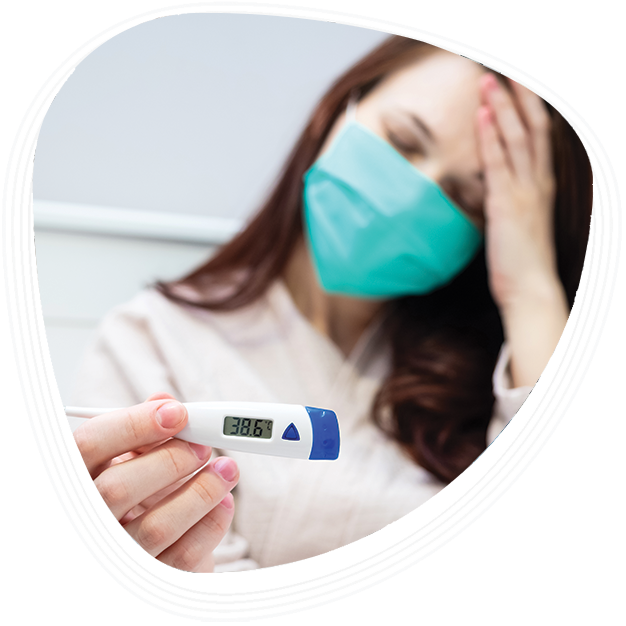
Viral Fever Treatment at Graphic Era Hospital: From Diagnosis to Recovery
At Graphic Era Hospital, Dehradun, the management of viral fever follows a structured approach that begins with accurate diagnosis and continues through treatment, recovery, and follow-up care. The goal at every stage is to identify the underlying infection, provide appropriate treatment, and support the patient through to full recovery.
Diagnostic Approach
Effective treatment begins with identifying the cause of the fever and assessing its severity. Since viral fever shares symptoms with several other infectious diseases, a structured evaluation helps determine whether the illness is caused by a viral infection or another underlying condition requiring different treatment.
Medical History and Symptom Assessment
The physician reviews the patient's symptoms, including the duration and pattern of the fever, associated complaints such as cough, sore throat, body aches, rash, vomiting, or diarrhoea, recent travel, exposure to infected individuals, and any existing medical conditions. This information helps narrow down the possible causes of the illness.
Physical Examination
A detailed physical examination is performed to assess vital signs, hydration status, respiratory rate, lymph node swelling, skin changes, and other clinical findings that may indicate the severity of the infection or the presence of complications.
Laboratory Investigations
Blood tests such as a Complete Blood Count (CBC) are recommended to evaluate the body's response to infection and identify abnormalities that require further attention. Where clinically indicated, disease-specific tests may be performed to identify infections such as dengue, malaria, influenza, or COVID-19, helping guide appropriate treatment while avoiding unnecessary medications.
Additional Investigations for Persistent or Severe Fever
If the fever persists, recurs, or is associated with severe symptoms, further investigations such as urine tests, chest X-rays, or other imaging studies may be recommended to identify complications or rule out alternative causes before finalising the treatment plan.
Treatment Approach
The treatment of viral fever depends on the underlying infection, the severity of symptoms, the patient's age, overall health, and the presence of any complications. Since antibiotics are not effective against viruses, treatment focuses on relieving symptoms, maintaining hydration, supporting the body's natural recovery, and managing complications when they arise.
Symptomatic Management
For most patients, treatment aims to reduce fever and relieve symptoms such as headache, body aches, sore throat, and general discomfort. Fever-reducing and pain-relieving medications may be prescribed based on the patient's age, medical history, and overall condition. Self-medication should be avoided, as certain medications may not be suitable for all viral infections.
Hydration and Supportive Care
Adequate fluid intake plays a vital role in recovery by helping prevent dehydration caused by fever, sweating, vomiting, or diarrhoea. Patients with significant dehydration or those unable to maintain adequate oral intake may require intravenous fluid therapy in the hospital.
Antiviral Therapy When Indicated
Although many viral infections improve without specific antiviral medications, certain illnesses such as influenza or COVID-19 may require antiviral treatment in selected patients. These medications are prescribed only when clinically appropriate, based on the type of infection, the patient's risk factors, and the stage of the illness.
Hospitalisation for Severe Cases
Patients with persistent high fever, breathing difficulties, severe dehydration, altered consciousness, or complications affecting vital organs may require hospital admission for close monitoring and advanced medical care. Individuals at higher risk, including older adults, infants, pregnant women, and those with weakened immune systems or chronic medical conditions, may also benefit from inpatient management depending on their clinical condition.
Recovery and Aftercare
Recovery from viral fever varies depending on the underlying infection and the individual's overall health. While many people begin to feel better within a few days, fatigue and weakness may persist for some time after the fever has subsided.
Rest, Hydration, and Nutrition
Adequate rest allows the immune system to work more effectively. Drinking plenty of water, oral rehydration solutions, soups, and other fluids helps maintain hydration and replace fluids lost through fever and sweating. Light, nutritious meals rich in vitamins, minerals, and protein support recovery and help restore energy levels. Even if appetite is reduced, maintaining regular fluid and nutrient intake as advised by the treating doctor is important.
Monitoring Symptoms at Home
After returning home, patients should continue monitoring their temperature and overall condition. If the fever persists, returns after initially improving, or new symptoms such as difficulty breathing, severe weakness, persistent vomiting, rash, or confusion develop, prompt medical evaluation is recommended.
Follow-Up Care
Some viral infections require follow-up consultations to monitor recovery or assess for complications, particularly in patients with prolonged symptoms, chronic medical conditions, or severe illness. Regular follow-up supports recovery and allows timely intervention if additional treatment is needed.
Top Viral Fever Investigations and Treatments
Investigations
- Clinical Examination
- Complete Blood Count (CBC)
- Dengue NS1 Antigen and Antibody Tests
- Malaria Parasite Test
- COVID-19 RT-PCR or Rapid Antigen Test
- Influenza (Flu) Test
- Liver and Kidney Function Tests
- Urine Analysis
- Chest X-ray (when respiratory complications are suspected)
Treatments
- Symptomatic Medical Management
- Fever-Reducing Medications
- Hydration and Electrolyte Therapy
- Intravenous (IV) Fluid Therapy
- Antiviral Medications (when indicated)
- Oxygen Therapy (for patients with breathing difficulties)
- Hospital-Based Supportive Care
- Intensive Care Management for Severe Viral Infections
Advanced Diagnostics & Technology
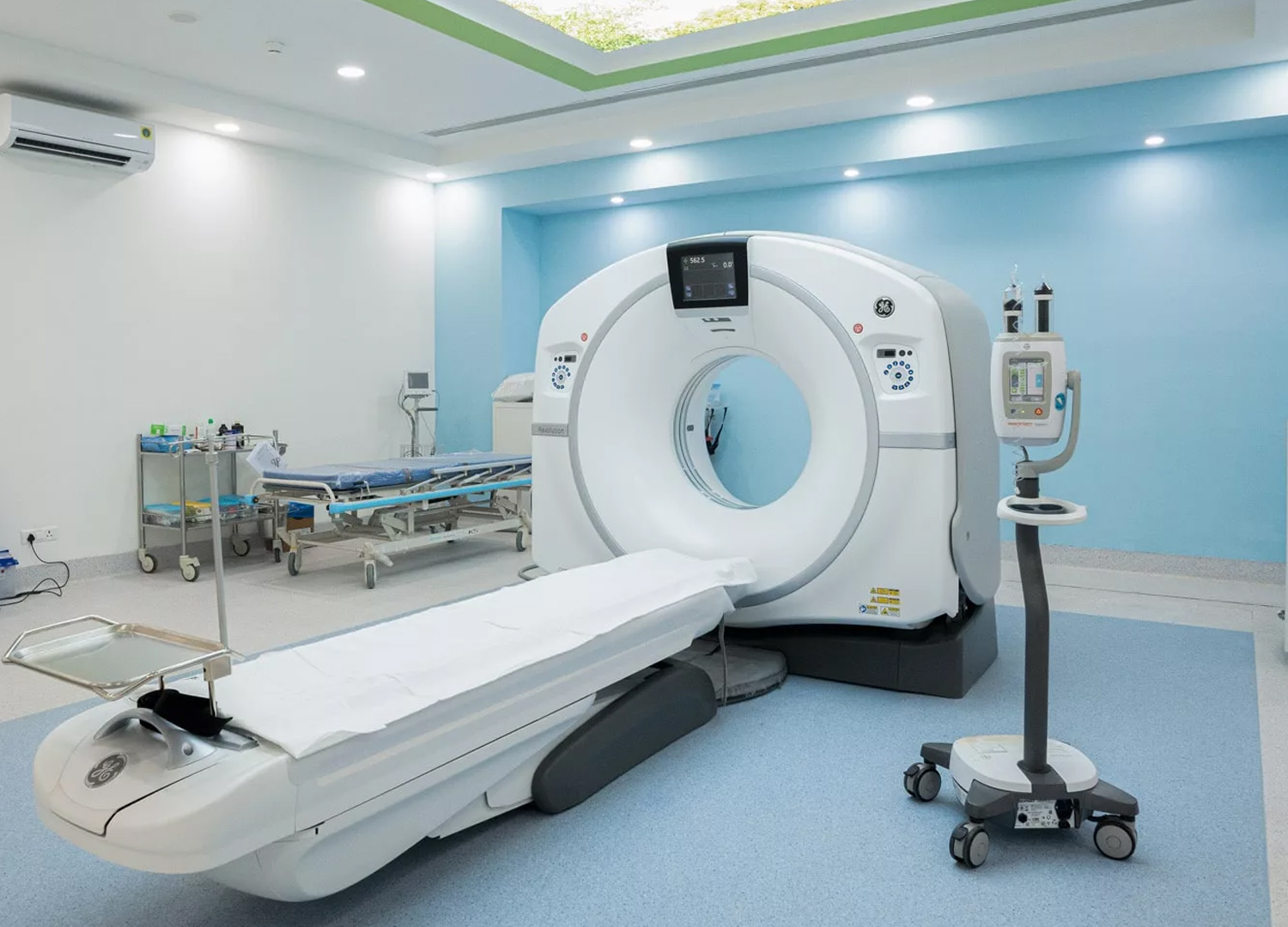
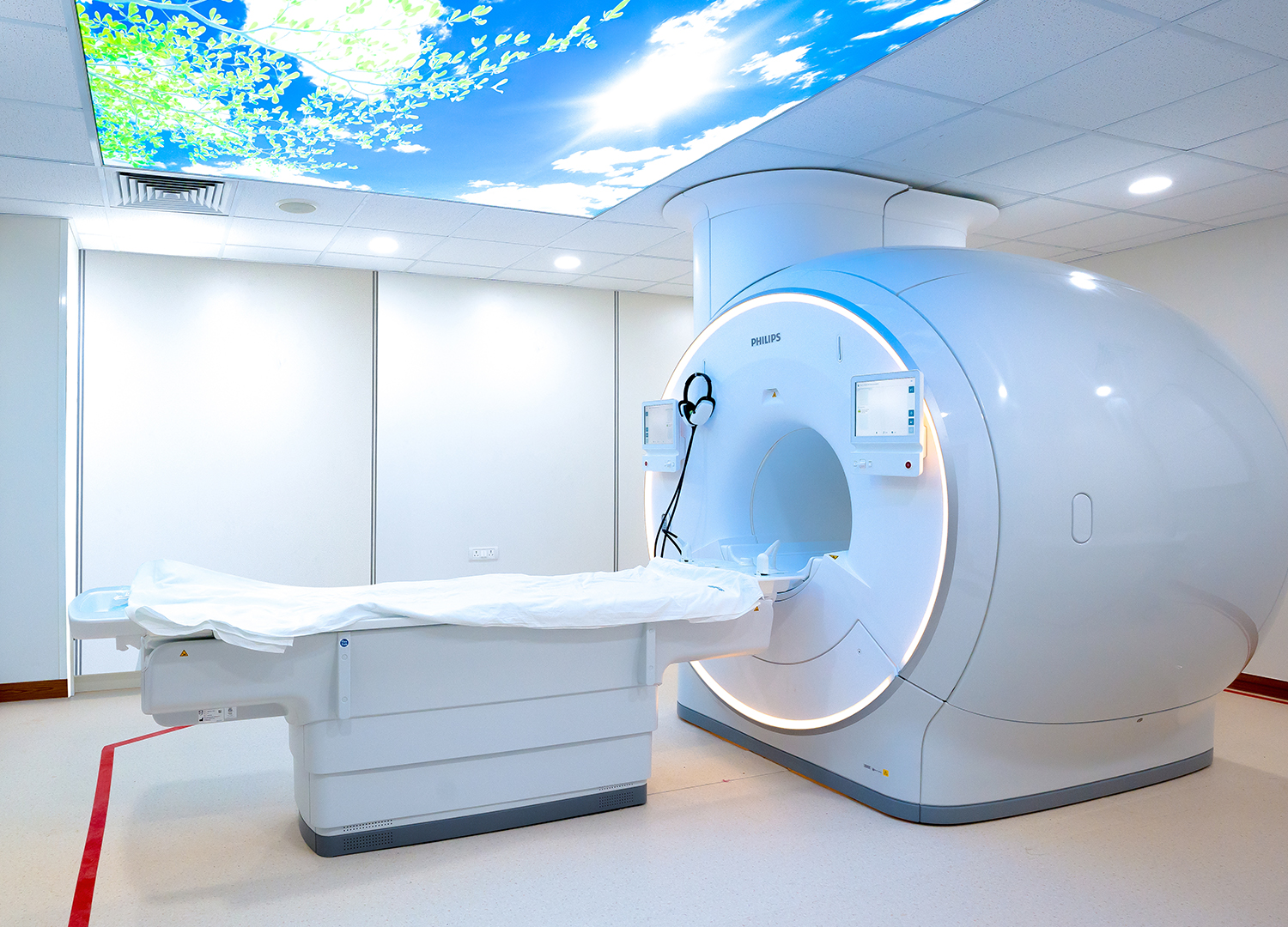
- Offers high-resolution imaging for detailed blood vessel analysis, aiding in accurate diagnosis and treatment planning.
- Delivers advanced imaging with high resolution for clear, detailed views of soft tissues, ensuring precise diagnostics.
- Provides high-quality, detailed radiographic images for accurate diagnosis with minimal exposure to radiation.

Other Specialities


Patient Stories





Blog






Frequently Asked Questions (FAQs)
How long does viral fever usually last?
Most cases of viral fever improve within three to seven days. However, recovery may take longer depending on the virus involved, the severity of the infection, and the individual’s overall health. Fever that persists beyond a few days should be evaluated by a doctor.
Do antibiotics work for viral fever?
No. Antibiotics are designed to treat bacterial infections and are not effective against viruses. They are prescribed only if a bacterial infection is suspected or confirmed in addition to the viral illness.
Is viral fever contagious?
Yes, many viral infections that cause fever can spread from person to person, though the mode of transmission depends on the virus involved. Respiratory viruses such as influenza and COVID-19 spread through droplets released when an infected person coughs or sneezes, while some viruses spread through direct contact with contaminated surfaces. Others, such as dengue and chikungunya, are transmitted through mosquito bites and do not spread directly between people. Good hand hygiene, wearing a mask when symptomatic, and avoiding close contact with others can help reduce transmission.
Can viral fever become serious?
While many viral infections are mild and resolve on their own, some can lead to complications such as dehydration, pneumonia, organ involvement, or severe illness, particularly in high-risk individuals. Early diagnosis and timely treatment help reduce the risk of complications.
How can I recover faster from viral fever?
Adequate rest, proper hydration, nutritious food, and taking medications exactly as prescribed can support recovery. It is also important to avoid strenuous activities until the body has fully recovered.
How can viral fever be prevented?
Preventive measures include frequent handwashing, maintaining good personal hygiene, avoiding close contact with infected individuals, staying up to date with recommended vaccinations, protecting against mosquito bites where applicable, and following appropriate infection-control practices during outbreaks.
How is viral fever diagnosed?
Viral fever is diagnosed through a combination of the patient’s medical history, symptoms, physical examination, and laboratory investigations. Depending on the clinical presentation, the doctor may recommend tests such as a Complete Blood Count (CBC), dengue or malaria tests, COVID-19 or influenza testing, and other investigations to identify the underlying cause of the fever and rule out other infections.
What is the best treatment for viral fever?
The best treatment depends on the virus causing the infection and the severity of the illness. In most cases, treatment focuses on reducing fever, relieving symptoms, maintaining adequate hydration, ensuring proper rest, and supporting the body’s natural recovery. Antiviral medications may be prescribed for certain viral infections when clinically appropriate, while severe cases may require hospital-based care.
Can viral fever be treated at home?
Many cases of mild viral fever can be managed at home with adequate rest, plenty of fluids, nutritious food, and medications prescribed by a doctor to relieve fever and discomfort. However, medical attention should be sought if the fever persists for more than a few days, becomes very high, or is accompanied by symptoms such as difficulty breathing, persistent vomiting, confusion, severe dehydration, or other warning signs.
What foods should I eat during viral fever?
During viral fever, it is advisable to consume easily digestible, nutrient-rich foods that help maintain energy and support recovery. Fresh fruits, cooked vegetables, soups, khichdi, porridge, curd (if tolerated), lean proteins, and plenty of fluids such as water, coconut water, and oral rehydration solutions can help prevent dehydration. Oily, spicy, and heavily processed foods are generally best avoided until recovery.
What is the difference between viral fever and bacterial fever?
Viral fever is caused by a viral infection, whereas bacterial fever results from a bacterial infection. Viral fevers often improve with supportive care, while bacterial infections may require antibiotic treatment. Since the symptoms can be similar, a medical evaluation and, when necessary, diagnostic tests are important to identify the underlying cause and determine the appropriate treatment.
Where can I get viral fever treatment near me?
If you are experiencing persistent fever or symptoms suggestive of a viral infection in or around Dehradun, you can consult the physicians at Graphic Era Hospital. The hospital offers comprehensive evaluation, diagnostic investigations, supportive care, and advanced treatment for a wide range of viral illnesses, with access to multidisciplinary care for patients requiring specialised management.
Which doctor treats viral fever in Dehradun?
Viral fever is primarily treated by Internal Medicine specialists (physicians) or General Medicine doctors. Depending on the underlying infection and its severity, patients may also be evaluated by infectious disease specialists, pulmonologists, paediatricians (for children), or critical care specialists to ensure comprehensive management.
How do I book an appointment at Graphic Era Hospital for viral fever treatment?
You can book an appointment online through the hospital website or call 1800-889-7351 for assistance. Patients who prefer consulting from home may also schedule a virtual consultation.