Being unable to conceive a child could be highly frustrating for wishful parents, and can even impact their emotional and social well-being. But you don’t have to face it alone. At Graphic Era Hospital, Dehradun, infertility treatment is provided by experienced obstetricians and gynaecologists supported by advanced diagnostic facilities, fertility evaluation services, and comprehensive reproductive health care. Through detailed assessment, individualised treatment planning, and ongoing reproductive health support, we help couples identify factors affecting fertility and develop appropriate treatment plans to help them realise their dream of parenthood.
What is Infertility?
Infertility is a reproductive health condition that affects the ability to achieve pregnancy. While it is common for conception to take time, infertility is generally defined as the inability to become pregnant after 12 months or more of regular, unprotected intercourse. Women aged 35 years and older are advised to seek fertility evaluation after six months of attempting to conceive, as fertility naturally declines with age.

It is important to distinguish infertility from occasional difficulty conceiving. Many couples may take several months to achieve pregnancy naturally, whereas infertility refers to a persistent challenge that may require medical evaluation. Infertility can involve factors affecting the female reproductive system, the male reproductive system, both partners, or, in some cases, may remain unexplained despite thorough assessment.
Types of Infertility
Infertility can be classified into different types based on a person's pregnancy history and the findings of a fertility evaluation. Understanding the type of infertility can help doctors assess reproductive health concerns and determine the most appropriate approach to further evaluation and care.
- Primary Infertility: Primary infertility refers to difficulty achieving pregnancy in a woman who has never been pregnant before despite actively trying to conceive.
- Secondary Infertility: Secondary infertility occurs when a woman experiences difficulty becoming pregnant after having achieved one or more previous pregnancies.
- Unexplained Infertility: In some cases, a thorough fertility evaluation does not identify a specific reason for infertility. This is known as unexplained infertility and may occur even when standard fertility tests appear normal.
Signs and Symptoms of Infertility
The primary sign of infertility is difficulty achieving pregnancy despite regular, unprotected intercourse. Some women also experience changes in their menstrual cycle or other reproductive health concerns associated with fertility problems. The severity and combination of symptoms can vary from person to person.
Common signs and symptoms include:
- Difficulty Conceiving: The most common sign of infertility is the inability to become pregnant after a period of regular, unprotected intercourse.
- Irregular, Infrequent, or Absent Menstrual Periods: Some women may notice menstrual cycles that occur unpredictably, occur less often than usual, or stop altogether.
- Painful or Heavy Menstrual Periods: Some women may experience unusually painful periods, heavy menstrual bleeding, or persistent pelvic discomfort.
- Hormonal Changes: Changes associated with hormonal fluctuations may include acne, excess facial or body hair growth, or thinning hair.
- Recurrent Pregnancy Loss: Some women may experience repeated pregnancy loss, which can indicate an underlying reproductive health concern requiring further evaluation.
Causes and Risk Factors of Infertility
The causes of infertility can vary from one person to another and may involve factors affecting the female reproductive system, male reproductive system, or both partners. Identifying these underlying factors helps guide appropriate evaluation and supports informed decisions about further care and management.
- Ovulation Disorders: Conditions that affect the regular release of eggs from the ovaries can make conception more difficult and are among the most common causes of infertility in women.
- Polycystic Ovary Syndrome (PCOS):PCOS is a common hormonal condition that affects ovulation and fertility. Women experiencing related symptoms benefit from prompt medical evaluation.
- Fallopian Tube Disorders: Damage, blockage, or abnormalities affecting the fallopian tubes can interfere with the movement of the egg and sperm, reducing the chances of pregnancy.
- Endometriosis: This condition occurs when tissue similar to the lining of the uterus grows outside the uterus and can affect fertility in some women.
- Uterine or Cervical Conditions: Structural abnormalities involving the uterus or cervix can interfere with conception or implantation and contribute to fertility challenges.
- Hormonal Imbalances: Changes in hormone levels that regulate ovulation and reproductive function affect fertility. In some cases, an underlying hormonal imbalance contributes to difficulties conceiving.
- Age and Ovarian Reserve: Female fertility naturally declines with age due to changes in both the quantity and quality of eggs. Ovarian reserve refers to the number of eggs available in the ovaries, which gradually decreases over time and affects fertility.
- Lifestyle Factors: Smoking, excessive alcohol consumption, obesity, being underweight, chronic stress, and certain environmental exposures can negatively affect fertility.
- Male Factors: Fertility challenges are not always related to female reproductive health. Changes in sperm production, sperm quality, or sperm delivery can also affect conception. When male fertility factors are suspected, additional evaluation is recommended to determine whether male infertility treatment or further specialist care is required.
Doctors Available

Dr. Shweta Nimonkar
Senior Consultant & HOD
Obstetrics and Gynaecology
Experience: 20 Years
Book An Appointment
Dr. Priyanka Chaudhri
Senior Consultant
Obstetrics and Gynaecology
Experience: 18 Years
Book An Appointment
Dr. Annet Thatal
Senior Consultant
Obstetrics and Gynaecology
Experience: 11 Years
Book An Appointment
Dr. Swati Agrawal
Consultant
Obstetrics & Gynaecology (OBGY)
Experience: 13 Years
Book An Appointment






Why Choose Graphic Era Hospital for Infertility Treatment in Dehradun
Choosing the right healthcare provider for fertility care is an important decision and can often be accompanied by uncertainty, questions, and emotional challenges. At Graphic Era Hospital, we understand these concerns and provide compassionate, patient-centred care supported by advanced diagnostic facilities and personalised treatment planning. Here are some of the attributes that make us stand out:

Experienced Obstetricians, Gynaecologists and Fertility Specialists : The management of infertility requires a thorough understanding of reproductive health and the factors that can affect conception. At Graphic Era Hospital, care is provided by experienced obstetricians, gynaecologists, and fertility specialists who work closely with each patient to understand their medical history, reproductive health concerns, and pregnancy goals. This personalised approach helps ensure that treatment plans are tailored to individual needs and circumstances.

Advanced Fertility Evaluation and Diagnostic Facilities : Accurate assessment plays an important role in understanding factors that may affect fertility. Graphic Era Hospital offers comprehensive fertility evaluation services supported by advanced diagnostic facilities, including laboratory testing and ultrasound imaging. Our team uses these diagnostic tools to gain a detailed understanding of reproductive health and guide appropriate clinical decision-making.

Comprehensive Reproductive Health and Pregnancy Planning Support : Fertility care extends beyond diagnosis alone. At Graphic Era Hospital, we provide comprehensive reproductive health support that includes evaluation, counselling, ongoing monitoring, and pregnancy planning treatment when appropriate. For patients who may require advanced assisted reproductive options, our team also provides guidance regarding IVF consultation and further fertility care. This coordinated approach helps ensure continuity of care throughout the fertility journey.

Infertility Treatment at Graphic Era Hospital: From Fertility Evaluation to Pregnancy Planning
At Graphic Era Hospital, we understand that fertility concerns can be emotionally challenging and often involve many questions about reproductive health and future family planning. Our team provides comprehensive, personalised care tailored to each patient’s individual circumstances. From initial assessment and fertility evaluation to treatment planning and ongoing follow-up, we work closely with couples to support their reproductive health and conception goals.
Fertility Evaluation and Diagnostic Assessment
Before recommending any treatment, our team conducts a thorough evaluation to identify factors that may be affecting fertility. A comprehensive assessment helps us understand each patient's reproductive health profile and determine the most appropriate course of care. Evaluation may include:
- Medical History Review: Our specialists review menstrual history, previous pregnancies, existing medical conditions, lifestyle factors, and other relevant reproductive health concerns.
- Physical Examination: A detailed clinical examination helps assess overall health and identify factors that may influence fertility.
- Ovulation and Hormonal Assessment: Evaluation of ovulation patterns and reproductive hormone levels helps provide insight into ovarian function and fertility status.
- Ultrasound imaging is used to evaluate the uterus, ovaries, and other reproductive structures.
- Additional Diagnostic Investigations: Further investigations are recommended when additional information is required to understand underlying fertility concerns.
- Assessment of Male Factors: Since fertility challenges can involve either partner, additional specialist evaluation is recommended when male fertility factors are suspected.
Individualised Treatment Planning
Following evaluation, our team develops a personalised care plan based on the findings, age, medical history, reproductive health status, and pregnancy goals of each patient. Treatment planning focuses on identifying underlying factors, discussing available options, and determining the most appropriate approach for ongoing care and pregnancy planning treatment.
Treatment Options for Infertility
Treatment recommendations depend on the underlying cause of fertility difficulties and individual reproductive health needs. Depending on the findings, treatment may include:
- Lifestyle and Health Optimisation: Recommendations are provided to address factors that affect reproductive health and fertility.
- Ovulation Induction and Fertility Medications: Medications are prescribed when support for ovulation is required.
- Management of Hormonal Conditions: Treatment is recommended to address reproductive conditions associated with a hormonal imbalance.
- Management of Underlying Gynaecological Conditions: Care includes treatment for conditions affecting fertility, including those that require PCOS treatment or other specialised reproductive health care.
- Surgical Management: In selected cases, surgical treatment is recommended to address structural abnormalities affecting fertility.
- Advanced Fertility Treatments: When required, our team also offers advanced fertility care options such as IVF consultation and other assisted reproductive techniques, including IUI, based on individual needs and treatment suitability.
Monitoring and Follow-Up Care
Fertility care requires ongoing assessment and regular follow-up. At Graphic Era Hospital, treatment progress is monitored through clinical review, ovulation assessment, hormonal monitoring, and ultrasound evaluation when required. Follow-up appointments allow our specialists to assess treatment response, adjust treatment plans when necessary, and provide continued support throughout the care journey.
Long-Term Reproductive Health Support
Our commitment to care extends beyond immediate treatment. Long-term follow-up includes reproductive health counselling, ongoing management of underlying gynaecological conditions, hormonal health monitoring, and continued support for future family planning. Through regular review and preventive care, we support women in maintaining their long-term reproductive health and overall wellbeing.
Top Procedures
Investigations
- Fertility Evaluation
- Hormonal Assessment
- Ultrasound Assessment
- Ovulation Assessment
- Ovarian Reserve Assessment
- Hysterosalpingography (HSG)
- Semen Analysis
Treatments
- Fertility Counselling
- Lifestyle and Health Optimisation
- Ovulation Induction
- Hormonal Therapy
- PCOS Treatment
- Surgical Management
- Pregnancy Planning Treatment
- IVF Consultation
- Intrauterine Insemination (IUI)
Risks and Possible Complications of Infertility Treatment
Infertility treatment helps address underlying reproductive health concerns and improve the chances of conception. As with any medical treatment, however, certain risks and complications are associated with specific medications, procedures, or assisted reproductive techniques.
Advanced Diagnostics & Technology
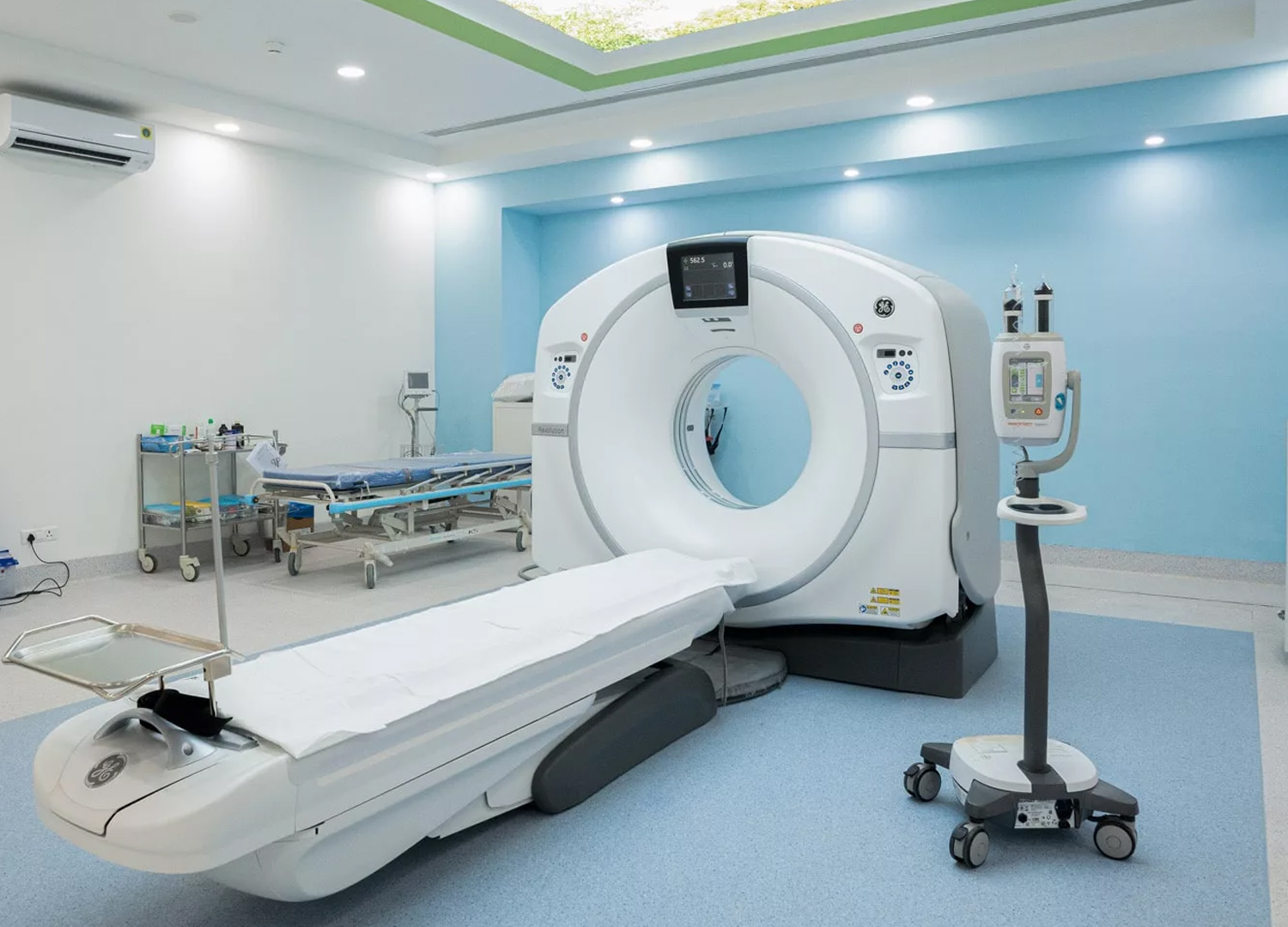
- Offers high-resolution imaging for detailed blood vessel analysis, aiding in accurate diagnosis and treatment planning.
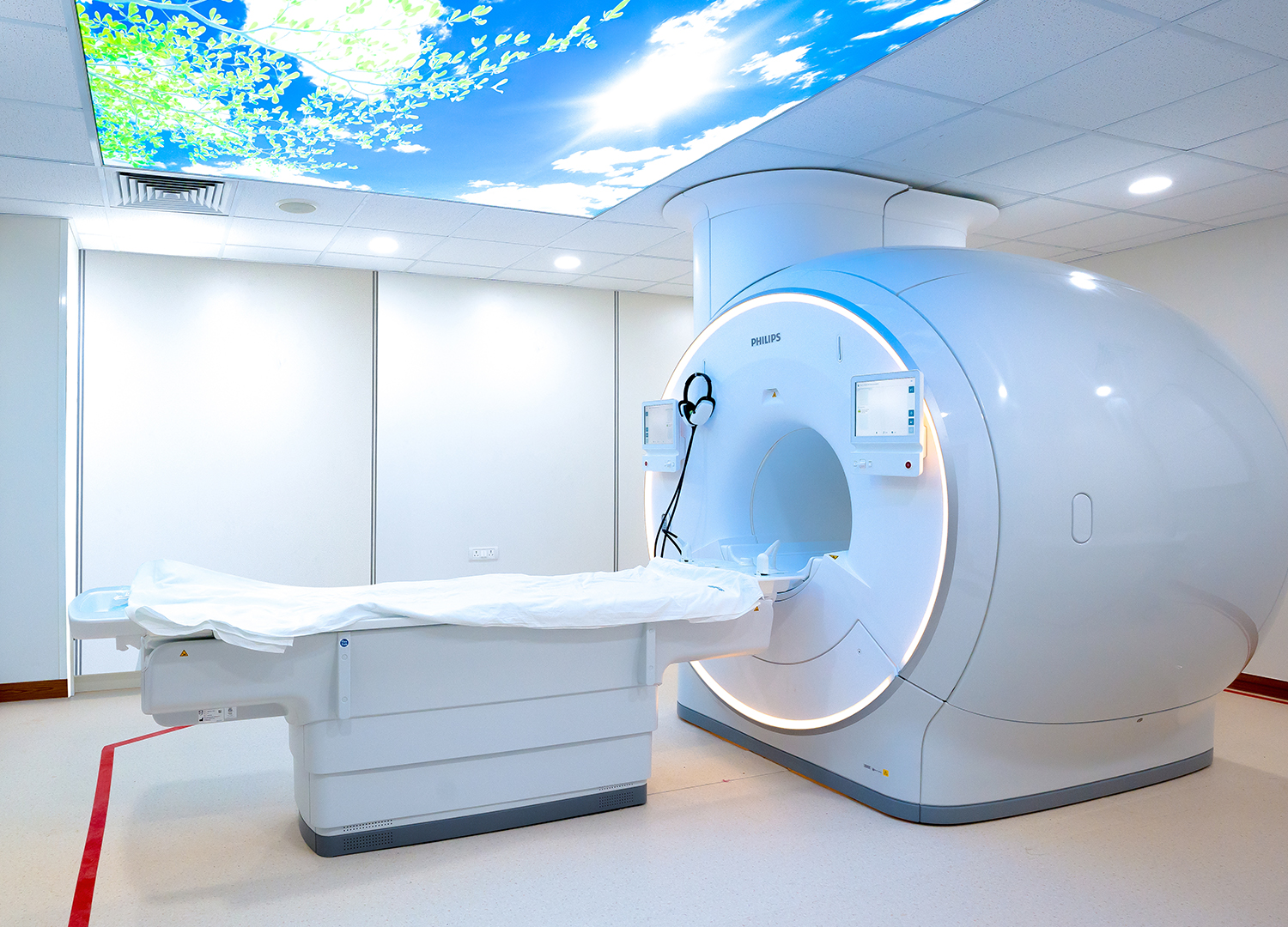
- Delivers advanced imaging with high resolution for clear, detailed views of soft tissues, ensuring precise diagnostics.
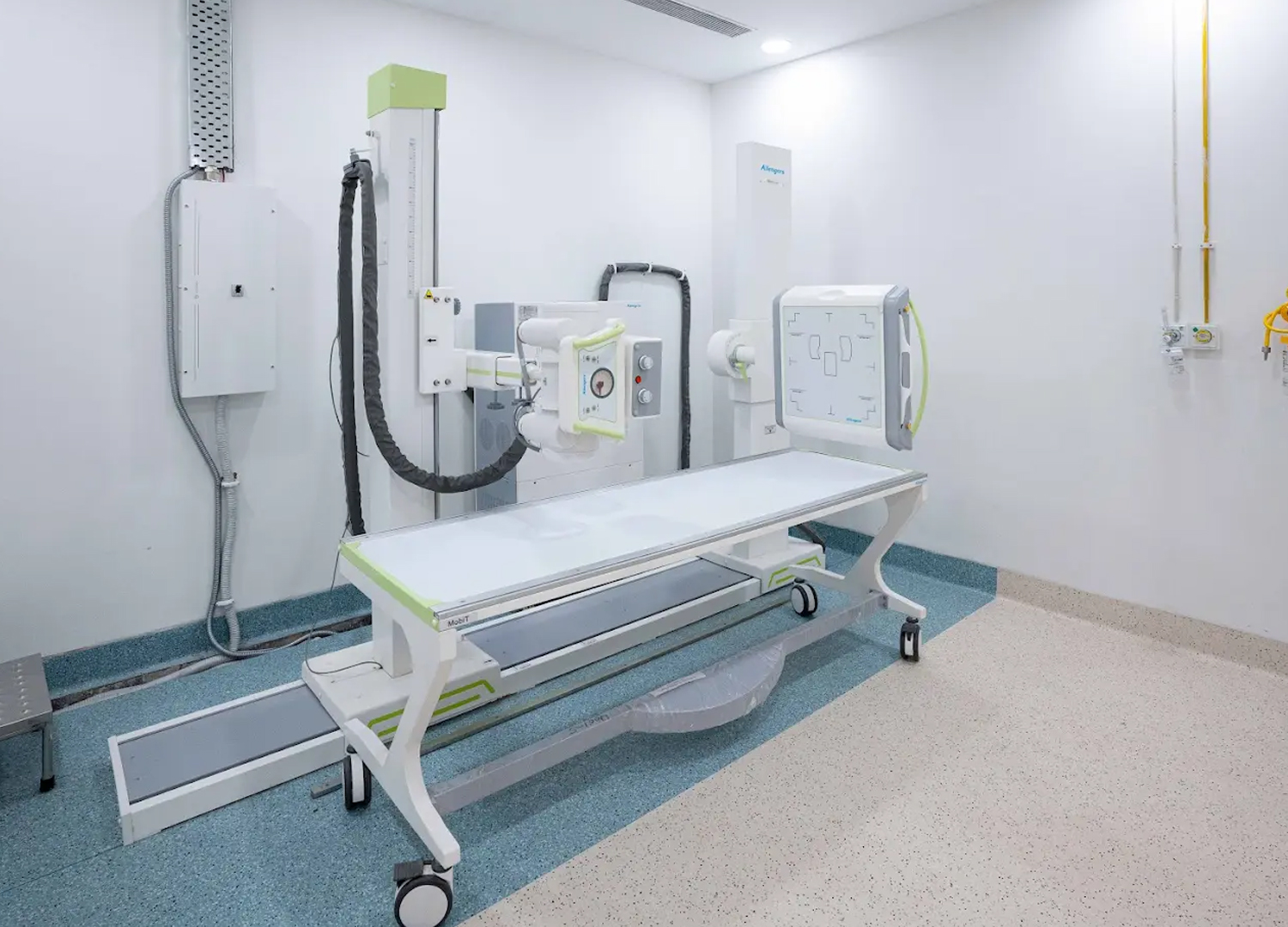
- Provides high-quality, detailed radiographic images for accurate diagnosis with minimal exposure to radiation.
Other Specialities


Patient Stories





Blog


World Breastfeeding Week 2026: Common Challenges New Mothers Face and How to Overcome Them







Frequently Asked Questions (FAQs)
What are the common causes of infertility?
The common causes of infertility include ovulation disorders, fallopian tube abnormalities, endometriosis, uterine or cervical conditions, hormonal disorders, age-related decline in fertility, and certain lifestyle factors. Male fertility factors and unexplained infertility also contribute to difficulties conceiving.
How do I know if I am infertile?
Difficulty becoming pregnant is the primary sign of infertility. Seek medical evaluation if pregnancy does not occur after 12 months of regular, unprotected intercourse. Women aged 35 years and older are advised to seek a fertility evaluation after six months of trying to conceive, while those with irregular menstrual cycles, recurrent pregnancy loss, or known reproductive health conditions should consult a doctor sooner.
When should I consult an infertility doctor?
You should consult an infertility doctor if you have been unable to conceive within the recommended time frame, have irregular or absent menstrual cycles, recurrent pregnancy loss, or other reproductive health concerns. Early evaluation helps identify underlying factors and guides timely treatment.
Can infertility affect both men and women?
Yes. Infertility affects both women and men, and successful treatment often begins with evaluating both partners. When male fertility factors are suspected, additional specialist assessment helps determine whether male infertility treatment is required.
What tests are included in a fertility evaluation?
A fertility evaluation typically includes a review of medical history, physical examination, hormonal assessment, ovulation assessment, ultrasound imaging, ovarian reserve assessment, and other investigations based on individual clinical findings. Semen analysis is recommended when evaluation of the male partner is required.
Can infertility be treated without IVF?
Yes. Many women achieve pregnancy through lifestyle modifications, ovulation induction, hormonal therapy, treatment of underlying gynaecological conditions, or surgical management. IVF consultation is generally recommended when advanced fertility treatment is considered appropriate.
Where can I find infertility treatment near me in Dehradun?
If you are looking for infertility treatment near you, Graphic Era Hospital, Dehradun, offers comprehensive fertility evaluation, personalised treatment planning, and advanced reproductive health services delivered by experienced obstetricians and gynaecologists.
Does age affect fertility?
Yes. Female fertility naturally declines with age because both the number and quality of eggs decrease over time. Early assessment helps identify suitable treatment options based on individual reproductive health needs.
Can lifestyle changes improve fertility?
Yes. Maintaining a healthy weight, following a balanced diet, exercising regularly, avoiding smoking and excessive alcohol consumption, and managing stress all support reproductive health and improve fertility in many women.
Why choose Graphic Era Hospital for infertility treatment in Dehradun?
If you are looking for the best infertility treatment in Dehradun, Graphic Era Hospital offers comprehensive fertility care supported by experienced obstetricians and gynaecologists, advanced diagnostic facilities, personalised treatment planning, and continued follow-up. Our team works closely with every patient to provide compassionate, evidence-based care tailored to individual reproductive health needs.