Feeling constantly drained, exhausted, or mentally worn out can affect every aspect of daily life. While some level of fatigue is common in today’s fast-paced world, persistent exhaustion can indicate serious underlying health issues that may require medical attention. At Graphic Era Hospital, we offer comprehensive and compassionate care to identify and treat the root cause of fatigue, helping patients regain their energy, improve their overall well-being, and return to a healthier, more active lifestyle. From advanced diagnostic screenings to multidisciplinary treatment, our team of specialists in Dehradun is equipped to manage various causes of fatigue, including metabolic imbalances, sleep disorders, and chronic depletion. Whether you are searching for answers to occasional burnout or a long-term health concern, we offer comprehensive services tailored to help you restore your energy and reclaim your life.
What is Fatigue?
Fatigue is a persistent feeling of physical, mental, or emotional exhaustion that does not improve adequately with rest. Unlike ordinary tiredness after exertion, fatigue can significantly impact a person’s ability to carry out everyday activities efficiently. It may develop gradually or suddenly and can be temporary or chronic depending on the underlying cause.

Fatigue may be associated with lifestyle factors, medical illnesses, mental health conditions, nutritional deficiencies, hormonal imbalances, infections, or chronic diseases. Identifying the exact causes of fatigue is essential for effective management and recovery. At Graphic Era Hospitals, we provide complete acute and chronic fatigue treatment, including muscle, eye, diabetes, and mental fatigue related treatments.
Recognising Fatigue and Its Accompanying Symptoms
Fatigue often develops alongside several physical, emotional, and cognitive symptoms. Recognising these signs early can help individuals seek timely medical care and appropriate fatigue treatment.
Persistent Tiredness
Constant exhaustion despite adequate sleep or rest.
Muscle Weakness and Body Aches
Physical fatigue, muscle fatigue treatment needs, and reduced stamina during routine activities.
Difficulty Concentrating
Mental fatigue treatment may be required when concentration, focus, or memory become affected.
Sleep Disturbances
Difficulty falling asleep, frequent waking, or non-restorative sleep.
Headaches and Dizziness
Ongoing tiredness may be accompanied by headaches or light-headedness.
Mood Changes
Irritability, low mood, depression,anxiety, or emotional instability.
Reduced Motivation
Lack of interest in work, social activities, or hobbies.
Eye Strain and Blurred Vision
Eye fatigue treatment may be needed in individuals with prolonged screen exposure or visual stress.
Shortness of Breath
Fatigue related to anaemia, cardiac, or respiratory conditions may cause breathlessness.
Increased Susceptibility to Illness
Chronic fatigue can weaken immune function over time.
Possible Causes of Fatigue
Fatigue can arise from multiple medical, emotional, and lifestyle-related factors. Common causes include:
- Poor Sleep Quality or Sleep Disorders: Inadequate or disturbed sleep, including conditions such as insomnia, narcolepsy and sleep apnea, prevents the body and mind from recovering properly, leading to persistent fatigue during the day.
- Stress and Emotional Burnout: Continuous mental or emotional pressure can drain energy levels and reduce the body’s ability to cope with daily activities.
- Depression and Anxiety Disorders: Mental health conditions, such as PTSD, anxiety, and depression, often cause both physical and emotional exhaustion, affecting concentration, sleep, and motivation.
- Dehydration and Inadequate Nutrition: Lack of proper hydration and essential nutrients can impair energy production and overall body functioning.
- Anaemia and Vitamin Deficiencies: Low iron levels or deficiencies in vitamins such as B12 and D can reduce oxygen supply and lead to weakness and tiredness.
- Thyroid Disorders: An underactive or overactive thyroid gland can disrupt metabolism and contribute to chronic fatigue symptoms.
- Diabetes and Diabetes-Related Fatigue: Fluctuating or poorly controlled blood sugar levels can cause ongoing tiredness and reduced stamina.
- Chronic Infections and Post Viral Fatigue: Some infections, such as pneumonia, COVID-19, influenza, and Lyme disease, can leave lingering inflammation and exhaustion even after the acute illness has resolved.
- Hormonal Imbalances: Changes in hormone levels arising from conditions such as hypothyroidism can affect sleep, mood, metabolism, and overall energy levels.
- Chronic Fatigue Syndrome: This long-term condition causes severe exhaustion that does not improve significantly with rest.
- Adrenal Fatigue and Endocrine Dysfunction: Hormonal irregularities affecting the adrenal glands and endocrine system may contribute to persistent tiredness and low energy.
- Heart Disease or Lung Disease: Reduced oxygen delivery and impaired circulation from cardiovascular and lung conditions such as COPD, heart disease, and congestive heart failure, can make even routine activities physically exhausting.
- Kidney or Liver Disorders: Impaired organ function can lead to toxin build-up and metabolic imbalance, resulting in fatigue.
- Sedentary Lifestyle or Overexertion: Both lack of physical activity and excessive exertion can negatively impact stamina and energy balance.
- Medication Side Effects: Certain medications, such as antihistamines, benzodiazepines, anticonvulsants, beta-blockers, and anxiolytics, may cause drowsiness, weakness, or fatigue as a side effect.
- Eating and Metabolic Disorders: Excess body weight, eating disorders such as anorexia, bulimia, and metabolic imbalance can place additional strain on the body and contribute to low energy levels.
Understanding the causes of fatigue helps doctors determine the most effective fatigue treatment strategy.
Types of Fatigue-Related Medical Conditions at Graphic Era Hospital
Fatigue can be linked to a wide range of medical conditions requiring specialised evaluation and treatment. Whether it's mental fatigue or post-viral fatigue treatment, at Graphic Era Hospital, patients benefit from multidisciplinary expertise for accurate diagnosis and targeted care.
- Chronic Fatigue Syndrome: Persistent, long-term exhaustion affecting physical and mental functioning.
- Mental Fatigue Disorders: Fatigue associated with anxiety, depression, stress, or burnout.
- Diabetes-Related Fatigue: Energy depletion linked to uncontrolled blood sugar levels.
- Post Viral Fatigue Syndrome: Fatigue that continues after viral infections or immune stress.
- Adrenal Fatigue and Hormonal Disorders: Fatigue caused by endocrine imbalance or adrenal dysfunction.
- Nutritional Deficiency Disorders: Fatigue related to iron, vitamin B12, or vitamin D deficiencies.
- Sleep Disorders: Fatigue associated with insomnia, sleep apnoea, or disrupted sleep cycles.
- Musculoskeletal Fatigue Conditions: Muscle weakness, fibromyalgia, and chronic pain-related fatigue.
- Eye Fatigue Conditions: Visual strain due to prolonged digital screen exposure or vision problems.
When Should I Consult a Doctor for Fatigue?
Medical evaluation becomes important when fatigue persists for more than a few weeks, worsens progressively, or interferes with normal daily activities. Individuals should seek professional fatigue treatment near me if they experience:
- Severe exhaustion without obvious cause
- Fatigue accompanied by fever, weight loss, or pain
- Persistent mental fatigue or difficulty concentrating
- Symptoms of depression, anxiety, or emotional distress
- Shortness of breath or chest discomfort
- Muscle weakness or recurrent dizziness
- Sleep disturbances despite adequate rest
- Diabetes fatigue symptoms
- Post viral fatigue lasting several weeks
- Inability to perform routine tasks efficiently
Early diagnosis can help identify underlying conditions and prevent long-term health complications.
Doctors Available




Why Choose Graphic Era Hospital for Fatigue Treatment

Experienced Doctors : At Graphic Era Hospital, fatigue management involves experienced physicians, endocrinologists, neurologists, psychiatrists,nutritionists, and internal medicine specialists working collaboratively. The medical team focuses on identifying the root cause of fatigue through detailed clinical assessment and evidence-based evaluation. Their multidisciplinary expertise ensures accurate diagnosis and personalised fatigue treatment plans tailored to each patient’s needs.

Comprehensive Diagnostic and Treatment Pathways : The hospital provides advanced diagnostic services to investigate complex fatigue symptoms comprehensively. From laboratory testing and hormonal assessments to imaging studies and sleep evaluations, patients receive a thorough diagnostic workup under one roof. Integrated treatment pathways help address chronic fatigue syndrome treatment, mental fatigue treatment, diabetes fatigue treatment, and post viral fatigue treatment effectively.

Personalised Care Approach : Every patient experiences fatigue differently, which is why personalised care is central to treatment at Graphic Era Hospital. Doctors develop customised treatment plans based on medical history, lifestyle, emotional health, and underlying conditions. The approach combines medical therapy, nutritional guidance, psychological support, stress management, hydration counselling, and lifestyle modifications to improve overall wellbeing and energy levels.

Diagnosing and Treating Fatigue at Graphic Era Hospital
Fatigue can result from multiple overlapping conditions, making accurate diagnosis essential for successful treatment. At Graphic Era Hospital, patients undergo systematic evaluation using advanced diagnostics and specialist consultations to identify both physical and psychological contributors to fatigue symptoms.
Diagnostic Approach
- Detailed Medical History: Assessment of lifestyle habits, sleep patterns, stress levels, medications, and symptom duration.
- Physical Examination: Comprehensive examination to detect signs of systemic illness or nutritional deficiency.
- Blood Investigations: Testing for anaemia, infections, thyroid disorders, diabetes, inflammation, and vitamin deficiencies.
- Hormonal Evaluation: Assessment for adrenal fatigue, thyroid imbalance, and endocrine disorders.
- Mental Health Screening: Evaluation for depression, anxiety, stress, and emotional burnout.
- Sleep Assessments: Sleep studies for insomnia, sleep apnoea, or disrupted sleep cycles.
- Cardiac and Respiratory Evaluation: Screening for heart or lung conditions contributing to chronic fatigue.
- Neurological Assessment: Investigation for neurological causes of persistent exhaustion.
- Nutritional Analysis: Identification of dietary deficiencies affecting energy levels.
Treatment Approach
- Lifestyle Modification Programmes: Structured plans focusing on sleep hygiene, exercise, and balanced routines.
- Medication Management: Treatment of underlying medical conditions contributing to fatigue.
- Chronic Fatigue Syndrome Treatment: Symptom-based therapies combined with rehabilitation support.
- Mental Fatigue Treatment: Psychological counselling Thyroid , stress management, and behavioural therapy.
- Adrenal Fatigue Treatment: Hormonal evaluation and supportive endocrine management.
- Diabetes Fatigue Treatment: Blood sugar optimisation and metabolic health management.
- Post Viral Fatigue Treatment: Supportive care, gradual rehabilitation, and immune recovery strategies.
- Muscle Fatigue Treatment: Physiotherapy, nutrition support, and strength-building programmes.
- Eye Fatigue Treatment: Vision assessment, ergonomic guidance, and screen management advice.
- Nutritional Supplementation: Iron, vitamin, and hydration correction where needed.
- Stress and Anxiety Management: Relaxation therapies, counselling, and emotional support services.
Home Care and Preventive Measures for Dealing with Fatigue
Managing fatigue often requires long-term lifestyle improvements and preventive strategies alongside medical treatment.
- Maintain a regular sleep schedule
- Stay adequately hydrated to prevent dehydration
- Follow a balanced, nutrient-rich diet
- Engage in moderate physical activity regularly
- Reduce excessive caffeine and alcohol intake
- Practise stress management techniques
- Address anxiety and depression early
- Take regular breaks from prolonged screen use
- Avoid overworking and excessive physical strain
- Manage chronic health conditions effectively
- Seek timely medical evaluation for persistent fatigue symptoms
- Maintain healthy blood sugar levels in diabetes
- Follow prescribed treatment plans consistently
Top Fatigue Treatments and Investigations
- Complete Blood Count (CBC)
- Thyroid Function Test
- Blood Sugar Testing
- HbA1c Test
- Vitamin B12 Assessment
- Vitamin D Testing
- Iron Studies
- Liver Function Test
- Kidney Function Test
- Hormonal Profile Evaluation
- Sleep Study
- ECG
- Chest X-ray
- Nutritional Assessment
- Psychological Evaluation
- Stress Management Therapy
- Counselling Services
- Cognitive Behavioural Therapy
- Physiotherapy
- Lifestyle Modification Programme
- Hydration Therapy
- Sleep Hygiene Management
- Chronic Fatigue Syndrome Treatment
- Mental Fatigue Treatment
- Muscle Fatigue Treatment
- Post Viral Fatigue Treatment
- Diabetes Fatigue Treatment
- Adrenal Fatigue Treatment
- Eye Fatigue Treatment
Advanced Diagnostics & Technology
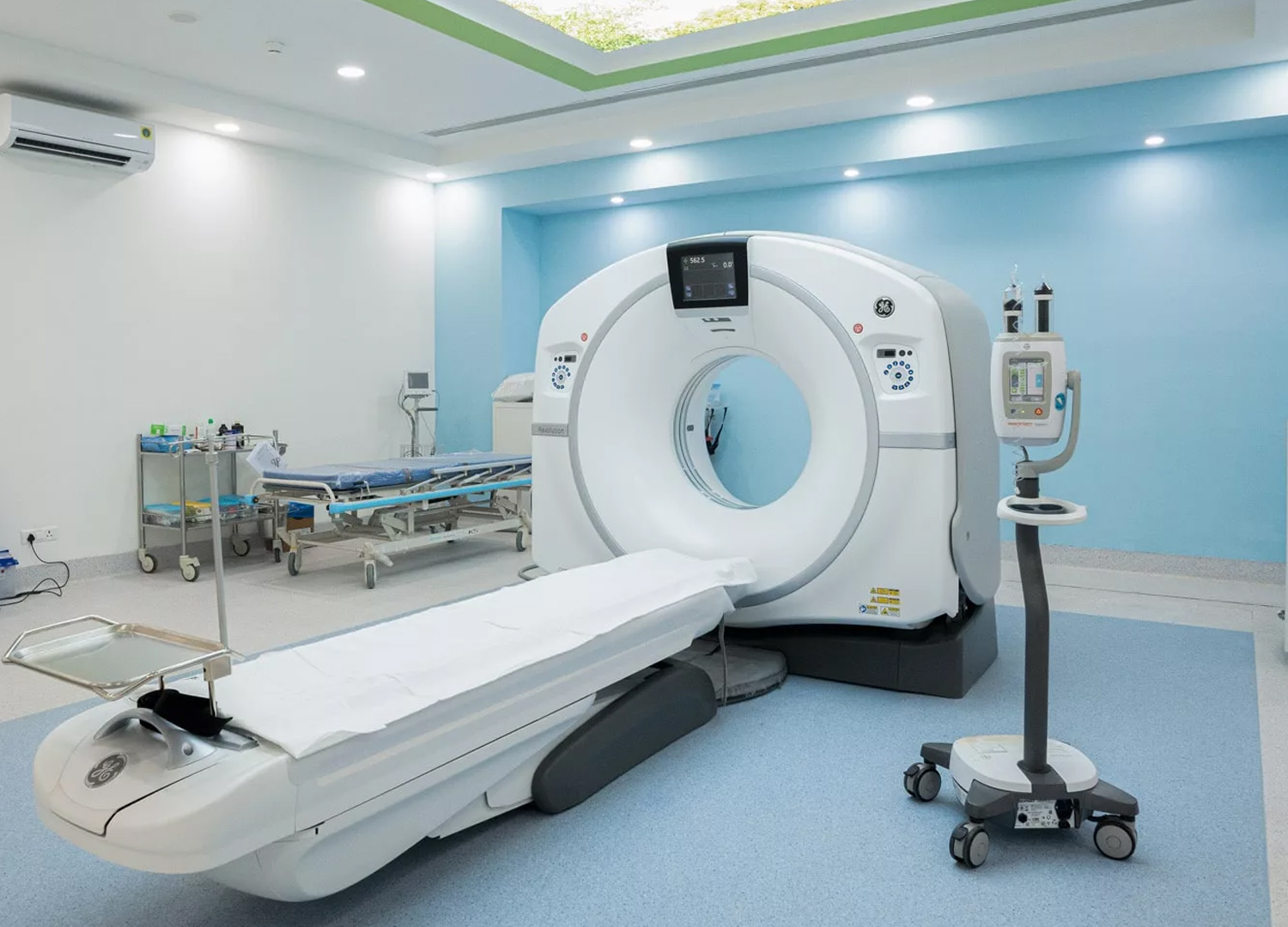
- Offers high-resolution imaging for detailed blood vessel analysis, aiding in accurate diagnosis and treatment planning.
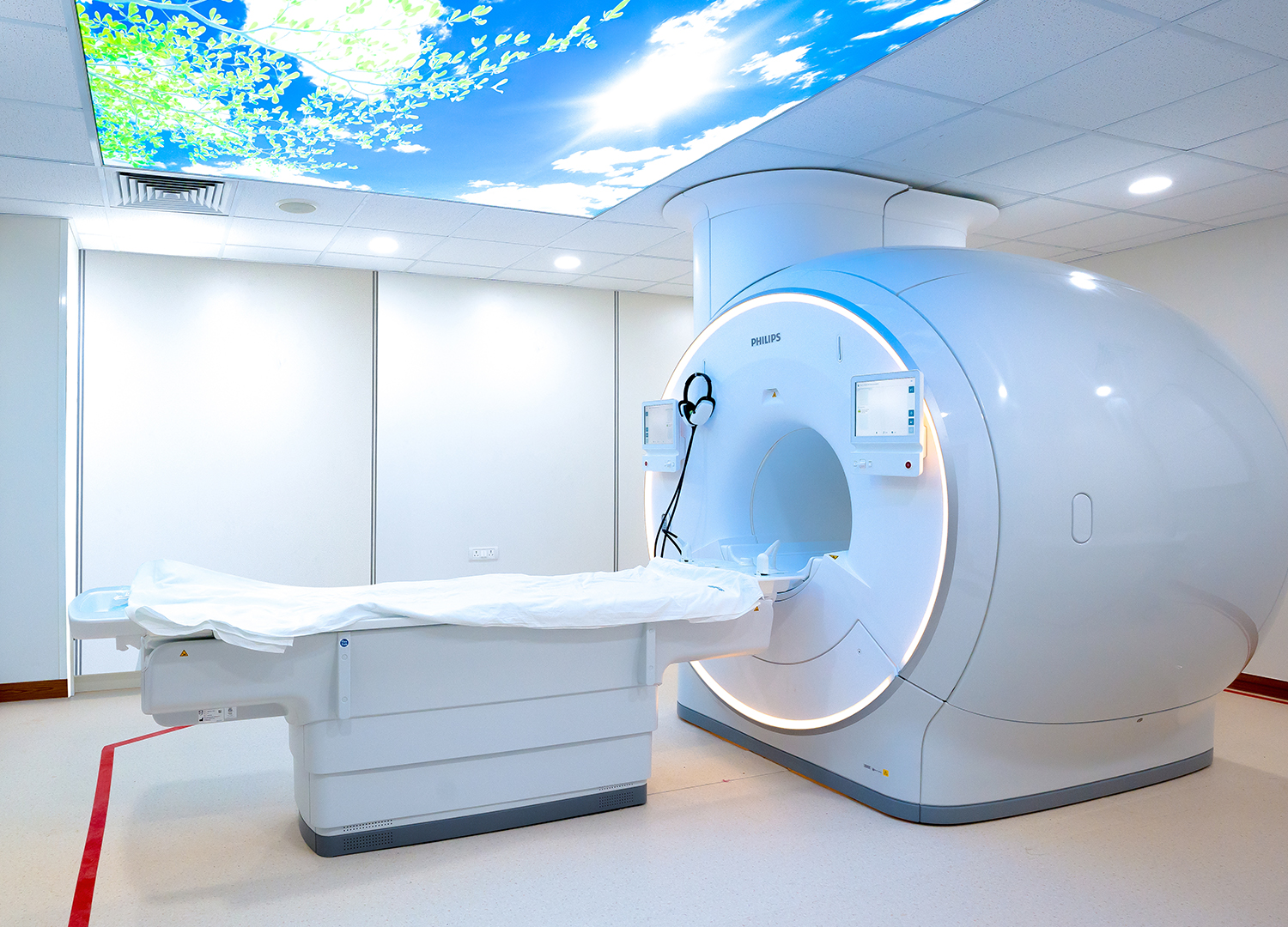
- Delivers advanced imaging with high resolution for clear, detailed views of soft tissues, ensuring precise diagnostics.
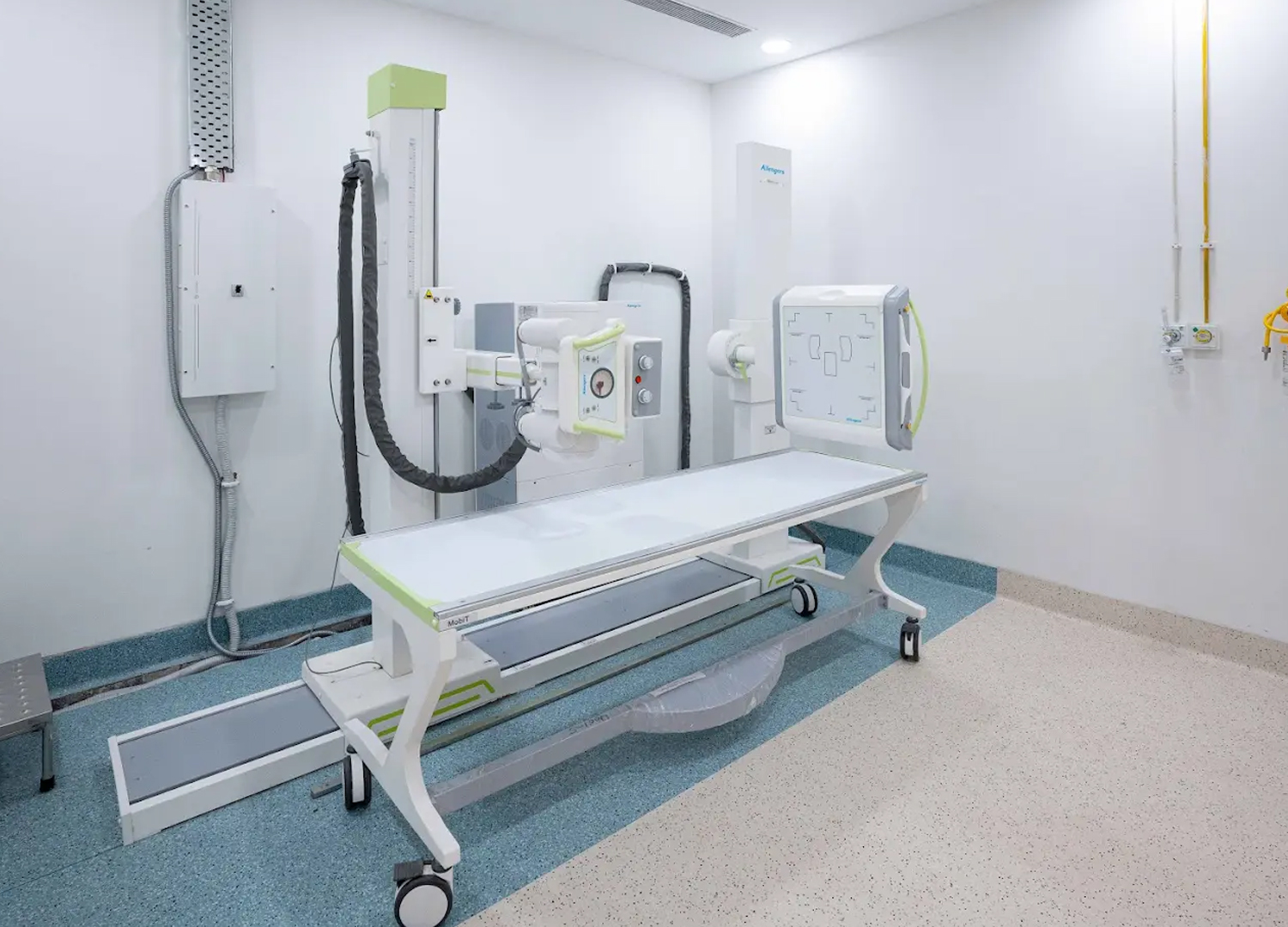
- Provides high-quality, detailed radiographic images for accurate diagnosis with minimal exposure to radiation.
Other Specialities


Patient Stories





Blog









Frequently Asked Questions (FAQs)
What are the common causes of fatigue?
The causes of fatigue include poor sleep, stress, anxiety, depression, dehydration, infections, diabetes, thyroid disorders, nutritional deficiencies, and chronic illnesses. Persistent fatigue should always be medically evaluated to identify the underlying cause accurately.
When should I seek fatigue treatment in Dehradun?
You should seek fatigue treatment in Dehradun if tiredness lasts for several weeks, interferes with daily activities, or is associated with symptoms such as dizziness, weakness, low mood, sleep problems, or unexplained weight changes.
What is chronic fatigue syndrome treatment?
Chronic fatigue syndrome treatment focuses on symptom management through lifestyle modifications, sleep improvement, nutritional support, psychological counselling, and medical management tailored to individual symptoms and triggers.
Can anxiety and depression cause fatigue?
Yes, anxiety and depression are major contributors to mental fatigue. Emotional stress can disrupt sleep, concentration, motivation, and energy levels, often leading to persistent exhaustion and reduced productivity.
What does diabetes fatigue treatment involve?
Diabetes fatigue treatment involves improving blood sugar control, dietary management, exercise guidance, hydration, medication optimisation, and treatment of associated complications contributing to fatigue.
How is post viral fatigue treatment managed?
Post viral fatigue treatment usually includes rest, gradual rehabilitation, nutritional support, hydration, immune recovery strategies, and monitoring for lingering inflammation or complications after infection.
Is dehydration linked to fatigue symptoms?
Yes, dehydration can reduce blood circulation, impair concentration, and lower energy levels, leading to fatigue symptoms such as dizziness, headaches, and weakness. Adequate fluid intake is essential for maintaining energy and overall health.
Can eye fatigue treatment help with headaches and tiredness?
Yes, eye fatigue treatment can reduce headaches, visual strain, blurred vision, and mental exhaustion caused by prolonged screen exposure or uncorrected vision problems. Proper eye care and ergonomic adjustments can significantly improve comfort and productivity.