Tracheoesophageal fistula (TEF) is a congenital condition in which an abnormal connection develops between the trachea (windpipe) and oesophagus (food pipe), often causing feeding and breathing difficulties. Diagnosed in newborns and infants, the condition occurs alongside oesophageal atresia, where the oesophagus does not develop normally and cannot connect properly to the stomach. At Graphic Era Hospital, Dehradun, tracheoesophageal fistula treatment is provided by experienced paediatric surgeons and neonatal specialists supported by advanced diagnostic facilities, specialised newborn care, and comprehensive postoperative monitoring. Through a structured approach to diagnosis, surgical management, and follow-up care, we focus on supporting safe recovery and favorable long-term outcomes for every child.
What is Tracheoesophageal Fistula?
Tracheoesophageal fistula (TEF) is a congenital condition that develops when the trachea (windpipe) and oesophagus (food pipe) do not separate normally during foetal development. Under normal circumstances, the trachea carries air to and from the lungs, while the oesophagus carries food and liquids from the mouth to the stomach. In children with TEF, an abnormal connection exists between these two structures, which can allow milk, saliva, or food to enter the airway instead of passing normally into the stomach.
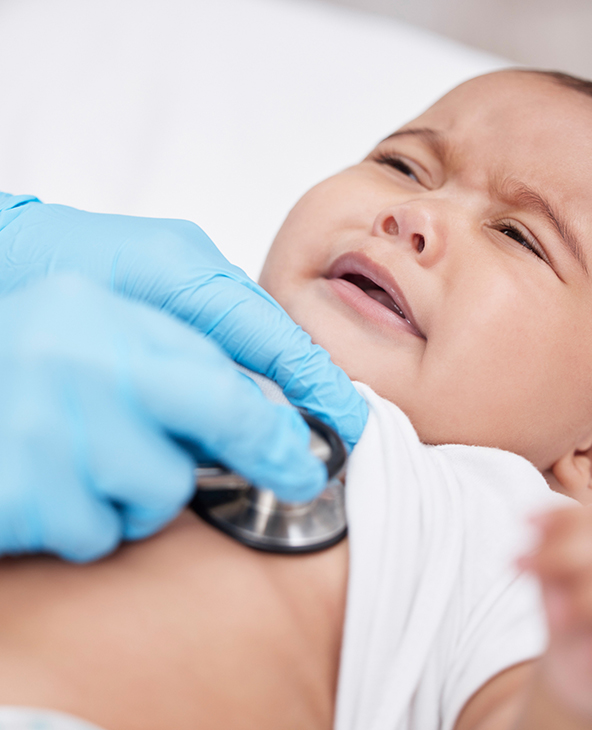
Many children with TEF also have oesophageal atresia, a related condition in which the oesophagus does not develop as a continuous tube and cannot connect properly to the stomach. As a result, feeding and swallowing may be affected, often requiring specialised evaluation and treatment shortly after birth.
Types of Tracheoesophageal Fistula
The recognised tracheoesophageal fistula types are classified according to how the trachea and oesophagus develop before birth and whether oesophageal atresia is also present. Some forms are more common than others, but all require specialist evaluation and management.
- Type A (Pure Oesophageal Atresia): In this form, the oesophagus is divided into two separate segments that do not connect with each other. No tracheoesophageal fistula is present.
- Type B (Oesophageal Atresia with Proximal Tracheoesophageal Fistula): A rare type in which the upper portion of the oesophagus is connected to the trachea, while the lower segment ends blindly.
- Type C (Oesophageal Atresia with Distal Tracheoesophageal Fistula): This is the most common type. The upper portion of the oesophagus ends in a blind pouch, while the lower portion is connected to the trachea through a fistula.
- Type D (Oesophageal Atresia with Proximal and Distal Tracheoesophageal Fistulas): A very uncommon form in which both the upper and lower segments of the oesophagus have abnormal connections with the trachea.
- Type E (H-Type Tracheoesophageal Fistula): In this type, the oesophagus remains intact and connects normally to the stomach, but an abnormal passage exists between the oesophagus and trachea. The connection resembles the shape of the letter "H".
Symptoms of Tracheoesophageal Fistula
The tracheoesophageal fistula symptoms are often noticed shortly after birth and may affect feeding, breathing, or both. The severity and combination of symptoms can vary depending on the type of abnormality present.
Common symptoms include:
- Feeding Difficulties: Babies may have difficulty swallowing milk properly or may be unable to feed normally.
- Choking or Coughing During Feeds: Milk or saliva may enter the airway through the abnormal connection, leading to choking, coughing, or gagging while feeding.
- Excessive Salivation or Frothy Secretions: Newborns may develop excessive drooling or a build-up of frothy saliva around the mouth.
- Breathing Difficulties: Some infants may experience rapid breathing, noisy breathing, or signs of respiratory distress.
- Cyanosis Episodes: Some infants may develop a bluish discolouration of the lips, skin, or nail beds due to reduced oxygen levels, particularly during feeding.
- Recurrent Chest Infections: Repeated entry of milk or secretions into the lungs may increase the risk of chest infections and aspiration-related respiratory problems.
- Abdominal Distension: In some forms of tracheoesophageal fistula, air may pass from the trachea into the stomach, leading to abdominal bloating or distension.
- Poor Weight Gain: Ongoing feeding difficulties may affect nutrition and result in inadequate weight gain over time.
Causes and Risk Factors of Tracheoesophageal Fistula
The exact tracheoesophageal fistula causes are not fully understood. The condition develops during foetal growth when the trachea and oesophagus do not separate normally, resulting in an abnormal connection between the airway and food pipe. In most cases, TEF occurs sporadically and is not linked to any specific action during pregnancy.
Factors and conditions associated with tracheoesophageal fistula include:
- Abnormal Foetal Development: TEF develops during early pregnancy when the structures that form the trachea and oesophagus do not separate properly.
- Associated Congenital Anomalies: Many children with TEF are born with additional congenital abnormalities affecting other parts of the body, particularly the heart, kidneys, spine, or digestive tract.
- VACTERL Association: TEF may occur as part of VACTERL association, a group of congenital abnormalities that can involve the vertebrae, anus, heart, trachea, oesophagus, kidneys, and limbs.
- Genetic and Chromosomal Conditions: In some cases, TEF may be associated with certain genetic or chromosomal disorders. However, most children with TEF do not have an identifiable inherited cause.
Doctors Available

Prof. Dr. Rupa Dalmia Singh
Senior Consultant & HOD
Paediatrics
Experience: 27 Years
Book An Appointment




Dr. Deep Shikha Baranwal
Consultant
Paediatric, Paediatric Nephrology
Experience: 7 Years
Book An Appointment

Why Choose Graphic Era Hospital for Tracheoesophageal Fistula Treatment in Dehradun
Choosing a hospital for surgery is an important decision, and for many patients and families, it can be accompanied by uncertainty and concern.At Graphic Era Hospital, we understand this concern and leave no stone unturned to ensure every patient receives world class care and the best possible outcome. Here are some of the attributes that make us stand out:

Experienced Paediatric Surgeons : The management of tracheoesophageal fistula requires specialised expertise in neonatal and paediatric surgery. At Graphic Era Hospital, treatment is provided by experienced paediatric surgeons who are trained in managing congenital conditions affecting newborns and children. Each case is carefully evaluated to determine the most appropriate treatment approach based on the child’s condition and overall health.

Advanced Neonatal Intensive Care and Monitoring : Children with TEF often require specialised care before and after treatment. Graphic Era Hospital offers advanced neonatal and paediatric critical care facilities that support continuous monitoring, respiratory support, nutritional management, and comprehensive postoperative care. These services help ensure that children receive appropriate medical attention throughout their treatment and recovery.

Comprehensive Multidisciplinary Care : The treatment of TEF often involves collaboration between multiple specialists. At Graphic Era Hospital, paediatric surgeons work closely with neonatologists, paediatricians, anaesthesiologists, radiologists, nutrition specialists, and nursing teams to provide coordinated care from diagnosis through long-term follow-up. This multidisciplinary approach helps support safe recovery and ongoing development.

Tracheoesophageal Fistula Treatment at Graphic Era Hospital: From Diagnosis to Long-Term Management
At Graphic Era Hospital, we understand that a diagnosis of tracheoesophageal fistula can be overwhelming for parents. Our team provides comprehensive care tailored to each child’s condition, age, and overall health. From diagnosis and surgical management to long-term follow-up, we work closely with families to support safe treatment, recovery, and ongoing development.
Diagnostic Evaluation
Before recommending treatment, we conduct a thorough evaluation to confirm the diagnosis and assess the child's overall condition. Diagnostic assessment may include:
- Clinical Assessment and Symptom Evaluation: Our specialists review the child's medical history, feeding difficulties, breathing concerns, and overall health to understand the severity of the condition.
- Feeding Tube Assessment: Assessment of feeding tube passage may help identify oesophageal atresia and associated abnormalities.
- Chest and Abdominal X-rays: Imaging studies are used to assess the position of the oesophagus, identify associated abnormalities, and support the diagnosis of TEF.
- Contrast Studies: In selected cases, contrast imaging may be recommended to obtain additional information about the anatomy of the oesophagus and any abnormal connections.
- Bronchoscopy and Other Investigations: Additional investigations may be performed when further evaluation of the airway is required.
- Assessment for Associated Congenital Abnormalities: Since TEF may occur alongside other congenital conditions, further investigations may be advised to assess the heart, kidneys, spine, and other organ systems.
Initial Stabilisation and Supportive Care
For many newborns, treatment begins with supportive measures aimed at maintaining stability and reducing the risk of complications before surgery.
- Airway Protection and Aspiration Prevention: Steps are taken to help prevent saliva or feeds from entering the lungs and affecting breathing.
- Management of Respiratory Distress: Appropriate respiratory support and continuous monitoring are provided for infants experiencing breathing difficulties.
- Nutritional Support: Feeding plans are tailored to the child's needs to help maintain adequate nutrition while preparing for treatment.
- Intravenous Fluids and Supportive Care: Fluids, medications, and other supportive measures may be provided to maintain hydration and overall stability.
- Pre-Surgical Preparation: Our team carefully evaluates the child's readiness for surgery and develops an individualised treatment plan.
Surgical Repair
Surgery is the primary treatment for most children with TEF and aims to separate the airway from the food pipe while restoring normal oesophageal continuity wherever possible.
- Closure of the Fistula: During surgery, the abnormal connection between the trachea and oesophagus is identified and closed.
- Repair of the Oesophagus: When required, the disconnected segments of the oesophagus are repaired or reconnected to establish continuity between the mouth and stomach.
- Timing of Surgery: The timing of tracheoesophageal fistula surgery depends on factors such as the child's overall health, birth weight, and associated medical conditions.
- Individualised Surgical Planning: Every child is assessed individually to determine the most appropriate surgical approach and treatment strategy.
- Open and Minimally Invasive Approaches: Depending on the clinical situation, surgery may be performed using conventional techniques or selected minimally invasive surgery approaches.
Postoperative Care and Monitoring
Following surgery, children require careful monitoring to support healing and identify any early concerns.
- NICU and Paediatric Monitoring: Close observation is provided in specialised neonatal or paediatric care settings based on the child's recovery needs.
- Respiratory Support: Breathing function is monitored closely, and additional support is provided when necessary.
- Feeding Progression and Nutritional Management: Feeding is gradually introduced according to the child's recovery and ability to swallow safely.
- Pain Management: Appropriate pain-control measures are provided to help keep the child comfortable during recovery.
- Monitoring for Early Complications: Our team closely monitors for infection, leakage at the repair site, and other early postoperative concerns.
Long-Term Follow-Up and Ongoing Care
At Graphic Era Hospital, long-term follow-up is tailored to each child's condition, recovery progress, and ongoing healthcare needs. Parents are provided with guidance and support throughout the recovery journey, while regular follow-up assessments help monitor growth, feeding, and overall development. Long-term care may include:
- Growth and Development Monitoring: Regular follow-up helps assess overall growth, nutrition, and developmental progress.
- Feeding Assessment and Nutritional Support: Ongoing evaluation and nutritional guidance may be required for children who experience feeding or swallowing difficulties.
- Monitoring for Gastro-Oesophageal Reflux: Children may be assessed for reflux-related symptoms during follow-up, with management recommended when necessary.
- Evaluation of Swallowing Difficulties and Oesophageal Strictures: Follow-up visits help identify narrowing of the oesophagus or other issues that may affect swallowing.
- Respiratory Follow-Up: Continued monitoring and specialist review may be required for children with ongoing respiratory concerns.
- Regular Paediatric Follow-Up: Regular appointments allow our team to monitor recovery, assess long-term progress, and address any concerns as the child grows.
Risks and Possible Complications of Tracheoesophageal Fistula Surgery
Tracheoesophageal fistula surgery is a well-established treatment that helps restore normal anatomy and improve feeding and breathing function. As with any major surgical procedure, it offers significant benefits but may also carry certain risks. Understanding these potential complications can help parents make informed decisions in consultation with their child's surgical team.
- Infection: As with any surgical procedure, there is a risk of infection at the surgical site or within the chest, although appropriate precautions are taken to minimise this risk.
- Bleeding: Minor bleeding may occur during or after surgery. Significant bleeding is uncommon but may require additional medical attention.
- Leakage at the Repair Site: In some cases, leakage may occur where the oesophagus has been repaired or reconnected, requiring close monitoring and further management.
- Oesophageal Stricture: Narrowing of the oesophagus may develop during healing and can affect swallowing in some children.
- Recurrent Tracheoesophageal Fistula: Although uncommon, the abnormal connection between the trachea and oesophagus may recur and require further treatment.
- Respiratory Complications: Some children may experience breathing-related complications during recovery and may require additional monitoring or respiratory support.
- Anaesthesia-Related Risks: Reactions or complications related to general anaesthesia may occur, although serious anaesthesia-related problems are uncommon.
Top Investigations and Treatments for Tracheoesophageal Fistula
Investigations
- Clinical Assessment and Symptom Evaluation
- Feeding Tube Assessment
- Chest and Abdominal X-rays
- Contrast Studies of the Oesophagus
- Bronchoscopy and Airway Evaluation
- Assessment for Associated Congenital Abnormalities
- Cardiac Evaluation and Echocardiography
Treatments
- Initial Stabilisation and Aspiration Prevention
- Respiratory Support and Critical Care Management
- Nutritional and Supportive Care
- Tracheoesophageal Fistula Repair Surgery
- Oesophageal Atresia Repair
- Open Tracheoesophageal Fistula Repair
- Thoracoscopic (Minimally Invasive) Repair in Selected Cases
Advanced Diagnostics & Technology
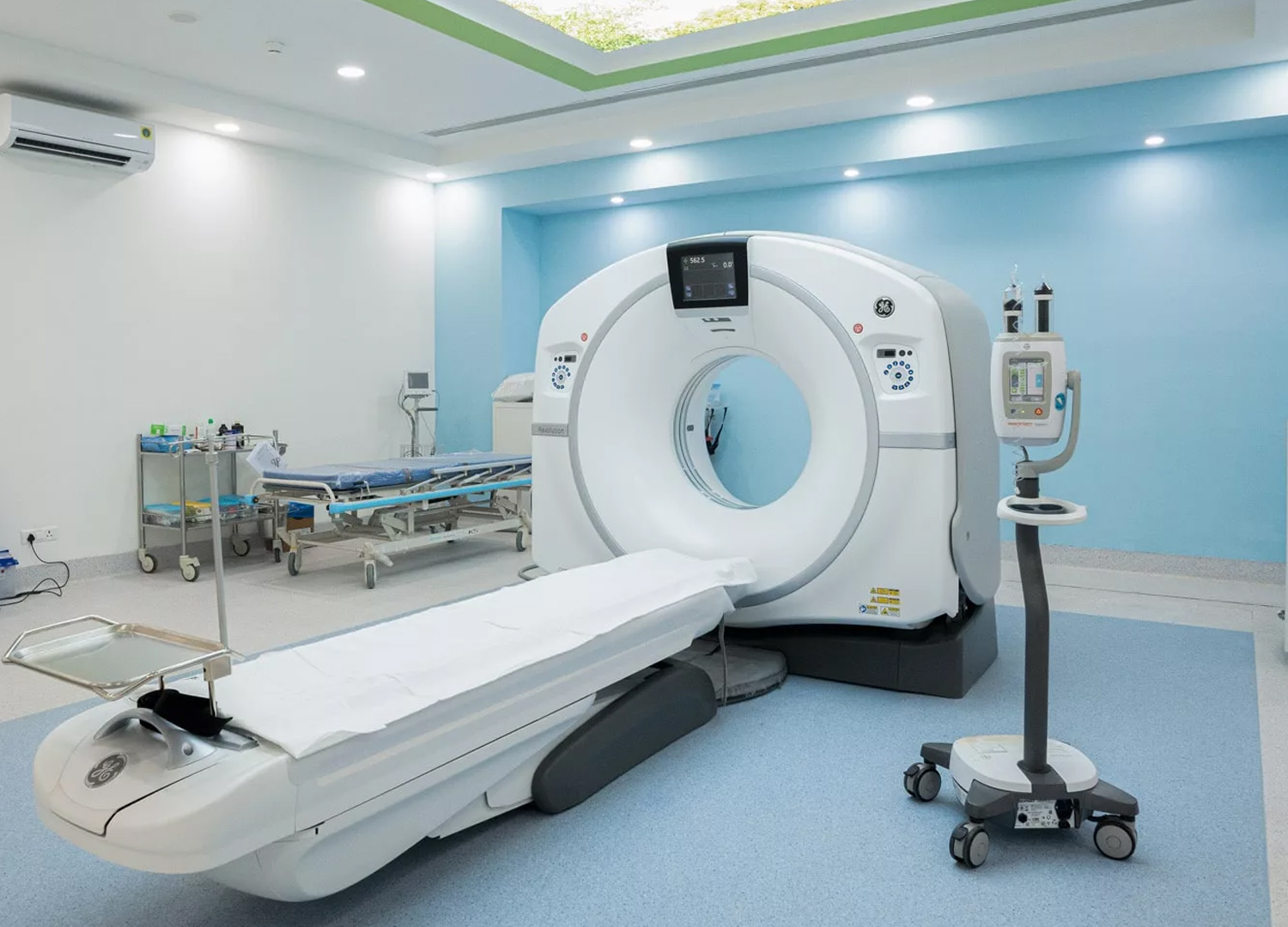
- Offers high-resolution imaging for detailed blood vessel analysis, aiding in accurate diagnosis and treatment planning.
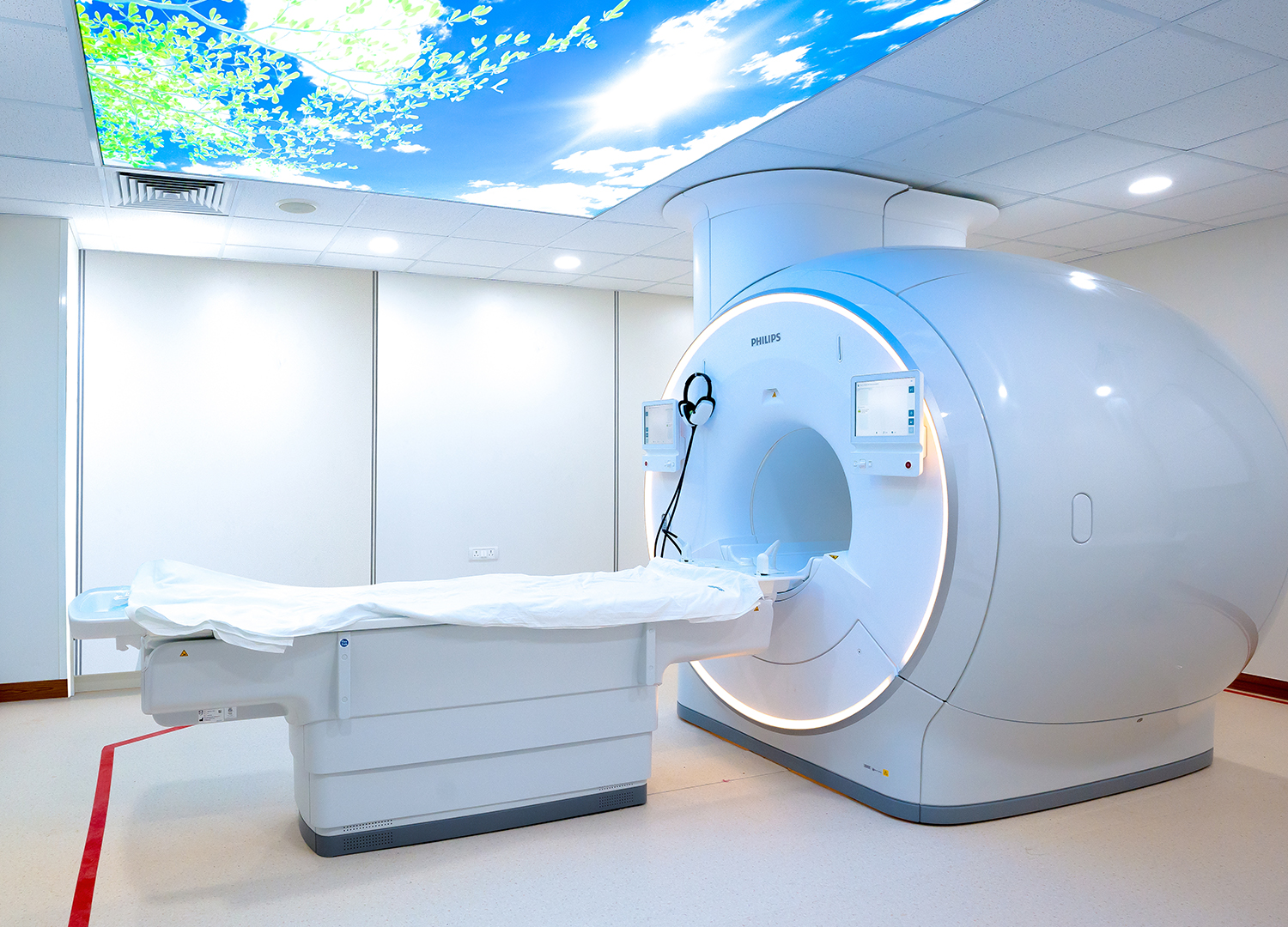
- Delivers advanced imaging with high resolution for clear, detailed views of soft tissues, ensuring precise diagnostics.
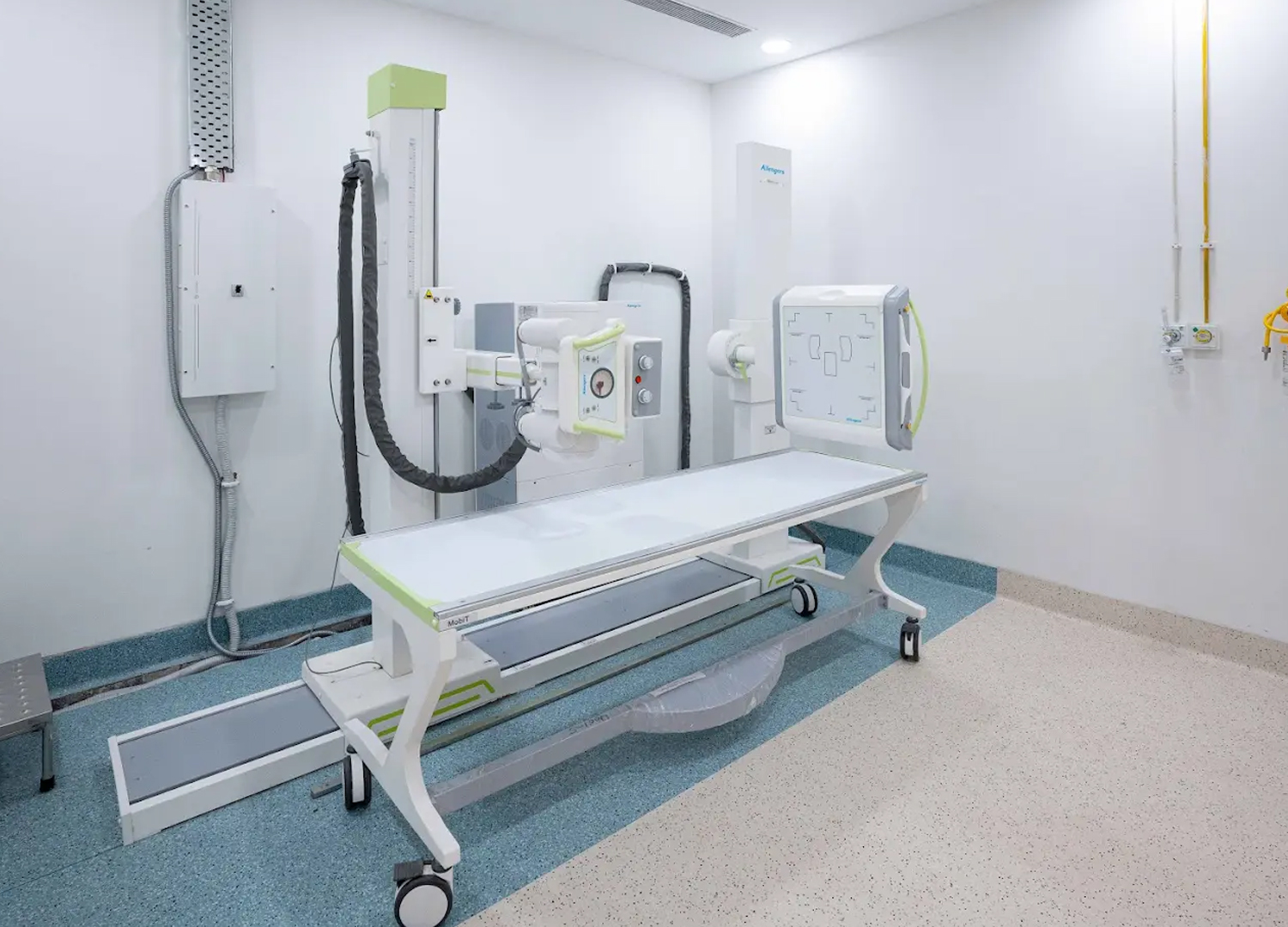
- Provides high-quality, detailed radiographic images for accurate diagnosis with minimal exposure to radiation.
Other Specialities


Patient Stories





Blog








Frequently Asked Questions (FAQs)
Can tracheoesophageal fistula be detected before birth?
In some cases, TEF may be suspected during pregnancy through prenatal ultrasound findings, particularly when associated with oesophageal atresia. However, the condition is often confirmed after birth through clinical evaluation and diagnostic investigations.
Is tracheoesophageal fistula a medical emergency?
TEF requires prompt medical attention because it can interfere with normal feeding and breathing. Early diagnosis and treatment are important to reduce the risk of aspiration, respiratory complications, and other serious health concerns.
Can a baby feed normally with tracheoesophageal fistula?
Many babies with TEF experience feeding difficulties because milk or saliva may enter the airway instead of passing normally into the stomach. Feeding plans are carefully managed until definitive treatment can be performed.
How successful is tracheoesophageal fistula surgery?
Tracheoesophageal fistula surgery is a well-established procedure with good outcomes in most children. Success depends on factors such as the type of TEF, the presence of associated congenital conditions, and the child’s overall health.
How long does recovery take after TEF surgery?
Recovery varies from child to child. Some infants recover relatively quickly, while others may require a longer hospital stay depending on their condition, the complexity of the repair, and their progress with feeding, breathing, and healing.
Will my child need more than one surgery?
Many children require only one operation to repair TEF. However, additional procedures may occasionally be needed if complications develop or if further treatment is required for associated conditions.
Can tracheoesophageal fistula occur without oesophageal atresia?
Yes. H-type tracheoesophageal fistula is a recognised form in which an abnormal connection exists between the trachea and oesophagus, but the oesophagus remains intact and connects normally to the stomach.
What complications can occur after TEF repair?
Some children may develop complications such as oesophageal narrowing (stricture), gastro-oesophageal reflux, feeding difficulties, or respiratory concerns. Regular follow-up helps identify and manage these issues when required.
How often are follow-up visits needed after treatment?
Follow-up schedules vary depending on the child’s age, recovery progress, and ongoing healthcare needs. The treating team will recommend an individualised follow-up plan based on the child’s condition and long-term development.
Where can I get tracheoesophageal fistula treatment near me in Dehradun or Uttarakhand?
Graphic Era Hospital provides tracheoesophageal fistula treatment in Dehradun through a multidisciplinary team of paediatric surgeons, neonatologists, paediatricians, and critical care specialists. The hospital offers comprehensive diagnostic evaluation, surgical management, postoperative care, and long-term follow-up for children with TEF.