Performed for both cosmetic improvement and to relieve symptoms, sclerotherapy is a minimally-invasive, outpatient procedure used to treat varicose and spider veins, by injecting a solution (sclerosing agent) directly into the affected veins, causing them to collapse and fade. Graphic Era Hospital, Dehradun offers a wide spectrum of vascular care services, including sclerotherapy. Our team of highly experienced specialists closely works with patients, to create a personalised treatment plan as per the dynamics at play. Equipped with advanced diagnostic and treatment technologies, our team follows a systematic approach that includes detailed evaluation, detailed treatment planning, and careful post-procedure monitoring, ensuring the best possible outcome for every patient. With a focus on safety, accuracy, and consistent results, Graphic Era Hospital aims to deliver effective management of vein-related disorders in a controlled and patient-focused environment.
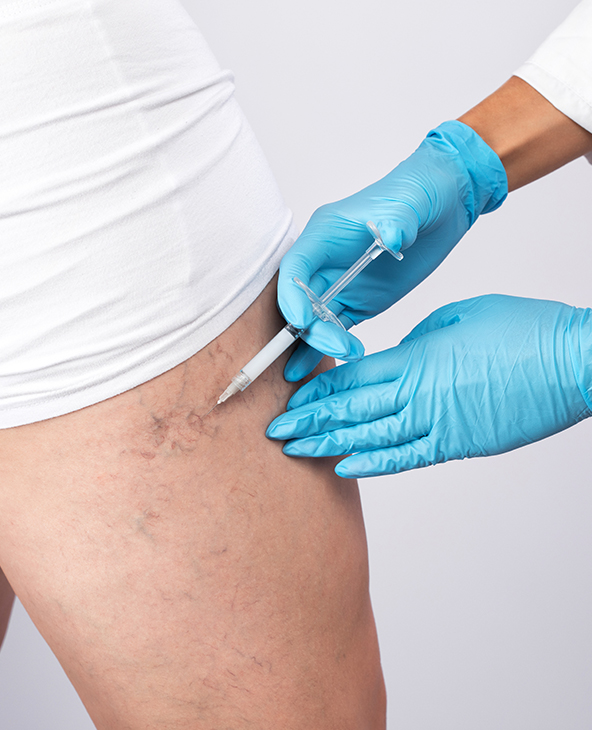
When is Sclerotherapy Recommended?
Sclerotherapy is suitable for managing mild to moderate vein conditions and is often advised after a clinical evaluation confirms the absence of major underlying vein disorders. Common situations where sclerotherapy may be recommended include:
- Visible Spider Veins or Small Varicose Veins: Prominent veins on the legs that affect appearance.
- Leg Discomfort: Symptoms such as aching, heaviness, or a feeling of tiredness in the legs.
- Swelling in the Lower Limbs: Mild swelling associated with vein dysfunction.
- Burning or Cramping Sensation: Discomfort along the affected veins, especially after prolonged standing.
- Itching Around Veins: Irritation or skin sensitivity near visible veins.
- Residual Veins After 0ther Treatments: Smaller veins remaining after procedures like laser therapy or surgery.
A proper assessment helps determine if sclerotherapy is suitable or if another treatment approach is required, especially in cases involving larger or deeper veins.
Schedule Your Appointment with
Our Expert Doctors
We are dedicated to driving lasting, positive transformation in healthcare management through innovation and patient-centered solutions.
Things to Know Before Undergoing Sclerotherapy
Sclerotherapy is a planned procedure, and certain steps before treatment can support better results and a smoother experience. Here are a few important things to expect and know before the procedure:
- Clinical Assessment: A detailed examination helps identify the type and extent of vein involvement and confirms suitability for sclerotherapy.
- Medical History Review: Information about existing conditions, previous treatments, and current medications is considered during planning.
- Medication Precautions: Certain medicines, especially those that affect bleeding, may need adjustment as per medical advice.
- Skin Preparation Guidelines: The treatment area should be clean, and the use of lotions, oils, or creams is generally avoided on the day of the procedure.
- Appropriate Clothing: Loose and comfortable clothing helps ensure ease during and after the procedure.
- Compression Support: Compression stockings may be recommended to improve treatment effectiveness and support recovery.
- Day-Care Procedure: Sclerotherapy is usually completed in a single visit without the need for hospital admission.
- Basic Post-Procedure Planning: Light movement is often advised after the procedure, with temporary restrictions on strenuous activities.
Types of Sclerotherapy Available at Graphic Era Hospital
Sclerotherapy techniques may vary based on the size, location, and severity of the affected veins. At Graphic Era Hospital, different approaches are used to ensure accurate treatment and effective results. These include:
- Liquid Sclerotherapy: A commonly used method for treating small varicose veins and spider veins, where a liquid solution is injected directly into the affected veins.
- Foam Sclerotherapy: Involves converting the solution into foam, allowing better contact with the vein walls. This method is often used for larger or more prominent veins.
- Ultrasound-Guided Sclerotherapy: Used for deeper or less visible veins, where imaging support helps in precise placement of the injection.
- Cosmetic Sclerotherapy: Focuses on reducing the appearance of visible spider veins, especially in cases where aesthetic improvement is the primary concern.
Each type is selected after careful evaluation, ensuring that the treatment approach aligns with the specific vein condition and desired outcome.
Why Choose Graphic Era Hospital for Sclerotherapy?
Graphic Era Hospital provides organised vascular care services with a strong emphasis on accurate diagnosis, appropriate technique selection, and continuity of care throughout the treatment process. Here are a few key reasons to consider:

Experienced Specialists: Sclerotherapy is performed by clinicians trained in managing varicose and spider veins, ensuring careful technique, proper injection methods, and attention to patient safety.

Detailed Vein Assessment: Evaluation includes clinical examination and, when required, imaging support to identify affected veins and plan the most suitable sclerotherapy technique for effective closure.

Availability of Specialised Sclerotherapy Techniques: The hospital offers multiple treatment options, including foam and ultrasound-guided sclerotherapy, allowing better management of both superficial and deeper vein concerns.
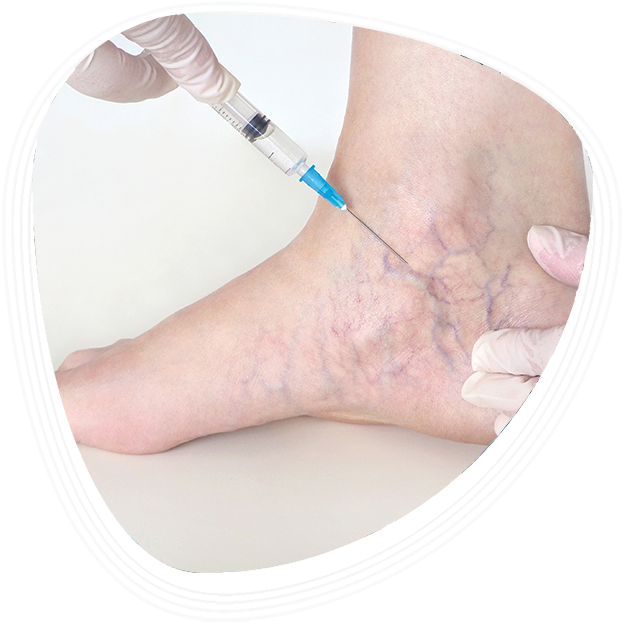
Post-Surgery Care and Recovery After Sclerotherapy
Recovery after sclerotherapy is usually smooth, with most individuals returning to routine activities within a short period. Proper aftercare plays an important role in improving results and reducing the chances of recurrence. Here are a few important points to keep in mind:
- Use of Compression Stockings: Wearing compression stockings as advised helps support treated veins, improves blood flow, and promotes healing.
- Regular Walking: Light walking is encouraged soon after the procedure to maintain circulation and reduce the risk of clot formation.
- Avoid Strenuous Activities: Heavy exercise, prolonged standing, and high-impact activities may be restricted for a few days.
- Skin Care Precautions: Exposure to direct sunlight on treated areas should be limited to reduce the risk of skin discolouration.
- Monitoring Treated Areas: Mild redness, swelling, or bruising may occur and usually settles over time, but any unusual symptoms should be reported.
- Follow-Up Visits: Scheduled check-ups help assess treatment results and identify if additional sessions are required.
Following these guidelines supports smoother recovery and helps achieve better long-term outcomes.
Risks and Possible Complications After Sclerotherapy
Sclerotherapy is widely used and considered safe when performed after proper evaluation and with correct technique. Most side effects are mild and temporary, but awareness of possible complications helps in timely identification and management. Here are a few possible risks to be aware of:
- Mild Swelling and Redness: Temporary inflammation around the injection site is common and usually settles within a few days.
- Bruising: Discolouration may appear at the treated area and gradually fades.
- Skin Darkening: Brown lines or patches may develop along the treated veins and may take weeks or months to clear.
- Itching or Irritation: Some patients may experience mild discomfort or itching at the injection site for a short duration.
- Lump or Hardness in Veins: Treated veins may feel firm or cord-like before they soften and reduce over time.
- Small Skin Sores: In rare cases, minor ulcers can form at the injection site and may need medical care.
- Matting of Fine Vessels: Development of tiny new blood vessels near the treated area can occur in some cases.
- Allergic Reaction: Reaction to the injected solution is uncommon but possible and requires prompt attention.
- Blood Clot Formation: Small clots may form in treated veins, which may need evaluation and drainage if required.
- Recurrence of Veins: New varicose or spider veins may develop over time, especially if underlying vein issues persist.
Clear post-procedure instructions and timely follow-up help in reducing risks and managing any concerns effectively.
Top Sclerotherapy Procedures at Graphic Era Hospital
- Liquid Sclerotherapy
- Foam Sclerotherapy
- Ultrasound-Guided Sclerotherapy
- Microsclerotherapy
- Cosmetic Sclerotherapy
- Image-Guided Sclerotherapy
Patient Stories

Blog





Frequently Asked Questions (FAQs)
How many sclerotherapy sessions are usually required?
The number of sessions depends on the extent and type of veins being treated. Smaller veins may require fewer sessions, while larger or multiple veins may need staged treatments.
Is sclerotherapy a painful procedure?
Mild discomfort may be felt during the injection, but it is generally well tolerated and does not require anaesthesia in most cases.
How soon can normal activities be resumed after the procedure?
Most routine activities can be resumed on the same day, with only minor restrictions on strenuous physical activity for a short period.
Are the results of sclerotherapy permanent?
Treated veins usually do not return, but new veins may develop over time, especially if underlying vein issues persist.
Can sclerotherapy be done in any season?
The procedure can be performed throughout the year, though cooler months are often preferred due to easier use of compression stockings.
Is sclerotherapy suitable for all age groups?
Suitability depends more on vein condition and overall health rather than age alone, and is determined after medical evaluation.
Will there be visible marks after treatment?
Temporary marks such as mild bruising or skin darkening may occur but usually fade over time.
Can both legs be treated in a single session?
In many cases, both legs can be treated during the same session, depending on the extent of veins and treatment plan.
 Emergency 24×7 : 1800 889 7351