Type 1 diabetes requires lifelong management and frequent treatment adjustments to maintain stable blood sugar levels. Since insulin requirements can vary based on age, diet, physical activity, illness, and other health factors, ongoing supervision by experienced endocrinologists is important for achieving optimal glucose control and reducing the risk of complications.
At Graphic Era Hospital in Dehradun, type 1 diabetes is diagnosed and managed by experienced endocrinologists through a comprehensive diabetes care programme. Our team works closely with every patient to develop personalised treatment plans and provide the education, guidance, and support needed to achieve optimal blood sugar control and maintain long-term health.
Symptoms of Type 1 Diabetes
The symptoms of type 1 diabetes often develop rapidly, sometimes over a period of days or weeks. They occur because the body cannot effectively use glucose for energy in the absence of sufficient insulin. Early recognition of symptoms is important, as untreated type 1 diabetes can progress to diabetic ketoacidosis (DKA), a potentially life-threatening medical emergency. At Graphic Era Hospital, endocrinologists evaluate symptoms alongside blood glucose and autoimmune testing to ensure timely diagnosis and treatment. Common symptoms include:
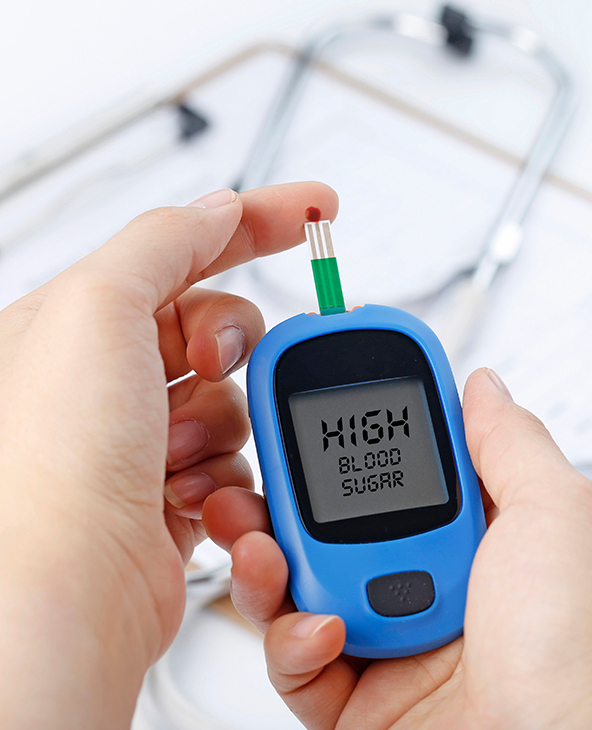
- Excessive Thirst (Polydipsia): Persistently high blood sugar levels cause increased fluid loss through urine, leading to frequent and excessive thirst.
- Frequent Urination (Polyuria): The kidneys work harder to remove excess glucose from the bloodstream, resulting in increased urine production and frequent trips to the bathroom.
- Increased Hunger (Polyphagia): Despite eating normally or even more than usual, the body's cells are unable to utilise glucose effectively, leading to persistent hunger.
- Unexplained Weight Loss: Rapid weight loss may occur because the body begins breaking down fat and muscle for energy when glucose cannot enter cells properly.
- Fatigue and Weakness: Lack of usable energy within the body's cells often causes persistent tiredness, reduced stamina, and difficulty performing routine activities.
- Blurred Vision: High blood sugar levels can affect the eye's lens and cause temporary visual disturbances, including blurred vision.
- Irritability and Mood Changes: Fluctuating blood glucose levels may contribute to irritability, difficulty concentrating, mood swings, and behavioural changes.
- Recurrent Infections: Frequent skin infections, urinary tract infections, fungal infections, or slow-healing wounds may occur due to elevated blood sugar levels.
- Nausea, Vomiting, and Abdominal Pain: These symptoms may develop when blood sugar levels become severely elevated and can signal the onset of diabetic ketoacidosis.
What Causes Type 1 Diabetes?
Type 1 diabetes develops when the body's immune system mistakenly attacks and destroys the insulin-producing beta cells in the pancreas. As these cells are progressively damaged, the pancreas loses its ability to produce sufficient insulin, causing blood glucose levels to rise. Although researchers have identified several factors involved in this autoimmune process, the exact reason why it begins is not fully understood.
- Autoimmune Destruction of Pancreatic Beta Cells: The primary cause of type 1 diabetes is an autoimmune reaction in which the immune system mistakenly targets and destroys the beta cells responsible for insulin production.
- Abnormal Immune System Activity: In individuals who develop type 1 diabetes, the immune system produces antibodies that attack healthy pancreatic tissue, leading to progressive loss of insulin-producing capacity.
- Genetic Susceptibility: Certain inherited genetic variations can make the immune system more likely to develop autoimmune responses against pancreatic beta cells.
- Viral Triggers: Some viral infections are believed to initiate or accelerate the autoimmune process in genetically susceptible individuals, although the exact relationship continues to be studied.
- Immune-Mediated Inflammation: Persistent inflammation within the pancreas may contribute to the gradual destruction of beta cells and the eventual onset of insulin deficiency.
- Associated Autoimmune Conditions: Type 1 diabetes may occur alongside other autoimmune disorders, suggesting common immune pathways that contribute to the development of the disease.
- Interaction Between Genetics and Environmental Factors: Researchers believe that type 1 diabetes develops through a complex interaction between inherited susceptibility and environmental influences that trigger the autoimmune response.
Risk Factors for Type 1 Diabetes
While the exact cause of type 1 diabetes remains unclear, certain factors are associated with a higher likelihood of developing the condition. These risk factors do not directly cause type 1 diabetes but may increase an individual's susceptibility to the autoimmune process that damages insulin-producing cells in the pancreas. Understanding these risk factors can help identify individuals who may benefit from closer monitoring and early evaluation if symptoms develop.
- Family History of Type 1 Diabetes: Having a parent, sibling, or other close family member with type 1 diabetes may increase the likelihood of developing the condition.
- Certain Genetic Markers: Individuals who inherit specific genetic markers, particularly within the HLA gene system, are at a higher risk of developing autoimmune diabetes.
- Personal History of Autoimmune Disorders: People diagnosed with autoimmune conditions such as autoimmune thyroid disease, coeliac disease, Addison's disease, or vitiligo may have an increased risk of developing type 1 diabetes.
- Family History of Autoimmune Diseases: A family history of autoimmune conditions, even in the absence of diabetes, may indicate a greater predisposition to immune-related disorders.
- Childhood and Adolescence: Although type 1 diabetes can develop at any age, it is most frequently diagnosed during childhood, teenage years, and early adulthood.
- Presence of Diabetes-Related Autoantibodies: Individuals found to have diabetes-associated autoantibodies during screening may be at increased risk of developing clinical type 1 diabetes over time.
- Certain Environmental Exposures: Researchers continue to investigate environmental factors that may influence disease development in genetically susceptible individuals.
- Geographic and Population Variations: The incidence of type 1 diabetes varies across different regions and populations, suggesting that environmental and population-specific factors may influence risk.
- Having a Close Relative with Multiple Autoimmune Conditions: Individuals from families with a strong history of autoimmune diseases may have a higher likelihood of developing autoimmune disorders, including type 1 diabetes.
Type 1 Diabetes Diagnosis at Graphic Era Hospital
Accurate diagnosis is essential for initiating appropriate treatment and preventing serious complications such as diabetic ketoacidosis. At Graphic Era Hospital, endocrinologists follow a structured diagnostic approach that combines clinical assessment, laboratory investigations, and specialised testing to confirm type 1 diabetes and evaluate overall health status.
Clinical Assessment
- Medical History and Symptom Evaluation: Doctors assess symptoms such as excessive thirst, frequent urination, increased hunger, unexplained weight loss, fatigue, blurred vision, and any history of diabetic ketoacidosis. Family history of diabetes and autoimmune disorders may also be reviewed.
- Physical Examination: A detailed examination helps assess hydration status, nutritional status, weight changes, signs of diabetic ketoacidosis, and potential complications related to diabetes.
Blood Glucose Testing
- Fasting Blood Glucose Test: Measures blood sugar levels after an overnight fast and helps identify persistent hyperglycaemia.
- Random Blood Glucose Test: Elevated blood sugar levels in the presence of classic diabetes symptoms can support the diagnosis.
- Oral Glucose Tolerance Test (OGTT): In selected cases, glucose tolerance testing may be used to evaluate how the body processes glucose.
- HbA1c Testing : This test reflects average blood glucose levels over the previous two to three months and helps confirm diabetes while providing a baseline for future monitoring.
Specialised Diabetes Testing
- Diabetes Autoantibody Testing: Blood tests may be performed to detect autoantibodies commonly associated with type 1 diabetes, including GAD antibodies, IA-2 antibodies, insulin autoantibodies, and ZnT8 antibodies.
- C-Peptide Testing: C-peptide testing helps determine how much insulin the pancreas is producing and can assist in differentiating type 1 diabetes from other forms of diabetes.
Additional Evaluation
- Screening for Associated Autoimmune Disorders: Since type 1 diabetes is associated with several autoimmune diseases, additional testing may be recommended to screen for thyroid disorders, coeliac disease, and other related conditions.
- Assessment for Diabetes-Related Complications: Depending on the patient's age and duration of symptoms, doctors may evaluate kidney function, blood pressure, lipid profile, eye health, and cardiovascular risk factors to establish a comprehensive management plan.
Why Choose Graphic Era Hospital for Type 1 Diabetes Treatment

Experienced Endocrinologists and Diabetes Specialists : At Graphic Era Hospital, type 1 diabetes is managed by experienced endocrinologists and diabetes specialists who provide comprehensive care across all age groups. The team focuses on accurate diagnosis, personalised insulin therapy, blood glucose optimisation, complication prevention, and long-term disease management through evidence-based treatment protocols.

Comprehensive Diabetes Diagnostic Services : Effective management of type 1 diabetes begins with an accurate diagnosis and regular monitoring. Graphic Era Hospital offers comprehensive in-house diagnostic facilities, including blood glucose testing, HbA1c assessment, autoantibody testing, C-peptide evaluation, continuous glucose monitoring support, and screening for diabetes-related complications, enabling coordinated and timely care.

Multidisciplinary Care for Long-Term Diabetes Management : Type 1 diabetes can affect multiple organ systems and often requires support from various specialists. Endocrinologists work closely with nutritionists, ophthalmologists, nephrologists, cardiologists, paediatric specialists, diabetes educators, and critical care teams to provide integrated care aimed at maintaining long-term health and preventing complications.
Treatment of Type 1 Diabetes at Graphic Era Hospital
Type 1 diabetes requires lifelong management, as the body can no longer produce enough insulin to regulate blood glucose levels effectively. At Graphic Era Hospital, endocrinologists develop personalised treatment plans based on the patient’s age, lifestyle, blood sugar patterns, overall health, and risk of complications. The goal is to maintain optimal blood glucose control, prevent acute emergencies, and reduce the risk of long-term diabetes-related complications.
Insulin Therapy
- Multiple Daily Insulin Injections (MDI): Most patients require a combination of long-acting (basal) and rapid-acting (bolus) insulin to maintain blood sugar control throughout the day and around meals.
- Insulin Pump Therapy: For selected patients, insulin pump therapy may provide more precise insulin delivery, greater flexibility, and improved blood glucose management.
- Individualised Insulin Adjustment: Insulin doses are regularly adjusted based on blood glucose monitoring, physical activity, dietary intake, illness, and growth requirements in children and adolescents.
Blood Glucose Monitoring
- Self-Monitoring of Blood Glucose (SMBG): Regular blood sugar monitoring helps patients understand glucose patterns and make informed treatment decisions.
- Continuous Glucose Monitoring (CGM): Advanced glucose monitoring systems provide real-time glucose readings and trends, helping improve blood sugar control and reduce the risk of hypoglycaemia.
Nutritional Management
- Personalised Meal Planning: Registered dietitians and diabetes educators provide dietary guidance tailored to the patient's age, nutritional requirements, activity level, and treatment goals.
- Carbohydrate Counting Education: Patients learn how to calculate carbohydrate intake and adjust insulin doses appropriately to achieve better glycaemic control.
- Healthy Lifestyle Guidance: Education focuses on balanced nutrition, portion control, meal timing, hydration, and sustainable dietary habits that support long-term health.
Physical Activity and Exercise Support
- Exercise Planning: Regular physical activity plays an important role in diabetes management. Specialists provide guidance on safely adjusting insulin and nutrition around exercise to prevent blood sugar fluctuations.
- Lifestyle Counselling: Patients receive practical advice on maintaining an active lifestyle while minimising the risk of hypoglycaemia during or after physical activity.
Prevention and Management of Acute Complications
- Hypoglycaemia Management: Patients and families are educated to recognise and treat low blood sugar episodes promptly and safely.
- Diabetic Ketoacidosis (DKA) Prevention: Education regarding sick-day management, insulin adherence, hydration, and early warning signs helps reduce the risk of DKA.
- Emergency Diabetes Care: Critical care and emergency teams are available to manage severe hypoglycaemia, DKA, and other diabetes-related emergencies when required.
Long-Term Monitoring and Follow-Up
- Regular HbA1c Assessment: Periodic HbA1c testing helps evaluate long-term glucose control and guide treatment adjustments.
- Routine Screening for Complications: Ongoing monitoring helps detect early signs of kidney disease, eye disease, nerve damage, cardiovascular risk factors, and other diabetes-related complications.
- Diabetes Education and Counselling: Continuous education empowers patients and families to confidently manage diabetes and adapt to changing healthcare needs over time.
Complications of Type 1 Diabetes
Without proper blood glucose control, type 1 diabetes can affect multiple organs and body systems over time. Some complications develop suddenly and require emergency treatment, while others occur gradually over several years. At Graphic Era Hospital, endocrinologists focus on early detection, preventive care, and regular monitoring to reduce the risk of diabetes-related complications.
Hypoglycaemia (Low Blood Sugar): Low blood glucose levels caused by excess insulin, missed meals, increased physical activity, or illness. Symptoms may include sweating, trembling, dizziness, confusion, irritability, and, in severe cases, loss of consciousness.
Hyperglycaemia (High Blood Sugar): Persistently elevated blood sugar levels that can cause excessive thirst, frequent urination, fatigue, blurred vision, and dehydration.
Diabetic Ketoacidosis (DKA): A potentially life-threatening condition caused by severe insulin deficiency, resulting in excessive ketone production. Symptoms include nausea, vomiting, abdominal pain, rapid breathing,dehydration, confusion, and fruity-smelling breath.
Diabetic Retinopathy: Damage to the blood vessels of the retina that may impair vision and, if left untreated, lead to vision loss.
Diabetic Nephropathy: Progressive kidney damage caused by prolonged exposure to elevated blood glucose levels, potentially resulting in chronic kidney disease.
Diabetic Neuropathy: Nerve damage that may cause numbness, tingling, burning sensations, pain, or weakness, particularly in the hands and feet.
Cardiovascular Disease: An increased risk of heart disease, stroke, hypertension, and other cardiovascular complications.
Foot Problems: Reduced sensation, poor circulation, and delayed wound healing that can increase the risk of ulcers, infections, and other foot-related complications.
Oral Health Problems: A higher likelihood of gum disease, dental infections, dry mouth, and other oral health concerns.
Eye Conditions Beyond Retinopathy: An increased risk of developing cataracts and glaucoma compared to individuals without diabetes.
Mental Health Challenges: Diabetes distress, anxiety, depression, and treatment fatigue related to the ongoing demands of managing a chronic condition.
Autoimmune Thyroid Disorders: Type 1 diabetes is associated with a higher risk of autoimmune thyroid conditions, including Hashimoto's thyroiditis and Graves' disease. Regular thyroid function screening is recommended as part of ongoing diabetes care.
Coeliac Disease: An autoimmune condition affecting the small intestine that occurs more frequently in individuals with type 1 diabetes. Management typically involves a strict gluten-free diet and nutritional monitoring.
Dyslipidaemia: Abnormal cholesterol and triglyceride levels are more common in people with type 1 diabetes and can further increase cardiovascular risk. Regular lipid monitoring and appropriate treatment are an important part of long-term diabetes management.
Growth and Development Concerns: In children and adolescents, poorly controlled blood glucose levels can affect growth, pubertal development, and overall physical development, making regular paediatric endocrinology review essential.
At Graphic Era Hospital, our endocrinology team provides comprehensive evaluation and management for the full spectrum of type 1 diabetes-related complications, helping patients achieve better glucose control, reduce complication risk, and maintain long-term health.
Preventing Type 1 Diabetes
Currently, there is no proven way to prevent type 1 diabetes because it develops as a result of an autoimmune process that damages the insulin-producing cells of the pancreas. Researchers continue to study the genetic, immune, and environmental factors involved in the disease in the hope of developing preventive strategies in the future.
People with a family history of type 1 diabetes or other autoimmune conditions should remain aware of the symptoms and seek medical evaluation if concerns arise. Early diagnosis and timely treatment can help prevent serious complications such as diabetic ketoacidosis and support better long-term health outcomes.
Top Investigations and Treatments for Type 1 Diabetes
Investigations
- Blood Glucose Testing
- HbA1c Testing
- Diabetes Autoantibody Testing
- C-Peptide Testing
- Continuous Glucose Monitoring (CGM)
- Kidney Function Tests
- Diabetic Retinopathy Screening
- Thyroid Function Tests
Treatments
- Insulin Therapy
- Multiple Daily Insulin Injections (MDI)
- Insulin Pump Therapy
- Continuous Glucose Monitoring (CGM) Support
- Medical Nutrition Therapy
- Carbohydrate Counting Education
- Hypoglycaemia Management
- Diabetic Ketoacidosis (DKA) Management
- Lifestyle and Exercise Counselling
- Long-Term Diabetes Follow-Up
Blog



Frequently Asked Questions (FAQs)
Is type 1 diabetes curable?
Type 1 diabetes currently has no cure. However, with appropriate insulin therapy, regular monitoring, healthy lifestyle habits, and ongoing medical care, most individuals can effectively manage the condition and lead active, healthy lives.
What is the difference between type 1 and type 2 diabetes?
Type 1 diabetes is an autoimmune condition in which the pancreas produces little or no insulin due to destruction of insulin-producing cells. Type 2 diabetes occurs when the body becomes resistant to insulin or does not produce enough insulin to meet its needs. Type 1 diabetes always requires insulin therapy, whereas type 2 diabetes may initially be managed with lifestyle changes, oral medications, or insulin depending on the severity of the condition.
Can type 1 diabetes be prevented?
Currently, there is no proven way to prevent type 1 diabetes because it results from an autoimmune process that damages the insulin-producing cells of the pancreas. However, early diagnosis and prompt treatment can help prevent serious complications such as diabetic ketoacidosis and support better long-term health outcomes.
Is type 1 diabetes common in children?
Yes. Type 1 diabetes is one of the most common chronic health conditions affecting children and adolescents. Although it can develop at any age, it is frequently diagnosed during childhood and teenage years. Early recognition of symptoms and timely medical care are important for effective disease management.
Can type 1 diabetes develop in adults?
Yes. Although type 1 diabetes is commonly diagnosed during childhood and adolescence, it can develop at any age, including adulthood. Adult-onset type 1 diabetes is sometimes initially mistaken for type 2 diabetes.
Will I need insulin for life?
Yes. Since the pancreas produces little or no insulin in type 1 diabetes, lifelong insulin replacement therapy is necessary to maintain healthy blood glucose levels and prevent complications.
What is diabetic ketoacidosis (DKA)?
Diabetic ketoacidosis is a serious complication caused by severe insulin deficiency. It can lead to dehydration, acid buildup in the blood, and potentially life-threatening complications if not treated promptly.
Can children with type 1 diabetes live normal lives?
Yes. With proper insulin therapy, blood glucose monitoring, nutritional guidance, and regular medical follow-up, children with type 1 diabetes can participate in school, sports, travel, and most other normal activities.
How often should blood sugar levels be checked?
The frequency depends on the individual’s treatment plan, insulin regimen, and glucose control goals. Many patients monitor blood glucose several times daily or use continuous glucose monitoring systems for ongoing assessment.
What foods should be avoided in type 1 diabetes?
There is no single list of prohibited foods. However, limiting sugary beverages, highly processed foods, excess refined carbohydrates, and unhealthy fats can help support better blood glucose control and overall health.
Can exercise help manage type 1 diabetes?
Yes. Regular physical activity can improve insulin sensitivity, support cardiovascular health, and contribute to overall wellbeing. However, insulin doses and carbohydrate intake may need adjustment to prevent blood sugar fluctuations.
How do I book an appointment at Graphic Era Hospital for type 1 diabetes treatment?
You can book an appointment through the hospital website, call 1800-889-7351, or visit the outpatient department directly to consult an endocrinologist or diabetes specialist.
 Emergency 24×7 : 1800 889 7351